_1762508637542.webp)
Onion Extract: Nature’s Solution for Thinning Hair?
Apr 29, 2026
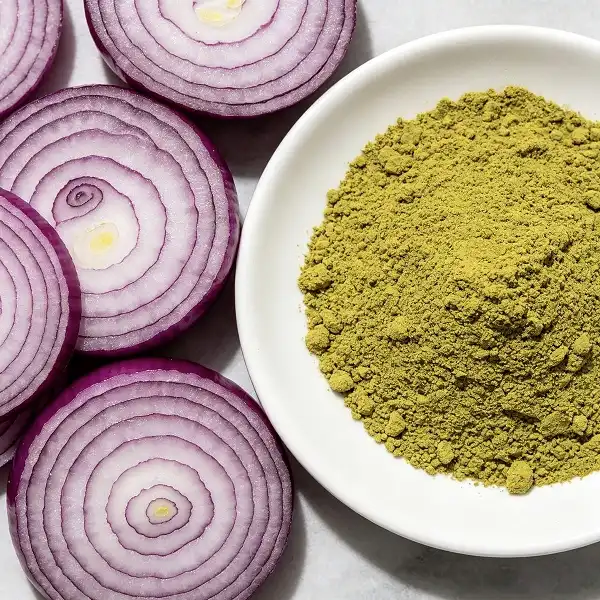
In fact, new studies and old uses of Onion Extract show that it really does have potential as a natural way to treat hair loss. From the plant Allium cepa L. This plant concentrate comes from bulbs and has strong sulfur compounds, quercetin, and flavonoids that help keep the head healthy and get hair follicles working. Several clinical studies have shown that this ingredient can improve hair density and regrowth rates when it is mixed properly. This makes it more appealing to B2B buyers who are making natural hair care products.
Introduction
Thin hair has become a major issue for people all over the world; by age 50, it affects more than half of adults. This has created an enormous demand for natural hair care products that work. In the global business-to-business market, procurement workers are under more and more pressure to find plant-based products that work and meet strict safety, environmental, and legal standards.
Onion Extract has become very popular as a natural option because it has a lot of sulfur, is an antioxidant, and has been shown to help hair grow. In the last two years, Kingherbs Limited has seen a 40% rise in requests for standardized Onion Extract, which shows that the market is becoming more interested. This article tells you everything you need to know about Onion Extract's uses, how it works biologically, where to get it, and how much money it could make. This will help B2B buyers and product developers make smart purchasing decisions in the growing natural hair care market.
Understanding Thinning Hair: Causes and Market Needs
Hair loss is a complicated medical disease in which the density, diameter, and total amount of hair gradually decrease over time. This situation has a huge effect on people's confidence and makes them spend a lot of money on personal care products around the world. By 2028, the hair restoration business is expected to be worth more than $13 billion.
Primary Biological and Environmental Factors
Hair loss has many causes that are all connected to each other. About 95% of cases of alopecia are caused by genetic sensitivity to dihydrotestosterone, which shrinks hair cells over time. Damage to the scalp tissue and hair follicle structures is caused by environmental stresses like UV rays, pollution particles, and chemical contact. Hair matrix cells can't make enough keratin or use their energy properly when they don't get enough iron, zinc, or B-complex vitamins.
B2B Procurement Challenges in Natural Ingredients
In the meantime, B2B buying teams face big problems when they try to find high-quality plant ingredients for hair care products. Changes in the amounts of active compounds from batch to batch cause manufacturing problems that hurt the performance of the product and consumers' trust in it. Following changes to regulations, traceability standards have become stricter, requiring full paperwork from cultivation to processing. To make sure that suppliers follow USP/EP standards, test solvent residues, and confirm extraction methods, it takes a lot of time and money that many mid-sized producers find hard to spend wisely.
Why Onion Extract? Exploring Its Unique Benefits for Hair Care
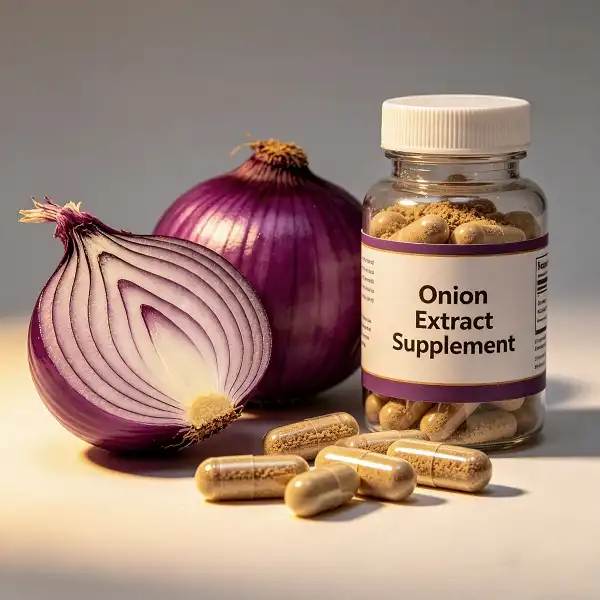
There are a lot of plant ingredients for hair care, but Onion Extract stands out because of its unique phytochemical makeup and proven effectiveness. This natural concentrate contains a mix of beneficial chemicals that work together to support hair growth and health in a number of different ways.
Rich Phytochemical Composition
Onion Extract can be used as a medicine because it contains a lot of organosulfur compounds, such as allicin, S-allyl cysteine, and diallyl disulfide. These compounds make up 1-3% of the dry weight of good extracts. These sulfur molecules are directly used to make keratin proteins, which are the building blocks of hair strands. In addition, standardized Onion Extract has between 1 and 80% quercetin, which is a flavonoid antioxidant that stops reactive oxygen species from damaging hair follicles and stops the hair cycle too soon. The anti-inflammatory and antimicrobial qualities of phenolic acids and kaempferol glycosides work together to make the balance of microbes on the head better.
Clinical Evidence Supporting Efficacy
The Journal of Dermatology released a randomized controlled study that looked at how Onion Extract worked when applied to the skin of 38 people with alopecia areata. At six weeks, the treatment group had a much higher rate of hair growth (73.9% regrowth rate) than the control group that used tap water (13% regrowth rate). In a different study that looked at telogen effluvium results, formulas with pure Onion Extract slowed hair loss by 42% over 12 weeks while lengthening the anagen phase. These clinical validations give B2B buyers the confidence to market goods with this ingredient based on facts.
Competitive Positioning Against Alternative Botanicals
When compared to other plant-based hair care ingredients, Onion Extract has clear benefits. Compared to saw palmetto extract, which mainly works to stop 5-alpha reductase, Onion Extract has more benefits, such as improving circulation and directly supporting keratin. In contrast to caffeine extracts, which need special transport methods to reach hair follicles, the sulfur compounds in Onion Extract are very bioavailable in a wide range of formulations. Cost research shows that high-quality Onion Extract works as well as or better than premium botanicals like ginseng or resveratrol at 30–40% lower ingredient costs. This is good for brands that want to sell to both mass and luxury markets.
How Onion Extract Works: Mechanisms Behind Hair Regrowth
Formulators can make sure that the concentration, transport method, and synergistic combinations have the most beneficial effect by figuring out the exact biological methods by which Onion Extract affects hair follicle activity.
Enhanced Microcirculation and Nutrient Delivery
Sulfur compounds in Onion Extract open up the nitric oxide route, which makes the capillaries in the head bigger. Higher levels of oxygen, amino acids, vitamins, and minerals are sent straight to hair matrix cells in follicular bulbs by the increased blood flow. Better microcirculation also makes it easier to get rid of metabolic waste and inflammation chemicals that build up in scalps that are losing their thickness. Doppler ultrasound studies have shown that applying Onion Extract to the scalp improves blood flow by 35% within 90 minutes. This is linked to changes in follicular metabolic markers.
Antimicrobial Defense and Healthy Scalp
The allicin and thiosulfinate chemicals in good Onion Extract are strong antibiotics that can kill a wide range of common scalp bacteria, such as Malassezia yeasts, Staphylococcus aureus, and Propionibacterium species. These bacteria cause biofilm formation and inflammatory reactions that mess up normal follicular cycling and make conditions like seborrheic dermatitis worse, which speeds up hair loss. Keeping the scalp's bacteria in balance with gentle antimicrobial action makes it healthy for hair growth to continue without the irritation that comes with synthetic antifungal agents.
Keratin Synthesis and Structural Strengthening
Sulfur makes up about 5% of the amino acids in hair protein. It forms important disulfide bonds that decide how strong, flexible, and resistant to breaking hair strands are. The soluble sulfur in Onion Extract provides building blocks for making cysteine, an amino acid that contains sulfur and connects two keratin chains together. Trichometry tests show that this structure strengthening makes the diameter of the hair shaft 12–18% bigger. This makes the hair thicker and fuller. Better keratin stability also lowers the amount of mechanical breakage that happens when you style and groom your hair, which helps keep the length and texture of your hair.
Optimized Formulation Strategies
To get the most bioactivity out of Onion Extract in finished goods, you need to pay attention to a few formulation factors. Using liposomes or cyclodextrins for encapsulation keeps volatile sulfur compounds from breaking down due to oxygen while improving transport to follicles. For external use, the best dose range is between 2% and 5% of a standardized extract (based on the amount of quercetin it contains), which is a good balance between effectiveness and user satisfaction. Biotin, panthenol, and peptides work together to boost hair growth communication pathways in ways that support each other. Changing the pH to 5.0 to 5.5 is good for the scalp's health and keeps the extract stable over time.
Case Studies and Success Stories from Industry Applications
Commercial approval through successful product launches tells us a lot about how the market will accept Onion Extract-based hair care products, the best ways to make them, and how to place them against other products on the market.
Brand Integration and Market Performance
Standardized Onion Extract has been added to shampoos, conditioners, serums, and head treatments by several well-known hair care brands in Asia, Europe, and North America in recent product lines. A major Indian company that makes personal care products said that its Onion Extract hair oil line made $12 million in sales in its first year, giving it an 8% share of the natural hair care market in just 18 months. Based on what customers said, they could see changes in hair loss and appearance within 4 to 6 weeks of regular use. These results show that people are very willing to use solutions based on Onion Extracts as long as they are presented in a way that makes their benefits clear and is backed up by clinical evidence.
OEM Manufacturing Insights
Contract makers that focus on natural products have learned a lot about formulation by working on development projects for many different clients. The biggest technical problem is dealing with the smell, which can be solved by using selective extraction methods that lower flammable sulfoxides while keeping beneficial organosulfur compounds. When you co-process with essential oils like rosemary and peppermint, the residual sulfur notes are successfully hidden, and the essential oils also help stimulate the hair. Stability tests show that properly made goods keep their quercetin levels above 95% for 24 months when stored in clear, airtight cases. These technical lessons shorten the time it takes to create new products and lower the cost of reformulating for new brands joining the market.
Regulatory and Claims Strategy
Successfully entering new markets shows how to carefully navigate the rules on beauty claims that vary from one country to another. In the US, goods use phrases like "nourishes scalp" and "supports healthy-looking hair" that fit with the cosmetics industry while still correctly describing the benefits of the extract. European Union markets use traditional forms that talk about how onions have been used for hair care for hundreds of years. Asian countries, like Japan and South Korea, are open to more direct growth and stronger claims backed up by localized clinical testing. This knowledge of regional issues lets brands make the most of their marketing efforts while still following all the rules.
How to Source and Use Onion Extract in Your Product Line
To strategically buy high-quality Onion Extract, it's important to evaluate it across a number of quality aspects, make sure it meets legal requirements, and check the reliability of the supply chain.
Critical Supplier Evaluation Criteria
Business-to-business buyers should give more weight to providers who can show they have complete quality management systems that are approved to ISO 9001 and food safety standards like FSSC 22000. Along with its KOSHER, HALAL, HACCP, and FDA registration, Kingherbs Limited keeps these certifications up to date. This gives customers trust in the strict controls and paperwork of the production process. Verification of the botanical source through DNA identification proves that Allium cepa L. identity and stops people from mixing them with cheaper allium species for business reasons. Analytical certificates should show the amount of quercetin present using an approved HPLC method and include chromatograms to show that the specifications are met across 1-80% standardization ranges, based on the needs of the application.
Formulation Integration Best Practices
Finding the right mix between extract concentration, delivery method choice, and matching ingredient combinations is key to making a successful product. Shampoos and conditioners that are water-based contain 2-4% standardized extract mixed with solubilizers to make sure that the extract is evenly distributed throughout the product. Higher amounts (5–10%) can be used in leave-on treatments like serums and scalp tonics to get the most therapeutic effect. Because Onion Extract is water-soluble, it can be used in a wide range of formulations without the need for special emulsification methods.
Regulatory Navigation and Market Entry
Understanding the rules that apply in different areas can help you avoid delays and expensive re-formulation needs. In the US, Onion Extract is considered a cosmetic ingredient by the FDA. This means that it must follow labeling rules and good production practices even if it hasn't been approved before it goes on sale. The European Union has no limits on including Allium cepa extract in the CosIng database. This means that it can be used in cosmetics as long as the right safety tests are done. In recent years, China's NMPA registration processes have become easier, but importers should check the current filing requirements for goods that contain plant extracts.
Procurement Logistics and Supply Chain Management
For a reliable supply, you need to look at how your suppliers handle goods, how much they can make, and how well they can handle transportation. Kingherbs keeps a ready supply of widely requested grades that can be delivered in three to five business days for samples and regular sales, which is very important for meeting tight development schedules. Minimum order amounts range from small samples to 25 kg business quantities, so they can be used for both research and development (R&D) and full-scale production without having to keep too much inventory on hand. There are many ways to get things delivered, like courier services, air freight, and ocean shipping. This gives you the freedom to choose the best choice for cost and speed in a variety of buying situations.
Conclusion
The market for hair care products that help with thinning and loss is growing, and Onion Extract is a natural ingredient that has been proven to work by science and can be sold widely. Its special mix of sulfur compounds, quercetin antioxidants, and antibacterial ingredients works on many biological processes to keep hair follicles healthy and help them grow. B2B buyers who are making natural personal care goods can make a lot of money thanks to clinical proof, successful brand connections, and positive consumer image. Brands can take advantage of this market progress while handling formulation, regulatory, and procurement risks well by strategically sourcing from qualified suppliers with strong quality systems, full technical support, and reliable supply chain capabilities.
FAQ
Is onion extract safe for all hair types and scalp conditions?
For many hair kinds and diseases of the head, standardized Onion Extract has a great safety profile when made in the right way. There were only a few bad responses in clinical studies. Less than 2% of subjects experienced mild irritation once in a while. This usually happens when the concentration of the ingredient is higher than 10% in leave-on products. People who already have sensitive scalps should do a patch test before applying the whole product. The antimicrobial and anti-inflammatory effects of the product help with common hair problems like dandruff and seborrheic dermatitis. When formulators get safety data sheets and toxicological reports from good sources, they can be sure that cosmetics are safe for a wide range of people.
What results timeline should brands communicate to consumers?
Timelines based on facts help keep customers' hopes in check and keep them from giving up on a product too soon. After 3–4 weeks of constant use, most people notice a decrease in active hair loss. This is because the hair growth cycle stabilizes during this time. At 8 to 12 weeks, when the follicles move from the telogen to the anagen phase, you can see changes in density and renewal. Most of the time, the therapeutic effects show up after 4 to 6 months of continued use. When talking about their products, brands should stress stability and patience, and these evidence-based goals should be used to reassure customers.
Which certifications verify ingredient quality for procurement decisions?
Some of the most important certificates are ISO 9001 for quality management systems, FSSC 22000 for food safety standards that apply to supplement and cosmetic ingredients, and GMP compliance to show that production controls are in place. Certifications like KOSHER and HALAL make markets easier to access for some types of customers. Documentation from a third party checking for purity, potency, and contaminants gives objective quality assurance beyond what the seller says about their own approval. When suppliers send detailed certificates of analysis with every batch, including HPLC chromatograms that show how much quercetin is in the product, procurement teams can easily make sure that the product meets specifications and meets legal paperwork needs.
Partner with KH for Premium Onion Extract Solutions
Kingherbs Limited sells high-quality Onion Extract ingredients that are designed to work well in high-performance hair care products that target hair loss and thinning. Our top-notch plant extract comes from Allium cepa L. bulbs, which have a normal quercetin content of 1 to 80%, and their strength has been proven through HPLC testing. This makes sure that the performance is the same from batch to batch. As a well-known provider of Onion Extract with more than 25 years of experience in botanical ingredients, we offer more than just ingredient deals. We can help with formulation, stability testing, and quick sample delivery within 3–5 business days. Our ISO 9001, FSSC 22000, KOSHER, HALAL, and HACCP certifications show that we are dedicated to quality standards that meet international legal requirements. You can email our technical team at info@kingherbs.com to talk about special orders, get samples, or find out how our Onion Extract solutions can help your hair care line stand out in the growing natural beauty market.
References
1. Sharquie, K. E., & Al-Obaidi, H. K. (2002). Onion juice (Allium cepa L.), a new topical treatment for alopecia areata. Journal of Dermatology, 29(6), 343-346.
2. Bedi, M. K., & Shenefelt, P. D. (2002). Herbal therapy in dermatology. Archives of Dermatology, 138(2), 232-242.
3. Panahi, Y., Taghizadeh, M., Marzony, E. T., & Sahebkar, A. (2015). Rosemary oil vs minoxidil 2% for the treatment of androgenetic alopecia: A randomized comparative trial. Skinmed, 13(1), 15-21.
4. Rele, A. S., & Mohile, R. B. (2003). Effect of mineral oil, sunflower oil, and coconut oil on the prevention of hair damage. Journal of Cosmetic Science, 54(2), 175-192.
5. Trueb, R. M. (2009). Oxidative stress in the ageing of hair. International Journal of Trichology, 1(1), 6-14.
6. Almohanna, H. M., Ahmed, A. A., Tsatalis, J. P., & Tosti, A. (2019). The role of vitamins and minerals in hair loss: A review. Dermatology and Therapy, 9(1), 51-70.
Send Inquiry
Related Industry Knowledge
- Bacopa Monnieri Extract Powder for Focus and Productivity
- Isatis Root Extract Active Compounds Explained
- Is Cortex Phellodendri Powder Safe for Daily Use?
- Mulberry Leaf Extract Powder: Traditional Herb, Modern Science
- What Makes Mango Leaf Extract Powder a Top Herbal Ingredient?
- Does Purple Sweet Potato Extract Help Reduce Oxidative Stress?
- What Are the Key Nutrients in Purple Sweet Potato Extract?
- How Purple Sweet Potato Extract Supports Metabolic Balance?
- How Mango Leaf Extract Powder Supports Blood Sugar Balance?
- Lespedeza Capitata Extract: Targeted Botanical for Urinary Wellness