_1762508637542.webp)
Astaxanthin Powder And Oil Factory Direct Supply for Brands
Jul 21, 2026
Want to get trusted, high-quality raw materials for the start of your next product? When it comes to price, consistency, and formulation options, Astaxanthin Powder and Oil acquired through plant direct supply routes are unmatched. If you make vitamins for health, useful foods, cosmetics, or sports nutrition products, learning how to buy directly from reputable companies like Kingherbs Limited can make your supply chain more efficient and help your goods stand out. This guide tells procurement managers, R&D leaders, and quality assurance teams everything they need to know to make smart buying choices that give them a competitive edge in the tough global markets of today.
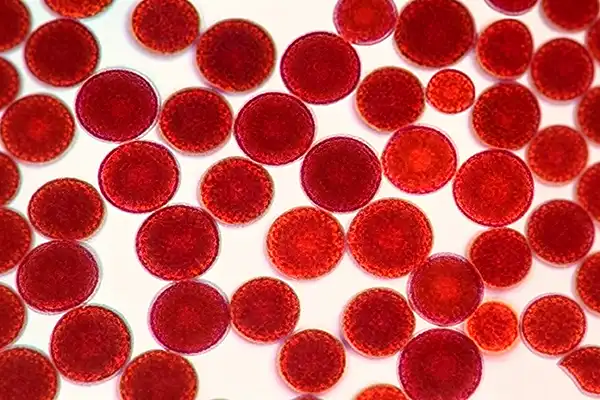
Understanding Astaxanthin Powder and Oil: Composition, Benefits, and Uses
What Makes Astaxanthin a Standout Carotenoid?
Astaxanthin is a naturally occurring carotene that comes from Haematococcus pluvialis microalgae. It has some of the strongest protective properties ever reported in scientific literature. The compound looks like a fine, red to dark red powder or oil, and its active content can be anywhere from 1% to 96%, as shown by HPLC or UV testing. Unlike synthetic alternatives that are made up of racemic mixtures, natural astaxanthin mostly has the 3S,3'S stereoisomer, which has much higher biological activity and bioavailability in human use.
Physical Properties That Influence Formulation
When turned into cold water-dispersible (CWD) formats, the powder form is a free-flowing substance with a bulk density of 0.45g/ml to 0.65g/ml. This means it can be used for drinking uses, capsule filling, and pill compression. When added to softgel capsules or skin care items that you put on your skin, oil formulations have better lipophilic qualities that make them easier to absorb. Both types keep the full range of bioactive esterified compounds (mono-esters and di-esters) that set high-quality natural sources apart from cheaper synthetic ones.
Health Benefits Backed by Research
Numerous studies have shown that astaxanthin is a much better antioxidant than Vitamin E, possibly even being much better at neutralizing free radicals. Because it passes the blood-brain barrier, the substance helps the nervous system and improves circulation, which is good for the heart. Skin health apps have the potential to protect against UV damage and help you look younger as you age. Eye health support includes keeping the retina healthy and lowering eye fatigue caused by screens. During exercise, athletes can recover faster because oxidative stress is lower. Anti-inflammatory traits help the body's natural inflammatory reactions work well.
Versatile Applications Across Industries
Astaxanthin is added to softgel pills, tablets, and liquid forms by companies that make dietary supplements for people who want to support their antioxidant systems. Functional food companies use the ingredient in drinks, gummies, and nutrition bars for people who care about their health. The chemical is useful for making anti-aging creams, serums, and sun care items. Sports nutrition companies use vitamins before and after workouts to help athletes perform better. Aquaculture uses feed additives to make fish and prawns that are raised look more colourful, and pet nutrition brands make high-quality vitamins for the health of pets.
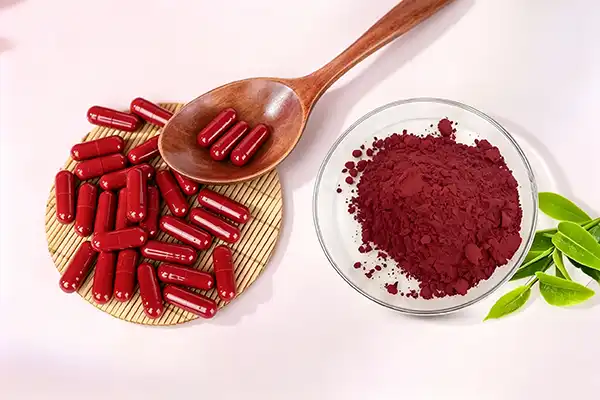
Comparing Astaxanthin Powder and Oil: Making the Right Choice for Your Brand
Bioavailability Considerations in Product Development
When choosing between powder and oil types, you need to think carefully about how they will be absorbed and what they will be used for. Because astaxanthin is lipophilic, oil formulations naturally increase solubility. This makes them perfect for softgel delivery methods, where fast absorption is what makes a Natural Astaxanthin Supplement work. Powder formats are flexible and can be used for dry blending, tablet compression, and specialized tasks like CWD technology for making drinks. According to research, oil-based delivery can improve absorption rates compared to powder forms that aren't encapsulated. However, modern microencapsulation methods make this difference much smaller.
Natural vs. Synthetic: Impact on Brand Positioning
The difference between sources has a big effect on how a business positions itself in the market and how customers see it. Astaxanthin that comes from Haematococcus pluvialis is very expensive, but it has real 3S,3'S isomer profiles that synthetic alternatives made from petroleum can't match. The isomer ratio can be found through chiral HPLC analysis in the lab. Real microalgae sources have a 3S,3'S dominance, while manmade forms have the typical 1:2:1 ratio of optical isomers that have been shown to have lower biological activity. Premium brands can use promises of natural sourcing to their advantage, while mass-market brands may have to weigh the costs of synthetic choices.
Cost-Efficiency and Supply Scalability
Pricing models are very different depending on the amount of concentrate, the method of extraction, and the number of orders. Natural astaxanthin powder with a 5% concentration usually costs less per kilogram than powders with a 10% or higher concentration. However, the cost-per-milligram of active ingredient tells the whole story. Oil formulations usually cost more because they need to be processed more and have better bioavailability profiles. Minimum order quantities (MOQs) affect how you buy things. For example, Kingherbs Limited will accept samples from 100g to 1 kg for initial testing. For business orders, the minimum order size is 25 kg drums, which is a good mix between shipping costs and inventory management needs.
Application-Specific Selection Criteria
When making once-daily softgels, companies that make nutraceuticals usually choose oil formulations that get the most absorption from smaller dose amounts. To make functional drinks, people need special CWD powder technology that stays stable in watery places without separating or settling. Cosmetic formulators look at how oil dissolves in emulsion systems to see which properties are best for serum incorporation and powder dispersibility. Beadlet technology guards the compound during compression forces and dissolution processes, which is useful for sports nutrition goods that are used to make powder drink mixes.
Factory Direct Supply Advantages: Streamlining Procurement for B2B Buyers
Transparent Pricing and Cost Control
When you deal directly with a maker, you don't have to pay markups to middlemen, which can raise the cost of raw materials by 20 to 40 percent in traditional distribution routes. When purchasing goods from well-known factories, factory-direct price helps teams plan for costs that are accurate for product costing and profit analysis. Tiered pricing models can be used when you make a volume promise, and long-term partnership deals can keep prices stable even if the market for microalgae cultivation costs changes. It is also clear how the cycles of cultivation, the amounts of extraction, and the quality standards affect the final price. This allows for smart talks that are good for everyone.
Enhanced Quality Control and Traceability
Working directly with manufacturers gives you a unique view into the whole production process, from choosing the algae strain to when to harvest, how to extract the oil, and how it is packaged in the end. If a supplier has ISO9001, FSSC22000, or HACCP certification, they must follow strict quality systems that include HPLC analysis reports, heavy metal screening (Lead < 3ppm, Arsenic < 1ppm, Mercury < 0.1ppm), microbial testing (TPC, Yeast & Mould, pathogen absence), and residual solvent verification for ethanol-extracted materials. Traceability from the cultivation base to the finished product makes sure that the product is real and backs up clean label marketing claims that today's smart consumers believe.
Customization Capabilities for Product Differentiation
Working directly with a factory gives you access to formulation support that generic distributors can't give you. Companies that make products and have their own application labs offer mixing solutions that mix astaxanthin with certain amounts of carotenoids, omega fatty acids, or special phospholipid structures to make them work better together. Stability testing in drink systems, gummy formulas, pill matrices, and skin care uses finds the best amounts to use and the best ways to process them. Custom concentration development lets brands choose the exact levels of strength that work with dosage plans and label claims. This lets them make unique formulations that set their goods apart in a market that is already very competitive.
Logistics Efficiency and Inventory Optimization
Direct suppliers who run global logistics networks set up courier, air freight, and ocean shipping options that balance speed and cost for different order sizes. Ready stock from makers and keeping a buffer inventory on hand allows for quick shipping within 3–5 business days for standard specs. This speeds up the time it takes to develop new products and supports just-in-time inventory strategies. Lightproof, moistureproof, and nitrogen-flushed packaging keeps the integrity of the product safe during foreign shipping. Flexible packaging ranging from 100g samples to 25 kg drums meets trial needs through full production runs without requiring too many minimum purchases of Natural Astaxanthin Supplement.
Comprehensive B2B Buying Guide for Astaxanthin Powder and Oil
Identifying and Vetting Trusted Manufacturers
Professional sourcing starts with finding makers who really know how to grow algae and not just traders who repackage common materials. Check to see if the sellers have relationships with specialized growing facilities that choose the strains, control the growth conditions, and pick the crops at the right time to get the most astaxanthin. Ask for proof of the extraction method. The best companies use pure water or food-grade ethanol, which cleans the products without leaving behind harmful solvents. Stay away from cheaper acetone or hexane extraction, which can leave behind unwanted traces.
Critical Quality Parameters for Specification Review
The teams in charge of buying things need to demand that certificates of analysis use certain scientific methods. HPLC testing is more accurate at measuring astaxanthin levels because it separates individual compounds. On the other hand, simple UV spectrophotometry can give falsely high results because it measures total carotenoid content instead of specific astaxanthin levels. Isomer analysis using chiral chromatography proves that the source is natural; real Haematococcus sources mostly show 3S,3'S stereochemistry. Heavy metals, polycyclic aromatic hydrocarbons (especially Benzo(a)pyrene for open-pond cultivation), and full microbial testing suitable for planned uses should all be included in the contaminant screening.
Sample Evaluation and Pilot Testing Protocols
Get samples that are from real production batches instead of material that has been carefully made. Check the physical qualities, such as the intensity of the colour, the spread of particle sizes, the ability of powder handling tools to flow, and the way the powder dissolves in target delivery systems. To guess how long something will last, test its safety quickly under temperature and light stress conditions. Before agreeing to bigger contracts, make sure that the quality of the samples fits the quality of the full-scale production by testing them separately from the first business orders.
Negotiating Commercial Terms and Agreements
Learn about how prices are set, such as the cost of materials, the different ways they can be packaged, the terms of shipping (FOB vs. CIF), and the ways that payments can be made (L/C or T/T). Talk to the seller about lowering the MOQ so that trial runs can happen before the product goes on sale to the public. For example, Kingherbs Limited will take sample orders and small kilogram trials that lower the risk of developing a new product. Set clear standards with acceptable ranges for heavy metals, microbial limits, assay, and moisture content. Set clear lead times for both regular orders and custom formulations, and be clear about when technical support is available to help with formulation problems.
Top Astaxanthin Powder and Oil Brands and Manufacturers for B2B Clients
Quality Certifications That Signal Excellence
Leading makers stand out by having a wide range of certifications that show they are committed to quality processes and following the rules. Check to see if they use ISO9001 for quality management, FSSC22000 for food safety, and HACCP for critical control point protocols. Kosher and Halal approvals help brands that cater to certain groups of people get into more markets. Compliance with USP/EP standards for pharmaceutical uses and FDA approval for the U.S. market show that the quality system is very advanced. Organic approvals from the USDA and the EU put natural goods on a higher level in markets that are becoming more picky about clean farming methods.
Evaluating Manufacturing Capabilities and Capacity
Check to see if makers keep up enough production capacity to support your growth without lowering quality as you go big. Find out what kinds of extraction methods were used. For example, CO2 supercritical extraction can be used to process without using any solvents, but traditional ethanol extraction needs to be checked to make sure that all the solvents have been removed. Check to see if the facilities can make both powder and oil, which would allow the format to be flexible as the product line grows. When manufacturing partners run more than one production line, they show that their businesses are stable and have backup plans in case there are problems with supplies.
Technical Support and Partnership Value
Working directly with a factory gives you access to formulation support that generic distributors can't give you. Companies that make products and have their own application labs offer mixing solutions that mix astaxanthin with certain amounts of carotenoids, omega fatty acids, or special phospholipid structures to make them work better together. Stability testing in drink systems, gummy formulas, pill matrices, and skin care uses finds the best amounts to use and the best ways to process them. Custom concentration development lets brands choose the exact levels of strength that work with dosage plans and label claims. This lets them make unique formulations that set their goods apart in a market that is already very competitive with Natural Astaxanthin Supplement.
Kingherbs Limited: Factory Direct Advantages
Kingherbs Limited has been a specialist in botanical and herbal ingredients since 1996. They have a wide range of skills, including partnerships for growing plants, knowledge of how to extract them, and the ability to coordinate logistics around the world. The business sells Astaxanthin Powder and Oil that is made from high-quality Haematococcus pluvialis and has a strength of 1% to 96%. Their pure extraction method, which only uses water or drinkable ethanol, makes sure that the product is safe and dissolves quickly. End-to-end tracking from the cultivation base to the finished packaging gives buyers peace of mind that generic sellers can't match. With ready-to-ship items that can be delivered in three to five days for standard requirements and application lab resources to back up custom formulation support, Kingherbs gives high-end brands the technical partnership they need to stand out in the market.
Conclusion
Buying astaxanthin ingredients directly from the factory changes the economics of the supply chain while improving product quality and recipe freedom. When business-to-business buyers build relationships with well-known manufacturers, they get clear pricing, strict quality control, the ability to customize products, and technical partnership support that they can't get through generic channels of distribution. Whether you're making high-end nutraceuticals, new functional foods, or unique cosmetics, choosing suppliers with real algae cultivation knowledge, clean extraction technology, full certifications, and quick technical support is the best way to stay ahead of the competition in global markets that demand authenticity and effectiveness.
FAQ
1. What is the difference between natural and synthetic astaxanthin?
Astaxanthin from Haematococcus pluvialis is mostly the 3S,3'S stereoisomer, and esterified forms of it are over 20 times more powerful as antioxidants than manufactured versions made from petroleum. Synthetic versions have a 1:2:1 racemic mix of isomers that have been shown to have lower biological activity. Isomer profiling in the lab using chiral HPLC helps to tell the difference between real natural sources.
2. How should astaxanthin be stored to prevent degradation?
Keep in cool, dry places below 25°C in containers that don't let air in or light in. Professional packing uses nitrogen washing to get rid of the air that speeds up the oxidation of the carotenoid chain. To keep the product's effectiveness over time, store it in aluminium foil bags or sealed drums with oxygen scavengers. This is especially important for high-concentration requirements above 5% assay.
3. What certifications should B2B buyers verify?
Ask for ISO9001 quality management, FSSC22000 food safety systems, and any religious certifications (Kosher, Halal) that are needed to get into the consumer market. Check to see if the pharmaceutical uses follow USP/EP guidelines. Ask for certificates of analysis that are specific to each batch. These should include an HPLC assay, heavy metal screening, microbial testing, and residual solvent verification to show that the processing is safe.
4. Can astaxanthin powder be used in beverage applications?
In order for standard lipophilic powder to be cold water-dispersible (CWD), it needs to be microencapsulated to form beadlet shapes that stay stable in water. Manufacturers who offer application laboratory support can suggest the best CWD grades and usage levels to keep the colour stable, stop separation, and keep the target potency throughout the shelf life in a range of pH and sugar conditions.
Partner with a Trusted Astaxanthin Powder And Oil Supplier
Kingherbs Limited offers factory-direct astaxanthin solutions that make your formulations better by providing unmatched quality, low prices, and technical partnership support. Our full control, from working with growers to using clean extraction technology, makes sure that the products we sell are 100% natural and have potencies between 1% and 96%. With ready-stock inventory that can be delivered in three to five days, flexible MOQs that can handle sample orders up to commercial amounts, and a wide range of certifications, such as ISO9001, FSSC22000, Kosher, Halal, and HACCP, that meet global legal requirements, procurement teams can easily find what they need. Get in touch with our application specialists at info@kingherbs.com to talk about your specific formulation needs, ask for batch documentation, or get samples that show the quality difference that can only be made by a dedicated Astaxanthin Powder and Oil manufacturer.
References
1. Ambati, R.R., Phang, S.M., Ravi, S., and Aswathanarayana, R.G. (2014). "Astaxanthin: Sources, Extraction, Stability, Biological Activities and Its Commercial Applications." Marine Drugs, Vol. 12, pp. 128-152.
2. Capelli, B., Bagchi, D., and Cysewski, G.R. (2013). "Synthetic Astaxanthin is Significantly Inferior to Algal-Based Astaxanthin as an Antioxidant and May Not be Suitable as a Human Nutraceutical Supplement." Nutrafoods, Vol. 12, Issue 4, pp. 145-152.
3. Guerin, M., Huntley, M.E., and Olaizola, M. (2003). "Haematococcus astaxanthin: Applications for Human Health and Nutrition." Trends in Biotechnology, Vol. 21, Issue 5, pp. 210-216.
4. Higuera-Ciapara, I., Felix-Valenzuela, L., and Goycoolea, F.M. (2006). "Astaxanthin: A Review of its Chemistry and Applications." Critical Reviews in Food Science and Nutrition, Vol. 46, Issue 2, pp. 185-196.
5. Shah, M.R., Liang, Y., Cheng, J.J., and Daroch, M. (2016). "Astaxanthin-Producing Green Microalga Haematococcus pluvialis: From Single Cell to High Value Commercial Products." Frontiers in Plant Science, Vol. 7, Article 531.
6. Yuan, J.P., Peng, J., Yin, K., and Wang, J.H. (2011). "Potential Health-Promoting Effects of Astaxanthin: A High-Value Carotenoid Mostly from Microalgae." Molecular Nutrition & Food Research, Vol. 55, Issue 1, pp. 150-165.
Send Inquiry
Related Industry Knowledge
- Why Is Angelica Officinalis Extract a Premium Herbal Ingredient?
- How Does Astaxanthin Powder And Oil Support Skin Health?
- Can Astaxanthin Powder And Oil Improve Eye and Vision Health?
- How Bitter Melon Extract Powder Supports Metabolic Health?
- How to Choose High-Quality Isatis Root Extract Powder?
- Why Is Onion Extract a Must-Have for Hair and Skin Health?
- Can Dill Seed Extract Support Metabolism and Wellness?
- Mulberry Leaf Extract Powder: Traditional Herb, Modern Science
- How Couch Grass Rhizome Extract Boosts Kidney Function?
- Can Olive Extract Powder Support Healthy Blood Sugar?