_1762508637542.webp)
Can Astaxanthin Powder And Oil Improve Eye and Vision Health?
Jun 15, 2026
Both astaxanthin powder and oil can make your eyes and eyesight much better. This naturally occurring carotene comes from the microalgae Haematococcus pluvialis. It protects retinal tissues with antioxidants and helps lower oxidative stress, which hurts photoreceptor cells. Clinical studies show that taking supplements every day improves vision, lowers digital eye strain, and may slow the development of age-related macular degeneration. The oil form is more bioavailable because it dissolves in lipids, while microencapsulated powder gives you more options for how to make the medicine. Both forms get through the blood-retinal barrier to help the eyes directly. This makes them important ingredients for B2B sourcing teams making eye health goods that compete.
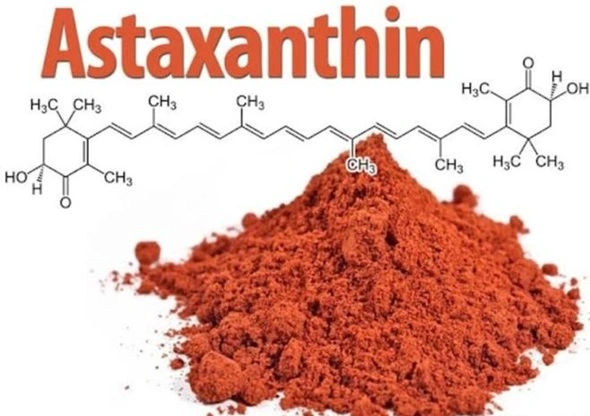
Introduction: Why Astaxanthin Is Capturing the Eye Health Market
The world market for eye health supplements is expected to reach $2.1 billion by 2027. This is because people are living longer and spending more time in front of screens. As this field grows, natural astaxanthin has become a unique active ingredient that meets the needs of consumers who want clean-label products backed by science.
Knowing the special features of astaxanthin from Haematococcus pluvialis gives B2B sourcing managers and product development teams an edge in the market. Unlike manufactured versions, natural astaxanthin has the (3S,3'S) stereoisomer configuration, which studies have shown to have better molecular function in eye tissues. This difference is important when making high-end formulas that need to be proven to work and have clear evidence about where the ingredients came from.
The regulatory settings in North America and Europe are favouring plant ingredients with well-established safety ratings and clinical validation more and more. Astaxanthin meets these requirements and can be delivered in a variety of ways, including as a powder or an oil. Because the active ingredients are available in two different formats, brands can target a wide range of product categories, from softgel pills to functional drinks, without affecting the effectiveness of the ingredients.
Market research shows that people are actively looking for eye health products with astaxanthin, especially ones that protect against blue light and ease the strain on the eyes from using digital devices. This customer knowledge opens up instant business possibilities for brands that can find trustworthy, high-quality supply lines. The parts that follow give buying teams basic information and sourcing tips on how to make the most of this growing market area.
Understanding Astaxanthin: Powder vs. Oil and Their Eye Health Benefits
The Science Behind Astaxanthin's Ocular Protection
Astaxanthin Powder And Oil is a type of carotenoids that help break down singlet oxygen at much higher rates than other carotenoids. It can fully cross cellular membranes because its molecules are made up of conjugated double bonds, hydroxyl groups, and keto groups. Astaxanthin can protect both the fatty inner and the watery surface of retinal cells at the same time because of its unique location.
When comparing forms, it's important to know what the standard information is. Astaxanthin from Haematococcus pluvialis is mostly found in esterified forms, which may make it more stable during digestion and absorption, according to a study. The way the product is extracted has a direct effect on its bioactive profile. For example, supercritical CO2 extraction keeps the natural ester structure without leaving behind any solvent leftovers, which is an important thing for quality assurance teams to think about when they check that suppliers are following the rules.
Distinguishing Powder and Oil Formats for Eye Health Applications
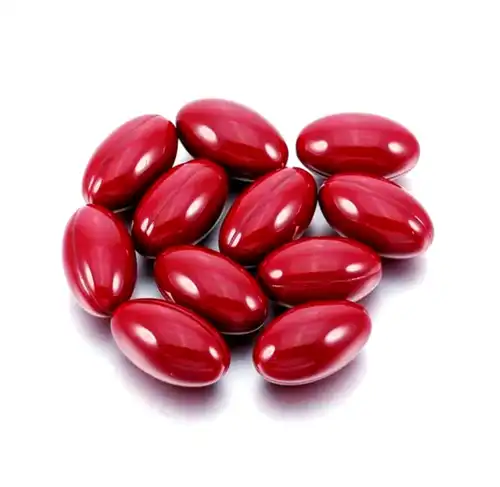
The oil form usually looks like a thick, dark red oleoresin that has a total astaxanthin content of between 5% and 20%, as shown by HPLC tests. Because of this concentration range, oil forms work well for softgel packaging, where medicinal doses need to be delivered in small amounts. Astaxanthin oil is lipophilic, which means it mixes well with other fat-soluble nutrients like vitamin E and omega-3 fatty acids. This makes products that work better together and help the body absorb more.
Different types of powder can be used for different formulations. Microencapsulated beadlets use starch or gelatin as a matrix to keep the carotenoid core from oxidising while still letting it mix with cold water. This technology addresses a fundamental challenge: astaxanthin's inherent hydrophobicity limits its use in beverage applications without sophisticated delivery systems. Now that there are cold-water dispersible (CWD) types of this ingredient, it can be used in healthy drinks and ready-to-mix powders that are meant to improve eye health.
How Antioxidant Activity Translates to Vision Support
In the human body, the eye is one of the most metabolically active organs. It uses oxygen at a rate that creates a lot of free radicals. Light, especially the high-energy blue colours that come from digital screens, is always a problem for photoreceptor cells because it causes them to lose electrons. Because it can pass through the blood-retinal barrier, astaxanthin is one of the few food antioxidants that can directly protect these cells.
Studies that measure critical flicker fusion frequency—a reliable indicator of how fast the brain processes visual information—show that taking astaxanthin supplements leads to measurable gains. People who took 6–12 mg of vitamin every day had better contrast perception and shorter adjustment times than people who took a fake. These changes that make things work better directly translate into perks for customers that brands can talk about in education efforts.
Comparison and Decision-Making: Astaxanthin Powder vs Oil for Eye Health Applications
Bioavailability Considerations for Maximum Efficacy
No matter how potent Astaxanthin Powder and Oil are, health results depend on how well it is absorbed. Astaxanthin oil is usually more bioavailable in human studies because it comes already dissolved in fatty carriers. When eaten with fat, oil-based astaxanthin doesn't need much processing by the digestive system before it can be absorbed through lymphatic routes in the intestines.
Powder forms need different things to be considered. Standard dried algae material doesn't release astaxanthin until the cell wall is broken down during processing. This can make it harder for the body to absorb. However, newer microencapsulation technologies now make it possible for absorption profiles that are similar to oil. This is made possible by nano-emulsion layers that make it easy for the substance to spread quickly in the digestive system.
Benchmarking Against Traditional Vision Support Ingredients
When compared to well-known eye health ingredients, astaxanthin has clear benefits. Omega-3 fatty acids (EPA and DHA) in fish oil help keep the structure of the eye in good shape. Astaxanthin, on the other hand, protects against lipid breakdown as an antioxidant. Astaxanthin is found naturally in krill oil, but the amounts are usually lower than 0.5%. This means that you need to take a lot more of it to get the same medicinal doses as with concentrated astaxanthin pills.
Lutein and zeaxanthin are two pigments that compete directly with each other for the place of eye health. There is clinical proof for both types of ingredients, but astaxanthin has more anti-inflammatory activity and a better ability to stop singlet oxygen from forming. Combination formulas that contain astaxanthin, lutein, and zeaxanthin offer complete protection for the eyes against a number of damaging processes.
Organic Certification and Synthetic Source Considerations
Source openness has a direct effect on how a brand is positioned and how well it follows the rules. Natural astaxanthin that comes from growing algae can be certified as organic if the production takes the right steps. These certificates (USDA Organic, EU Organic) help with marketing and are in line with what customers want: plant-based products that are sustainable.
Petrochemical methods are used to make synthetic astaxanthin, which is cheaper but worries brands that care about quality. Instead of the naturally occurring 3S,3'S configuration, the manufactured form has a racemic mix of stereoisomers. While manmade astaxanthin is legal for use in fish feed, it is hard to get approval for use in food supplements because people are sceptical of it.
Procurement Insights: Sourcing High-Quality Astaxanthin Powder and Oil for B2B Clients
Identifying Reliable Suppliers and Source Geographies
The world astaxanthin supply chain is based on specialised microalgae farms that can control the natural factors that encourage the growth of carotenoids. Leading production areas include Hawaii, the Pacific Northwest of the United States, Israel, and India. Each has its own benefits when it comes to temperature stability, government control, and production scale.
When buying managers look at possible providers, they should make sure that they have several important skills. Expertise in cultivation is important because the amount of astaxanthin in Haematococcus pluvialis changes a lot depending on the strain chosen, the time of stress onset, and the harvesting methods used. Suppliers who have their own algae types and recorded ways of growing them usually have more stable strength from batch to batch.
Understanding MOQ, Pricing Structures, and Bulk Purchasing Strategies
Minimum order amounts are based on how much it costs to make something and how to handle stockpiles. For normal specs, established providers usually set business MOQs at 25 kg. However, many are willing to take smaller trial orders starting at sample amounts (100g–1 kg) to help with product development. This freedom is helpful for new brands that want to try out different formulas before committing to mass production.
The price of pure astaxanthin is directly related to its quantity and shape. Oil that is standardised to 10% astaxanthin usually costs 40–60% more per kilogram than 2% powder, but it has the same amount of active ingredient but is mixed in at a lower rate. Figuring out the cost-per-milligram of astaxanthin content makes it possible to make fair price comparisons between forms.
Certification Requirements and Quality Assurance Protocols
Supplier approvals that show manufacturing quality systems are the first step in following the rules. The following qualifications are the minimum requirements for astaxanthin providers in the food supplement business that want to be taken seriously. ISO 9001 certification checks that quality management systems cover the whole production process. FSSC 22000 certification, on the other hand, only talks about managing food safety throughout the supply chain. GMP (Good Manufacturing Practices) approval makes sure that facilities follow rules for keeping products clean and keeping records on each batch. Organic approvals from the USDA and the EU prove that farming methods that don't use manmade fertilisers or herbicides are viable. With KOSHER and HALAL approvals, more goods that meet religious nutritional needs can be sold in more stores. These licenses are the basis for following the rules, but buying teams should also ask for paperwork that is unique to each batch.
Private Label and Custom Formulation Opportunities
The market for eye health supplements likes it when products are unique. Private label agreements let brands make their own formulas without having to spend a lot of money on production equipment. Many companies that sell astaxanthin can also make finished products, like softgel packaging. This means that purchasing teams can get both raw materials and finished goods from the same company.
Custom preparation services are more than just private labelling. Expert providers keep application labs filled with formulation scientists who help with blending, finding the best ingredient ratios for synergistic effects, and testing for safety in drink, candy, pill, and skin care forms. This expert help cuts down on the risks of reformulation and speeds up the process of making new products.
How to Use Astaxanthin Powder and Oil for Optimal Eye and Vision Health Results
Clinical Dosing Guidelines and Safety Profiles
Human clinical trials investigating astaxanthin for eye health typically employ doses ranging from 4 mg to 12 mg daily. Studies demonstrating measurable improvements in visual acuity, accommodation speed, and eye fatigue reduction most commonly use 6mg as the daily therapeutic dose administered over 4-12 week periods.
Safety data spanning decades of use establish astaxanthin as remarkably well-tolerated. Toxicology studies show no adverse effects at doses up to 465mg daily in rodent models, translating to generous safety margins for human consumption. The FDA acknowledges astaxanthin as safe when used according to established guidelines, and no significant drug interactions have been documented in clinical literature.
Integration Strategies for Supplement and Functional Food Products
Formulating with Natural Astaxanthin Supplement oil suits softgel capsule applications exceptionally well. The pre-dissolved format eliminates concerns about particle dispersion or settling, and the lipid carrier enhances absorption without requiring additional excipients. Typical softgel formulations incorporate 5-10% astaxanthin oil alongside complementary ingredients like vitamin E (as a natural preservative) and medium-chain triglycerides.
Powder formats expand application possibilities into tablets, hard capsules, beverages, and gummy formulations. When working with standard astaxanthin powder, tablet formulations benefit from direct compression grades that include flow agents and appropriate binders. Beverage applications require cold water dispersible technology—attempting to incorporate standard powder into aqueous systems results in poor colour stability and ingredient separation.
Synergistic Ingredient Combinations for Enhanced Efficacy
Strategic nutrient pairing amplifies astaxanthin's eye health benefits through complementary mechanisms. Combining astaxanthin with lutein (10- 20 mg) and zeaxanthin (2- 4 mg) addresses multiple carotenoid receptors in macular tissue, providing comprehensive blue light filtration and antioxidant protection. This trio appears frequently in premium eye health formulations supported by clinical research.
Omega-3 fatty acids from fish or algae oil contribute structural components for retinal cell membranes while astaxanthin protects these lipids from oxidative damage. Formulations combining 1000mg omega-3 with 6mg astaxanthin deliver both building blocks and protective antioxidants in a single serving.
Education Strategies and Quality Positioning
Consumer understanding directly impacts product success. Eye health represents a preventive category where benefits accumulate gradually rather than delivering immediate perceptible effects. Brands succeeding in this space invest in customer education explaining the scientific mechanisms linking oxidative stress to vision decline and astaxanthin's protective role.
Content marketing strategies might include educational blog posts explaining macular pigment density, infographics visualising astaxanthin's blood-retinal barrier crossing ability, and comparison charts differentiating natural versus synthetic sources. This educational approach builds brand authority while helping consumers appreciate quality differences that justify premium pricing.
Case Studies and Industry Applications: Successful Use of Astaxanthin in Eye Health Products
Leading Brands and Product Launch Successes
Several established supplement brands have built significant market share around astaxanthin-centred eye health formulations. These products typically position astaxanthin as the signature ingredient, highlighting its unique ability to cross the blood-retinal barrier and deliver direct ocular antioxidant protection.
A prominent Nordic supplement brand launched a targeted eye health softgel combining 8mg natural astaxanthin with 10mg lutein and 2mg zeaxanthin. The product line achieved 40% year-over-year growth by focusing marketing on digital eye strain—a consumer pain point intensified by increased screen time during remote work transitions. Clinical validation studies commissioned by the brand demonstrated measurable improvements in critical flicker fusion frequency after eight weeks of supplementation, providing substantiation for advertising claims.
Supply Chain Integration from Raw Material to Finished Product
Successful eye health brands optimise their supply chains through strategic supplier partnerships that extend beyond simple raw material transactions. Vertical integration examples demonstrate how procurement strategy impacts product quality and market positioning.
A US-based supplement manufacturer established a long-term supply agreement with an astaxanthin producer maintaining cultivation facilities, extraction capabilities, and softgel manufacturing under unified quality management. This integration enabled complete traceability from algae strain selection through finished product release testing. When regulatory inquiries arose regarding carotenoid content claims, the manufacturer provided comprehensive documentation spanning the entire production chain, demonstrating compliance and building regulatory confidence.
Clinical Validation and Market Impact Data
Investment in clinical research generates substantial returns through enhanced credibility and differentiated marketing claims. Brands commissioning human clinical trials evaluating their specific astaxanthin formulations gain exclusive rights to study results, creating barriers competitors cannot easily replicate.
One supplement brand sponsored a 12-week randomised controlled trial measuring astaxanthin's effects on visual display terminal workers experiencing eye fatigue. The study enrolled 40 participants receiving either 6mg daily astaxanthin or placebo, measuring accommodation amplitude, critical flicker fusion frequency, and subjective fatigue scores. Results showed statistically significant improvements across all parameters in the astaxanthin group, with effect sizes sufficient to support structure-function claims.
Conclusion
Astaxanthin powder and oil deliver proven eye health benefits through well-documented antioxidant mechanisms that protect retinal tissues from oxidative damage. For B2B procurement professionals, the ingredient represents a strategic opportunity to develop competitive products aligned with growing consumer awareness of vision health. Success requires careful supplier selection emphasising quality certifications, transparent testing documentation, and technical formulation support. The dual format availability—oil for softgels and powder for diverse applications—provides formulation flexibility across product categories. Market evidence confirms that brands investing in natural astaxanthin from Haematococcus pluvialis, supported by clinical validation and consumer education, achieve premium positioning and sustainable growth in the expanding eye health supplement market.
FAQ
What is the recommended daily dosage of astaxanthin for eye health?
Clinical studies demonstrating eye health benefits typically use 4- 12 mg daily, with 6mg representing the most common therapeutic dose. This amount shows measurable improvements in visual acuity, reduced eye fatigue, and enhanced accommodation speed when taken consistently over 4-12 weeks.
Does astaxanthin powder or oil work better for vision support?
Both formats deliver equivalent benefits when properly formulated. Oil-based astaxanthin shows higher bioavailability in most studies due to its pre-dissolved lipid-soluble state. However, advanced microencapsulated powder technologies now achieve comparable absorption profiles. Format selection depends primarily on your product application—softgels favour oil, while tablets and beverages benefit from powder specifications.
How can I verify astaxanthin quality from potential suppliers?
Request comprehensive Certificates of Analysis showing HPLC-verified potency, microbiological testing, heavy metal screening, and pesticide residue analysis. Quality suppliers provide batch-specific documentation, maintain certifications like ISO 9001 and FSSC 22000, and offer samples for independent third-party verification. Look for suppliers with complete traceability from algae cultivation through final extraction.
Can astaxanthin be combined with other eye health ingredients?
Astaxanthin combines synergistically with lutein, zeaxanthin, omega-3 fatty acids, and vitamin A. These combinations address multiple pathways supporting vision health—carotenoid combinations protect macular tissue, while omega-3s provide structural support and astaxanthin delivers antioxidant protection. Formulation expertise helps optimise ratios for maximum efficacy.
Partner with KH: Your Trusted Astaxanthin Powder and Oil Supplier
Kingherbs Limited delivers pharmaceutical-grade astaxanthin derived from Haematococcus pluvialis through our controlled cultivation partnerships and pure extraction technologies. Since 1996, we have specialised in botanical ingredients meeting the demanding requirements of dietary supplement brands, nutraceutical manufacturers, and cosmetic formulators throughout North America and Europe.
Our astaxanthin specifications range from 1% to 96% potency, verified through HPLC testing and supported by comprehensive batch documentation. We maintain ready stock for prompt shipment, with sample orders available for formulation development and commercial MOQs starting at 25kg. All products carry ISO9001, FSSC22000, KOSHER, HALAL, and HACCP certifications, ensuring regulatory compliance across global markets.
Procurement managers benefit from our technical application support, providing formulation guidance for softgels, tablets, beverages, and functional foods. Our extraction process utilises only pure water or food-grade ethanol, eliminating harmful solvent residues that compromise ingredient purity. We offer both powder and oil formats with customizable specifications tailored to your product requirements.
Contact our team at info@kingherbs.com to request samples, detailed technical specifications, and pricing for bulk astaxanthin powder and oil orders. As an experienced manufacturer and supplier, we provide the quality assurance documentation and technical partnership your brand needs to succeed in competitive eye health markets. Visit www.kingherbs.com to explore our complete range of botanical ingredients and discover why leading brands trust Kingherbs for their critical raw material needs.
References
1. Tominaga K, Hongo N, et al. "Cosmetic benefits of astaxanthin on human subjects: Clinical evaluation and comparison with other nutraceutical supplements." Journal of Clinical Biochemistry and Nutrition, 2017; 61(3):185-191.
2. Nakamura A, Isobe R, et al. "Changes in visual function following peroral astaxanthin supplementation." Japanese Journal of Clinical Ophthalmology, 2004; 58(6):1051-1054.
3. Saito M, Yoshida K, et al. "Effects of astaxanthin on accommodation and asthenopia in visual display terminal workers." Journal of Traditional Medicines, 2005; 22(1):6-10.
4. Iwasaki T, Tawara A. "Effects of astaxanthin on eyestrain induced by accommodative dysfunction." Journal of Eye, 2006; 23(6):829-834.
5. Nagaki Y, Hayasaka S, et al. "Effects of astaxanthin on accommodation, critical flicker fusion, and pattern visual evoked potential in visual display terminal workers." Journal of Traditional Medicines, 2002; 19(5):170-173.
6. Parisi V, Tedeschi M, et al. "Carotenoids and antioxidants in age-related maculopathy: Design implications for clinical trials." Nutrition Reviews, 2008; 66(8):465-472.
Send Inquiry

Related Industry Knowledge
- How Pure Should High-Quality Angelica Officinalis Extract Be?
- Can Bitter Melon Extract Powder improve blood sugar?
- Mulberry Leaf Extract Powder for Skin Health: Any Benefits?
- Apple Root Extract Properties and Active Compounds
- Valerian Root Extract Powder in Functional Wellness Products
- How Is Watermelon Powder Processed for Max Potency?
- Does Couch Grass Rhizome Extract Help With UTIs?
- Purple Sweet Potato Extract for High-Value Antioxidant Formulas
- How Lespedeza Capitata Extract Supports Renal Filtration?
- What Does A Mulberry Leaf Look Like?