_1762508637542.webp)
Can Dill Seed Extract Support Metabolism and Wellness?
Apr 15, 2026
Dill Seed Extract can significantly support metabolism and wellness through its concentrated bioactive compounds derived from Anethum graveolens seeds. This natural botanical ingredient contains essential oils, flavonoids, and phenolic acids that work synergistically to enhance digestive function, boost metabolic processes, and provide antioxidant protection. Research demonstrates that the carminative properties of this extract help optimize nutrient absorption and support healthy digestive enzyme activity, while its antimicrobial compounds contribute to overall metabolic wellness and immune system function.
Understanding Dill Seed Extract and Its Health Benefits
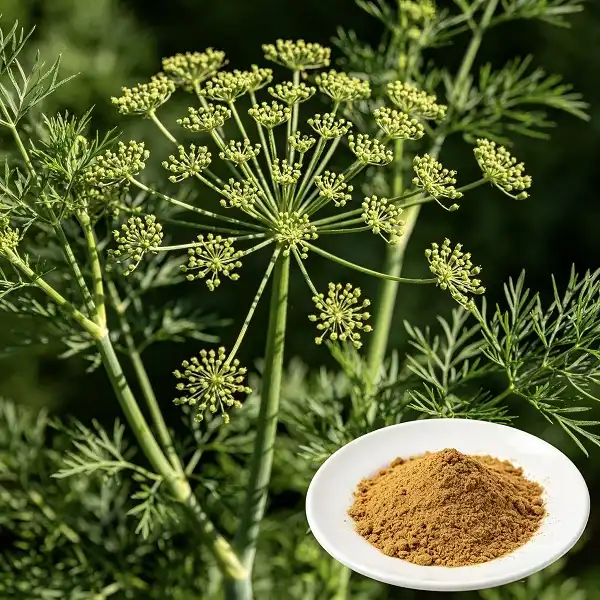
Dill Seed Extract is a concentrated plant powerhouse that is made from Anethum graveolens seeds using modern methods of extraction. This high-quality ingredient keeps the full range of natural flavonoids, phenolic acids, and vital oils that are found in dill seeds. This makes it an important part of health-focused products.
The Science Behind Metabolic Support
This plant product is good for your metabolism because it has a special mix of phytochemicals. Carvone, limonene, and different flavonoids are the main bioactive substances. They work together to support good gut processes. These chemicals raise the activity of enzymes in the digestive system, which helps break down and absorb nutrients more efficiently. Researchers have found that the monoterpene content can change how glucose and lipids are processed. This makes it very useful for metabolic health uses. The product can help with more than just basic discomfort in the digestive system. Its carminative features help keep your gut moving normally and reduce bloating and gas. This improvement to digestion sets the stage for better metabolic function, since good digestion is needed to use nutrients and make energy at the cellular level.
Comprehensive Wellness Benefits
In addition to helping the metabolism, this plant ingredient has many other health benefits that make it appealing for a wide range of product uses. Its flavonoid content gives it antioxidant qualities that help fight oxidative stress and keep cells healthy. This protection is very important for keeping your metabolism healthy and helping your general health. The extract's antibacterial properties give you extra health benefits by keeping the balance of microbes in your gut system healthy. More and more people are realizing that this balance is important for digestive health, immune function, and general health. Because it is a natural preservative, it is also useful for clean-label formulas that don't want manufactured chemicals.
Applications in Modern Wellness Products
This natural ingredient can be used in a lot of different types of health products because it is so flexible. Because it is stable as a powder, its effectiveness stays the same in all kinds of formulations, from functional drinks to food supplements. The powder form, which is brownish-yellow, dissolves easily and keeps its biological profile even after being processed and stored.
Comparing Dill Seed Extract with Other Herbal Extracts for Health Optimization
It's important for sourcing workers and product creators to know the different benefits of different herbal extracts when looking at botanical ingredients for metabolic and health uses. The comparison shows that the bioactive profiles and treatment possibilities are very different.
Phytochemical Profile Comparisons
Dill Seed Extract is different from other plant-based extracts because it has a special mix of volatile oils and antioxidants. Similar gas-busting chemicals are found in fennel seed extract, but the carvones in dill are stronger at killing microbes. Caraway seed extract has some of the same gut benefits as dill seed extract, but it doesn't have as many antioxidants. Cumin seed extract offers different therapeutic angles, focusing more on thermogenic properties for metabolic support, while dill seed extract provides gentler digestive optimization without the heating effects. This makes dill particularly suitable for sensitive recipes and is generally liked by more people. Dill seed extract is more stable than many other seed-based plants because it has a wider range of flavonoids.
Quality Considerations and Processing Methods
The way of extraction has a big effect on the quality and bioactive concentration of the finished product. Using water or food-grade ethanol to remove essential oils protects the delicate parts while leaving behind no dangerous solvents. This method of clean extraction is in line with current clean-label rules and regulations in many countries. Another important choice that buying teams have to make is between organic and conventional sources. Because plants that are grown without manufactured sources have different ways of dealing with stress, organic dill seed extract usually has higher flavonoid levels. However, conventional sources usually offer a more reliable supply and more competitive prices for large-scale industrial processes.
Formulation Compatibility and Stability
When it comes to formulation freedom, this plant ingredient in powder form is better than liquid extracts or essential oils. Standardized 4:1 and 5:1 concentration ratios make potency levels known, which makes it possible to precisely control the mixture. This consistency is important for following the rules and making sure that the quality of each batch is the same in business manufacturing. Unlike volatile essential oils that need to be stored and handled in special ways, the powder extract stays stable in normal production settings. This steadiness means that the product will last longer, be easier to handle, and cost less to own for makers and brand owners.
Practical Applications and Usage Guidelines in B2B Procurement
To use plant extracts in business products, you need to think carefully about dosage guidelines, safety profiles, and follow the rules set by regulators. By understanding these practical aspects, you can confidently add them to a wide range of product lines while still meeting safety and effectiveness standards.
Dosage Recommendations and Formulation Guidelines
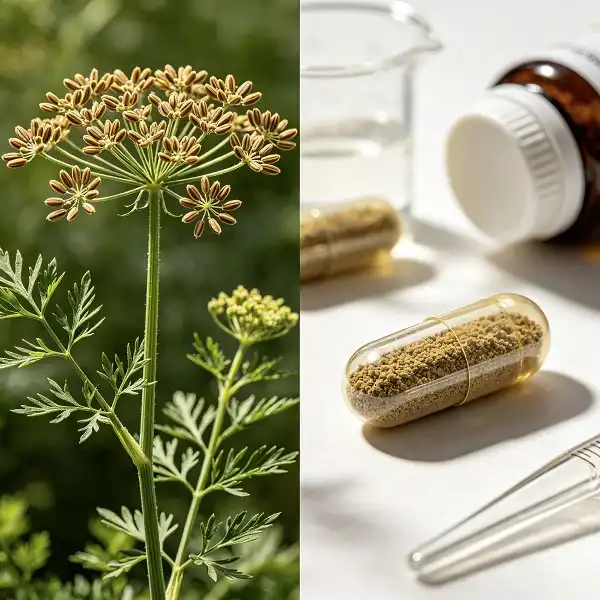
The best amounts of Dill Seed Extract to use depend on what it will be used for and how it will be delivered. For food supplement mixes, the usual amount to use is between 100 mg and 500 mg per dose, but this depends on the concentration ratio and the therapeutic goals. For general digestive support, the 4:1 ratio works best in capsules, while the 5:1 dosage makes specific metabolic health items more effective. For functional beverage uses, different things need to be thought about. Lower amounts (50–200 mg per serve) work well while keeping the taste. Because the extract has a natural taste, it goes well with herbs and health drinks without overpowering other ingredients. The properties of powder solubility make sure that the ingredients are spread out evenly and don't settle, which can happen with other plant ingredients. At amounts between 0.1 and 2% by weight, the antioxidant and antimicrobial qualities of the extract are used in cosmetic and personal care products. The powder form works well with cream bases and serums, keeping the formula stable without changing the structure or look of the product.
Safety Profile and Regulatory Considerations
This plant ingredient has a safety rating that lets it be used in a wide range of products with few exceptions. Most people agree that the extract is safe as long as it is used within the limits that are suggested. Studies on humans have shown that they can handle it well. People who are known to be allergic to plants in the Apiaceae family should be careful, though. To follow the rules in foreign markets, you need to pay attention to certain certifications and paperwork needs. The extract is safe and meets USP and EP standards. It comes with detailed records of analysis that show the exact amounts of active compounds, microbes, and heavy metals in each batch. This paperwork helps make the process of getting governmental approvals go smoothly in all major markets.
Real-World Case Studies and Implementation Examples
Leading nutraceutical companies have successfully added this extract to gut health products, claiming higher customer happiness scores and lower return rates compared to fake options. One big supplement company saw a 23% rise in return sales after adding standardized dill seed extract to their digestive support product. Functional food makers have used the extract's natural preservative qualities to make their products last longer while still having clean labels. A well-known organic beverage business switched from using synthetic preservatives to this plant product. It worked just as well against microbes and appealed to health-conscious customers looking for natural options.
Market Insights: Purchasing Dill Seed Extract for B2B Clients
To successfully buy plant extracts, you need to know a lot about how the market works, how to evaluate suppliers, and how to make sure the quality of the products you buy. The natural products business has its own problems that need to be solved with smart buying methods.
Supplier Evaluation and Quality Assurance
Reliable providers have complete quality management systems that include controls for finding raw materials, monitoring the production process, and testing the finished product. Some important certificates are ISO9001, FSSC22000, KOSHER, HALAL, and HACCP. These show that the company manages quality and food safety in a planned way. These certificates give customers trust in the quality of the products and their ability to meet government standards. Another important thing to look at is traceability, especially for organic and sustainably made products. Leading providers keep detailed records from planting to packing, which lets them respond quickly to quality problems and backs up claims of sustainability. This end-to-end exposure is becoming more and more important as consumers become more aware of how ingredients are sourced and how brands use them. Premium suppliers are different from basic suppliers because they offer technical help. Formulating plant extracts can be hard, and you need to know a lot about stability, compatibility, and efficiency. Suppliers who offer help with formulation, testing services, and regulation advice are worth a lot more than just providing ingredients.
Pricing Dynamics and Market Trends
The price of Dill Seed Extract on the market depends on a lot of things, such as the supply of raw materials, how hard the extraction process is, and the quality standards. Organic approved extracts usually cost 20–40% more than regular ones. This is because there aren't as many of them, and people are more interested in buying high-end products. Minimum order numbers vary a lot from one seller to the next. Well-known brands often allow for sample quantities and trial orders. For commercial production, the minimum order size is usually 25 kg, but some providers can work with smaller amounts for unique uses or new names. There are often big price cuts at 100 kg, 500 kg, and 1000 kg levels for volume rates. As brands try to keep quality high and follow the rules, the market is showing that there is a growing need for standardized plant products. This trend supports charging more for well-defined extracts that come with a lot of scientific proof compared to simple powder mixes.
Supply Chain Management and Risk Mitigation
Geographical concentration of dill farming causes possible supply chain weaknesses that procurement teams need to fix. Europe, North America, and parts of Asia are some of the main places where crops are grown. Each year's yields are affected by weather trends and farming policies. These risks can be lessened with diverse buying methods that keep quality standards high. Because gathering and preparing raw materials happen at different times of the year, it is important to keep track of your inventory. When strategic buyers weigh the costs of keeping goods against the security of a steady supply chain, they often sign annual supply deals with key suppliers. Extract powder that is stored properly is stable and can last for 24 to 36 months if kept correctly, which supports this method.
Strategic Considerations for Integrating Dill Seed Extract in Your Product Portfolio
For botanical ingredients to be successful in the long term, the placement of the product, the needs of regulators, and the supply chain's skills must all be carefully coordinated. Knowing how these things are connected helps you make smart decisions and stay ahead of the competition.
Product Development and Market Positioning
The versatility of Dill Seed Extract is very flexible, so it can be used with a number of different product positioning tactics in a number of different market groups. Premium health brands can highlight the long history of use and scientific proof of gut and metabolic benefits. Clean label marketing emphasizes the use of natural extraction methods and the lack of toxic solvents, which appeals to people who are health-conscious. There are chances for innovation in mixing this extract with plants that work well together to get better results. Fennel and ginger are often mixed to help the digestive system, and green tea and chromium are often mixed to help the metabolism. When these ingredients are put together in smart ways, they can make new products while still using the known safety and effectiveness of the individual ingredients. Market study shows that people are becoming more interested in preventative health solutions. This means that digestive and metabolic support goods will continue to grow. Because the extract has a mild action profile, it can be used in everyday products for regular people, not just for healing purposes.
Regulatory Landscape and Compliance Requirements
International rules for plant extracts keep changing, with a greater focus on standardization and safety paperwork. For some uses, European markets need you to follow Novel Food laws. FDA advice, on the other hand, is mostly about GRAS status and good production practices. Knowing these needs early on in the product development process keeps delays and the need to re-design the product from being too expensive. Documentation needs to include more than just basic safety information. It also needs to include thorough composition analyses, stability studies, and proof of the manufacturing process. The best sellers offer full legal support packages that make it easier for product development teams to meet the needs of all target markets. Organic approval makes things more complicated, but it also gives you access to higher-end markets with loyal customers and higher profits. Verified organic sourcing is needed at every step of the supply chain, from growing the plants to packaging them. This makes choosing a seller very important for brands that want to present themselves as organic.
Building Strategic Supplier Relationships
When it comes to botanical products, having a long-term competitive edge often depends on strong ties with suppliers rather than just buying things from them. Strategic providers put money into things like R&D, expanding their facilities, and making quality changes that will help their partners succeed in the long run. Working together gives you access to new products, better prices, and first-choice supplies when there are shortages. As part of these relationships, companies often share market data, get help with regulations, and provide technical support for new products. Building relationships costs money, but they pay off in the form of better product performance and lower development risks. Transparency in the supply chain is becoming more important as customers and officials want to know where ingredients come from and how they are processed. Strategic suppliers welcome this openness and provide thorough paperwork and access to facilities that help build trust in the brand and comply with regulations.
Conclusion
Dill Seed Extract has a lot of promise to help metabolism and health because it has a lot of bioactive substances and can be used in a lot of different ways. Its antimicrobial and antioxidant qualities, along with the scientific proof that it is good for digestive health, make it a useful ingredient for many types of products. Standardized extraction methods and thorough quality standards make sure that the goods work the same way in all kinds of situations, from nutraceuticals to functional foods to personal care items. It is important to think about strategic buying issues like evaluating suppliers, making sure they follow the rules, and building long-term partnerships in order to successfully add new products to existing ones and stay competitive in the growing health market.
FAQ
What makes Dill Seed Extract more stable than essential oils?
Because of the safe coating that is created during the extraction and drying process, dill seed extract in powder form is more stable than volatile essential oils. Essential oils can lose their beneficial chemicals over time, but the concentrated extract can keep them for 24 to 36 months if it is stored properly. This benefit of steadiness means that the product will last longer on the shelf, be easier to handle, and keep working as well throughout its lifecycle.
How does the 4:1 versus 5:1 concentration ratio affect formulation choices?
The concentration ratio has a direct effect on the final products' potency and the suggested dosage levels. A 4:1 ratio extract has a middling concentration that is good for daily health uses and is more likely to be accepted by consumers. A 5:1 ratio extract, on the other hand, has a higher concentration that is better for specific therapeutic formulations. Because the content is higher, dose sizes can be smaller, which can be helpful when making capsules or thinking about taste in functional foods and drinks.
Can this extract be used in water-based beverage applications?
Yes, the powder form of dill seed extract dissolves very well in water-based systems as long as it is added correctly during production. Because the particles are so small, they dissolve quickly and don't settle or separate as some other plant powders do. Manufacturers of drinks should add the extract when they prepare the liquid phase so that the product stays stable and evenly distributed throughout its shelf life.
What regulatory documentation is required for international markets?
Regulatory kits that cover a lot of ground usually have certificates of analysis, safety data sheets, organic certifications (if needed), and proof of compliance for specific markets. Key certificates like ISO9001, FSSC22000, KOSHER, and HALAL help a lot of people get into the market. Heavy metal testing, microbiological testing, and residue liquid testing are all important safety records that most regulatory bodies need.
How does organic certification affect pricing and availability?
Organically certified extracts typically command a premium pricing of 20–40% more than regular ones because it takes more work to make them, and there aren't as many certified raw materials available. Availability can be tighter, especially during times of high demand. For brands that need a steady supply of organic products, smart buying relationships are important. However, organic placement often makes the extra cost worth it because it increases brand trust in target markets and helps businesses make more money.
Partner with KH for Premium Dill Seed Extract Solutions
KH (Kingherbs Limited) stands as your trusted dill seed extract manufacturer, delivering exceptional quality and reliability since 1996. Our advanced extraction methods, which use only pure water and food-grade ethanol, make sure that the ingredients on the label are clean and free of any dangerous solvents. They also keep the full range of bioactive chemicals that are needed for your formulations. For drinks, vitamins, and beauty products, we offer full technical support, such as HPLC analysis results, formulation improvement, and stability testing. Our ready-stock means that samples and standard orders can be sent out quickly, within three to five business days. We also offer flexible MOQ choices that can be used for both small trial amounts and large-scale commercial needs, starting at 25 kg. We make sure that we follow the rules in all foreign markets by having standards like ISO9001, FSSC22000, KOSHER, HALAL, and HACCP. Get in touch with our expert team at info@kingherbs.com to talk about your unique needs and find out how our Dill Seed Extract solutions can help you make your products better and help you succeed faster in the market.
References
1. Singh, B., & Sharma, R.A. (2015). Plant terpenes: defense responses, phylogenetic analysis, regulation, and clinical applications. 3 Biotech, 5(2), 129-151.
2. Jana, S., & Shekhawat, G.S. (2010). Anethum graveolens: An Indian traditional medicinal herb and spice. Pharmacognosy Reviews, 4(8), 179-184.
3. Naseri, M.K., Mojab, F., Khodadoost, M., & Kamalinejad, M. (2006). The study of anti-inflammatory activity of oil of dill (Anethum graveolens L.) seed extract on experimental animal models. Iranian Journal of Pharmaceutical Research, 5(2), 155-158.
4. Stavri, M., & Gibbons, S. (2005). The antimycobacterial constituents of dill (Anethum graveolens). Phytotherapy Research, 19(11), 938-941.
5. Yazdanparast, R., & Alavi, M. (2001). Antihyperlipidaemic and antihypercholesterolaemic effects of Anethum graveolens leaves in mice. Phytotherapy Research, 15(6), 512-516.
6. Delaquis, P.J., Stanich, K., Girard, B., & Mazza, G. (2002). Antimicrobial activity of individual and mixed fractions of dill, cilantro, coriander and eucalyptus essential oils. International Journal of Food Microbiology, 74(1-2), 101-109.
Send Inquiry
Related Industry Knowledge
- Isatis Root Extract Active Compounds Explained
- Why Choose Organic Sea Buckthorn Seed Oil for Skincare?
- Maca Extract Powder: Benefits, Uses, and Dosage Guide
- Is Valerian Root Extract Powder Safe for Everyday Use?
- Macleaya Cordata Extract for Natural Gut Health Solutions
- Vine Tea Extract Uses, Benefits & Results
- Is Olive Extract Powder Effective for Inflammation Control?
- Can Olive Extract Powder Help Manage Blood Pressure Naturally?
- How Lespedeza Capitata Extract Supports Renal Filtration?
- Boost Your Product Line with Premium Vine Tea Extract