_1762508637542.webp)
Why Is Angelica Officinalis Extract a Premium Herbal Ingredient?
Jun 29, 2026
Because it has a concentrated biological profile, strict extraction standards, and a wide range of uses in medicines, nutraceuticals, and cosmetics, Angelica Officinalis Extract stands out as a premium plant ingredient. From the Latin name Angelica archangelica L. This fine, yellowish-brown powder comes from roots and has been shown to contain high amounts of coumarins, ferulic acid, and polysaccharides. These are substances that help the body's defences against free radicals, reduce inflammation, and support blood flow. Standardised strength ratios like 4:1 and 10:1, along with clean solvent-free extraction methods and batch-level paperwork that meets ISO9001, FSSC22000, and HACCP standards, are what set premium-grade extracts apart from cheap plants. All of these things make sure that it is consistent, safe, and follows all the rules, so quality-conscious formulators can trust it.
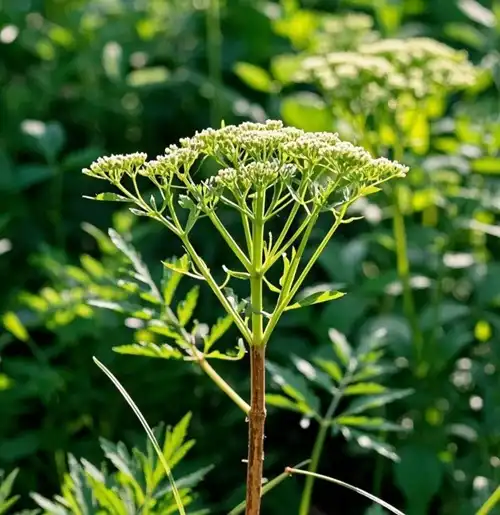
Understanding Angelica Officinalis Extract: Composition and Benefits
What Makes This Botanical Extract Unique?
Folk medicine in Europe has used these Angelica archangelica L. roots for hundreds of years because they warm, help digestion, and clear the lungs. Now that we have better ways to remove these healing chemicals, we can make a steady powder that can be kept for a long time. Furanocoumarins like angelicin and imperatorin are functional parts. Ferulic acid is a strong antioxidant, and sugars with a high molecular weight help to change the defence system. Root powders that have been ground up are 4 to 10 times less powerful than the concentrated liquids. In other words, they can be used in different ways and in exact amounts.
Key Health Benefits Backed by Traditional and Modern Use
Angelica root extract can be found in many different kinds of goods because it helps the body in many different ways. Because it is an antioxidant, it fights free radicals and keeps cells safe from damage caused by reactive stress and the environment. The anti-inflammatory ingredients make it popular in sensitive skin care products and gut health supplements because it naturally reduces inflammation both inside and outside the body. The main goal of traditional use has always been to support the circulatory system, especially for women's reproductive health, and to keep their hormones in check during their periods. Now that a new study has shown that it can be used in these ways, it looks even more like a useful plant ingredient.
Safety Considerations and Dosage Guidelines
There are many good things about this product, but it's important to think about safety when using it. Some people can become susceptible when it is sprayed straight because it has furanocoumarin in it. We need to make sure that goods are clearly marked and come with clear instructions on how to use them. People who are pregnant or who are taking blood thinners should not take the product without first talking to a doctor. Most vitamins should be taken in doses of 50 mg to 200 mg per day, but the exact amounts should depend on the product and the people who will be using it. For the safety of the buyer and the chance of healing, it's important to keep the right paperwork and follow the dose levels that have been suggested.
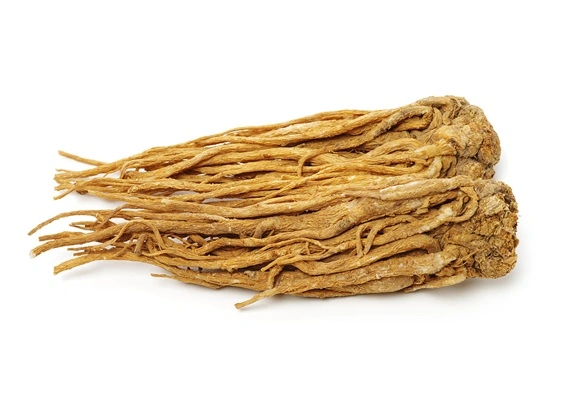
Comparing Angelica Officinalis Extract with Other Herbal Extracts
Angelica Officinalis vs. Angelica Sinensis: Understanding the Difference
Angelica Officinalis Extract and Angelica sinensis (Dong Quai) are often mixed up by procurement teams. Even though they are both in the Apiaceae family, their chemical makeup and medical uses are very different. The species found in Europe, A. archangelica, has more volatile oils and coumarins, which makes its antibacterial, stomach, and lung benefits stand out. The species from China, A. sinensis, has more ligustilide and ferulic acid derivatives, which help with blood flow and menstrual support. Angelica archangelica extract works better for formulas that need to support the immune system, improve gut health, or be used in cosmetics that need to kill germs. Understanding these differences helps keep formulation mistakes from happening and makes sure that finished goods do what they're supposed to do.
Organic vs. Conventional Sourcing: Quality and Regulatory Impact
The way of getting has a direct effect on the quality of the extract, compliance with regulations, and market positioning. Organic approval means that the food does not contain any manmade fertilisers or pesticides, which makes it appealing to clean-label brands and people who care about natural health. But organic farming needs to be able to be tracked from seed to harvest, which raises production costs but makes the brand more trustworthy. Conventional sources may be cheaper and easier to get, but they need to be tested carefully for heavy metals and herbicide residues to meet FDA and EU standards. When looking for providers, business-to-business buyers should see if they can provide full COA paperwork, HPLC chromatograms that show the amounts of active compounds, and certifications that meet the needs of the target market.
Specialty Extract Grades for Targeted Applications
Ratio extracts are not all used for the same thing. A 4:1 ratio extract has a middling quantity that is good for general health supplements and light skin creams. Higher strength is achieved with a 10:1 ratio, which is chosen for clinical-grade goods, pharmaceutical preparations, and high-end cosmetics that need smaller doses. Some sellers also offer standardised extracts that have been measured for particular markers, such as the amount of ferulic acid they contain. This makes the recipes even more consistent, which is important when dosage accuracy is directly linked to claims of effectiveness. Choosing the right grade relies on how the final product is positioned, what the label says, and how much it costs per dose.
Procurement Insights: Sourcing Premium Angelica Officinalis Extract
Evaluating Suppliers: Certifications and Manufacturing Standards
Qualifying suppliers is the first step in effective buying. The best producers keep a lot of different certificates, such as ISO9001 for quality management, FSSC22000 for food safety, and HACCP for risk assessment and key control points. More certificates, like KOSHER and HALAL, help goods that are aimed at certain groups of people reach a wider market. Along with the paperwork, you should visit the supplier's facilities, either online or in person, to check the extraction equipment, the cleanliness of the cleanrooms, and how the raw materials are stored. A trustworthy seller should be open about how they remove the product, whether it's with water, ethanol, or supercritical CO2, and they should show proof of tests for leftover solvents to make sure the product is pure enough for food use.
Understanding Pricing, MOQ, and Logistics
Plant extract prices change on the market depending on the supply of raw materials, the time of year when they are harvested, and how difficult the extraction is. Standardised angelica root extract costs between $25 and $60 per kilogram right now, but the exact price depends on the concentration ratio, the state of the certification, and the size of the order. For research and development (R&D) reasons, many makers are happy to take on small trial orders (100g to 5 kg). The standard business MOQ is 25 kg, and it comes in fibre drums with food-grade covers inside. Express delivery is an option for quick samples (3-5 days), plane freight is an option for medium-sized sales, and ocean shipping is an option for large purchases. To get a good idea of how cheap a provider is, you should add up all of its landing costs, such as taxes, storage, and quality testing.
Technical Support and Formulation Assistance
Besides providing ingredients, value-added services set special sellers apart from basic providers. Technical support teams should help with stability testing and help you figure out the best way to store finished goods and how long they should last. Application laboratories can give combining advice, such as suggesting ingredients that work well together to make vitamins more effective or better tasting. Some providers offer custom ratio development, which lets you make your own extraction specs that set your product apart in a market that's already very crowded. This way of working together turns suppliers into development partners, which speeds up time to market and lowers formulation risks.
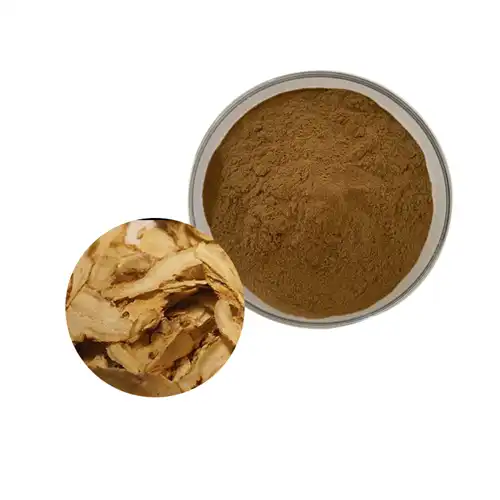
Why Angelica Officinalis Extract is a Preferred Ingredient in B2B Markets
Versatility Across Multiple Industry Segments
Angelica Officinalis Extract is in high demand in the pharmaceutical, nutrition, and cosmetics industries because it can be used in a lot of different ways. It is used by pharmaceutical companies to make goods that help with gut health, lung health, and traditional medicine. Nutraceutical companies use it to make health products for women, mixes that help with stress, and pills that support antioxidants. Cosmetic makers like how it brightens the skin, repairs damaged skin barriers, and naturally keeps things fresh in serums, creams, and after-sun care products. This draw across industries gives purchasing managers stable supply lines and better prices for large orders, while makers gain economies of scale across a wide range of customers.
Research Validation and Consumer Trust
The markets in North America and Europe want plant ingredients that are backed up by clinical studies and evidence of traditional use. Angelica root has been used in European plant medicine for a long time, which is solid proof. New studies on its antioxidant properties, anti-inflammatory effects, and stomach benefits add to this scientific authority. People are more likely to trust products with ingredients that have been backed up by study. This supports premium price tactics and brand loyalty. Marketing teams that are making training material and regulatory dossiers will find access to science books and standard works to be very useful.
Quality Assurance and Long-Term Supply Partnerships
Quality that doesn't change is still the most important thing in B2B interactions. Premium providers use strict quality control procedures, such as TLC and HPLC fingerprinting to prove the identity of the product, microbial tests to make sure there are no germs, and heavy metal screens to meet USP and EP limits. Each batch of production comes with a full Certificate of Analysis that lists the product's physical properties, active ingredient amounts, and contamination levels. Long-term supply deals with qualified makers make sure that products are always available, that prices stay stable, and that production gets priority during busy times. These relationships make it easier to predict demand and keep the supply chain running smoothly.
Practical Guidelines for Using Angelica Officinalis Extract in Product Development
Formulation Techniques for Different Product Formats
To make a good product with Angelica Root Extract, the extract needs to be changed to work with certain delivery methods. For pills and tablets, the fine powder form mixes easily with other plant ingredients and excipients, making sure that the ingredients are spread out evenly throughout the batch. Alcohol-based forms are better for tinctures and liquid extracts because they dissolve completely and keep the product fresh. For creams and serums that are put on the skin, emulsification methods are needed to keep the active compounds stable and stop them from separating. When making light-coloured makeup, the extract's natural yellowish-brown colour should be taken into account. The pigment may need to be changed, or the inclusion rate should be lowered.
Regulatory Compliance in Key Markets
The United States and the European Union have very different rules when it comes to regulations. Based on the label claims and how they are meant to be used, the FDA categorises plant extracts as either food supplements or cosmetic ingredients. Structure-function claims need to be backed up but don't need pre-market approval. On the other hand, disease treatment claims require drug classification. EU rules set by the EFSA are tougher when it comes to health claims, often needing specific clinical proof. Knowing these differences can help you avoid expensive re-formulations and delays in entering new markets. Working with sellers who know about foreign legal systems can help you figure out what labels to use, how much you can use, and what safety paperwork you need to make sure you follow the rules.
Leveraging Unique Benefits for Market Differentiation
When it comes to vitamin and cosmetics markets, where a brand stands is directly affected by the ingredients they use. Bringing attention to angelica root's traditional European roots appeals to people who want to buy real, tried-and-true plants. The clean-label and natural product groups support focusing on clean extraction methods that only use water or food-grade ethanol. Sharing standardised strength ratios shows that your formulations are accurate and your dosages are reliable. This sets your goods apart from rivals who use unmeasured raw powders. Educational marketing material that explains where the botanicals come from, how they are extracted, and their unique benefits builds trust with customers and supports charging more.
Conclusion
The high quality of Angelica Officinalis Extract comes from its high concentration of beneficial compounds, strict quality standards, wide range of possible uses, and stable supply chain availability. This plant ingredient solves important B2B problems related to stability, safety, and effectiveness. It comes in standardised 4:1 and 10:1 ratio forms and has all the licenses needed to meet international legal standards. The extract can be used in a wide range of pharmaceutical, nutrition, and skincare products because it has been shown to help with antioxidant protection, anti-inflammatory support, and cardiac health. As the need for naturally sourced products backed by research grows, this European plant offers both historical authority and current scientific proof, making it a great choice for brands that care about quality.
FAQ
What distinguishes premium-grade angelica root extract from standard botanical powders?
Premium extracts go through standard processes to make them stronger, which results in strength ratios like 4:1 or 10:1. This means that four to ten kilograms of raw root make one kilogram of concentrated extract. This concentration makes sure that the amounts of active compounds stay the same from batch to batch, which is different from simple ground powders whose strength changes depending on how the crop was grown. Premium providers offer thorough HPLC chromatograms that prove bioactive content, full COA paperwork, and certificates like ISO9001 and FSSC22000 that show high-quality production. Clean extraction with only water or food-grade ethanol, along with strict tests for heavy metals and chemicals, sets even higher standards for top quality.
How should finished product manufacturers address photosensitivity concerns in formulations?
Because they contain furanocoumarin, goods with this extract need clear directions on how to use them, telling people to stay out of the sun right after applying them to their skin. Sunscreen suggestions or instructions for using the product only at night should be on the boxes. When taken in the suggested amounts, internal vitamins don't pose much of a risk to photosensitivity, but the labels should have warnings. Manufacturers can ease worries by checking the extract's stability and safety, possibly mixing it with UV-blocking ingredients in cosmetics, or changing the amount of extract used to therapeutic levels that keep the product's effectiveness while minimising photoreactive potential.
What documentation should buyers request to verify extract quality and compliance?
Multiple papers are needed for full quality proof. Ask for a recent Certificate of Analysis that lists the physical qualities, the amount of active markers, the number of microbes, and the heavy metal levels. HPLC chromatograms are like fingerprints; they prove the name of a plant and measure important chemicals like ferulic acid. Certain customer and government worries are met by allergen labels, GMO-free statements, and BSE/TSE licenses. Manufacturing standards like ISO9001, FSSC22000, KOSHER, HALAL, and HACCP show that quality control is done in a planned way. For organic goods, ask for proof of approval from well-known groups like the USDA Organic or the EU Organic. This set of documents helps with government applications and meeting customer openness standards.
Partner with KH: Your Trusted Angelica Officinalis Extract Supplier
KH has specialized in premium Angelica Officinalis Extract since 1996, offering end-to-end traceability from cultivation partnerships to final packaging. Our water and ethanol-based extraction methods produce clean, highly soluble powders available in standardized 4:1 and 10:1 ratios, backed by comprehensive HPLC analysis and batch documentation. We accommodate flexible ordering from small trial quantities to commercial volumes with a 25 kg MOQ, maintaining ready stock for prompt shipment within 3-5 business days. Our application laboratory provides formulation optimization, stability testing, and custom compounding solutions tailored to your specific product requirements. Contact our technical team at info@kingherbs.com to discuss your project needs and request samples of our certified extract.
References
1. Sigurdsson S, Ogmundsdottir HM, Gudbjarnason S. Antiproliferative Effect of Angelica archangelica Extracts on Cancer Cell Lines. Pharmaceutical Biology. 2005;43(2):143-148.
2. Nivinskiene O, Butkiene R, Mockute D. Chemical Composition of Essential Oil of Angelica archangelica Roots Cultivated in Lithuania. Journal of Essential Oil Research. 2005;17(2):373-377.
3. Sigurdsson S, Jonsdottir I, Gudbjarnason S. Bioactive Compounds from Angelica archangelica. Phytotherapy Research. 2004;18(4):303-308.
4. Thiem B, Goślińska O. Antimicrobial Activity of Angelica archangelica L. Root Extracts. Herba Polonica. 2004;50(3):48-53.
5. Schulz V, Hänsel R, Tyler VE. Rational Phytotherapy: A Physicians' Guide to Herbal Medicine. Berlin: Springer Publishing; 2001. Chapter on Angelica Species.
6. European Medicines Agency. Assessment Report on Angelica archangelica L. Committee on Herbal Medicinal Products (HMPC). London: EMA; 2013.
Send Inquiry
Related Industry Knowledge
- Can Astaxanthin Powder And Oil Improve Eye and Vision Health?
- Integrating Astaxanthin into a Balanced Diet: Recipes and Tips
- White Willow Bark Extract: Nature’s Salicylic Acid for Gentle Exfoliation
- How to Choose High-Quality Isatis Root Extract Powder?
- Can Rhizoma Coptidis Powder Promote Healthy Gut Function?
- Apple Root Extract in Nutraceutical Products Guide
- Polygonum Cuspidatum Extract for Enhanced Cellular Defense
- Valerian Root Extract Powder Benefits for Sleep & Stress Relief
- How Valerian Root Extract Powder Enhances Deep Restful Sleep?
- White Paeony Extract Powder for Pharmaceutical & Cosmetic Uses