_1762508637542.webp)
Integrating Astaxanthin into a Balanced Diet: Recipes and Tips
May 19, 2026
Astaxanthin is now an important part of functional formulas for brands that Astaxanthin Powder And Oil want to stand out in crowded markets. Astaxanthin Powder And Oil, which comes from Haematococcus pluvialis algae, can be used in a wide range of ways in cosmetics, useful foods, and dietary supplements. This powerful carotene has antioxidant properties that can't be beat, which makes it a key ingredient for R&D teams and buying managers who want to make new products based on evidence. Formulators can improve bioavailability, stability, and customer appeal in a wide range of situations by understanding the differences between powder and oil types.
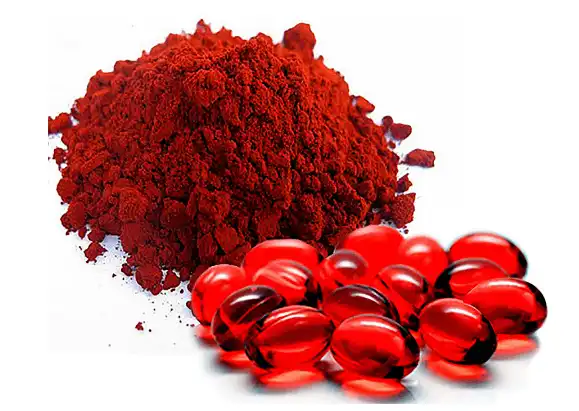
Understanding Astaxanthin: Powder vs Oil – Benefits and Usage
Natural Origins and Sourcing Considerations
Astaxanthin is found naturally in the microalgae Haematococcus pluvialis. These algae store this carotene as a defense against stress from their surroundings. This plant-based source guarantees a better (3S, 3'S) stereoisomer profile compared to manufactured options, which means it has higher bioactivity. Because the growing process has a direct effect on the active ingredient content, we work with specialized algae farms that decide which strains to use, when to add nutrients, and how to collect the algae. Our systems keep track of everything from the seed to the final extraction. This makes sure that the quality of each batch is always the same and gets rid of the changes in raw materials that make formulations less reliable.
Evidence-Based Health Benefits for Product Claims
Astaxanthin plays a part in many physiological processes, according to scientific studies. Studies show that it can stop the release of singlet oxygen more than 6,000 times faster than vitamin C. This makes it one of nature's greatest antioxidants. This ability to neutralize free radicals is good for heart health because it lowers oxidative stress in artery walls and supports healthy blood flow. Clinical studies have shown that astaxanthin can cross the blood-brain barrier and the blood-retinal barrier, which protects neurons and improves eye health. Eye fatigue from computer time has gone down, and measures of retinal function have gotten better. Dermatological studies show that it protects against UV-induced skin damage and makes the skin more pliable and able to hold on to water. These benefits are especially useful for sports nutrition, since astaxanthin lowers oxidative stress caused by exercise and helps the body heal faster. These benefits are boosted by anti-inflammatory qualities, which naturally change the pathways that cause inflammation without adding any synthetic ingredients.
Dosage Guidelines and Safety Profiles
The usual daily dose for dietary supplements is between 4 mg and 12 mg, but smaller doses may be used in functional foods for methods that build up benefits. Safety tests have shown that astaxanthin is well-tolerated and has few side effects. This means that it can be used in long-term treatment plans. We give you detailed technical information, like in vitro study data and benefit explanations that are ready for consumers. This helps you make strong marketing claims while still following the rules.
Integrating Astaxanthin into a Balanced Diet: Practical Recipes and Tips
To successfully integrate products, you need to know how to use different delivery forms to get the most out of healthy benefits and customer convenience. Here are some formulation techniques that make Natural Astaxanthin Supplement the drug more bioavailable while also taking into account real manufacturing issues.
Functional Beverage Development with Powder Forms
Astaxanthin powder that can be mixed with cold water makes it possible to use it in drinks in ways that weren't possible with regular beads. When making ready-to-drink antioxidant drinks, mix astaxanthin powder with vitamin C and citric acid to keep the pH stable and help the color stay true. The emulsification technology in our CWS powder keeps the product clear throughout its shelf life by stopping bits from drifting. Adding astaxanthin to sports recovery drinks along with minerals and branched-chain amino acids is a good idea. This method works together to help with many different ways of recovery. The carotenoids handle oxidative stress, and the amino acids help build muscle protein. Because pasteurizing drinks can change their strength, we suggest trying stability under thermal processing settings. Our application laboratory helps with recipe optimization by doing heat stability tests that show the best order of ingredients and the best safe cofactor additions.
Softgel and Supplement Formulations Using Oil
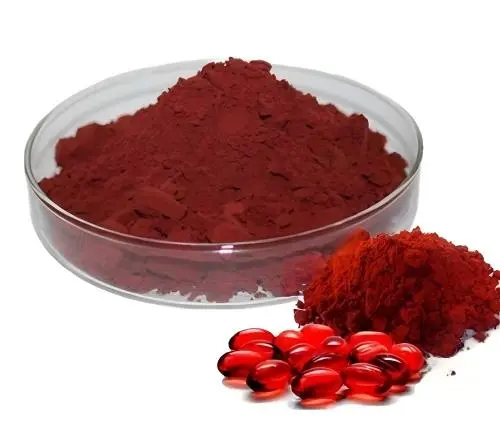
Astaxanthin oil is still the best ingredient for high-potency softgel pills that are aimed at serious health fans and older people. When eaten with dietary fats, the lipid carrier matrix makes uptake better in the digestive system. We offer oil amounts of up to 20% total astaxanthin, which lets us make softgels that are smaller and easier for people to take. Astaxanthin oil, omega-3 fatty acids, vitamin E, and coenzyme Q10 could all be mixed by formulators to make full antioxidant complexes. This multi-ingredient approach improves heart health, brain function, and the production of energy in cells by working in ways that support each other. The hard part is keeping the food from oxidizing while it is being stored and sealed. Our nitrogen-flush packing and light-resistant containers keep products' potency throughout global supply lines. This is very important for companies that sell expensive goods with high standards for their effectiveness.
Cosmetic and Topical Applications
Astaxanthin oil is very useful in anti-aging serums and products that protect against the sun. Because it can fight free radicals, the carotenoid works well in face oils that don't contain water. It keeps lipid membranes safe from oxidation in the environment. Astaxanthin oil is often mixed with rosehip seed oil, vitamin E, and hyaluronic acid to make versatile skin care products that reduce fine lines, lighten pigmentation, and keep wetness in the skin. Once the box is opened and the product is exposed to air, stability is still the biggest problem. To make the product last longer while it's being used, we suggest using airless pump devices with protective synergists like tocopherols. Our expert team can test photostability in conditions that are similar to sunlight. This will give you information that backs up promises about shelf life and storage suggestions for finished goods.
Comparing Astaxanthin Products: Quality, Brands, and Market Solutions
Evaluating Source Material and Manufacturing Processes
The most important quality difference in purchasing choices is between natural and manufactured astaxanthin. Astaxanthin from Haematococcus pluvialis is mostly the (3S, 3'S) isomer in esterified form. This type of astaxanthin is better at being bioavailable and protecting cells from damage than manufactured racemic mixes. Even though synthetic versions are cheaper, they have a 1:2:1 ratio of stereoisomers that have much lower biological activity in human trials. The methods used for manufacturing and extraction have a direct effect on the safety and quality of the finished product. The natural esterified forms are kept without any dangerous solvent remains when supercritical CO2 extraction is used. This makes clean oleoresins that can be used in food and medicine. In our extraction methods, we only use clean water or food-grade ethanol. We never use hexane or acetone, which can leave behind harmful chemicals. This dedication to natural extraction makes sure that the product dissolves quickly, shows true colors, and meets FSSC22000 and FDA standards.
Certification Requirements and Third-Party Verification
For business-to-business purchases, you need strong paperwork that shows you're following the rules in all of your target markets. Our astaxanthin is certified by ISO9001, FSSC22000, KOSHER, HALAL, and HACCP, which means it meets the strict needs of companies that make medicines and supplements. Each production batch is checked by a third party for heavy metals, microbial contamination, Natural Astaxanthin Supplement, and chemical leftovers. Before shipping, reports of analysis are given. When handling supply chain risk, it's impossible to say enough about how important batch-level paperwork is. Full tracking from cultivation to finished product is becoming more and more important to regulators. Ingredient providers who can't provide thorough analytical reports leave compliance open to risk. We keep detailed records, such as HPLC chromatograms, isomer profiles, and stability data, that can help with your regulatory reports and quality assurance processes.
Cost-Efficiency Analysis for Bulk Procurement
Pricing systems are very different depending on the amount of focus, the shape, and the number of orders. Astaxanthin oil at a 10% concentration usually costs less per kilogram than at a 20% concentration. However, because it is more potent, it requires less preparation volume and costs less per dose. Instead of just looking at the price of raw materials, procurement managers should figure out the cost-per-milligram of the active ingredient. We have open MOQ policies, with sample amounts starting at 100g and business orders starting at 25kg drums. This means that we can meet the needs of both small-scale production and research and development. When you have ready stock, you can ship quickly within three to five business days, which is very important for just-in-time stocking plans or for meeting sudden demand spikes. Based on how quickly an order needs to be delivered and where it needs to go, our global shipping network handles courier, air freight, and water transport.
Procurement Guide for Astaxanthin Powder and Oil: Sourcing and Supplier Insights
Assessing Supplier Credibility and Technical Capability
Reliable astaxanthin providers do more than offer low prices; they also work with you to create new products technically. Check sources to see if they can send clear component spectra with every batch. These should show not only the total amount of astaxanthin, but also how the isomers are distributed and how the esters are formed. This level of mathematical depth lets you precisely control the recipe and make sure that all production runs are the same. The ability to do application lab work is what sets strategic partners apart from basic sellers. We have fully-equipped labs where we test for safety under rapid aging conditions, pH stress, and compatibility with common ingredients used in formulations. This help is very helpful when trying to figure out problems with the recipe, like color fading, precipitation, or sudden changes in viscosity. Our technical experts can help you with compounding for drinks, candies, pills, and skin care systems. This way, you can avoid costly delays in reformulating during scale-up phases.
Navigating Regulatory Compliance and Import Requirements
Buying astaxanthin across borders is complicated by rules that are different in each market. In the United States, natural astaxanthin is GRAS (Generally Recognized As Safe) for use in food supplements. In Europe, on the other hand, some versions need Novel Food clearance. By knowing these differences, you can avoid shipping delays and compliance violations that hurt your brand's image. We take care of all the export paperwork, like phytosanitary certificates, certificates of origin, and product-specific compliance statements that are made to fit the needs of the location. Because we've shipped to more than 60 countries before, we can make sure that customs handling goes smoothly, which makes things easier for your buying team. This knowledge of regulations is especially useful when you enter new markets where the rules are very different from what you're used to in your current supply chain.
Contract Management and Supply Chain Resilience
By making long-term deals with companies that make astaxanthin, you can avoid price changes and problems with inventory. We suggest that you negotiate contracts that include specific allocation percentages, price change methods that are linked to clear indicators, and quality specification terms with clear rules for what needs to be done to fix problems. These written rights are very important when there aren't enough raw materials or when demand goes up without warning and puts a strain on the industry's resources. Supply chain stability also depends on how well you diversify your locations and how you manage your supplies. Single-source buying makes managing vendors easier, but it also makes you more vulnerable to problems in your area, like bad weather that makes it hard to grow algae or problems with transportation infrastructure. When there are short-term supply problems, we keep strategic store stocks that keep your production plans from being affected by changes in the upstream.
Future Trends and Strategic Considerations in Astaxanthin Procurement and Usage
Market Expansion and Consumer Demand Drivers
As more people learn about the health benefits of antioxidants, the demand for astaxanthin, Astaxanthin Powder, and Oil keeps going up around the world. There is a lot of growth in the sports nutrition market because players are looking for natural options to artificial performance enhancers. Astaxanthin is added to functional drinks and nutricosmetic products that give skin benefits when eaten. These products are based on the idea of "beauty from within."These changes in the market give brands that are willing to spend money on scientific proof and customer education chances to stand out. Products that combine astaxanthin with other ingredients that work well together, such as collagen peptides, hyaluronic acid, or ceramides, can command higher prices and solve more than one customer worry with a single daily-use product. We back up these strategies for innovation by giving recipe advice and technical data that backs up marketing claims.
Advances in Extraction and Delivery Technologies
New nano-emulsification technologies make astaxanthin much more bioavailable in water-based systems. This could mean that lower doses are needed to keep the therapeutic benefits. These nanoemulsion particles make it easier for the body to absorb nutrients by increasing the surface area. This gets around the problem that carotenoids tend to stick to fats. We keep an eye on these technical advances and can offer test amounts of new delivery formats as they become available on a large scale. New matrix materials that improve thermal stability and controlled release characteristics are being added to microencapsulation methods all the time. Time-release forms of astaxanthin keep it in the blood for longer, which could make them more useful for long-term diseases that need ongoing antioxidant defense. Because we work together on research and development with experts in material science, we can offer next-generation transport systems as they move from being tested in the lab to being sold in stores.
Regulatory Evolution and Compliance Strategy
Regulatory systems around the world are getting stricter on structure-function claims and standards for ingredient openness. The U.S. Food and Drug Administration (FDA) has taken more steps against health claims that aren't backed up by evidence, and European authorities are putting in place tighter standards for verifying plant identity. As part of proactive compliance strategies, companies keep detailed technical dossiers, do human clinical studies to back up claims, and set up blockchain-based tracking systems that show how ingredients get from the farm to the finished product. As environmentally aware customers demand ethical buying practices, we expect sustainability certificates and proof of environmental impact to become more important. Our farming partners use closed-loop water systems and green energy sources to keep their environmental impact as low as possible while still being able to produce all year. These environmental qualities are becoming more and more important when it comes to buying premium brands, whose customers are more and more careful about how they handle their supply chains.
Conclusion
When adding astaxanthin to a product line, form factors, quality standards, and the supplier's skills need to be carefully thought through. There are different ways to make supplements, useful foods, cosmetics, and sports nutrition products because of the difference between powder and oil forms. Cost-effective and quality-assured buying strategies work best when they give priority to sellers who offer full expert help, regulatory paperwork, and supply chain reliability. As the market moves toward natural antioxidants and functional ingredients backed by proof, astaxanthin becomes an important part for brands that want to stand out in the health market.
FAQ
1. What concentration should I specify when ordering astaxanthin for supplement formulations?
Which concentration to use depends on how you want to send the drug and how much you want to give. Usually, 5% to 20% astaxanthin oil is used in softgels to get 4 mg to 12 mg of astaxanthin per pill in small amounts. For tablet and gummy forms, powder amounts between 1% and 2.5% are needed to get the right color and effectiveness without changing the texture or dissolving qualities. We suggest starting with amounts in the middle and making changes based on the results of stability tests.
2. How do I verify an authentic Haematococcus pluvialis source versus synthetic astaxanthin?
HPLC research shows that real natural astaxanthin has a specific (3S, 3'S) stereoisomer profile, with more than 95% of it being in this configuration. Analytical tests can tell you that synthetic forms have a specific 1:2:1 stereoisomer ratio. Ask for analysis certificates that show the spread of isomers, and check that the seller has certifications from well-known natural or organic product bodies.
3. What storage conditions maintain astaxanthin potency during warehousing?
Keep sealed packages below 15°C, out of the light, and away from air as much as possible. Once it's open, use nitrogen cleaning to get rid of the air and shut it back up right away. Stay away from changes in temperature that cause humidity, which speeds up the breakdown process. Spectrophotometric analysis can be used to check stored goods every three months to find potency loss before it changes the quality of the finished product.
Partner with KH: Your Trusted Astaxanthin Powder And Oil Supplier
KH (Kingherbs Limited) has been extracting plants for almost 30 years and now makes astaxanthin. They provide pharmaceutical-grade chemicals with full tracking and technical support. Our Haematococcus pluvialis farming partnerships make sure that the highest carotenoid content is reached by carefully choosing the strains and timing the harvest. Pure water and ethanol extraction methods get rid of any solvent leftovers. We have powder and oil types of astaxanthin that range in concentration from 1% to 96%. All of these are backed by ISO9001, FSSC22000, KOSHER, HALAL, and HACCP certifications and HPLC/UV testing. As a well-known supplier of Astaxanthin Powder and Oil, we keep a lot of stock on hand so that samples and business orders can be sent out quickly (within 3–5 days). Our minimum order quantity (MOQ) is flexible, starting at small trial amounts. Our application laboratory helps improve the recipes for drinks, candies, tablets, and makeup. They do this by testing the recipes for safety and providing regulatory paperwork. For free samples that show why top nutraceutical brands trust KH for consistent quality and supply chain reliability, email our technical team at info@kingherbs.com to ask for certificates of analysis or to talk about unique specs.
References
1. Guerin, M., Huntley, M.E., and Olaizola, M. (2003). "Haematococcus astaxanthin: applications for human health and nutrition." Trends in Biotechnology, 21(5), 210-216.
2. Ambati, R.R., Phang, S.M., Ravi, S., and Aswathanarayana, R.G. (2014). "Astaxanthin: sources, extraction, stability, biological activities and its commercial applications—a review." Marine Drugs, 12(1), 128-152.
3. Capelli, B., Bagchi, D., and Cysewski, G.R. (2013). "Synthetic astaxanthin is significantly inferior to algal-based astaxanthin as an antioxidant and may not be suitable as a human nutraceutical supplement." Nutrafoods, 12(4), 145-152.
4. Fassett, R.G., and Coombes, J.S. (2011). "Astaxanthin: a potential therapeutic agent in cardiovascular disease." Marine Drugs, 9(3), 447-465.
5. Tominaga, K., Hongo, N., Karato, M., and Yamashita, E. (2012). "Cosmetic benefits of astaxanthin on humans subjects." Acta Biochimica Polonica, 59(1), 43-47.
6. Yuan, J.P., Peng, J., Yin, K., and Wang, J.H. (2011). "Potential health-promoting effects of astaxanthin: a high-value carotenoid mostly from microalgae." Molecular Nutrition & Food Research, 55(1), 150-165.
Send Inquiry
Related Industry Knowledge
- Bacopa Monnieri Extract Powder for Focus and Productivity
- How Effective Is Rhizoma Coptidis Powder for Detox Support?
- Rhizoma Coptidis Powder: Top Ways to Maximize Its Benefits
- Is Wild Yam Extract Powder the Future of Hormone Care?
- Can Onion Extract Improve Hair Growth Naturally?
- Can Couch Grass Rhizome Extract Help UTI Symptoms?
- Is Olive Extract Powder Effective for Inflammation Control?
- Does Purple Sweet Potato Extract Help Reduce Oxidative Stress?
- Lespedeza Capitata Extract: Targeted Botanical for Urinary Wellness
- What Does A Mulberry Leaf Look Like?