_1762508637542.webp)
How to Import Angelica Officinalis Extract from Trusted Suppliers?
Jul 27, 2026
When you import Angelica Officinalis Extract, you need to pay close attention to the reliability of the supplier, the rules that must be followed, and the quality control procedures. From the Latin name Angelica archangelica L. This plant-based ingredient is now necessary for companies that make food supplements, cosmetics, and medicines that want to use high-quality vegetable extracts. To be a good buyer, you need to know about supplier certifications, set clear quality standards, and figure out how to ship things internationally. This guide shows you the whole process of importing. It gives buying managers and R&D directors useful tips on how to get trustworthy, top-notch Angelica Officinalis Extract that meets USP and EP standards and solves common problems that B2B buyers face.
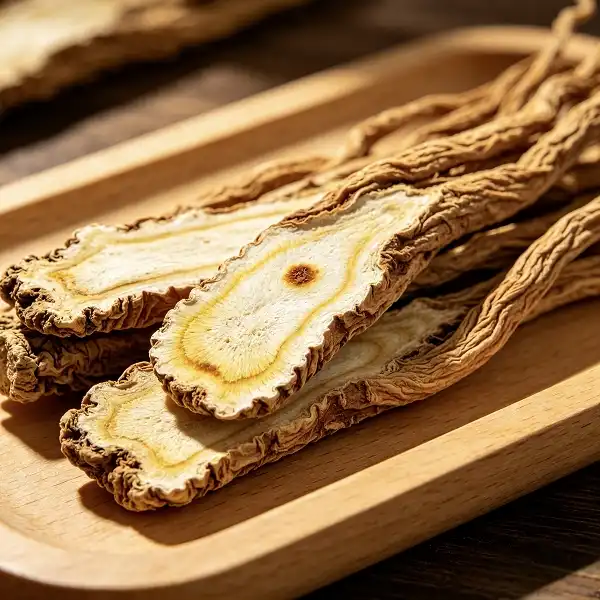
Understanding Angelica Officinalis Extract and Its Market Demand
Botanical Profile and Bioactive Compounds
Angelica archangelica L., which is also called garden angelica or Norwegian angelica, is a plant that has been used in traditional European medicine and in modern nutritional products. Bioactive substances like coumarins, ferulic acid, polysaccharides, and essential oils are concentrated in the root juice. The antioxidant, circulatory support, and skin barrier improvement qualities of this ingredient are helped by these phytochemicals. This plant ingredient comes as a fine, yellowish-brown powder in standardised ratio extracts like 4:1 and 10:1. It is always effective for formulating new products. Knowing the chemicals that make something up helps procurement teams give suppliers accurate technical requirements.
Global Market Trends and Industry Applications
Angelica Officinalis Extract is in high demand in many areas of the market, such as functional foods, nutraceuticals, and cosmetics. Wellness vitamins for women are a growing market, with formulas that focus on hormonal balance and sexual health. This plant is valued in the skin care industry for its anti-aging serums, sensitive skin treatments, and barrier repair formulas. It is used by pharmaceutical companies to make therapeutic skin preparations and traditional medicine. Analysts in the industry see a growing preference for organic extracts that are GMP-certified. This is because consumers want ingredients that are safe to use. This trend has a direct effect on business-to-business purchasing strategies, as brands look for providers who meet pharmaceutical-grade standards and provide full batch paperwork.
Product Format Considerations for Procurement
Professionals in procurement have to look at product forms based on what is needed for production further down the line. Powdered extracts can be used in many ways, such as for encapsulation, tableting, and drinking. However, the way they dissolve depends on the method used for extraction. Grades that are extracted with water dissolve easily in water, so they can be used in functional waters and clear drinks. Versions that are drained with ethanol may have lipophilic parts that make them more bioavailable, but can make some formulas cloudy. Standardised extracts with confirmed active ingredient percentages are more consistent than simple ratio extracts. This makes it possible to control the dose accurately and trust the label's claims, which are important for following the rules in major markets.
Key Considerations Before Importing Angelica Officinalis Extract
Quality Certifications and Manufacturing Standards
Checking the licenses of suppliers is the first step in building good buying relationships for Angelica Root Extract. The ISO9001 certification shows that quality management is done in a planned way, and the FSSC22000 certification covers food safety rules that are important for vitamin and functional food uses. KOSHER and HALAL approvals make it easier for brands that cater to a wide range of customers to get into new markets. HACCP compliance means that strong risk analysis methods are used throughout production. Foreign suppliers are not required to be registered with the FDA, but doing so shows that you are willing to follow U.S. regulatory expectations. When sourcing large orders, procurement teams should ask for up-to-date certification papers and have third-party checks done. Transparency in manufacturing about extraction methods is what sets honest providers apart from dishonest ones. Insist on thorough process descriptions that confirm solvent types and residue testing routines.
Regulatory Frameworks and Import Documentation
To follow U.S. import rules, you need to have a lot of paperwork that is in line with FDA botanical guidance and customs requirements. The biological name (Angelica archangelica L.), plant part (root), and extraction ratio must all be correctly listed on commercial bills. For customs purposes, packing lists should include the number of containers, their net and gross weights, and their contents. To follow the rules, you need to have Certificates of Analysis (COA) that show tests for active compounds, microbes, heavy metals, and pesticide residues. Phytosanitary licenses show that the material meets the standards for farm imports. Importers should make sure that sources give them HPLC chromatograms that show chemical fingerprints that stop cheaper species from being mixed in. Having the right paperwork speeds up the customs process and lowers the risk of being held at ports of entry.
Packaging, Shipping, and Shelf Life Management
The stability of the Angelica Officinalis Extract during transport depends on how well it is packed and stored. For standard packaging, 25 kg fibre drums with food-grade inner bags that keep out oxygen and moisture are used. Trial orders and R&D use smaller amounts that come in vacuum-sealed aluminium foil bags. You can use courier services (samples take 3–5 days), air freight (7–10 days) or ocean shipping (commercial volumes take 25–35 days). Plant products that are sensitive to temperature need to be kept in climate-controlled cases during the summer to keep them from going bad. If you store food properly, below 20°C and in a low-humidity area, it will last for 24 months. During talks, procurement teams should make sure that Incoterms (FOB, CIF, DDP) are understood so that it is clear who is responsible for paying for freight insurance and customs clearing.
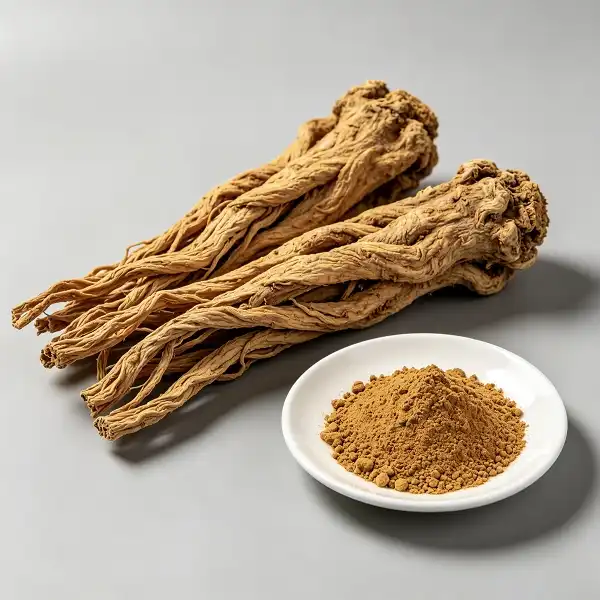
How to Identify and Vet Trusted Angelica Officinalis Extract Suppliers
Core Supplier Evaluation Criteria
To find trustworthy suppliers, you need to carefully look at their production and quality control systems. Angelica Officinalis Extract from well-known companies usually follows good manufacturing practices (GMP) and has separate production lines to avoid cross-contamination. Source-to-shelf tracking systems that keep track of cultivation partnerships, harvest times, and processing batches make broker networks more accountable. Manufacturers of ingredients are different from traders of commodities because they have technical knowledge. Competent suppliers offer formulation support, stability testing data, and application guidance. When procurement managers look at a company's production capacity, they should ask specific questions about how much it can produce each year and whether it can grow with its customers. Suppliers who have their own analysis labs with HPLC, GC-MS, and ICP-MS equipment show that they are committed to quality checking in more ways than just outsourcing testing.
Minimum Order Quantities and Flexible Procurement Options
Practical MOQ policies meet the needs of a wide range of businesses at different stages of growth. Progressive sellers will take small trial orders (1–5 kg) from R&D teams that are trying formulations and doing stability studies. Available samples without charging too much or having too many steps show that the company cares about its customers. Commercial MOQs start at 25 kg, which is the same as standard drum packaging and still affordable for small to medium-sized businesses. When brands want to increase production, they need sources that can keep quality high for orders of many tonnes and give them accurate lead times. Talking about long-term number forecasts during the first talks helps suppliers figure out how to divide up raw materials and production space. Flexible suppliers keep a ready supply of popular specifications, which lets buyers ship quickly and saves them money on inventory costs.
Third-Party Verification and Quality Assurance
Independent quality verification keeps buyers safe from suppliers who lie about the quality of their Angelica Root Extract. If you ask for batch-specific COAs before you buy, you can see if the seller does regular tests or just makes generic documents. Real COAs have testing dates that match production batches, laboratory accreditation numbers, and analyst signatures. Smart buying teams hire outside labs to test samples before they are shipped. These labs check the samples for adulterants, make sure the active compounds are correct, and identify the authenticity of the botanicals using HPTLC fingerprints. Differences between what a supplier says and the results of an independent test give you important negotiating power or allow you to replace the supplier. Setting up quality agreements with clear acceptance criteria, sampling rules, and conflict settlement methods makes people legally responsible in addition to giving verbal promises.
Step-by-Step Process to Import Angelica Officinalis Extract
Preparing Purchase Orders and Contract Negotiations
Clear performance expectations and fewer misunderstandings are made possible by precise purchase orders. The list of requirements should include the names of plants, the amount of Angelica Officinalis Extract that should be used, standards for look, particle size limits, and accepted ranges for active compounds. Defining Incoterms (International Commercial Terms) makes it clear who is responsible for freight, insurance, and customs taxes. DDP (Delivered Duty Paid) gives sellers the most responsibility, while FOB (Free On Board) gives customers more control over logistics. For new relationships, payment terms usually include a 30% deposit. Once trust is built, terms can change to net-30 or net-60. Both parties are protected by including "force majeure" terms, quality-rejecting processes, and intellectual property protections. Clear supply plans with penalties for being late encourage people to meet their deadlines, which is important for planning production.
Managing Logistics and Customs Clearance
Working with experienced freight forwarders who specialise in importing Angelica Officinalis Extract makes the logistics process easier. These partners know the harmonised tariff codes for herbal extracts (HS 1302.19 for other vegetable extracts), which lowers the chance of misclassification that can cause delays at customs or wrong duty assessments. It's important to pay close attention to the details when coordinating the filing of documents like the business invoice, packing list, COA, phytosanitary certificate, and bill of lading, because missing or wrong information can lead to port holds. The FDA may check packages coming into the U.S., especially those from first-time importers or random sample programs. Regulatory problems can be avoided by working with customs brokers who keep up with Prior Notice filing systems and know what the Bioterrorism Act requires. Full replacement costs should be covered by insurance to protect against loss, damage, or contamination while travelling between countries.
Post-Import Quality Verification and Storage Protocols
By doing incoming quality inspections, manufacturing operations are kept safe from materials that aren't up to par. When they get the goods, procurement teams should look at the quality of the packaging, compare the information on the labels to what's written on the purchase orders, and look for signs of moisture damage or contamination. Keeping representative samples from each drum makes it possible to track down and look into problems with quality that happen during production. Before putting the material into production, it is tested right away for important parameters like active compound content, microbial counts, and solvent residues to make sure it meets the requirements. Proper storage in temperature-controlled warehouses with humidity monitoring stops the breakdown that lowers effectiveness. Using first-in, first-out (FIFO) inventory rotation makes sure that materials are used within the best time frames for freshness, which helps maintain formulation consistency that is good for a brand's reputation.
Case Studies and Success Tips from B2B Importers
European Distributor's Strategic Sourcing Journey
Angelica Officinalis Extract quality from broker networks was all over the place for a European nutraceutical wholesaler that sold many different types of supplements. The procurement head set up a strict program to qualify suppliers. Three Chinese companies that make plant extracts were audited on the spot. The chosen provider was able to show full traceability, from agreements for cultivation in northeast China to FSSC22000-certified extraction facilities. Setting up quality agreements with clear criteria for acceptable levels of ligustilide and heavy metals made people responsible. The distributor made regular deals with price stability terms to protect itself from changes in raw materials. This strategic relationship cut down on quality complaints by 78% and let the dealer offer reasonable prices by working directly with manufacturers and cutting out markups.
North American Brand's Customization Success
A North American women's health brand was working on a unique recipe to help the circulatory system. They needed specific information about Angelica Officinalis Extract that wasn't available in normal catalogues. The head of R&D teamed up with a company that could help with technical preparation and do custom extraction on a pilot scale. Through collaborative research, a water-soluble grade with higher polysaccharide content was made that can be used in clear beverages. This is a unique feature that you can't find anywhere else. The supplier gave stability data across a range of temperatures and pH levels, which sped up the regulatory submission process. Starting at 50 kg, flexible MOQs during product launch allowed for a careful entry into the market, and scalable production capacity allowed orders to grow to 500 kg every three months. The supplier went from being a transactional vendor to a strategic creative partner through this relationship method.
Best Practices Checklist for Import Success
Several important steps are taken by successful import tools. Before committing to business numbers, quality can be checked by placing initial orders for small trial quantities (5–10 kg). Supply interruptions caused by relying on a single source can be avoided by keeping ties with two qualified providers. Scheduling inspections or testing by a third party before shipping lowers the number of items that are returned after expensive international shipping. Keeping a backup stock of 30 to 45 days' worth of goods on hand guards against delays in shipping or quality checks. Setting up clear ways to talk to designated technical contacts at supplier facilities is faster than sending emails back and forth with sales reps. Quality shift can be found before it affects production by looking at COAs and trend analysis across multiple runs. All of these practices make the supply chain more resilient, which is important for businesses that want to stay competitive.
Conclusion
To import Angelica Officinalis Extract, you need to pay close attention to the qualifications of the suppliers, methods for checking the quality, and rules for following the law. Teams that are good at buying things put makers with strong certifications, clear production methods, and technical help that goes beyond just providing ingredients at the top of their list. Setting clear standards, getting independent quality testing, and keeping thorough records make customs processing faster and safer while protecting the integrity of the product. Partnering with suppliers in a way that is fair through contracts and regular communication leads to partnerships that support growth and new ideas. Strategic sourcing practices become advantageous in the market as the need for high-quality botanical ingredients with proven potency and clean processing grows.
FAQ
1. What documentation should accompany imported Angelica Officinalis Extract shipments?
Full shipments come with commercial invoices that accurately describe the goods, detailed packing lists that show how many containers there are and how much they weigh, batch-specific Certificates of Analysis that include microbial testing and heavy metal screening, and phytosanitary certificates that prove the goods are safe for farming. Using HPLC chromatograms to create chemical fingerprints stops species from being mixed up. By asking for these papers before the shipment of Angelica Officinalis Extract, mistakes that slow down customs clearance can be checked for and fixed.
2. How can procurement teams verify extract authenticity and prevent adulteration?
Chemical fingerprints using HPLC research find unique compound profiles that are only found in Angelica archangelica L., setting it apart from cheaper alternatives. Independent lab testing of samples taken before shipping backs up what the supplier says. More proof can be found by looking at paperwork from the growing area and asking for pictures from crop sites. Reliable providers keep clear tracking systems that keep track of the flow of materials from harvesting to extraction.
3. What distinguishes ratio extracts from standardized extracts in procurement decisions?
Ratio extracts (4:1, 10:1) show concentration levels—10 kg of raw material makes 1 kg of extract—but they don't promise a certain amount of active compounds because it depends on how the plant was harvested. Standardised extracts set minimum amounts of key bioactives, which ensures that each batch has the same amount of potency. Standardised specs help with following the rules and making sure that the recipe works well, so they are better for uses that need to control the dosage very precisely.
Connect with KH for Premium Angelica Officinalis Extract Supply
KH has almost 30 years of experience extracting plants and can help procurement workers find trusted Angelica Officinalis Extract suppliers. Our factories are certified with ISO9001, FSSC22000, KOSHER, HALAL, and HACCP, so you can be sure that the quality is pharmaceutical-grade, which is what your recipes need. We are in charge of the whole supply chain, from forming partnerships for farming to packaging the end products. This gives us unmatched traceability and stability. Our extraction methods only use pure water or food-grade ethanol, which gives you clean, solvent-safe ingredients that dissolve better. Our open MOQ policies and ready stock make it possible for fast shipping, whether you need small amounts for research and development or large amounts for production. Our application laboratory can help you improve your formulations, test their stability, and make special compounds that fit your needs. Each batch comes with full COAs and thorough HPLC chromatograms that meet USP/EP standards. Get in touch with info@kingherbs.com right away to talk about your Angelica Officinalis Extract needs and get prices from a reliable company that wants you to succeed.
References
1. European Medicines Agency. "Assessment Report on Angelica archangelica L., radix." Committee on Herbal Medicinal Products, 2017.
2. Sigurdsson, S. and Gudbjarnason, S. "Inhibition of Acetylcholinesterase by Extracts and Constituents from Angelica archangelica and Geranium sylvaticum." Zeitschrift für Naturforschung C, Vol. 62, 2007.
3. Nivinskiene, O., Butkiene, R., and Mockute, D. "Chemical Composition of Essential Oil of Angelica archangelica L. Roots Growing Wild in Lithuania." Journal of Essential Oil Research, Vol. 17, 2005.
4. Bhat, Z.A., Kumar, D., and Shah, M.Y. "Angelica archangelica Linn. is an Angel on Earth for the Treatment of Diseases." International Journal of Nutrition, Pharmacology, Neurological Diseases, Vol. 1, 2011.
5. Sarker, S.D. and Nahar, L. "Natural Products Isolation: Methods and Protocols." Humana Press, Third Edition, 2012.
6. United States Pharmacopeia. "Botanical Dietary Supplements: Criteria and Procedures for Admission to USP-NF and Continuing Review." USP Convention, 2020.
Send Inquiry
Related Industry Knowledge
- About Astaxanthin for Skin Health and Revitalization
- Can Rose Hip Extract Powder Help Reduce Joint Discomfort?
- What is ivy extract used for?
- Can Macleaya Cordata Extract Improve Feed Efficiency?
- Does Watermelon Powder Boost Immune Function?
- Best Uses of Valerian Root Extract Powder in Supplements
- Watermelon Powder: Heart Health & Hydration Support
- Vine Tea Extract: Antioxidant Power for Modern Wellness Formulas
- Lespedeza Capitata Extract: Targeted Botanical for Urinary Wellness
- What Does A Mulberry Leaf Look Like?