_1762508637542.webp)
About Astaxanthin for Skin Health and Revitalization
Jul 17, 2026
When making next-generation skin care goods, the success of the market depends on the ingredients used. Astaxanthin Powder And Oil from Haematococcus pluvialis microalgae are game-changers in the fight against ageing and protecting the skin. These naturally occurring carotenoids have wonderful abilities to protect collagen and reduce reactive stress. Purchasing managers, R&D leaders, and expert formulators all know that choosing between powder and oil forms affects the product's bioavailability, how well it works in manufacturing, and how well it works in the end. This in-depth look at the topic covers important manufacturing needs and source decisions.
Understanding Astaxanthin and Its Role in Skin Health
The Science Behind Nature's Most Powerful Carotenoid
Astaxanthin is a carotene from the xanthophyll family. It is naturally made by Haematococcus pluvialis algae when they are stressed by their surroundings. Scientists have found that this biological defence system makes one of the best free radical scavengers ever, with antioxidant power far surpassing that of vitamin E. The molecular structure has conjugated double bonds and terminal hydroxyl groups that protect both lipid and water-filled cell sections at the same time.
Tests show that astaxanthin can get through the top layers of skin and cell membranes to protect mitochondrial DNA from damage caused by sunlight. Unlike synthetic antioxidants, this naturally occurring substance supports the body's own collagen-making processes while also stopping matrix metalloproteinases from breaking down structural proteins. Clinical studies indicate that regular use leads to changes in the skin's flexibility, ability to hold on to water, and the appearance of fine lines. Because of these biochemical qualities, astaxanthin-based products are necessary for anti-ageing brands that want to reach high-end customers.
Formulation Differences Between Powder and Oil Variants
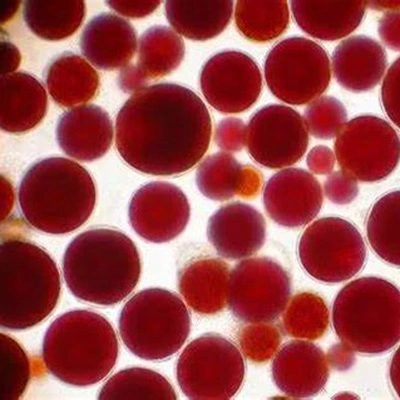
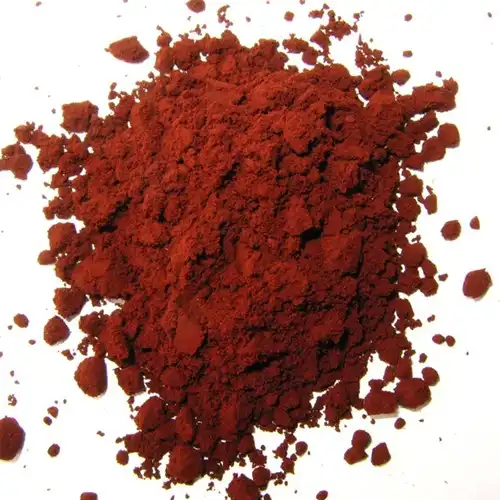
The way of extraction decides which form is best for a given product. Astaxanthin Powder and Oil is made using supercritical CO2 extraction, which keeps the esterified forms that make it easier for lipids to dissolve. HPLC research shows that this thick, dark red oleoresin usually has between 5% and 20% total carotene content. This makes it perfect for softgel packaging and lipid-based serums. The oil form keeps the natural stereoisomer ratios, which means it has the most bioactivity for mouth nutrition that aims to improve skin health throughout the body.
On the other hand, powder formulas use food-grade materials like starch or gelatin and microencapsulation technology. These beadlets dissolve in cold water and have a concentration range of 1% to 2.5%. They are very stable against oxidation during storage and production. Astaxanthin content standards are kept by quality makers like KH between 1% and 96%. This allows for a wide range of formulation options for pills, drinks that dissolve in water, and cosmetics that don't need water. Choosing between powder and oil has a big effect on how quickly the substance is absorbed, how well it works with production equipment, and what paperwork is needed by regulators.
Comparing Astaxanthin Powder and Oil: Which is Better for Skin Health?
Bioavailability and Absorption Characteristics
Clinical pharmacokinetics show that different delivery methods have different absorption rates. The oil-based form is absorbed faster by the body when eaten with fats, which uses bile salt emulsification to help absorption in the intestines. Peak plasma amounts happen 6 to 8 hours after eating. This is why oil forms are better for oral vitamins that improve skin health from the inside out. Topical treatments work just as well because oleoresin gets deeper into the stratum corneum and delivers concentrated antioxidants straight to layers that are high in fibroblasts.
Dosage Protocols and Safety Profiles
Dosing suggestions based on evidence are different for each entry route. As a daily dose, 4 to 12 mg of astaxanthin oil is usually taken by mouth to protect the body from UV rays and reduce wrinkles. Topical formulas use powder or oil amounts of 0.1 to 0.5% in finished cosmetics. Processing losses must be taken into account in manufacturing specs. KH's batch-level HPLC documentation makes sure that exact active content verification happens throughout production cycles.
According to safety studies, both formats have good tolerability ratings. Toxicological tests have shown that natural astaxanthin removed without using solvents doesn't have any major negative effects. Quality control procedures that make sure there are no heavy metals, microbes, or chemicals left over are still very important. International markets can be sure of compliance with certifications like ISO9001, FSSC22000, KOSHER, HALAL, and HACCP. The procurement teams give more weight to sellers who send full certificates of analysis with every package.
How to Use Astaxanthin Powder and Oil Effectively for Skin Revitalisation?
Addressing Core Skin-Ageing Mechanisms
Photoaging accounts for about 80% of the obvious ageing of the face. It is caused by reactive oxygen species that are made by UV light. Astaxanthin's special chemical structure effectively blocks singlet oxygen, which stops lipid breakdown in cell membranes. When added to daily skin care routines, these natural carotenoids work as internal sunscreens that help external SPF products do their job by lowering DNA damage and signs of inflammation.
Astaxanthin starts a chain of events that reduces inflammation that goes beyond UV defence. Studies of gene expression show that NF-κB inflammatory pathways are downregulated, which means that fewer pro-inflammatory cytokines are made. This process explains why skin tone has improved, redness has gone down, and healing from environmental stressors has sped up. Formulators who mix astaxanthin with ingredients that work well together, such as hyaluronic acid, vitamin C derivatives, and peptide complexes, say the combined effects are stronger than the sum of the individual effects.
Formulation Strategies for Maximum Efficacy
To make a good product, the astaxanthin form needs to be matched to the needs of the transport method. The oleoresin format is needed for oil-based medicines and serums that don't need water, usually at a concentration of 0.2-0.5% in produced goods. Testing the safety of the emulsion shows that it works with popular preservative and emulsifier systems used in cosmetics. Nitrogen-flushed packing stops oxidative breakdown, so the deep red colour that shows how potent it is stays.
Powders that are microencapsulated work well in water-based lotions and gels. When applied to the skin, the protective starch matrix slowly releases active chemicals that provide long-lasting antioxidant action. Gentle mixing must be part of the manufacturing process so that the beads don't break before the end product forms. KH's application laboratory helps with stable testing by checking for pH compatibility, temperature cycle tolerance, and preservative effectiveness to make sure that the product can be sold in a variety of formulations.
Key Considerations for Purchasing Astaxanthin Powder and Oil in Bulk
Supplier Qualification and Certification Requirements
Tough rules for evaluating suppliers are the first step to successful procurement of Natural Astaxanthin Supplement. Manufacturers of good quality show full tracking from growing algae to packing it up. KH works together with controlled cultivation facilities to make sure that the quality of the biomass is always the same. This is done by choosing the right strains, managing nutrients, and timing the yield perfectly. This vertical merger gets rid of the usual changes in quality that happen in markets for basic ingredients.
Analytical paperwork tells the difference between high-quality providers and low-quality ones. For every production batch, HPLC chromatograms are needed to show the total amount of astaxanthin, the stereoisomer profiles, and the lack of any oxidation leftovers. UV spectroscopy is a second way to check that unique absorption spots are real. Pharmaceutical standards are met by microbial testing methods that check for aerobic plate counts, yeast/mould levels, and the lack of pathogens. Full reports of analysis, which include heavy metal screening (for example, lead, cadmium, mercury, and arsenic), make sure that all FDA, EU, and Asian markets follow the rules.
Pricing Structures and Logistics Optimisation
Prices on the market are based on amounts of purity, extraction methods, and approval. When compared to manufactured options, natural astaxanthin is priced higher because it is more bioavailable and has a clean label appeal. The price of bulk oils usually varies based on their concentration. Oils with higher potencies cost more per kilogram, but they have better cost-per-dose economics when they are made into finished products. KH's minimum order numbers start with sample requests and small test runs. They then grow to commercial 25kg drum orders for production lines that are already up and running.
When planning logistics, handling that depends on temperature and stopping rust is taken into account. Light-resistant, nitrogen-flushed packaging in drums wrapped with foil keeps the medicine's effectiveness while it's being shipped internationally. KH offers a variety of shipping choices, such as delivery service for quick samples, air freight for orders with a medium amount of items, and ocean container shipping for large purchases. Having ready stock on hand allows for quick shipping (usually 3–5 business days for standard specs), which supports just-in-time production plans without having to pay too much for inventory.
Future Trends and Innovations in Astaxanthin for Skin Health
Emerging Extraction Technologies and Sustainability
Concern for the environment drives progress toward carbon-neutral ways of making things. Closed-loop photobioreactors are used in next-generation farming methods to get the most biomass while using the least amount of water and space. Traditional liquid methods are still being replaced by supercritical fluid extraction, which makes cleaner extracts with no chemical leftovers. These improvements are in line with what customers want—clear, eco-friendly food sources.
Personalised Skincare and Multi-Antioxidant Synergies
As the market changes, customised formulas that target specific skin problems become more popular. When astaxanthin is mixed with ferulic acid, resveratrol, and coenzyme Q10, they form antioxidant networks where each part boosts the benefits of the others. Differentiated marketing claims backed by peer-reviewed research are supported by clinical proof of these combinations with multiple ingredients.
Regulatory environments are continuing to tighten standards for cleanliness and proof needs for beauty claims. Proactive buying teams work with suppliers to provide full technical support, such as help with formulation, stability data, and benefit paperwork that is ready for consumers. This extra service is offered by KH's application laboratory. It turns buying raw materials into strategic partnerships that shorten the time it takes to create a product and make it successful in the market.
Conclusion
How you place yourself in the market for high-end skin care products depends on how you choose your ingredients. Science has shown that Astaxanthin Powder and Oil from Haematococcus pluvialis protect against UV light, keep collagen healthy, and reduce inflammation. These properties are all important for anti-ageing products. When buying, managers understand the differences between powder and oil forms, they can take full advantage of industrial compatibility, bioavailability, and cost-effectiveness. Criteria for evaluating suppliers that include analytical paperwork, certification portfolios, and transportation skills ensure that quality stays the same as production numbers grow. As the need for natural, effective skin care products grows, it is important to work with reputable companies that can offer technical help and guarantee legal compliance in order to be successful in the market.
FAQ
Which format delivers better results for skin health applications?
The best choice depends on the type of goods and how they are delivered. Oil-based products are better at getting into the body for both oral supplements and serums that are put on the skin to target deep dermal layers. When eaten with fats, the lipophilic nature makes it easier for the body to absorb through the skin's fatty walls and the membranes of the intestines. Powder forms work particularly well in water-based systems because they keep their shape at high temperatures during production and last longer on the shelf after they're made. A lot of big brands intentionally use both types: oil for high-end anti-ageing serums and powder for functional drinks that support the face all over.
How can bulk purchasers verify raw material quality?
The most important part of quality assurance is having complete analysis paperwork. Ask for HPLC chromatograms that show the total amount of astaxanthin, the stereoisomer ratios, and the lack of any breakdown products. Microbiological tests, heavy metal screening, and residue solvent verification should all be part of certificates of analysis. Reliable sellers include batch-specific paperwork with every shipment, which makes it possible to track products all the way through the production process. Before you agree to large orders, you might want to ask for samples with full analytical results. KH offers in-depth spectra analysis and application help to make sure that raw materials exactly meet the needs of formulations.
Partner with KH: Your Trusted Astaxanthin Powder And Oil Supplier
KH specialises in providing pharmaceutical-grade plant extracts and has been making them for more than twenty years. Our Astaxanthin Powder and Oil come from controlled farming of Haematococcus pluvialis, which guarantees stable potency from 1% to 96%, as shown by our thorough HPLC testing. We use natural extraction with only pure water or food-grade ethanol, so there are no dangerous solvent residues left over that could affect the quality of the product.
Samples and regular orders can be delivered in 3–5 days if there is ready stock on hand, which supports agile product development processes. Our application laboratory helps with regulatory paperwork, testing for stability, and improving formulations for dietary supplements, cosmetics, and functional foods. MOQ rules that are easy to change allow trial orders to start with small amounts and easily grow to 25-kg drum shipments for business purposes. Our goods meet the rules set by governments around the world because they are certified by ISO9001, FSSC22000, KOSHER, HALAL, and HACCP. Email our expert team at info@kingherbs.com for full specs, reasonable quotes, and compounding solutions that are made just for your formulation needs. Find out why top brands choose KH as their key ingredient partner.
References
1. Tominaga, K., Hongo, N., Karato, M., & Yamashita, E. (2012). Cosmetic benefits of astaxanthin on human subjects. Acta Biochimica Polonica, 59(1), 43-47.
2. Davinelli, S., Nielsen, M. E., & Scapagnini, G. (2018). Astaxanthin in skin health, repair, and disease: A comprehensive review. Nutrients, 10(4), 522.
3. Camera, E., Mastrofrancesco, A., Fabbri, C., Daubrawa, F., Picardo, M., Sies, H., & Stahl, W. (2009). Astaxanthin, canthaxanthin and beta-carotene differently affect UVA-induced oxidative damage and expression of oxidative stress-responsive enzymes. Experimental Dermatology, 18(3), 222-231.
4. Suganuma, K., Nakajima, H., Ohtsuki, M., & Imokawa, G. (2010). Astaxanthin attenuates the UVA-induced up-regulation of matrix-metalloproteinase-1 and skin fibroblast elastase in human dermal fibroblasts. Journal of Dermatological Science, 58(2), 136-142.
5. Yamashita, E. (2013). Astaxanthin as a medical food. Functional Foods in Health and Disease, 3(7), 254-258.
6. Capelli, B., Bagchi, D., & Cysewski, G. R. (2013). Synthetic astaxanthin is significantly inferior to algal-based astaxanthin as an antioxidant and may not be suitable as a human nutraceutical supplement. Nutrafoods, 12(4), 145-152.
Send Inquiry
Related Industry Knowledge
- Angelica Officinalis Extract Benefits for Women’s Wellness
- Why Is Bamboo Leaf Extract Trending in Herbal Supplements?
- Can Angelica Officinalis Extract Enhance Functional Beverage Formulas?
- 5 Ways in Which Bamboo Extract Improves Our Wellbeing
- Can Bitter Melon Extract Powder improve blood sugar?
- 3 Surprising Passionflower Extract Powder Benefits for Holistic Wellbeing
- Why Choose Organic Valerian Root Extract Powder for Wellness?
- Valerian Root Extract Powder: Nature’s Solution for Insomnia
- Vine Tea Extract: Antioxidant Power for Modern Wellness Formulas
- What Are the Active Compounds in White Paeony Extract?