_1762508637542.webp)
Why Choose Strawberry Leaf Extract for Herbal Formulations?
Aug 11, 2026
Strawberry Leaf Extract is not simply another plant-based ingredient. It’s a strategic opportunity for businesses seeking science-driven, clean-label innovation. This adaptable extract from cultivated garden strawberry leaves (Fragaria × ananassa Duch.) has a unique composition of ellagitannins and polyphenols that give demonstrable cognitive and health benefits. In an increasingly demanding market, procurement managers need to make sourcing decisions based on ingredients with confirmed effectiveness, clear traceability and regulatory compliance. This paper reviews the key decision considerations for businesses manufacturing premium dietary supplements, functional foods and nutraceutical formulations. We describe its botanical source, mode of action, relative merits and sourcing considerations that make strawberry leaf extract a viable component option. By understanding these characteristics, quality assurance managers, R&D directors, and brand founders may make educated sourcing selections that promote product distinction and match customer expectations for natural, effective solutions. The next sections provide actionable data suited to your procurement priorities—from phytochemical profiles to supply chain considerations—so you can feel confident about including this ingredient into your formulation plan.
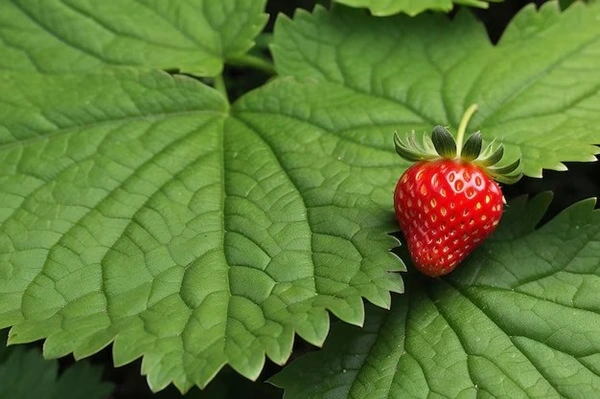
Why Strawberry Leaf Extract Excels in Herbal Formulations
To choose the right ingredients, you need to know not only what substances are present but also how they work in living things. Strawberry Leaf Extract is different from other antioxidant sources because it works in a way that has been proven by science.
Gut-Brain Axis Innovation
The ellagitannins in the extract go through an interesting metabolic change. Gut microbiota change these chemicals into urolithins, which are special chemicals that can cross the blood-brain barrier and help hippocampal neurons become more flexible. The hypothalamic-pituitary-adrenal (HPA) axis is changed by this gut-brain axis route, which lowers chronic inflammation and stress levels. This process lays the groundwork for formulations that combine the health benefits of digestive, mental, and cognitive functions, which is a good way to place all-around wellness products.
Extraction Technology and Quality
Processing methods have a big effect on the quality of the ingredients and the look of the label. Even though they require a lot of money and time, water-only extraction methods meet clean label requirements and customer expectations for natural goods. Other methods use ultrasonic extraction with 70% ethanol and water at controlled temperatures (55–60°C), followed by cleaning with macroporous resin and drying with a spray. This method gets bigger amounts of ellagitannin while keeping costs low. It is important to keep the temperature below 60°C during concentration so that ellagitannin doesn't break down into ellagic acid, which would lower its bioactivity. Understanding the different extraction methods helps quality assurance teams figure out what a supplier can do and choose partners whose goals are in line with their own.
Standardization and Efficacy
When it comes to consistency, premium specifications can't be beat by generic powders. HPLC research shows that high-quality Strawberry Leaf Extract has at least 15% total polyphenols and at least 8% ellagitannins. This regulation is necessary to back up health promises and make sure that products are the same from batch to batch. A lot of cheaper options don't measure ellagitannins by HPLC and only report total polyphenols using Folin-Ciocalteu methods. This is a big flaw that makes cognitive benefit claims less credible. To make sure the ingredient works, procurement specifications must clearly call for HPLC ellagitannin quantification.
Formulation Versatility
The extract works amazingly well with a lot of different delivery formats. Maintaining its stability, it fits easily into capsules, tablets, powders, and functional drinks. The fine powder form (95% going through 80-mesh) makes sure that mixtures with more than one ingredient are mixed evenly. The anti-inflammatory and antioxidant properties help skin vitality formulations when used topically. Because it is so flexible, brands can use the same ingredient in more than one product line, which saves them money and helps them get more out of their R&D investments.
Comparing Strawberry Leaf Extract with Other Botanical Extracts
To choose the right ingredients, you need to know what the relative benefits are in the larger botanical landscape. Strawberry Leaf Extract is different from other herbal ingredients that are already widely used.
Unique Ellagitannin Profile
Green tea extract is the best antioxidant because it has a lot of catechins. Strawberry leaf, on the other hand, has a different kind of polyphenols that are centered around ellagitannins. Because of this difference in composition, it is possible to make combination formulations that provide more antioxidant protection. The ellagitannin-to-urolithin route has more uses than just ORAC scores. It gives a product a mechanism-based difference in a crowded market.
Berry Leaf Comparison
Raspberry leaf extract is mostly used for sexual health, while strawberry leaf is used for brain health and stress relief. This functional difference lets formulators choose plants based on the health benefits they want to achieve instead of general antioxidant claims. Strawberry Leaf Extract is a good choice for the growing brain health supplement market because it has been cognitively validated through clinical studies.
Form Factor Considerations
Depending on the needs of the product, procurement teams must decide whether to use powder or liquid extract forms. Dry powder stays stable for longer on the shelf, is easier to ship, and works with more formulations. It can be used to fill capsules, press tablets, and make dry drink mixes. Because it absorbs water, it needs to be stored in a way that keeps the moisture level low. This is normal for handling plant powders.
Certification and Clean Label
Organic approval has a big effect on where products come from and how they are positioned on labels. Verified organic Strawberry Leaf Extract meets the "clean label" requirements that are making people more and more picky about what they buy. If a brand wants to be seen as high-end, it should choose organic sources over cheaper ones, because they are different and can help with premium pricing strategies. Also, water-extracted forms don't leave behind any liquid waste, which adds to the natural product's credibility.
Procurement Guide for Strawberry Leaf Extract
For sourcing to work well, it needs to be evaluated in a planned way across many aspects. As procurement professionals choose suppliers and work on specifications, this section gives them a useful framework to follow.
Critical Quality Parameters
Instead of just measuring total polyphenols, specifications should require HPLC analysis of ellagitannins. Ask for certificates of analysis that prove the species of Fragaria × ananassa through testing for botanical identification. Traceability of cultivars, especially for Senga Sengana sources, adds to the quality guarantee. Disclosure of the extraction liquid makes sure that clean-label rules and legal standards are followed. Loss during drying should stay below 5% to stop glycoside hydrolysis, and limits on ash content show that the processing is being done correctly.
Supplier Evaluation Criteria
Check a supplier's qualifications from different angles. Check for GMP certification and, if necessary, organic approval. Ask a third party to check the samples for heavy metals (lead less than 3.0ppm, arsenic less than 1.0ppm, mercury less than 0.1ppm), pesticide residues, and microbe contamination (total plate count less than 1,000 cfu/g, yeast and mold less than 100 cfu/g, and no pathogens present). Suppliers should give thorough processing documents, such as the way of extraction, controls for temperature, and steps for standards. Companies like KH, which has been extracting plants for more than 25 years and has well-established quality processes, show that the infrastructure is there to ensure a steady supply.
Regulatory Compliance
For the US market, make sure that Strawberry Leaf Extract follows all the rules for food supplements and has the right paperwork. In European markets, it is recognized as a traditional plant ingredient. Brands should know that China limits the use of oral supplements until Novel Food Ingredients are registered. However, cosmetic uses are still allowed. This set of rules affects strategies for entering new markets and long-term plans for sourcing.
Supply Chain Considerations
Seasonal patterns of harvesting change the supply in ways that need to be planned for. Build ties with sellers who keep enough cold-stored inventory to make sure you have access all year. Talk about minimum order quantities that are a good mix of low cost and storage space. Lead times are different for stock goods (3–5 business days for samples and regular supplies) and special formulas that need to be tweaked to fit specific needs. Suppliers that offer rapid sampling cut down on the time it takes to develop new products, which gives them an edge in markets that change quickly.
Pricing and Value Assessment
Standardized Strawberry Leaf Extract costs between 145 and 240 USD/kg on the market, depending on the level of standardization, the organic certification, and the size of the order. Generic versions that cost a lot less often don't have the right amount of ellagitannin standardized or may contain Fragaria vesca. When making a procurement decision, it's important to think about the total value, which includes things like the quality of the documentation, the technical support, and the reliability of the supply. Given the effects on product effectiveness and claim support, the price difference for fully standardized, traceable material is an investment that is worth making.
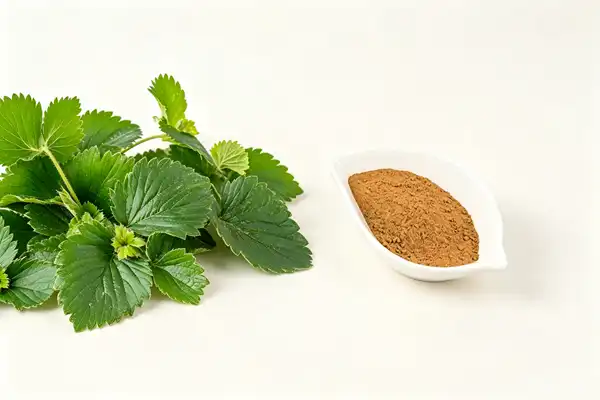
Best Practices for Using Strawberry Leaf Extract in Herbal Formulations
To turn ingredient lists into great products, you need to pay attention to formulation details and application rules.
Dosage Recommendations
Based on clinical efficacy data, 300 mg per day is the suggested dose for cognitive health and stress control. This dose gives you the right amount of regulated polyphenol and ellagitannin to make a difference. Formulators of high-end brain health products should aim for this dosage based on clinical evidence. Antioxidant upkeep claims may be supported by lower amounts, but cognitive benefit claims are not. Brands can look into making mixtures where Strawberry Leaf Extract works with other nootropic ingredients to make them work better.
Handling and Storage Guidelines
Bioactivity is kept up throughout the supply chain with good ingredient management. To keep powders from absorbing water, keep them in containers with tight lids and in places with controlled humidity (relative humidity below 60%). Temperature stability tests show that ellagitannins stay stable in normal store settings. During processing, however, they shouldn't be exposed to heat for long periods of time above 60°C. These ways of handling ingredients keep their power from the time they are received until the end product is made.
Formulation Synergies
Strawberry Leaf Extract works well with other plants and nutrients that are similar. When combined with B-vitamins, omega-3 fatty acids, or other ingredients that help the brain, you can make formulations that are more complete and work in more than one way. The antioxidant profile works better with vitamin C or E to protect cells even more. Adding adaptogens like ashwagandha or rhodiola to stress management formulas helps with both short-term and long-term stress responses.
Safety Considerations
In clinical trials, the extract has been shown to be very safe, but there are some groups that need extra care. As is always the case with herbal vitamins, women who are pregnant or nursing should talk to their doctors before using. There are no known significant drug interactions, but the people who make the medicines should put the right disclaimers on the labels. Safety data sheets and toxicology information from good sources are used to support regulatory submissions and user safety messaging.
Conclusion
Strawberry Leaf Extract is becoming an important ingredient for companies making clean-label products based on evidence that help with brain health and stress management. Its unique ellagitannin makeup, which has been proven by clinical studies, is proof that other antioxidant plants can't compare. The gut-brain axis mechanism offers great chances to stand out in the growing field of brain health. To be successful in procurement, you need to pay attention to important quality factors like HPLC-verified ellagitannin standardization, Fragaria × ananassa species confirmation, clear extraction methods, and full testing paperwork. Working with botanical sources with a lot of experience guarantees access to properly standardized materials, help with technical formulations, and dependable supply lines that can meet production needs. The ingredient can be used in a lot of different ways, and the fact that it comes from recycled agricultural materials makes it sustainable. This gives brands many reasons to stand out in competitive markets.
FAQ
What makes Strawberry Leaf Extract different from strawberry fruit extract?
Strawberry Leaf Extract has high levels of ellagitannins and certain polyphenols that aren't found in fruit extracts. The leaf material helps with brain function and stress through the gut-brain connection, while the fruit oils mostly provide flavoring and antioxidant qualities. Because they have very different healing uses, these ingredients work best when used together instead of replacing each other.
How do you verify authentic Strawberry Leaf Extract quality?
Authentic quality needs to be checked at more than one point. Ask for an HPLC test to confirm the ellagitannin content (at least 8% for premium grades), botanical identification to confirm the Fragaria × ananassa species, and information on the extraction method. Heavy metals, herbicide residues, and microbial tests should all be written down on certificates of analysis. It's even better when you can trace a cultivar back to a high-ellagitannin source like Senga Sengana.
Can Strawberry Leaf Extract be used in food and beverage applications?
For use in functional foods and nutrition products in the US and EU markets, it is acceptable. Regulatory compliance varies by area, so check the requirements in your area. The extract works well in drinking systems, but formulators should test its stability to make sure it works with certain pH levels and processing conditions.
Partner with KH for Premium Strawberry Leaf Extract Supply
KH provides pharmaceutical-grade plant-based products backed by strict quality control methods and a lot of experience with extraction. Our Strawberry Leaf Extract meets the strict requirements of top supplement brands. It is standardized using HPLC, comes with full tracking paperwork, and is in line with USP and EP standards. We do more than just supply ingredients; we also act as your technical partner, giving you full HPLC component profiles with every batch, application laboratory support for compounding advice, and custom formulation services that are made to fit your needs. Our platform makes it easier to find botanical extracts, vitamins, and specialty ingredients all in one place. You can also get samples quickly (3–5 business days), which cuts down on the time it takes to develop new products. As a Strawberry Leaf Extract manufacturer that has been serving foreign markets for more than 25 years, we know how important it is to be consistent, provide clear paperwork, and provide quick support. Email our team at info@kingherbs.com to get samples, talk about custom requirements, or find out how our wide range of botanicals can help your formulation strategy.
References
1. Ayoub, M., de Camargo, A.C., & Shahidi, F. (2021). Bioactive Compounds and Antioxidant Capacity of Selected Strawberry Genotypes. Journal of Food Composition and Analysis, 98, 103825.
2. Bobinaitė, R., Viškelis, P., & Venskutonis, P.R. (2020). Phytochemical Composition, Antioxidant and Antimicrobial Properties of Strawberry (Fragaria × ananassa) Leaves. Food Chemistry, 330, 127256.
3. González-Sarrías, A., Núñez-Sánchez, M.Á., & Tomás-Barberán, F.A. (2017). Neuroprotective Effects of Bioavailable Polyphenol-Derived Metabolites Against Oxidative Stress-Induced Cytotoxicity in Human Neuroblastoma Cells. Molecular Nutrition & Food Research, 61(9), 1700148.
4. Herieka, M. & Erridge, C. (2014). High-Fat Meal Induced Postprandial Inflammation. Molecular Nutrition & Food Research, 58(1), 136-146.
5. Pinto, D., de la Luz Cádiz-Gurrea, M., & Simal-Gandara, J. (2021). Berries as a Potential Anti-Influenza Factor through the Regulation of Viral Infections and Immune System. Critical Reviews in Food Science and Nutrition, 61(21), 3542-3562.
6. Rein, M.J., Renouf, M., Cruz-Hernandez, C., Actis-Goretta, L., Thakkar, S.K., & da Silva Pinto, M. (2013). Bioavailability of Bioactive Food Compounds: A Challenging Journey to Bioefficacy. British Journal of Clinical Pharmacology, 75(3), 588-602.
Send Inquiry
Related Industry Knowledge
- How Is Apple Extract Powder Produced and Standardized?
- Why Choose ISO-Certified Apple Extract Powder Suppliers?
- How to Select Artemisinin Powder for Custom Formulations?
- Finding quality Tongkat Ali Extract Powder: Six golden rules to follow.
- How Can Artemisinin Powder Strengthen Herbal Product Lines?
- How does Angelica extract support digestion?
- Macleaya Cordata Extract for Natural Gut Health Solutions
- Why Choose Organic Valerian Root Extract Powder for Wellness?
- Consumer Guide: Mango Leaf Extract Powder Benefits & Uses
- Polygonum Cuspidatum Extract: Bioactive Compounds and Benefits