_1762508637542.webp)
How to Select Artemisinin Powder for Custom Formulations?
Jul 24, 2026
To find the best Artemisinin Powder for your custom formulation, you need to carefully look at the batch uniformity, purity levels, extraction methods, and seller certifications. Check the HPLC-tested strength, which should be between 3% and 99%, and make sure it meets ISO9001, FSSC22000, and FDA requirements. Choose providers that let you follow the whole process, from growing the Artemisia annua to extracting it using only water or food-grade ethanol. Check to see if samples are available, how long it takes to deliver them, and if they offer technical support that fits your needs for pharmaceutical, nutraceutical, or cosmetic applications. Exactly how good your final product is depends on how well this basic raw material is made.
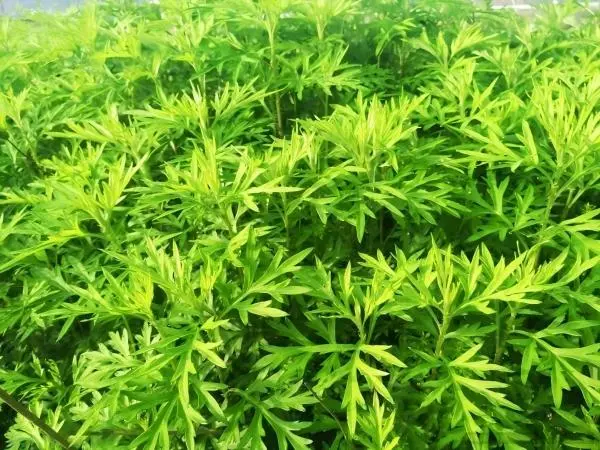
Understanding Artemisinin Powder and Its Role in Custom Formulations
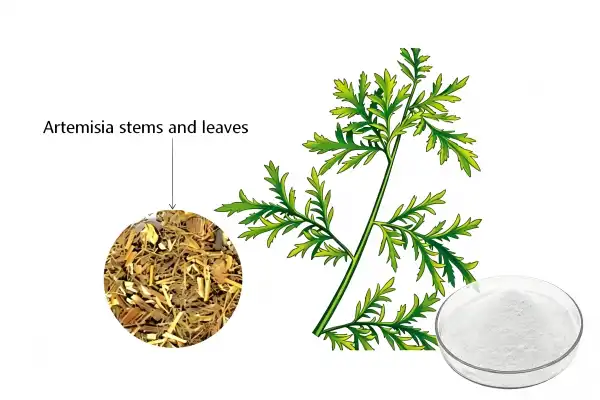
Artemisinin Powder is a solid sesquiterpene lactone that is taken from the leaves of Artemisia annua L., which is also known as sweet wormwood. There is a special endoperoxide bridge in this bioactive substance that makes its amazing healing effects possible. Whole herb extracts have different plant parts in them, but purified Artemisinin Powder has the same amount of active ingredient, which is important for pharmaceutical-grade uses.
The extraction method has a big effect on the quality of the end result. Pure water or food-grade ethanol is used in traditional methods to separate artemisinin while keeping its delicate molecular structure. This method of natural extraction doesn't leave behind any harmful solvents that could make sensitive products like dietary supplements or cosmetics less safe. The colourless solid powder that is made is very stable at high temperatures as long as it is handled properly and kept in a controlled environment.
Biochemical Profile and Mechanism of Action
Artemisinin's ability to heal comes from a process that depends on iron. The endoperoxide bridge breaks when it comes into contact with high levels of iron inside cells, which can happen in Plasmodium parasites and some types of cancer cells. This creates cytotoxic free radicals that only attack harmful organisms and leave healthy tissue alone. For regulatory purposes, the molecular formula C15H22O5 and the CAS number 63968-64-9 show what chemical it is. Because it is so specific, Artemisinin Powder is very useful for drug companies that are making artemisinin-based combination treatments (ACTs), which are still the best way to treat malaria types that are resistant to multiple drugs.
Formulation Versatility Across Industries
Pharmaceutical firms use Artemisinin Powder that is very pure (usually 98%+ by HPLC) as the starting material for making semi-synthetic products like artesunate and artemether. For injectable or pill forms, these changes make it easier for the drug to dissolve in water and be absorbed by the body. Nutraceutical companies are using standardised artemisinin extracts (with strengths ranging from 3% to 30%) in more and more immune support supplements. They do this to take advantage of new studies into the anti-inflammatory and antioxidant properties of these extracts. Artemisinin Powder is used by companies that make veterinary medicines to treat protozoal infections like babesiosis in animals. Its fast parasite clearance is cheaper than other treatments. Cosmetic makers are looking into how artemisinin could be used in anti-aging and skin repair products, but this use is still in its early stages compared to its uses in medicine.
Key Criteria for Selecting High-Quality Artemisinin Powder
To make sure that raw materials are the same from batch to batch, procurement managers must set strict quality standards. The most important requirements are proven strength, no contaminants, and clear documentation of tracking. Without these basic ingredients, even the most complex formulation can't reliably work as a medicine.
Purity Levels and Standardized Testing
Ratio extracts (4:1, 10:1) and standardised amounts (3%–5%, 28%–30%, and 30%–99%) are the most common types of Artemisia annua Extract Powder. The right grade is based on your application. For API production, pharmaceutical companies need ultra-pure materials with more than 98% artemisinin content. Nutraceutical companies, on the other hand, might choose 30% to 50% standardised extracts for supplement matrices. Each batch should have HPLC chromatography results that show the exact amount of artemisinin, its peak purity, and any possible breakdown products. High-performance liquid chromatography is still the usual analytical method because it can correctly measure artemisinin without being affected by chemicals in plant extracts that have similar structures.
Along with checking for effectiveness, full tests should look for heavy metals like lead, arsenic, cadmium, and mercury, as well as microbial contamination like yeast, mould, coliforms, pathogens, and total plate count, and pesticide residues. These safety parameters are in line with the USP and EP pharmacopoeia standards, which are needed by many markets around the world for ingredients in medicines and supplements. Reliable suppliers give full Certificates of Analysis that list all test results and compare them to set limits.
Extraction Methods and Source Integrity
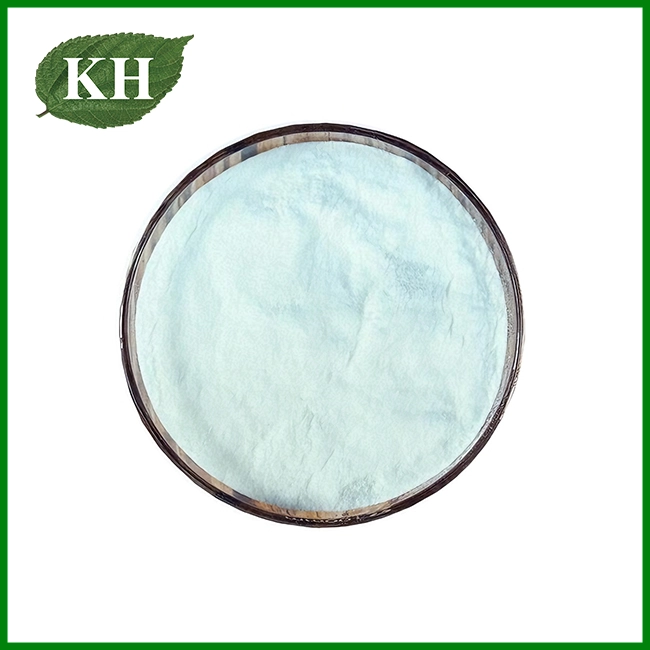
Using water and ethanol for natural extraction makes the product purer than manufactured options. This gentle method keeps the endoperoxide bridge intact while getting rid of chlorophyll, tannins, and waxes that aren't needed. The powder that was made is lighter (nearly colourless to off-white) and dissolves more quickly, which are both signs that it didn't change much in temperature during processing.
Controlling the source starts with gardening. Premium Artemisinin Powder comes from Artemisia annua plants that were grown in the best places possible, with controlled soil conditions, the right amount of sunlight, and the right time of year to gather the leaves when they have the most artemisinin. We work directly with authorised planting bases to make sure that the methods for choosing seeds, keeping an eye on growth, and harvesting follow written standard operating procedures. This vertical integration gets rid of the gaps in the supply chain that can lead to variation or fraud. When examining possible suppliers, ask for specific details about where the raw materials come from, such as where they were grown (organic vs. conventional), and proof of the harvest season.
Certifications and Compliance Frameworks
Full approvals prove that the products are made well and follow the rules. For quality control systems like ISO9001, food safety systems like FSSC22000, and facility-level certifications like GMP (Good Manufacturing Practices), look for providers that have these. For religious reasons, KOSHER or HALAL approval may be needed, especially for supplement and functional food uses. Hazard Analysis and Critical Control Points (HACCP) approval shows that food safety is managed in a planned way.
Regulatory compliance is more than just getting approvals for the industry. FDA registration shows that the supplier is regulated by U.S. laws, and following USP and EP standards makes sure that the quality is pharmaceutical-grade and suitable for making drugs. These credentials are especially important for contract manufacturers who work with a lot of different markets that have different rules about how they should do things.
Comparison of Artemisinin Powder with Alternative Solutions
Figuring out how Artemisinin Powder stacks up against other forms and sources of the drug can help formulators get the best results while keeping costs low. Whether you choose raw powder, encapsulated products, or synthetic derivatives depends on the needs of your application, the bioavailability you want to achieve, and your budget.
Powder Versus Finished Dosage Forms
Compared to pre-manufactured pills or tablets, raw Artemisinin Powder provides the most formulation freedom. When pharmaceutical makers and contract manufacturers buy powder in bulk, they have more control over the dosage strength, choice of excipients, and design of the delivery system. Powder can be mixed with other ingredients that work well together to make unique mixtures that set your product apart in a crowded market. Most of the time, the cost per milligram of active ingredient is cheaper for bulk powder than for finished tablet forms. This means that when you make a lot of it, you can make more money.
Capsules and pills are useful for companies that don't have the formulating skills or production facilities to make their own products. These finished goods don't need to be developed or come with expensive tools, so smaller brands can use them to see how well they do in the market before spending money on special formulations with Artemisia annua Extract Powder. The trade-off is higher costs per unit and less flexibility to change the strength or mix of ingredients as formulation science progresses.
Natural Extraction Versus Semi-Synthetic Production
Artemisinin Powder made from plants keeps the "natural" label that health-conscious consumers and clean-label brands like. This way of extracting keeps small amounts of phytochemicals that may work together to have positive effects, but more study needs to be done on these possible benefits. Natural extraction has a supply that changes based on crop yields, weather patterns, and agricultural cycles. Seasonal changes can affect prices and supply, so it's important to handle your inventory and relationships with suppliers in a smart way.
Using modified yeast to process and then chemical conversion to make semi-synthetic artemisinin ensures a steady supply all year long and may be cheaper. This biotechnology method makes it less reliant on factors in agriculture while still producing chemically identical molecules that meet pharmaceutical standards. Both natural and semi-synthetic artemisinin are inspected and tested for quality in the same way by the government. Your choice between them will depend on your marketing needs (natural vs. synthetic labelling), your preference for a stable supply chain, and a cost-benefit analysis based on your volume needs.
Derivative Compounds: Artesunate and Artemether
Artesunate and artemether are semi-synthetic chemicals that are derived from artemisinin and have been chemically changed to work better in the body. Artesunate dissolves better in water than other drugs, which makes it possible to make injection forms for treating serious malaria where fast blood concentration is important. Artemether has better solubility in lipids for intramuscular use and combination products. Because they need to be made in a certain way and with extra steps, these versions are more expensive.
In order to keep intellectual property protection and cost effectiveness, pharmaceutical companies that make ACT medicines usually start with raw Artemisinin Powder and derivatise it in-house. Smaller businesses or those that don't have the skills to make their own chemicals can buy derivatives that are already made. For fully integrated producers, raw Artemisinin Powder offers the most cost-effective starting point, while derivatives are better suited for contract manufacturers whose main focus is formulation and packaging rather than chemical transformation.
Navigating the Procurement Process for Artemisinin Powder
Quality security, cost optimisation, and supply continuity must all be balanced for buying to work well. Because it's hard to find pharmaceutical-grade plants, suppliers need to be carefully evaluated, and relationships need to be built so that production plans don't get thrown off.
Supplier Vetting and Due Diligence
Verifying certifications is the first step in finding trustworthy Artemisinin Powder manufacturers. Ask for copies of ISO, FSSC, GMP, KOSHER, HALAL, and FDA paperwork, and then check their authenticity on your own through the groups that issued them. In markets for botanical ingredients, where quality can change a lot from seller to vendor, supplier track records are very important. Ask current customers who work in similar fields and products for recommendations. Established suppliers that have been in business for a number of years show that they are stable, while newer suppliers need to have their quality processes and ties with other suppliers in the supply chain looked at more closely.
Transparency in the supply chain tells the difference between great sources and good ones. The best partners give full traceability paperwork that shows where the raw materials came from, how they were extracted, how they were tested, and how they were stored. They are happy to give you audit reports, batch records, and procedure specs so that your quality assurance team can check that they can do what they say they can do. We keep careful records of every batch, from choosing the seeds at partner cultivation bases to extracting, testing, packing, and sending the goods. This paperwork backs up regulatory reports and gives health officials around the world the batch-level traceability they are asking for more and more.
Pricing Structures and Commercial Terms
The price of Artemisinin Powder is affected by a number of factors, such as the level of purity, the number of orders, the market demand, and the season. Ultra-high purity material (99%+) costs a lot because it has to go through a lot of steps to get to pharmaceutical-grade standards. Standardised extracts (30% to 50%) have prices in the middle range and are good for nutraceutical uses where moderate potency meets the needs of the formulation. Lower concentration ratio extracts are more cost-effective for uses where artemisinin is one part of a mixture of more than one ingredient.
Through a number of different mechanisms, volume commitments make preferential pricing possible. Larger orders lower the cost of packing and handling each unit, and sellers pass these savings on to customers by making production more efficient. Annual buy agreements or quarterly minimums protect you from market changes by keeping prices stable. They also promise suppliers will make enough money to justify investing in your inventory. Many sellers offer flexible MOQ structures, such as small sample orders and sample numbers for product development, followed by commercial minimums, which are usually 25 kg drums, for production scaling. This tiered approach lets you test how well a formulation works before you spend a lot of money on inventory.
Logistics and Delivery Considerations
Artemisinin Powder needs to be shipped at room temperature and with moisture protection to keep its stability while in transit. Standard packaging uses 25 kg fibre drums with food-grade polyethylene liners inside to keep out light and moisture. Smaller amounts are sent in foil bags that are sealed and have desiccants inside. Make sure that the providers you're dealing with use the right packing materials and can give you the shipping paperwork you need, like airway bills, certificates of origin, and phytosanitary certificates for foreign botanical trade.
The timing of deliveries has a direct effect on planning output and the cost of keeping supplies. If you need something quickly, suppliers who keep popular specs in stock can send it to you via express courier within 3–5 work days. Shipping containers by ocean freight can take anywhere from 4 to 8 weeks, based on the port of origin and port of arrival. However, shipping goods in bulk is much cheaper per kilogram. Air goods have a middle time frame (1-2 weeks) and a modest cost boost. We keep a stock of specifications that are frequently bought so that we can ship quickly. For more specific needs, we can also process them to order within a fair lead time.
Practical Tips and Best Practices for Integrating Artemisinin Powder into Custom Formulations
To make a formulation work well, you need to think about more than just choosing the ingredients. You also need to think about the processing factors, stability tests, and quality control processes. These practical issues will show if your product continues to have therapeutic benefits for the whole time it's supposed to last.
Dosage Optimization and Application-Specific Guidelines
Pharmaceutical applications have to follow strict dosing rules that were set up by clinical research. For simple malaria, artemisinin-based combination medicines usually give 500–1000 mg of Artemisinin Powder equivalents over the course of three days. Different semi-synthetic products change these amounts based on differences in bioavailability. For example, artemether and artesunate are better absorbed, so smaller doses are needed to get the same plasma concentrations. When setting dosage guidelines, pharmaceutical formulators have to look at regional pharmacopoeias and regulatory advice papers.
For nutritional uses, there aren't any clear dosing guidelines like there are for pharmaceutical uses. Supplement makers usually put 100 to 500 mg of Artemisinin Powder in each dose, but these amounts are based on how the supplements are made and not on clinical evidence for specific health effects. New studies are looking into how artemisinin can affect the immune system and the inflammatory response, but supplement health claims are still limited until more human studies are done. Conservative dosing methods weigh the possible benefits against the unknown long-term effects, especially since studies on animals have shown that high doses for long periods of time can be harmful.
Formulation Compatibility and Stability Considerations
The main problem with formulating artemisinin for all uses is that it doesn't mix well with water. The compound dissolves easily in organic solvents but not at all in water, which limits the number of liquid supplements and drinks that can be made with it. This problem can be fixed in a number of ways. Liposomal encapsulation surrounds artemisinin particles with phospholipid bilayers that help them spread out in watery media and may also help them be absorbed better in the gut. Nanoemulsion technology makes submicron droplets that are floating in water-based media. This makes more surface area available for dissolving. Cyclodextrin complexation holds artemisinin molecules in circular oligosaccharide structures that make them more compatible with water. Each method raises the price and makes the process more difficult, but the benefits in increased solubility and use may make the investment worthwhile.
Forms of doses that are solid are easier to use. Tablets and capsules contain Artemisinin Powder along with common medicinal ingredients such as magnesium stearate (a binder), microcrystalline cellulose (a diluent), and croscarmellose sodium (a disintegrant). The crystalline structure of the powder makes it easy to flow for the encapsulation and tableting processes. The rate of dissolution is affected by the size distribution of the particles. Smaller particles dissolve more quickly, but they can be hard to handle because they create dust and static electricity. We can give you particle size standards that are made to fit your processing tools and the dissolution profile you want to achieve.
Quality Control and Storage Protocols
Before joining your production chain, incoming inspection processes make sure that the material that was given meets the requirements of the buy. Visual inspection (colour, particle size, and lack of foreign matter), identity proof (melting point, thin-layer chromatography), and potency verification (HPLC against approved reference standard) are all basic tests. Finding out the moisture content makes sure that the material hasn't picked up any moisture during transport, which could speed up the breakdown process. For well-known sources with a history of good quality, full microbial and heavy metal screening may happen less often. However, for pharmaceutical uses, full specification testing is usually needed on every lot.
Artemisinin Powder stays stable for as long as it is stored in the right way. Keep in cases that are tightly closed and out of the way of light, moisture, and high temperatures. The temperature should be below 25°C (77°F), and the relative humidity should be below 60%. Because the endoperoxide bridge is easily broken, artemisinin loses some of its effectiveness over time when it comes in contact with heat, light, or reactive chemicals. Pharmaceutical-grade materials usually have an expiration date of 24 months if they are stored according to the instructions. However, testing them on a regular basis can extend their usefulness if they stay potent. Use first-in, first-out inventory rotation to keep the age of materials at the time of use as low as possible.
Conclusion
When choosing Artemisinin Powder for custom formulations, it is important to look at its purity specifications, how it was extracted, the supplier's credentials, and the needs of the application. Manufacturers of pharmaceuticals and nutraceuticals need to make sure that the potency is checked using HPLC, that all batch documentation is kept, and that quality management systems are certified. Choosing between natural extraction and semi-synthetic production, as well as the amount of potency and the chemicals that come from it, affects both how well the product works and where it stands in the market. For buying partnerships to work, suppliers must be carefully screened, and business terms must strike a balance between low costs and reliable supplies. To make a good formulation, you need to know about the problems with dissolving artemisinin and use the right tools to make it more bioavailable while keeping it stable. All of these things together decide whether your end product meets regulatory standards and expectations for how well it works.
FAQ
1. What distinguishes artemisinin powder from whole Artemisia annua extract?
The active ingredient in Artemisinin Powder is the pure, separated compound that is taken from Artemisia annua leaves. It is usually standardised to contain between 30% and 99% pure artemisinin. Artemisinin is one of many phytochemicals found in whole plant extracts. Others are flavonoids, polyphenols, and volatile oils. While some nutraceutical makers prefer whole extracts because they think other plant ingredients provide synergistic benefits, pharmaceutical uses require purified Artemisinin Powder for exact doses and regulatory compliance. When it comes to therapeutic uses, pure powder gives clear pharmacokinetics, while the extract variety makes dose-response relationships more difficult to understand.
2. How do I verify artemisinin powder authenticity and prevent adulteration?
Artemisinin Powder needs to be checked using more than one chemical method. Using the right reference standards in HPLC research proves the identity of artemisinin and measures its concentration. Finding the melting point (150–153°C) is another way to confirm identity. A microscopic look can show if plant material has been replaced or filler has been added. Third-party laboratory testing at separate facilities adds to the trust in the verification process beyond the COAs given by the provider. Build ties with suppliers who can provide full traceability paperwork from cultivation to extraction, and check the quality systems of your providers on a regular basis. We send full analytical paperwork with every package, and customers are welcome to check out our facilities and the growing bases we work with.
Partner with a Trusted Artemisinin Powder Supplier for Your Formulation Needs
KH is an expert at making high-quality Artemisinin Powder with strength levels ranging from 3% to 99%. This powder is carefully removed from Artemisia annua plants using only pure water and food-grade ethanol. Our quality control starts at partner planting sites, where we keep an eye on the growing conditions. It continues at our ISO9001, FSSC22000, KOSHER, HALAL, and FDA-certified extraction facilities, and it ends with full HPLC testing of every production batch. We keep standard specifications in stock so that we can deliver quickly (within 3–5 days), and our application laboratory can help with custom formulations. Before making a big investment, you can test your recipe with small orders, and the minimum order quantity (MOQ) starts at 25 kg for production scaling. Our expert team helps you reach your product development goals by giving you advice on compounding, stable testing, and full regulatory paperwork. Contact info@kingherbs.com to talk about your unique needs and get samples from a reputable Artemisinin Powder maker that wants your formulation to succeed.
References
1. Health Organization of the World. (2015). Instructions on how to treat malaria. The third edition. WHO Press in Geneva.
2. Dr. Klayman, D. L. (1985). It is an antimalarial drug from China called Qinghaosu (Artemisinin). 1049–1055 in Science 228(4703).
3. Teeple, T. (2017). The herb Artemisia annua and its drug artemisinin have been used to treat cancer since ancient times. 46: 65–83 in Seminars in Cancer Biology.
4. Pharmacopeial Convention of the United States. (2020). Botanical Extracts is a chapter in the USP-NF manual. USP-Rockville.
5. Haynes, R. K. (2006). Different types of artemisinin antimalarials and how they are made, extracted, and related to old and new chemicals, as well as stereochemistry and medicinal chemistry needs. Current Topics in Medicinal Chemistry, vol. 6, no. 5, pp. 509–537.
6. Räth, K., Taxis, K., Walz, G., Gleiter, C. H., Li, S. M., & Heide, L. (2004). A study of the pharmacokinetics of artemisinin after taking a traditional preparation of Artemisia annua L. by mouth. (Wormwood Every Year). 70(2), 128–132 in the American Journal of Tropical Medicine and Hygiene.
Send Inquiry
Related Industry Knowledge
- How to Import Blueberry Extract Powder from Trusted Suppliers?
- Can Bamboo Leaf Extract Boost Antioxidant Levels Naturally?
- Mango Leaf Extract Powder Market Trends: What to Expect?
- What Makes Cortex Phellodendri Powder a Premium Ingredient?
- How to Identify Premium Bacopa Monnieri Extract Powder?
- Macleaya Cordata Extract for Antimicrobial Support
- Is Olive Extract Powder Effective for Inflammation Control?
- How Couch Grass Rhizome Extract Boosts Kidney Function?
- Vine Tea Extract: Antioxidant Power for Modern Wellness Formulas
- How Mango Leaf Extract Powder Supports Blood Sugar Balance?