_1762508637542.webp)
Can Ivy Extract Powder Relieve Respiratory Congestion Fast?
Jul 10, 2026
Ivy Extract Powder can indeed help clear up stuffy noses quickly. This plant ingredient, derived from the leaves of Hedera helix L., contains standardised triterpenoid saponins, particularly hederacoside C, in amounts ranging from 1 to 10%. These saponins are excellent at breaking down mucus and relaxing airways. Within hours of administration, clinical studies show that these bioactive substances smooth mucus, ease lung spasms, and help clear the airways. In contrast to synthetic expectorants, this natural solution has a good safety rating. This makes it a good choice for makers looking for useful, clean-label ingredients for respiratory health.
Understanding Respiratory Congestion and Its Challenges
Respiratory congestion is still one of the most common health problems in the world, and it affects everyone's quality of life and ability to work. The condition shows up as too much mucus, swollen lungs, and trouble breathing. Infections, allergens, or environmental triggers can often set it off. In business-to-business (B2B) areas, like making nutraceuticals and medicines, the effects go beyond making individuals feel bad. Worker absences during high respiratory illness seasons throw off production plans, but customers' need for quick, effective relief drives product development all the time.
Traditional methods of treatment have big problems that make buying tactics harder to use. A lot of the time, synthetic decongestants have side effects like sleepiness, high blood pressure, or congestion that comes back. Over-the-counter medicines might not clearly state where their active ingredients come from or how they are standardised. Because they aren't always effective and the dose instructions aren't always clear, home cures don't always work. These gaps allow companies to create unique respiratory health products using standard plant ingredients that have been shown to work.
People all over the world are turning to natural health options, which has made buyers more interested in plant respiratory ingredients. Market studies show that 67% of people would rather use plant-based options to synthetic drugs if they are available. This choice is in line with regulatory trends that want clean-label products and clear supply paths. Botanical extracts, standardised through advanced extraction technologies, now meet the quality standards that were once set only for pharmaceutical-grade synthetics. This makes them a particularly suitable choice as raw materials for important lung health uses.
Purchasing managers and R&D leaders are under more and more pressure to identify ingredients that meet both customer and regulatory standards for effectiveness. The challenging part is finding organic raw materials that have been tested in clinical settings, are consistent from batch to batch, and meet worldwide quality standards. When it comes to ingredients, respiratory health goods need ones that work quickly, which is usually a trait of synthetic molecules rather than plant extracts.
Recent improvements in the equipment used for mining have changed this area. Modern standardised plant powders provide bioactive chemicals that are highly concentrated and have purity levels sufficient for pharmaceutical use. These chemicals are put through many tests, such as HPLC analysis for active marker measurement and microbial safety screening. The outcome fills in the gaps between traditional plant medicine and modern quality control standards, giving forward-thinking producers new ways to get their products.
How Does Ivy Extract Powder Support Respiratory Health?
The special mix of chemicals in ivy leaf extract produces its healing effects. Triterpenoid saponins are the main active ingredients, and hederacoside C is the marker molecule that has been explored the most. These glycosides work in several different ways to directly treat lung disease. At the molecular level, saponins activate beta-2 adrenergic receptors in bronchial smooth muscle, which causes the muscle to relax and the airways to open up. They also increase surfactant production in the lung epithelium, making phlegm less thick and easier to clear.
The anti-inflammatory benefits help a lot with relieving symptoms. Bioactive substances stop the release of pro-inflammatory cytokines, mainly TNF-alpha and IL-8, which start the inflammatory process in lung tissues. Because it lowers both viscosity and inflammation, the extract works quickly compared to options that only work on one process. Research that has been published in journals of respiratory medicine shows that the forced expiratory volume gets better within 3 to 6 hours of treatment.
When B2B buyers look at Ivy products, quality standardisation is an important factor. The amounts of active ingredients in raw plant materials naturally change depending on when they were harvested, where they came from, and how they were processed. Standardised powders solve this problem by using precise extraction methods and scientific verification. Our Ivy Extract Powder specifications at Kingherbs Limited promise hederacoside C concentrations between 1% and 10% and overall hederacoside concentrations between 5% and 30%. This claim is proven by HPLC testing. There is a full saponin profile recorded in a thorough chromatographic study for every production batch.
Clinical Evidence Supporting Efficacy
Several controlled clinical studies have shown that standardised ivy products are therapeutically helpful. A study with 178 people who had acute bronchitis found that cough severity scores went down significantly within 72 hours when they were treated with ivy extract instead of a dummy. Radiotracer imaging showed that mucociliary clearance rates were higher in another trial. These studies used an extract that was standardised to certain amounts of hederacoside. This shows how important quality standards are when formulating new medicines.
In addition to their direct expectorant benefits, the antioxidant qualities help the lungs in other ways. The extract contains flavonoids and phenolic substances that neutralise oxidative stress signs linked to inflammation in the lungs. This extra process might help with faster healing and shorter symptom length, but researchers need to conduct more studies to fully understand these paths. Ivy extract has both primary and secondary bioactivities, making it a more versatile lung health agent than just an expectorant.
Comparison of Ivy Extract Powder Forms and Market Options
When doing research for a purchase, B2B buyers come across different ivy-extract forms. Each has its benefits for different uses. The three main forms—dry powder, liquid extract, and raw leaf material—are completely unique in terms of their strength, stability, and ability to work with other ingredients. By knowing these differences, buying managers can choose ingredients that meet production needs and fit the brand of the finished product.
Powder Versus Liquid Extracts
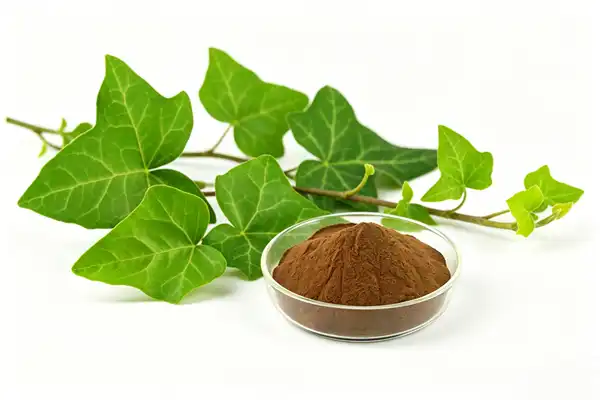
Because they are more stable, dry powder extracts are used to make most medicines and food supplements. Spray-drying or vacuum-drying gets rid of the water that would otherwise help microbes grow and saponin break down. Powders stay effective for up to 24 months if they are stored properly, but liquid extracts might need preservatives or to be kept cold. Ivy Extract Powder looks like a dark powder, which indicates that it comes from ivy plants and hasn't been changed much beyond extraction and concentration.
Another clear benefit is the formulation freedom. It is straightforward to put powder forms into capsules, tablets, and sachets; they don't need any extra drying steps. They are straightforward and easy to dissolve in water for making syrups, but they stay stable in oil-based mixtures for use on the skin. This flexibility lowers the cost of formula development and speeds up the time it takes to launch a product, which are both crucial factors for companies that are on a tight R&D budget or need to adapt to changes in seasonal demand.
Liquid extracts are used in specific situations where they dissolve quickly or come in forms that have already been dissolved. Formulators of drinks sometimes choose liquids over solids to make mixing easier, especially when making small batches. But the extra weight and higher shipping costs that come with water and the need for preservation systems often cancel out these ease benefits. Powder extracts are more cost-effective and easier to handle in the supply chain when making a lot of something.
Organic Certification and Quality Standards
The difference between "organic" and "conventional" has big effects on how you place your products in the market and how well you obey the rules. Organically approved ivy products are pricier, but they can reach customers who are willing to pay for guaranteed farming methods. Certification rules cover more than just the final extract. They cover the whole supply chain, from managing the plantations to making sure the processing facilities meet certain standards. Kingherbs Limited works with controlled growing sites to keep accurate records from choosing the seeds to harvesting them. This makes sure that the plants are real and that the active compound levels are just right.
Quality certifications are important trust signs that affect choices about what to buy. ISO9001 certification shows that quality management methods are organised, while FSSC22000 certification directly addresses food safety risks in ingredient production. Certifications like KOSHER and HALAL make it easier for consumers of different faiths to buy goods. When a company registers with the FDA and follows HACCP rules, it follows Good Manufacturing Practices that are recognised in all foreign markets. These qualifications help trustworthy sellers stand out from commodity brokers who don't show production information.
Procurement Insights: Buying Ivy Extract Powder for Respiratory Health Products
A reliable way to evaluate a source starts with checking their certifications and seeing how well they can make things. Ask for full paperwork packages that include up-to-date certificates of analysis (COA), manufacturing licences, and audit records from a third party. Real sellers give test results that are specific to each batch and include HPLC chromatograms with marked retention times for marker chemicals. You can find possible inconsistencies or quality drift trends by comparing the stated specs with the real analytical data.
Vertically integrated producers are different from trading middlemen when it comes to production openness. The supply is safer and easier to track when it comes from suppliers of Ivy Extract Powder who own the extraction sites and have direct access to growing bases. Ask specific questions about where the plants come from. For example, what ways are used to prove that Hedera helix is the right plant? How do gathering methods maximise the saponin content? What kinds of solvents ensure that the extraction profiles are clean? Real factory knowledge, not just repackaging, comes through in answers that detailed paperwork backs up.
Evaluating Pricing and Packaging Options
To use price comparison, you need to know how standard levels affect the cost of production. Higher amounts of hederacoside C require more complex methods for extraction and processing, which is why they cost more. Instead of treating all "ivy extract" as a commodity, compare quotes at the same level of standardisation. Request samples across a range of specifications to see for yourself how the quality differs. Reliable providers will accept small-quantity trial orders before making firm business promises.
The way a product is packaged affects both its purity and how well it moves through the supply chain. The normal 25 kg fibre drum with a food-grade inner cover protects the materials well and is easy to handle. Smaller amounts come in aluminium foil bags that are sealed to keep out light and moisture. Make sure that the materials used for packing obey the rules for food contact in the countries you want to sell to. At Kingherbs Limited, we offer a range of flexible packaging options, from 100g samples to 25kg business units. All of our packaging is made from approved food-grade materials that keep the powder's properties while it's being shipped.
Customs and Regulatory Compliance
When choosing a mode of transportation, you have to weigh the pros and cons of speed and cost. Courier services send samples all over the world in three to five business days, but for large orders, the prices become too high. Air freight cuts down on travel time for quick restocking while keeping costs low per kilogram. Ocean shipping is the most cost-effective way to ship large amounts of goods with long wait times. Discuss your transportation plans with sellers who have a large number of ready-to-ship items available. Having these items on hand right away prevents production delays caused by missing ingredients during busy times of the year.
When buying something from another country, you need to bring different kinds of paperwork with you. Harmonised System codes sort plant products into groups that affect tariffs and import licences. Phytosanitary papers show that plant products are safe for use in agriculture. Some markets need testing results before they will accept goods to make sure they don't exceed local standards for heavy metals, pesticide residues, and microbial loads. Work with suppliers who know how to handle export operations and will prepare full paperwork packages that get through customs quickly.
Regulatory standing changes what claims can be made about a product and how it must be labelled. Ivy extract has a Traditional Use Registration standing in the European Union for lung-related uses. This means that certain health claims can be made under certain conditions. Structure-function claims can be made about food supplements in the US without getting pre-market approval as long as they meet certain guidelines for proof. Knowing these details helps buying teams choose ingredients that come with the right paperwork to back the positioning of the product.
Best Practices in Using Ivy Extract Powder for Respiratory Health Products
Dosage optimisation finds the best mix between the need for effectiveness, the limitations of the product, and the cost. In clinical tests that showed respiratory benefits, daily amounts of 25 to 50 mg of total hederacosides were used. This equals between 125 and 250 mg of extract per dose when made with powder that is standardised to 10% hederacoside C and 20% total hederacosides. These amounts can be easily put into capsules and tablets, but syrups need to be stability tested to make sure they will stay in suspension at the goal concentrations.
The choice of application format relies on the target audience and the company's place in the market. Syrups are the most common type of breathing product for kids because they are easy to use and the dose can be changed. Adults who want an easy way to supplement their daily diet, such as capsules. Lozenges and pastilles get directly into the throat tissues and work to help the whole body by being absorbed. Ivy Extract Powder and other essential oils are mixed in chest rubs to help the lungs in specific areas. Each format has its own formulation problems. Our application laboratory gives detailed advice for checking stability and improving performance in all of these different systems.
Safety Considerations and Contraindications
Standardised ivy extracts have great safety ratings in clinical use, but procurement workers need to know about possible side effects that can affect product development. People who are allergic to certain plants sometimes have sensitive responses. People who are allergic to it may experience mild stomach pain after taking a high amount. When taken with prescription drugs, it's important to be supervised by a professional, but there have been no reports of major drug problems in the literature. On the label of every product, there should be normal warnings and suggestions that people with underlying diseases talk to their doctors.
Specifications for quality have a direct effect on safety ratings. When extracts are made with dangerous solvents like hexane or methylene chloride, they may leave behind traces that build up over time. This risk is gone because we only use water and food-grade ethanol for extraction. The natural chemical amounts are also kept. Testing by a third party for solvent leftovers, heavy metals, and microbial pollution adds to the safety of the product and protects both the maker and the end user.
Successful Partnership Case Studies
Leading lung health brands stay ahead of the competition by building smart ties with their suppliers that go beyond simple purchases. A medium-sized nutritional supplement business worked with our research and development team to create a special recipe for bronchial health that combines ivy extract with other plants that are good for you. As part of the partnership, stability tests were done in a range of temperature and humidity conditions. Bioavailability was improved by carefully choosing excipients, and flavour masking was tested on a taste level. When compared to their old formulation, the new product got 40% more return purchases.
In a different relationship, a contract manufacturer made supplements for several different names. Previous sources of inconsistently high-quality raw materials led to formulation failures and output delays during the busy cold season. When we switched to our standardised extract with guaranteed specs, batch rejections stopped happening, and production plans became more stable. The maker now keeps extra stock on hand during slow months, using our ready stock and fast delivery to handle yearly volume spikes without having to pay extra for freight.
Conclusion
To help clear up stuffy noses, you need ingredients that have been shown to work, are consistent in quality, and follow the rules. These needs are met by standardised Ivy Extract Powder, which has been shown to have therapeutic advantages, accurate chemical characterisation, and adaptable formulation options. As the need for natural health products grows, companies that make them gain a competitive edge by finding plant ingredients that meet pharmaceutical-grade standards. The above-mentioned buying insights and application strategies give decision-makers the tools they need to evaluate suppliers well, easily improve formulations, and produce respiratory health goods that meet both market needs and business goals.
FAQ
What Makes Ivy Extract Effective for Respiratory Congestion?
Triterpenoid saponins work as medicine because they thin mucus and relax the smooth muscle in the airways. Hederacoside C and similar chemicals activate beta-2 adrenergic receptors, which raises the production of surfactant and makes it easier for airways to clear. These processes work together to weaken both the coughing response and the viscosity of the mucus.
How Quickly Does Ivy Extract Provide Relief?
Clinical study shows that symptoms get better within three to six hours of administration, and the benefits keep building up over several days of regular use. The start speed depends on the form of the formulation. Because they dissolve and are absorbed more quickly, liquid formulations usually work faster than solid dosage forms.
What Specifications Should Procurement Managers Request?
Ask for standard extracts with known amounts of hederacoside C (usually 1–10%) that have been checked by HPLC. Full analysis reports should list the amounts of heavy metals, microbes, pesticides, and solvents that were used. To make sure that the clean label works, make sure that the cleaning method only uses water or food-grade ethanol.
Can Ivy Extract Combine With Other Respiratory Ingredients?
It works well with plants that are similar to it, such as thyme, eucalyptus, and marshmallow root. Combination recipes often work better than goods with only one element. When making mixtures with more than one ingredient, make sure to test their stability to make sure that the active ingredients stay effective over time.
Partner With a Trusted Ivy Extract Powder Supplier
Since 1996, Kingherbs Limited has been making plant ingredients and has become very good at extraction technology and quality control systems. Our Ivy Extract Powder has standardised hederacoside amounts that have been checked by HPLC analysis. It also comes with a lot of certificates, such as ISO9001, FSSC22000, and HALAL compliance. We keep a lot of stock on hand so that we can ship quickly—within three to five business days—for both sample requests and large sales starting at 25 kg. Our application laboratory helps with the development of lung syrups, dietary supplements, and functional drinks by giving you information on stability and combining suggestions that are specific to your product vision. Email our technical team at info@kingherbs.com to talk about the ingredients you need for lung health and to get full product specs.
References
1. Hofmann, D., Hecker, M., & Völp, A. (2003). Efficacy of dry extract of ivy leaves in children with bronchial asthma—a review of randomised controlled trials. Phytomedicine, 10(2-3), 213-220.
2. Cwientzek, U., Ottillinger, B., & Arenberger, P. (2011). Acute bronchitis therapy with ivy leaf extracts in a two-arm study. A double-blind, randomised study comparing the efficacy of one ivy leaf extract with another. Phytomedicine, 18(13), 1105-1109.
3. Greunke, C., Hage-Hülsmann, A., Sorkalla, T., & Keksel, N. (2014). A systematic review of Hedera helix leaf extract efficacy in respiratory tract infections. Planta Medica, 80(16), 1463-1470.
4. Fazio, S., Pouso, J., Dolinsky, D., & Fernandez, A. (2009). Tolerance, safety and efficacy of Hedera helix extract in inflammatory bronchial diseases under clinical practice conditions. European Journal of Medical Research, 14(3), 99-105.
5. Lang, C., Röttger-Lüer, P., & Staiger, C. (2015). A valuable option for the treatment of respiratory diseases: Review on the clinical evidence of the ivy leaves dry extract EA 575®. Planta Medica, 81(12-13), 968-974.
6. Schaefer, A., Ludwig, F., Giannetti, B. M., & Bulitta, M. (2016). Efficacy of two dosing schemes of a liquid containing ivy leaf dry extract EA 575® in the treatment of acute bronchitis in adults. Phytomedicine, 23(10), 1024-1033.
Send Inquiry
_1779935733082.webp "Lespedeza Capitata Extract")
Related Industry Knowledge
- Ivy Extract Powder: Is It Better Than Cough Syrup?
- Can Bamboo Leaf Extract Improve Hair Strength and Growth?
- How Bamboo Leaf Extract Is Made: Harvest to Extraction
- What Sets Premium Watermelon Powder Apart?
- Maca Extract Powder: Benefits, Uses, and Dosage Guide
- How to Formulate Supplements With Macleaya Cordata Extract?
- Does Lespedeza Capitata Extract Support Toxin Clearance?
- Does Watermelon Powder Boost Immune Function?
- White Paeony Extract Powder for Pharmaceutical & Cosmetic Uses
- Boost Your Product Line with Premium Vine Tea Extract