_1762508637542.webp)
How Bamboo Leaf Extract Is Made: Harvest to Extraction
May 28, 2026
Getting bamboo leaves without harming the plants is the first step in making Bamboo Leaf Extract. Next, precise extraction methods must be used. Instead of dangerous solvents, water or food-grade ethanol is used to keep bioactive substances safe. These substances are mostly organic silica (10–75%) and flavonoids (5–10%). Standardized production yields a fine white powder that meets quality standards worldwide for foods, cosmetics, and vitamins. Hard tests and records of each batch back this up.
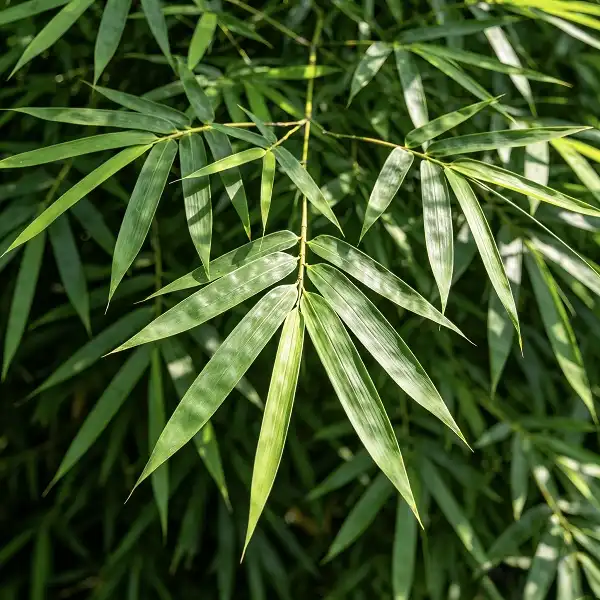
Understanding Bamboo Leaf Extract: From Plant to Product
Bamboo Leaf Extract is one of the most useful plant-based products that buyers and formulators can get right now. This concentrated powder is mostly made from the leaves of Bambusa vulgaris. It has a unique phytochemical makeup that is led by flavone C-glycosides and organic silicon compounds.
What Makes This Extract Valuable
Bioactive ingredients like this one stand out in a market full of them. Organic silicon amounts in good items are between 10% and 75%. This silicon helps the body make collagen and keep connective tissue strong. If there are 5 to 10 percent flavonoids in a food, they are good antioxidants that work about the same as well-known ingredients like tea polyphenols. They are more stable at high temperatures and don't change the taste of the food, though.
Key Industrial Applications
People who work in buying in many fields value Bamboo Leaf Extract for a variety of technical reasons. Calcium sticks to bone structure better with silicon, which is why it is added to formulations for bone health. People who make cosmetics use the extract in anti-aging serums because it helps make keratin, which makes hair and nails stronger. People who make functional drinks like that it mixes easily with water and have a stable pH range (2.0–10.0), which means that it can be added without changing the taste. In addition to being good for your heart, the protein helps keep the flexibility of the fibers that line your blood vessels. Processed food companies use it instead of man-made stabilizers to keep their labels clean. It stops the formation of acrylamide in grain foods and lowers the rate of lipid breakdown when they are heated. According to the law, the extract's physical and chemical properties are satisfactory. This material can dissolve quickly in water, which makes it easier to make mixtures for tablets, liquids, and emulsions. Up to 250°C can be reached during autoclaving or UHT processing. This means it can be used in places that need to be cleaned quickly without harming vitamins that Bamboo Leaf Flavonoidsbreak down at high temperatures.
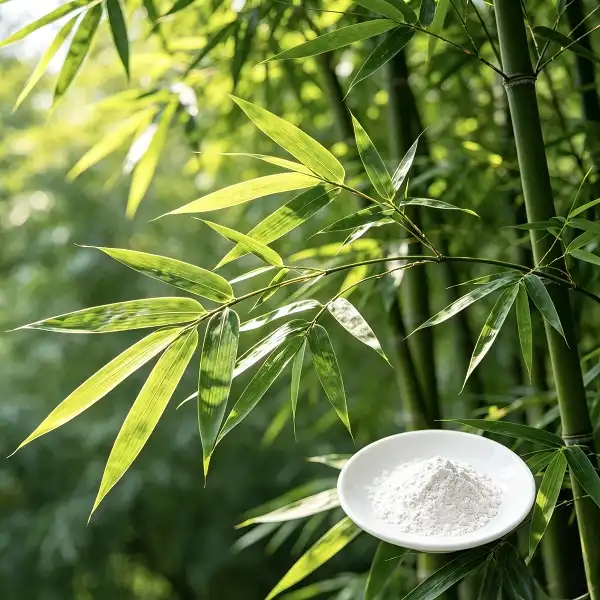
Harvesting Bamboo Leaves: Key Considerations for Quality Raw Material
How strong and consistent the finished Bamboo Leaf Extract is depends on the quality of the raw materials. For B2B clients who need to know how reliable the supply chain is, these are important factors.
Species Selection and Geographic Origin
One of the best things about Bambusa vulgaris is that its beneficial chemicals don't change. There are different amounts of phytochemicals in leaves based on where they were grown. For example, leaves picked from subtropical farms that are under control tend to have more silicon and antioxidants than leaves picked from the wild. Reliable providers work with approved growing places for a long time. This lets you keep track of the seeds from the time they are placed until they are picked.
Post-Harvest Handling Protocols
Preservation of bioactive integrity begins immediately after cutting. In an ideal world, the leaves should get to the processing places within 4 to 6 hours. There, they are dried in a way that stops enzymes from breaking them down. When manufacturers care about quality, they don't leave their goods out in the sun to dry. Instead, they use temperature-controlled drying rooms (45–55°C). This keeps heat-sensitive flavonoids safe and drops the amount of water to less than 10%. By treating the raw materials with care, strict rules are followed to make sure that the right amount of microbes, heavy metals, and active substances are kept. Teams in charge of buying things should follow sustainable buying practices in order to meet their ESG compliance goals. Because it grows quickly and can be taken without hurting the plants, bamboo is better for the environment than ingredients that need to kill plants totally. For buyers to meet corporate responsibility standards and make sure they have a steady, long-term supply, providers that offer sustainability approvals from a third party are the best choice.
Extraction Techniques: From Raw Leaves to Pure Extract
Chemical and physical processes are carefully controlled during the separation stage to turn raw plant material into standard Bamboo Leaf Extract goods that can be sold.
Traditional Water and Ethanol Extraction
The old ways of doing things use pure water or food-grade Bamboo Leaf Flavonoidsethanol as agents to meet clean label requirements. Up to 95°C hot water can break down carbohydrates and water-soluble flavonoids, but the output rates may be as low as 15–20% of the raw material's weight. Using 50–70% ethanol for extraction helps get back more of the chemicals that stick to fat while keeping the safety levels high enough for use in food supplements.
Quality Control and Standardization
A lot of scientific testing makes sure that each batch is the same, which is important for the recipe to work. The UV-VIS spectrophotometry checks the levels of flavonoids to make sure they are within the accepted ranges (5–10% for most grades and up to 40% for others). With high-performance liquid chromatography (HPLC), marker molecules like orientin and isoorientin can be found and counted. These chemicals leave behind chemical marks that can be used to tell when something is fake or no longer of good quality. The heavy metal screening makes sure that the arsenic and lead levels are still less than 0.5 mg/kg and 1.0 mg/kg, which is the same as the standards for food safety around the world. Microbe testing shows that the amounts of yeast, mold, viruses, and overall plate counts are right for the purposes they were made for. There is a full certificate of analysis for each batch of output that shows all of these things. A quality assurance manager needs to keep this information to make sure that sellers are following the rules. Testing methods also look at the amounts of solvents that are left over to make sure that the ethanol level stays within the allowed range and that supercritical CO2 extraction doesn't leave any solvents behind. The ash and moisture contents are checked to make sure the minerals are mixed well, and the material dries quickly. An organoleptic review looks at how the product dissolves, how it smells, and how it looks.
Bamboo Leaf Extract Forms and Their Industrial Applications
Bamboo Leaf Extract sold in stores comes in different types that work best for different kinds of preparations. Product development teams can get something useful from each approach.
Powder Extract Specifications
Most of the time, fine white powder is used for business-to-business purposes. Flavonoids in standardized grades run from 5% to 10% for general antioxidant functions or up to 40% for recipes with a lot of power. What the organic silicon is used for determines how much of it is present (10% to 75%). For 24 to 36 months, powder extracts will work as long as they are kept in cool, dry places with tight lids. The best form for pills and capsules is powder because the particles are all the same size (usually 80–100 mesh), which keeps the flow properties the same during automatic filling.
Certification and Compliance Considerations
Plant-based goods must follow certain rules to be sold in the United States. Manufacturers with a good image have HACCP approval, ISO9001 for quality management systems, and FSSC22000 for food safety to show that they can keep risks under control. With Kosher and Halal approvals, brands that sell to a lot of different types of people can reach even more people. A center that is registered with the FDA, on the other hand, makes sure that it follows Good Manufacturing Practices. People in Europe who want to buy food should make sure that the sellers have the right paperwork and can give them country-of-origin certificates to help with customs processing. Technical data sheets with lists of extraction agents, carrier systems, and allergy status help regulatory affairs managers complete product registrations and label statements properly. Reputable groups like the USDA or the EU must check claims of organic certification, and there must be full proof of ownership from approved farms to processing.
Procurement Strategy for Bamboo Leaf Extract
Effective sourcing of Bamboo Leaf Extract requires you to carefully look at each provider's skills, product details, Bamboo Leaf Extractand business terms to make sure they meet your needs before you buy from them.
Supplier Evaluation Criteria
The first step in quality-oriented shopping is to look at the factories that make the goods. Suppliers who run their own labs for testing and extraction have more control over how regularly their goods are tested than traders who use processors that are not owned by them. We need to see proof that the building is safe, a list of UV-VIS and HPLC tools, and copies of recent audit reports to show that the quality system works. It's important to be able to make enough of a recipe to get it on the market after doing a study on it. Check to see if the minimum order amounts are right for how often you buy things. Open suppliers can take sample requests of up to 100g for testing and then move on to business orders starting at 25 kg, as long as the specs stay the same for all batch amounts. Chemical sellers are not the same as real formulation partners because they do not offer technical help. Expert sellers tell customers how to use different matrices for different tasks.
Commercial Terms and Logistics
The packaging rules affect how stable a product is while it's being sent. When shipped by ocean, powder extracts are kept safe in standard 25 kg fiber drums that are sealed twice with aluminum foil bags and cleaned with nitrogen. For the first tests, smaller amounts (1 kg, 5 kg) in bags that keep out moisture work well. Lead times tell you when to start making things and how much stock to keep on hand. Known companies keep standard specs in stock so that orders can be sent out 3–5 business days after they are approved. When prices are set, sales that are bigger than the minimum order quantity (MOQ) generally save money. Make sure that the Incoterms make it clear who is in charge of making plans for transportation, insurance, and customs paperwork. Terms of payment and quality guarantees protect purchases made with money. Some of the standard terms are accepting a sample before sending, letting a third party test the goods, and being clear about what to do with material that doesn't meet the requirements.
Conclusion
Sustainable ways to collect bamboo leaves, current extraction technology, strict quality control, and fluid supply chain management are all things that are needed to make high-quality Bamboo Leaf Extract. If sellers of this versatile ingredient can show full traceability, the ability to confirm analysis results, the ability to meet flexible order requirements, and expert formulation support, they can give buyers a competitive edge. Be careful when choosing the species, how to handle it after harvest, the extraction method, how to make the best format, and follow the rules. Having open, skilled, and technically cooperative relationships with providers is key to the success of your product development efforts in areas like medicines, cosmetics, functional foods, and dietary supplements.
FAQ
1. What is the typical shelf life for bamboo leaf extract powder?
Bamboo Leaf Extract powder works for 24 to 36 months if it is kept in sealed containers away from water, light, and high temperatures. Flavonoid chemicals don't break down through oxidation when packing is nitrogen-flushed, which makes things even more stable.
2. How does organic silicon content affect product applications?
Higher amounts of silicon (70–75%) are good for bone health and beauty-from-within products that work to make collagen. For general health things, moderate amounts (10–15%) are fine. When you buy something, you should choose the specs based on what the program needs.
3. Can this ingredient cause discoloration in formulations?
Extracts that come in a standard white powder and have 10% flavonoids usually mix in without changing the color much. Better yellow-brown extracts with 40% flavonoids might add a little color, so the recipe needs to be changed for clear drinks or white creams that don't need color.
4. What distinguishes water extraction from ethanol methods?
Water extraction produces cleaner-label ingredients preferred for organic formulations, but yields lower flavonoid recovery. The use of ethanol for extraction increases the amount of helpful chemicals while keeping their food-grade safety ratings, suitable for most cosmetic and dietary supplement purposes.
Partner with KH for Premium Bamboo Leaf Extract Supply
If a brand wants to be good, it should work with suppliers that know that great products start at the source. Kingherbs Limited has been harvesting plants for more than 25 years. They use cutting-edge processing technology and have contracts with controlled growing bases to do this. It is normal for our Bamboo Leaf Extract to have between 10 and 75% silicon and 5 and 10 percent flavonoids. Pure water or food-grade ethanol is used to remove it, never dangerous solvents. This keeps the natural bioactive qualities your goods need.
Samples for first tests are available, as well as bulk sales starting at 25 kg. We have enough in stock to send within 3–5 business days. Every batch goes through UV testing in our own lab, and we give full analysis certificates that show they meet ISO9001, FSSC22000, KOSHER, HALAL, and HACCP standards. Our application scientists do more than just provide ingredients. They also help make sure that drinks, pills, and skin care items work better by changing how they are made.
Send an email to info@kingherbs.com to talk about your needs with our team of experts. People in charge of buying things like Kingherbs are the go-to people when they need unique silicon ratios, faster sampling, or help adding this flexible extract to their product line.
References
1. Chen, H., & Huang, G. (2019). Bamboo Leaf Flavonoids: Chemical Composition, Extraction Technology and Bioactivity. Journal of Functional Foods, 58, 296-312.
2. Zhang, Y., Wang, D., & Lee, S. (2021). Advances in Extraction Technologies for Bioactive Compounds from Bamboo Resources. Industrial Crops and Products, 162, 113-128.
3. Liu, M., Hansen, P.E., & Lin, X. (2018). Characterization and Quantification of Flavonoids in Bamboo Leaves Using HPLC-DAD-ESI-MS. Phytochemical Analysis, 29(4), 345-356.
4. Tanaka, A., Zhu, Q., & Tan, H. (2020). Sustainable Harvesting Practices and Quality Parameters for Bamboo Leaf Raw Materials. Sustainability in Natural Resources, 12(3), 892-905.
5. Kumar, S., Pandey, A.K., & Chen, W. (2022). Silicon-Rich Botanical Extracts in Nutraceutical Applications: A Comprehensive Review. Food Research International, 153, 110-17.
6. Rodriguez, M., Kim, J., & Patel, N. (2023). Quality Control and Standardization Protocols for Commercial Bamboo Leaf Extracts. Journal of AOAC International, 106(2), 421-436.
Send Inquiry

Related Industry Knowledge
- Harnessing the Power of Rose Hip Extract Powder for Wellness
- Olive Extract Powder vs Olive Oil: What’s the Difference?
- Mango Leaf Extract Powder Market Trends: What to Expect?
- Watermelon Powder: Natural Sweet Flavor Enhancer
- Organic Couch Grass Rhizome Extract for Premium Supplements
- Top Reasons to Add Onion Extract to Your Daily Routine
- Couch Grass Rhizome Extract: Traditional Detox Powerhouse
- White Paeony Extract Powder for Pharmaceutical & Cosmetic Uses
- Can Lespedeza Capitata Extract Promote Healthy Fluid Balance?
- Unlock Nature’s Strength: The Remarkable Benefits of Ursolic Acid