_1762508637542.webp)
Ivy Extract Powder: Is It Better Than Cough Syrup?
Jul 7, 2026
When they have trouble breathing, most people reach for regular cough syrup without thinking about herbal options. Ivy Extract Powder, on the other hand, is a normal plant ingredient made from Hedera helix L. leaves and is becoming more well-known as a natural way to improve lung health. This ingredient helps with cough symptoms by relieving mucus and relaxing airways, but it doesn't have the calming effects or artificial ingredients that many traditional treatments do. It does this by delivering standardized amounts of triterpenoid saponins, especially hederacoside C. With strong clinical proof and rising demand from formulators, we compare how well it works to regular cough syrups to help procurement workers make smart choices.
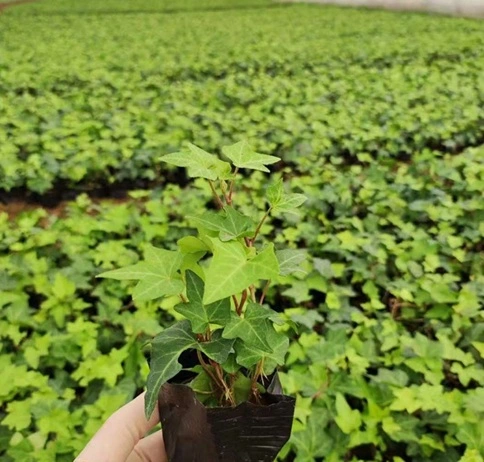
Understanding Ivy Extract Powder: Composition, Uses, and Benefits
How Ivy Extract Powder Works, What It Is Made Of, and What Its Benefits Are
Botanical Origin and Extraction Process
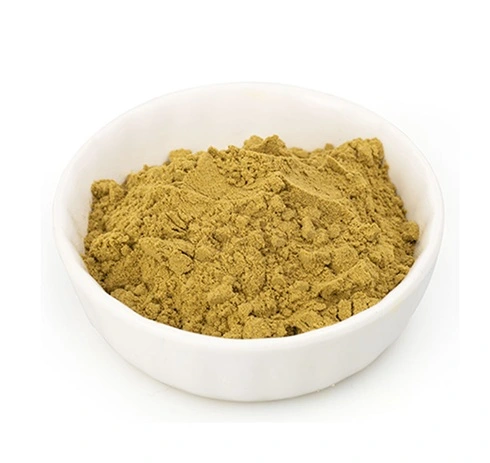
High-quality ivy leaf extract starts where it all starts: the plant. Kingherbs only uses pure water or food-grade ethanol to carefully remove our ivy extract. We never use harsh chemical agents. This method keeps the natural structure of the plant and achieves concentrations of 1% to 10% hederacoside C and 5% to 30% total hederacosides, as shown by HPLC tests. The dark powder that comes out of this process is very stable, soluble, and easy to flow, which are all important qualities for many industrial uses.
Our full traceability starts at the cultivation sites where we work with other companies. This stage is where we choose the varieties, make sure the soil is healthy, and decide when to collect. This exact upstream management gets rid of the batch-to-batch variation that many botanical providers have to deal with. This makes sure that the amounts of active compounds meet pharmaceutical and nutraceutical standards every time.
Key Active Compounds and Respiratory Benefits
Bioactive saponins in Hedera helix extract are what make it so useful for medicine. Hederacoside C and alpha-hederin work as secretolytics, which means they make more surfactant in the lung cells to thin and move mucus around. Results from clinical studies show that these substances can help people with acute bronchitis cough less often and breathe more easily.
Besides helping with breathing, the flavonoids and phenolic substances in standardized ivy products protect respiratory tissues from oxidative stress by acting as antioxidants. Botanical extracts are different from manufactured options that only treat symptoms because they work on both relieving symptoms and improving the health of the tissues underneath.
Safety Profile and Usage Guidelines
Ivy leaf products are safe for people of all ages, according to safety statistics collected over many years of use in Europe. The usual powder form lets you precisely control the dose, which is very important for kids and older people who might have bad reactions to fake cough suppressants. Our ISO9001, FSSC22000, KOSHER, HALAL, HACCP, and FDA certifications are proof that our quality control and regulatory teams look at new materials the right way.
Ivy Extract Powder vs Cough Syrup: Effectiveness and Advantages
Synthetic Ingredients vs. Botanical Compounds
Most over-the-counter cough syrups have dextromethorphan or codeine substitutes in them, which work on the central nervous system to stop coughing responses. While these substances are good at hiding symptoms, they come with risks like sleepiness, the chance of becoming dependent on them, and limited use in some groups. A lot of formulas also have fake sweeteners, colours, and chemicals that people are becoming less and less willing to eat.
Botanical options from Hedera helix work as expectorants through peripheral processes, which means they thin secretions instead of turning off defensive cough responses. Because of this basic difference in how it works, users can effectively clear their lungs without weakening their respiratory defences or feeling sleepy, which can get in the way of their daily lives.
Clinical Evidence and Long-Term Benefits
Ivy extract has been shown to help people with acute bronchitis in a number of placebo-controlled studies, showing big drops in how bad their cough was compared to the start of the trials. It's important to note that these studies showed results within 7–10 days, without the side effects seen with synthetic options. Triterpenoid saponins' anti-inflammatory qualities help tissues heal in addition to relieving symptoms right away.
When purchasing ingredients, purchasing managers should keep in mind that plant products offer a wide range of health benefits that are in line with what people want in natural health solutions. Products made with standardized ivy extract can be positioned as high-end while still meeting the clean-label standards that influence buying choices across all age groups.
Real-World Testimonials from Industry Buyers
Research and development heads at major supplement brands say that formulations with ivy extract make customers happier than synthetic options. One contract manufacturer in North America said that moving to standard Hedera helix powder cut customer complaints by 40% and increased the number of return purchases. These results from real life back up what clinical data says: using plants to improve lung health has measured benefits all along the supply chain.
Choosing the Right Ivy Extract Powder: Quality, Forms, and Brands
Distinguishing Extract Types and Potency Levels
It is important to know the changes between specifications when looking for plant ingredients. Ivy Extract Powder comes in two types: ratio extracts (usually 5:1 or 10:1), which show the concentration levels, and standardized extracts that are measured by the amount of active marker content. Standardized preparations with known hederacoside C percentages offer more stable formulations than ratio extracts, whose strength can change even when the extraction ratios stay the same.
The usual range for our products is 1% to 10% hederacoside C, and the range for all hederacosides is 5% to 30%. This range lets formulators choose the right level of strength for each product use—higher concentrations for therapeutic formulations, reasonable levels for dietary supplements, and lower concentrations for functional drinks that need light respiratory support.
Powder vs. Liquid Extract: Stability and Formulation Considerations
Choosing between powder and liquid types changes how the product is made and how stable it is when it's finished. Powder extracts have a longer shelf life (24 months if stored properly), are easier to keep track of, and can be used in both solid and liquid dose forms. We sell a brown powder that dissolves quickly in the right liquids. This makes it easy to add to drinking systems, capsules, tablets, and syrup formulas.
Some processes may be easier with liquid extracts, but they also come with problems, such as glycosides breaking down over time, being sensitive to temperature changes during shipping, and the need to control microbes. Instead of just looking at the price of the first item, procurement teams should look at the total cost of ownership, which includes things like stability, handling needs, and formulation versatility.
Verifying Quality Markers and Certifications
Reliable providers include a lot of paperwork with every batch. In our certificates of analysis, you can find thorough HPLC chromatograms showing saponin profiles, data from microbial tests, heavy metal screening, and pesticide residue analysis. Because of this, quality assurance teams can check that the product meets the standards of USP and EP monographs without having to do extra tests.
Regulatory approvals that go beyond basic manufacturing standards show that a provider is dedicated to quality systems. Our FSSC22000 food safety, ISO9001 quality management, and HACCP practices show that we run our business with the rigor that lowers supply chain risk. Our KOSHER and HALAL approvals make it easier for brands that want to sell to specific markets to get their products to more places without having to find different ingredient sources.
Procurement Insights: Sourcing Ivy Extract Powder for Bulk and Wholesale
Evaluating Pricing Structures and MOQ Requirements
The prices of botanical ingredients depend on many things, such as the supply of raw materials, the difficulty of extraction, and the need for standardization. When suppliers offer prices that seem too low to be true, they often cut corners on source quality or standardization rigour, which can lead to recipe inconsistencies or regulatory problems that cost a lot. Through vertical merger and efficient working systems, we can keep our prices low while maintaining the highest standards of quality.
Understanding the minimum order amounts helps you get the most out of your cash flow and inventory management. To meet the needs of a wide range of businesses, we can handle sample orders as small as 100g for initial testing, trial orders in 1kg, 5kg, and 10kg for formulating, and commercial orders starting at 25kg. This gives new brands access to high-quality products without having to worry about money, and it also helps established companies grow easily.
Delivery Schedules and Logistics Capabilities
The success of a product launch often depends on how reliable the supply chain is. Our ready-to-ship inventory lets us ship samples around the world within 3–5 business days, cutting down on the time it takes to build a product that usually takes weeks to get all the ingredients. Commercial orders are sent quickly by messenger, air freight, or ocean transport, based on how important they are and how much they weigh. Experienced shipping partners make sure the orders are handled properly while they're in transit.
Standard packaging is 25 kg fibre drums with food-grade inner bags. This keeps the product's quality while it's being shipped and makes the best use of storage space. Smaller amounts are sent in food-grade plastic bags that keep out moisture and contamination. This is one way that professional sellers are different from commodity traders.
Supplier Reliability: Certifications and Testing Protocols
To lower supply chain risk, suppliers must be carefully checked out. Aside from looking at certifications, procurement managers should also check how skilled providers are and how quickly they respond to quality concerns. Our application laboratory does more than just supply ingredients. It also helps with preparation, advises on stable testing, and checks for compatibility.
We have strict rules for testing raw materials as they come in, for controlling the process with clear key control points, and for checking produced products before they are sent out. This multilayered quality assurance system stops bad materials from getting into your supply chain. This protects your brand's image and keeps you from having to pay a lot of money to refund products.
Practical Guide: Integrating Ivy Extract Powder into Your Product Line or Supply Chain
Formulation Strategies for Different Product Formats
There are some format-specific issues that need to be thought through when adding plant extracts to respiratory health goods. The standardized ivy extract we sell works well in several different situations. The powder dissolves quickly and works with most sweeteners and agents, which is good for cough syrup recipes. The powder's great flowability and compressibility make it useful for capsules and tablets. With the right solubilizing agents, healthy drinks can make clear solutions.
During creation, technical teams should think about how saponins might combine with other parts of the formula. Our application experts give advice on the best pH ranges, the highest and lowest temperatures that can be used during processing, and the suitable additives that keep bioactive compounds stable. This joint method cuts down on formulation mistakes and speeds up the development process.
Regulatory Compliance Across Major Markets
To get around regulation systems, you need to know about the market. Ivy extract usually comes into trade in the US as an ingredient in dietary supplements, which is regulated by DSHEA. This means that it has to be made in accordance with current Good Manufacturing Practices and make the right structure-function claims. Herbal medicines have been used for a long time in European markets. Products made from ivy extract are often listed as traditional herbal medicines through certain regulatory paths.
Our detailed paperwork packages help with regulatory files by giving information about the plants, how they are processed, analytical requirements, and stability data. This kind of regulatory support sets ingredient providers apart from commodity traders who only care about deals because they know how to meet the needs of downstream compliance.
Supporting Downstream Partners with Documentation
Strong information flow is needed to make clear supply chains. We give downstream partners thorough product specs, safety data sheets, allergen declarations, and country-of-origin paperwork that they need to mark finished products correctly and follow the rules. Technical data sheets have ideas for how to make things, how to handle them, and how to store them. Quality teams use these sheets while production is going on.
Educational help also goes to the sales and marketing teams, whose job it is to tell customers about the benefits of a product. We give you scientific references, summaries of clinical studies, and suggested message frameworks that keep claim compliance while telling the natural health story that makes people want to buy.
Conclusion
When you compare Ivy Extract Powder to regular cough syrup, you can see that herbal methods have many benefits for respiratory health. Standardized Hedera helix extract has been shown to work by naturally relieving coughing and muscle spasms, without the calming effects and man-made ingredients that prevent traditional treatments from working. More and more scientific proof and customer desire for natural ingredients with clean labels make botanical extracts the best choice for brands that want to be ahead of the curve.
Procurement workers should give more weight to sellers who can show they have complete quality systems, clear paperwork, and expert support. These things have a lot more to do with the long-term stability of the supply chain and the success of the final product than the prices of the ingredients themselves.
FAQ
What dosage of ivy extract is effective for respiratory support?
In clinical tests that showed it worked, 150 to 300 mg of a standardized extract was given to people every day, split into two or three doses. The best amount depends on the level of standardization used. Higher levels of hederacoside C allow for lower milligram doses that still meet medicinal limits. Formulation teams should look at existing research that matches the level of standardization they want to achieve and the people they want to use it on.
Does organic certification impact extract potency?
Organic approval talks about how plants are grown and how they are processed, but it doesn't directly say how much of an active ingredient is present. But organic farming, which doesn't use man-made fertilizers and chemicals, might change how many secondary metabolites the source plants produce. Our quality control procedures make sure that both conventional and organic extracts meet certain requirements for medicinal content. This means that approval is mostly about positioning in the market and not about how well the product works.
How long does ivy extract remain stable in finished formulations?
Ivy extract-containing goods that are properly made usually stay stable for 18 to 24 months as long as they are kept away from too much heat, light, and moisture. Saponin stability depends on pH, oxidizer levels, and storage temperature. Accelerated stable testing during product development finds possible ways that the product could break down, and our technical team helps with protection strategies, such as using the right chemicals and packaging in a way that makes the product last longer.
Partner with KH for Premium Ivy Extract Powder Supply
Kingherbs Limited has pharmaceutical-grade Ivy Extract Powder and decades of experience making herbal products, and they are ready to help you make a lung health product. Our standardized extracts meet the strict requirements that quality-conscious brands need. They have confirmed hederacoside C content ranging from 1% to 10% and total hederacosides content ranging from 5% to 30%. As a company that has been selling Ivy Extract Powder since 1996, we can track it all the way from the authorized growers to the final customer using advanced extraction methods and strict testing procedures.
Email our scientific team at info@kingherbs.com to get samples, talk about special standardization needs, or get certificates of analysis with lots of information. Our application laboratory offers free formulation advice, information on stability testing, and help with regulation paperwork that cuts down on the time it takes to make a new product. We can take both small trial orders for initial testing and large commercial amounts at low wholesale prices, so you can work with us no matter how big or small your business is.
References
1. Hofmann D, Hecker M, Völp A. Efficacy of dry extract of ivy leaves in children with bronchial asthma—a review of randomized controlled trials. Phytomedicine. 2003;10(2-3):213-220.
2. Fazio S, Pouso J, Dolinsky D, et al. Tolerance, safety and efficacy of Hedera helix extract in inflammatory bronchial diseases under clinical practice conditions: A prospective, open, multicentre postmarketing study in 9657 patients. Phytomedicine. 2009;16(1):17-24.
3. Trute A, Gross J, Mutschler E, Nahrstedt A. In vitro antispasmodic compounds of the dry extract obtained from Hedera helix. Planta Medica. 1997;63(2):125-129.
4. Holzinger F, Chenot JF. Systematic review of clinical trials assessing the effectiveness of ivy leaf (Hedera helix) for acute upper respiratory tract infections. Evidence-Based Complementary and Alternative Medicine. 2011;2011:382789.
5. Schulte-Michels J, Keksel N, Göttel B, et al. Treatment with an extract of ivy leaves reduces the expression of inflammatory cytokines in activated human airway epithelial cells. European Journal of Pharmaceutical Sciences. 2019;138:105034.
6. Cwientzek U, Ottillinger B, Arenberger P. Acute bronchitis therapy with ivy leaf extracts in a two-arm study: A double-blind, randomized study versus another ivy leaf extract. Phytomedicine. 2011;18(13):1105-1109.
Send Inquiry
Related Industry Knowledge
- Mulberry Leaf Extract Powder for Skin Health: Any Benefits?
- Onion Extract: Nature’s Solution for Thinning Hair?
- From Stress Relief to Sleep Support: Valerian Root Extract Powder
- Isatis Root Extract Active Compounds Explained
- Is Valerian Root Extract Powder Right for You?
- Macleaya Cordata Extract in Modern Phytogenic Feed Additives
- Olive Extract Powder Benefits: Antioxidant & Health Support
- How Macleaya Cordata Extract Supports Immune Function?
- Purple Sweet Potato Extract in Premium Functional Beverages
- Why Japan Chooses China’s Purple Sweet Potato Natural Food Colorant?