_1762508637542.webp)
From Stress Relief to Sleep Support: Valerian Root Extract Powder
Apr 23, 2026
Valerian Root Extract Powder is one of the most important ingredients in the nutrition business because more and more people want natural ways to stay healthy. This concentrated plant extract comes from Valeriana officinalis L. It gives makers and formulators a scientifically proven way to make stress relief and sleep aid goods that work. This fine brown powder has a standardized valerenic acid content of between 0.2% and 0.8%. It has consistent bioactivity that bridges the gap between traditional herbal medicine and modern pharmaceutical standards. This makes it an important part for companies that want to cash in on the growing sleep wellness market.
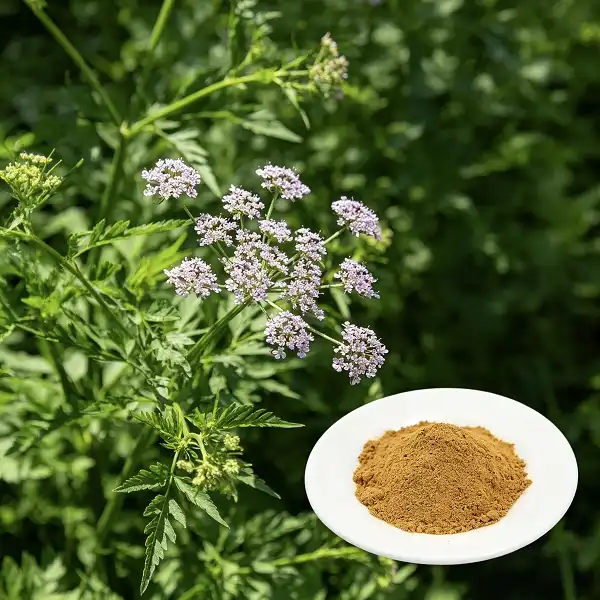
Understanding Valerian Root Extract Powder
Valerian Root Extract Powder is a clever botanical ingredient that comes from Valeriana officinalis roots that have been carefully processed to focus the healing chemicals they contain. Unlike raw valerian root, which can vary a lot from batch to batch, this standardized extract gives producers reliable potency and uniform performance across production cycles.
Biochemical Profile and Active Compounds
The healing power of valerian extract comes from the many phytochemicals that make it up. As the main functional markers, valerenic acids like acetoxyvalerenic acid, hydroxyvalerenic acid, and valerenic acid do their job. Together with volatile oils and sesquiterpenes, these chemicals change GABA receptors in the brain and spinal cord. According to a study in the Journal of Ethnopharmacology, valerenic acids improve GABA signaling. This makes the chemical useful for stress and sleep formulations because it makes GABA signaling stronger. Hydro-alcoholic solutions are often used in the extraction process to get the best yield of both lipophilic and hydrophilic components. Professional-grade extracts have a ratio of 4:1 or 10:1, which means that four or ten kilograms of raw root make one kilogram of compressed powder. This process of concentration not only makes the supplement stronger, but it also gets rid of soil-borne germs and lowers the number of microbes that are present. This addresses important safety concerns in supplement production.
Physical Properties and Manufacturing Advantages
The physical properties of modern valerian root extract are better than those of raw plant material. The fine brown powder usually has particles that are small enough that 95% of them can pass through an 80-mesh sieve. This makes sure that the powder can flow easily during the packaging and tableting processes. The bulk density is between 0.40g/ml and 0.60g/ml, which makes it easier to package and lowers the cost of shipping for business-to-business buyers. Good companies use deodorization technologies to lessen the strong smell of isovaleric acid, which is a frequent customer problem that can make people not want to buy the product. This improvement in processing lets formulators add higher amounts without hurting the user experience, which leads to better dosing methods.
Comparing Valerian Root Extract Powder with Alternative Sleep and Anxiety Aids
There are a lot of different sleep aids on the market, and each one has its own pros and cons that affect the choice of which to buy. By knowing these differences, producers can choose products that are right for their customers and follow the rules set by regulators.
Valerian Extract Forms: Powder vs. Alternatives
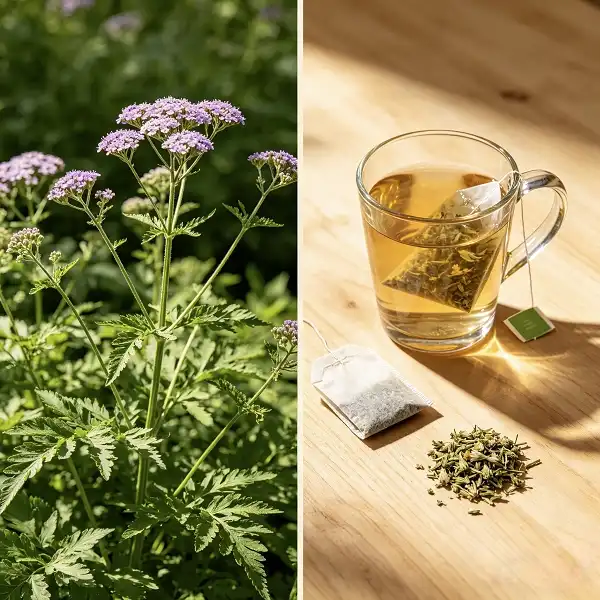
Traditional valerian products include drinks, pills, and tinctures. For business uses, Valerian Root Extract Powder is more flexible. Tea preparations usually have 2 to 4 grams of raw herb per dose, but the amount of active compounds varies because the extraction process isn't always efficient during boiling. To get therapeutic amounts of encapsulated whole herb, pill sizes need to be bigger, which raises production costs and makes people less likely to take their medicine as prescribed. Extract powder gets around these problems by giving you concentrated bioactivity in smaller amounts. Standardized extract powder in 300 mg doses has the same therapeutic effect as 1200 mg of raw herb. This lets makers make dosing forms that are easier to use. This focus benefit is especially useful for making gummies and drinks, where the amount of an ingredient has a direct effect on how they taste and feel.
Competitive Analysis Against Other Sleep Ingredients
Melatonin is still the most common ingredient in sleep aids, but it can't be used everywhere because of rules in some countries. In many EU member states, melatonin is considered a drug, which makes it hard for companies that make food supplements to follow the rules. Valerian extract has regulatory benefits because it is a traditional plant ingredient that has been shown to be safe in many countries. Passionflower extract and L-theanine are two other natural alternatives, but clinical studies showing that valerian can help with sleep are the best proof. A study in Sleep Medicine Reviews looked at 16 randomized controlled trials and found that valerian significantly improves perceived sleep quality compared to a placebo. The effects were about the same size as those seen with prescription sleep drugs.
Organic vs. Conventional Extract Considerations
To meet customer tastes and premium positioning strategies, procurement teams are putting more and more emphasis on organic certification. The price of organic valerian root extract is 15–25% higher, but it lets marketers make health-related claims that appeal to that group. On the other hand, conventional extracts from GMP-certified sources often have the same safety and effectiveness ratings while being more cost-effective for mass-market uses. Quality standards like ISO9001, FSSC22000, KOSHER, HALAL, and HACCP give you more ways to stand out, even if your product isn't pure. These certificates show that a company makes high-quality products, and make it easier to get into niche markets with strict rules.
Usage Guidelines and Safety Considerations
Dosing procedures and safety rules are the building blocks of good product development, and following the rules set by regulators. By understanding these factors, producers can make formulations that work well while reducing the risk of harm.
Dosage Recommendations and Clinical Evidence
Clinical tests show that taking between 300 mg and 600 mg of standardized valerian extract every day can help with sleep and nervousness. As a starting point, the American Herbal Products Association suggests taking 300 mg 30 to 60 minutes before bed. Depending on how well the person responds, the amount could be increased to 450 mg. Pharmacopsychiatry released research that showed that taking 600 mg every day reduced sleep delay the most without making people sleepy the next day. Timing is very important for both customer happiness and product effectiveness. Synthetic sleep aids start to work within 15 to 30 minutes, but valerian extract usually takes 60 to 90 minutes to reach its full potential. Because the effects start later, the label needs to include clear directions to manage customers' expectations and stop eager users from taking too many doses and overdosing.
Manufacturing Integration and Formulation Strategies
Valerian Root Extract Powder works well in a number of different delivery methods, such as functional drinks, pills, tablets, and gummies. The powder is stable enough to be used for long periods of time at normal industrial temperatures up to 60°C. This means it can be used to make hot drinks and compressed tablets. Studies on the compatibility of excipients show that popular manufacturing tools like magnesium stearate, silicon dioxide, and microcrystalline cellulose are very stable. However, iron compounds may speed up the oxidation of flammable oils, which needs to be carefully thought out in multivitamins that contain iron sulfate or iron gluconate.
Safety Profile and Contraindications
Valerian is Generally Recognized as Safe (GRAS) for food use, which is based on a lot of safety statistics. Adverse effects are still very rare and usually mild. For example, less than 2% of users in clinical studies experienced headaches, dizziness, or stomach problems. These effects normally go away 48 hours after stopping the drug. Pregnancy and breastfeeding are not recommended because there is not enough safety information, but common use suggests low risk. Most drug interactions involve booze, benzodiazepines, and other CNS depressants, making you sleepier. Doctors should keep an eye on patients who take valerian with prescription sleep aids to make sure they don't become too sleepy.
Global Procurement and Sourcing Strategies for Valerian Root Extract Powder
To buy right, you need to carefully evaluate suppliers and use smart sourcing methods that balance quality, cost, and the dependability of the supply chain. The world market for valerian extract has both chances and challenges, but buyers who know what they're doing can make it through it.
Supplier Qualification and Quality Assurance
Leading suppliers show their dedication to quality by having many certificates and making their production processes clear. ISO9001 certification means that quality management is done in a planned way, and FSSC22000 certification deals with food safety issues that are unique to nutritional uses. Implementing HACCP gives you more confidence that contamination will not happen during production.Professional sellers are different from commodity traders because they can test their products by a third party. Manufacturers of good products give a Certificate of Analysis for every batch that includes HPLC testing for valerenic acid content, microbial screening, heavy metal analysis, and testing for pesticide residue. These papers are very important for regulatory reports and customer checks. Traceability tools let providers keep track of raw materials from the time they are grown until they are packaged. Premium providers keep in touch with certified growing operations and control the inputs used in the crops and the time of harvesting to get the highest levels of active compounds. This method of vertical integration lowers the risks in the supply chain and ensures that the quality of the raw materials stays the same.
Market Dynamics and Pricing Strategies
The price of valerian extract around the world depends on a lot of things, like the supply of raw materials, how hard the extraction process is, and the quality standards. Standard extracts cost between $25 and $45 per kilogram on the market right now, while premium organic types with better standardization cost between $60 and $80 per kilogram. Some people buy things in bulk to save a lot of money. Volume prices usually start at 500 kg orders and hit their peak efficiency at 2000 kg orders. But inventory management has to take into account that the element has a 24- to 36-month shelf life and needs to be stored in a way that keeps the temperature stable and keeps wetness out. Due to crop cycles in major growing areas like Eastern Europe and North America, prices change with the seasons. Strategic buyers usually sign one-year contracts with set prices to keep prices stable and make sure they can plan their production.
Supply Chain Risk Management
Geographical concentration in valerian farming can cause supply problems that buying teams need to deal with by using a variety of sourcing strategies. Germany, France, Belgium, and some parts of the United States and Canada are the main places where it grows. Changes in these areas' laws and the effects of climate change can affect what's available and how much it costs. Alternative providers in developing markets like China and India may be cheaper, but they may need stricter quality control measures. To make sure that foreign quality standards are met, due diligence should include checking the facilities, the processes, and the testing methods in more depth. When it comes to transportation, things to think about include shipping needs that depend on temperature and the paperwork needed for foreign trade customs. Professional suppliers can help you with the steps of importing and exporting goods and make sure you have the right protection to cover any losses or delays that might happen during shipping.
Maximizing ROI with Valerian Root Extract Powder in Your Product Line
To strategically add valerian extract to product lines, companies need to know about market trends, customer tastes, and new formulations that give them a competitive edge and help them make money.
Market Opportunities and Consumer Trends
The world market for sleep aids hit $15.6 billion in 2022, and it's expected to grow at a rate of 6.8% per year until 2030. This is because working people are becoming more stressed out and having trouble sleeping. As people who are worried about becoming dependent on pharmaceutical sleep aids look for options, natural ingredients are gaining market share. According to demographic research, the brand is especially strong with millennials and Generation X customers who value natural health solutions and are willing to pay more for high-quality products. According to market research, 73% of people would rather use herbal sleep aids than manufactured ones when the effectiveness ratings look the same. Combination formulas offer a big chance to stand out and make products work better. Passionflower and valerian together can help reduce nervousness, melatonin and valerian together can help your body's circadian rhythm, and magnesium and valerian together can help relax your muscles. When these methods work together, they allow for premium placement and better results for customers.
Product Development and Innovation Strategies
Valerian can be used in more ways than just pills and tablets with modern delivery methods. Gummy recipes appeal to people who like to enjoy their food, while beverage apps target people who like things that are easy to use. Valerian Root Extract Powder works well in these new forms as long as it is made in the right way to hide taste and smell. Micro-encapsulation technologies can be used to hide tastes and control when they are released. These new processing methods make it possible to add them to functional foods like energy bars, drinks, and baked goods without changing their taste or texture. The goods that come out of this can command higher prices and appeal to a wider range of customers. Private labeling lets smaller brands get high-quality valerian products without having to buy large amounts at once, which usually keeps new companies from doing business. Contract makers that focus on natural goods can often help with formulation, give regulatory advice, and make finished products, all of which speed up the time it takes for new ideas to reach the market.
Quality Differentiation and Marketing Advantages
Standardization levels make it easy to stand out in markets that are already full of products. Products with 0.8% valerenic acid can say they are more effective than rivals using 0.2% extracts, which supports tactics that charge higher prices. Documentation from a third-party testing of the product and manufacturing qualifications for pharmaceutical-grade products also boosts trustworthiness with picky customers. Target groups that care about the environment respond strongly to messages about sustainability. Downstream brands can successfully show they care about the environment when their suppliers use organic farming methods, green energy sources, and minimal packaging. Tracking at the batch level, results of contaminant tests, and paperwork of the supply chain are all examples of transparency efforts that help build customer trust and support premium marketing. Brands that give customers detailed quality information tend to have more loyal customers who don't care as much about price as competitors who only make general claims about quality.
Conclusion
Valerian Root Extract Powder is a great way for companies that want to cash in on the growing demand for natural ways to sleep and deal with stress. Its proven effectiveness, good safety profile, and legal support across foreign markets make it an important ingredient for creating new products. The standardized extract format is much better than traditional preparations because it is more potent, easier to make, and gives you more options for how to make the product. As people continue to look for natural ways to improve their health, adding high-quality valerian extract to sleep aids can help them stand out from the competition and grow in a way that lasts.
FAQ
What is the optimal dosage of Valerian Root Extract Powder for sleep support?
Clinical research supports doses ranging from 300mg to 600mg daily, taken 30-60 minutes before bedtime. Most studies show that 400 mg works, which is the best dose for commercial products because it is both efficient and cost-effective.
Are there any known drug interactions with valerian extract?
Valerian may make you sleepier when taken with alcohol, benzodiazepines, or medical sleep aids. To avoid over-sedation, healthcare workers should keep an eye on patients who are taking multiple CNS depressants.
How should manufacturers verify supplier quality and reliability?
As part of essential proof, ISO certifications must be looked at, batch-specific Certificates of Analysis must be requested, facility checks must be carried out, and traceability paperwork must be confirmed. Testing by a third party for bacterial safety, active chemicals, and contaminants is another way to make sure the quality is high.
What storage conditions are required for maintaining extract potency?
For best keeping, keep the temperature below 25°C, the relative humidity below 60%, and keep the items out of direct sunlight. When stored properly, the extract stays active for 24 to 36 months when kept in cases that don't absorb moisture.
Can valerian extract be combined with other sleep-supporting ingredients?
Valerian works well with elements that work well with it, such as passionflower, L-theanine, magnesium, and melatonin. These combos often make products more effective and help them stand out in markets with lots of competition.
Partner with KH for Premium Valerian Root Extract Powder Supply
KH (Kingherbs Limited) stands ready to support your formulation goals with pharmaceutical-grade Valerian Root Extract Powder that has a normal range of 0.2% to 0.8% valerenic acid content. Our many quality certificates, such as ISO9001, FSSC22000, KOSHER, HALAL, and HACCP, show that we are always striving for greatness. We keep a lot of stock on hand so that we can ship quickly—within three to five business days—and we offer a range of ordering choices, from small samples to commercial amounts over 25 kg. Our expert team can help you with formulation, do stability tests, and come up with custom ratios to make your product work better. Get in touch with our knowledgeable buyers at info@kingherbs.com to find out how our dependable Valerian Root Extract Powder seller services can help your products and help you succeed faster in the market.
References
1. Bent, S., Padula, A., Moore, D., Patterson, M., & Mehling, W. (2006). Valerian for sleep: a systematic review and meta-analysis. American Journal of Medicine, 119(12), 1005-1012.
2. Fernández-San-Martín, M. I., Masa-Font, R., Palacios-Soler, L., Sancho-Gómez, P., Calbó-Caldentey, C., & Flores-Mateo, G. (2010). Effectiveness of Valerian on insomnia: a meta-analysis of randomized placebo-controlled trials. Sleep Medicine, 11(6), 505-511.
3. Koetter, U., Schrader, E., Käufeler, R., & Brattström, A. (2007). A randomized, double blind, placebo-controlled, prospective clinical study to demonstrate the clinical efficacy of a fixed valerian hops extract combination in patients suffering from non-organic sleep disorder. Phytotherapy Research, 21(9), 847-851.
4. Leathwood, P. D., Chauffard, F., Heck, E., & Munoz-Box, R. (1982). Aqueous extract of valerian root improves sleep quality in man. Pharmacology Biochemistry and Behavior, 17(1), 65-71.
5. Schulz, H., Stolz, C., & Müller, J. (1994). The effect of valerian extract on sleep polygraphy in poor sleepers: a pilot study. Pharmacopsychiatry, 27(4), 147-151.
6. Stevinson, C., & Ernst, E. (2000). Valerian for insomnia: systematic review of randomized clinical trials. Sleep Medicine, 1(2), 91-99.
Send Inquiry
Related Industry Knowledge
- How to Use Bacopa Monnieri Extract Powder Effectively?
- Is Wild Yam Extract Powder the Future of Hormone Care?
- Can Onion Extract Improve Hair Growth Naturally?
- High-Purity Isatis Root Extract for Supplements
- Sustainable Growth Support with Macleaya Cordata Extract
- Can Mango Leaf Extract Powder Reduce Inflammation Naturally?
- White Paeony Extract: Anti-Inflammatory Advantages Explained
- How Purple Sweet Potato Extract Supports Metabolic Balance?
- Can Mulberry Leaf Extract Powder Help Reduce Carb Absorption?
- Why US Buyers Choose China for Mango Leaf Extract?