_1762508637542.webp)
Maral Root Extract Dosage: What Should First-Time Users Know?
Oct 8, 2026
If you're sourcing maral root extract for the first time, one of the most common questions is, 'How much is the right amount?' Maral root extract, derived from the roots of Rhaponticum carthamoides, is an adaptogenic botanical standardized for beta-ecdysterone content—a non-hormonal compound that supports protein synthesis, physical endurance, and stress resilience. For procurement managers and product developers, understanding dosage parameters is the first step toward building formulations that perform. This guide walks through composition, recommended use levels, safety, and supplier evaluation in plain, practical terms.
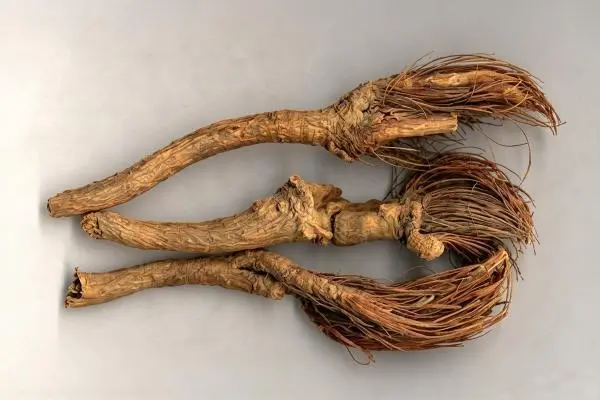
Understanding Maral Root Extract: Composition and Benefits
The roots of the annual plant Rhaponticum carthamoides, which is native to parts of Eastern Europe and southern Siberia, are used to make maral root extract. 20-hydroxyecdysone, which is also known as beta-ecdysterone and is a phytoecdysteroid, is its main bioactive compound. Beta-ecdysterone, on the other hand, doesn't work with androgen receptors. Instead, it promotes muscle protein production via the PI3K/Akt signalling pathway. Because it doesn't work through hormones, this ingredient is often used in "clean label" supplement lines.
Active Compounds That Matter
Polyphenols, flavonoids, organic acids, and beta-ecdysterone are all found in the powder. These extra substances give the body more antioxidant and immune-boosting benefits than a single-molecule extract. It is standardized to 10% to 95% beta-ecdysterone, which can be confirmed by HPLC. This gives formulators precise control over the amount of active ingredient in each dose.
How It Compares to Other Adaptogens?
Rhaponticum carthamoides root extract has a more focused ergogenic profile than ginseng or maca. While ginseng and maca are mostly used to treat mental fatigue and hormonal imbalance, marial root extract is especially useful for sports nutrition and high-performance animal feed because it helps the body recover ATP, lower lactate levels, and keep nitrogen in the body.
Why B2B Buyers Find It Commercially Viable?
More and more people want to buy pure performance chemicals. Without the legal risks linked with synthetic growth boosters or hormonal substances, maral root extract satisfies this need. It works well with organic and clean-label products, which are becoming more and more important to buy in the US nutrition and functional food markets.
Determining the Right Dosage for First-Time Users
Getting the dose right is important for both the end user's safety and the product's effectiveness. The right level depends on the type of product, the concentration of the extract, and what the finished product is supposed to do.
Standard Dosage Ranges by Product Form
Clinical research shows that between 300 mg and 500 mg per day of a substance standardized to at least 5% beta-ecdysterone works well for adults. When you use high-concentration extracts, like 40% or 95% standardisations, the amount of mass per serving goes down a lot. When making a new product for the first time, formulators should begin at the lower end of the clinical range and make changes based on the application and target population.
Capsules vs. Powders vs. Tinctures
Capsules and tablets are the best ways to give vitamins because they keep the extract from going bad and hide its naturally bitter taste. Powder forms are more adaptable for useful food and drink uses, but they need help with solubilisation at higher purity levels. For liquid plants, tinctures work well, but you need to make sure that the solvents don't react badly with the plant material. For example, ethanol is usually used to remove the real Rhaponticum root extract.
Dosage Adjustments for Specific Goals
For formulas that focus on energy and stamina, a daily dose of 300–400 mg of a 10:1 ratio extract is a reasonable starting point. Formulators often aim for higher ecdysterone levels to help muscles heal. Animal nutrition programmes, such as those for horse performance or livestock growth, determine the dose per kilogram of body weight. Based on published feeding studies, the starting dose is usually 5–10 mg/kg body weight per day.
Safety Considerations and Potential Side Effects
The safety of maral root extract has been thoroughly documented. It has a high LD50, and tests on humans and animals have shown that it doesn't virilize or androgenise and that it's not very dangerous at recommended amounts.
Common Mild Reactions to Monitor
Some first-time users say the extract makes their stomachs hurt a little, especially when they take it on an empty stomach. People who are allergic to plants in the Asteraceae family may have rare allergic reactions. Because of this, people who make products should put a warning on the labels of finished goods.
Interactions With Other Botanicals
In multi-ingredient products, maral root extract is often mixed with tribulus terrestris, ashwagandha, or Siberian ginseng. There have been no reports of major side effects in written journals. When combining high-potency extracts, however, procurement teams should ask for batch-level documentation to ensure that active compound levels stay within target ranges after blending.
Long-Term Use Protocols
Because the extract is adaptogenic, cycling plans are sometimes suggested. These usually involve doing the extract for 4 to 8 weeks and then taking a break for 1 to 2 weeks. Continuous addition within safe feeding rates is usually acceptable for animal nutrition. To keep dosing the same from one production run to the next, quality assurance managers should set specification limits during the formulation stage.
Choosing the Right Maral Root Extract Supplier and Product
Choosing a supplier has a direct effect on the quality of the end product. There are many different claims about how pure plant extracts are, and it is known that cheaper ecdysteroid sources like Cyanotis arachnoidea are used to make them less pure.
Key Certifications to Request
A trustworthy company that makes maral root extract should have ISO9001, FSSC22000, HACCP, FDA registration, and, if necessary, KOSHER and HALAL approvals. These labels show that the controls used in production, the systems for tracking products, and the rules for food safety meet international standards. Kingherbs Limited has all of these things and has been extracting plants for more than 25 years, starting in 1996.
Why Botanical Origin and Extraction Method Matter?
Real Rhaponticum carthamoides root from Siberia provides a wide range of phytoestrogens that separate Cyanotis products can't match. Kingherbs only uses food-grade ethanol to process maral root extract; they don't use any harmful industrial solvents. This keeps the natural polyphenol and flavonoid profile while still meeting food safety standards. The fine brownish-yellow powder that is made dissolves more than 98% of the time in standard matrices in just five minutes.
Documentation and Batch Consistency
HPLC chromatograms showing exact active compound profiles should be sent with every commercial shipment. Kingherbs keeps the difference between batches of ecdysterone to less than 2%. You can get 4:1, 10:1, and 12:1 ratio extracts, as well as standard grades ranging from 10% to 95% beta-ecdysterone. Commercial orders are sent out in 25 kg drums, and first-time buyers can get samples or place small trial orders.
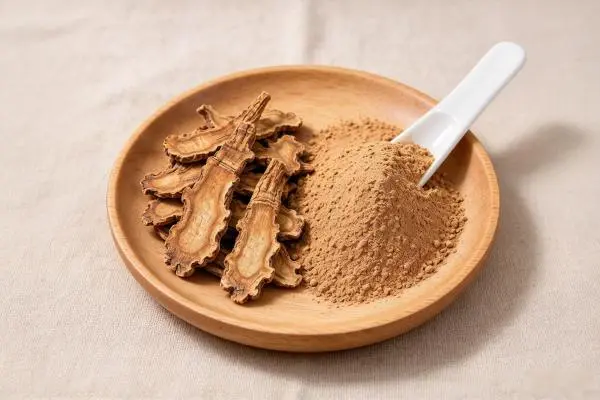
Practical Guide: How to Use Maral Root Extract Effectively in Your Supply Chain
It takes more than just buying materials to add a plant extract to a production line. How well the item does in the market is affected by how stable it is, how it is handled, and how well it is taught to others.
Storage and Handling Requirements
Maral root extract is hygroscopic, which means it takes in water from its surroundings. Keep it away from direct light and moisture in covered drums. It is best to store it in a cool, dry place, usually below 25°C and with a relative humidity below 60%. If you store it right, the strength will last the whole shelf life without the need for preservatives or other supports.
Incorporating Into Finished Product Formats
It blends well into capsule and tablet matrices because it passes through 80-mesh screens 95% of the time or more and has a bulk density of 0.45 to 0.65 g/ml. It is best to use water-soluble grades or forms with cyclodextrin inside for beverage uses. Through its application laboratory, Kingherbs helps with the composition and stability testing of drinks, gummies, pills, and topical systems.
Educating Downstream Partners on Dosage
When your brand partners or retail clients sell products with Rhaponticum root extract in them, giving them accurate usage instructions cuts down on returns and boosts the credibility of the category. Give them clear dose instructions on the package, backed up by your HPLC batch certificates. This openness makes them stand out in the US supplement market, where people read labels more and more and expect that claims be backed up.
Conclusion
With a clear dosage structure and a good safety record, maral root extract is a botanical that has been studied extensively and can be used professionally. For first-time product developers and purchasing managers, a reasonable starting point is 300–500 mg per day of a standardized extract (minimum 5% beta-ecdysterone) for humans. For animals, the nutrition rates should be adjusted based on their body weight. Choosing a provider that offers HPLC batch paperwork, food-grade extraction credentials, and formulation support simplifies the formulation process and reduces the risk of a poor outcome.
FAQ
What is a safe starting dosage for first-time formulations?
Clinical research backs up taking 300–500 mg per day of maral root extract that is standardized to at least 5% beta-ecdysterone as a supplement for humans. For starters, formulators should start at the bottom level and make changes based on the people they want to reach. Starting rates of 5–10 mg/kg body weight per day are often used in published feeding studies for animal diets.
Can maral root extract be combined with other adaptogens?
Yes. The product is often used with ashwagandha, tribulus terrestris, and Eleutherococcus (Siberian ginseng) without any known negative effects. But after blending, buying teams should ask for COAs for each batch to make sure that the combined amounts of active compounds stay within the limits.
How do B2B buyers verify authenticity and purity?
Ask for HPLC chromatograms instead of just percentage claims based on UV light. Because it finds all substances with a similar chromophore, UV testing can give a 20–30% false reading of ecdysterone level. The active compound is the only thing that HPLC can separate and measure. Furthermore, ask for the plant identification report that confirms Rhaponticum carthamoides as the source species and not Cyanotis arachnoidea, which is a cheaper alternative used in industry.
What documentation should accompany each shipment?
You should ask for at least an allergen declaration, a heavy metal test result, an HPLC chromatogram, and microbiological test results. Every package from Kingherbs comes with full batch-level paperwork.
Partner With KH for Premium Maral Root Extract Supply
Since 1996, KH (Kingherbs Limited) has sold standardized plant extracts. Our maral root extract meets the standards of ISO9001, FSSC22000, KOSHER, HALAL, HACCP, and the FDA. We are a reliable company that makes and sells maral root extract. We have ratio extracts (4:1, 10:1, and 12:1) and beta-ecdysterone grades from 10% to 95%, which have been checked by HPLC. You can place sample or trial orders, and they will be sent out quickly, within 3–5 business days. You can email us at info@kingherbs.com or go to www.kingherbs.com to ask for a sample or talk about your recipe needs.
References
1. Syrov, V. N. & Kurmukov, A. G. (1976). Anabolic activity of phytoecdysone — ecdysterone isolated from Rhaponticum carthamoides. Farmakologiya i Toksikologiya.
2. Lafont, R. & Dinan, L. (2003). Practical uses for ecdysteroids in mammals, including humans: an update. Journal of Insect Science.
3. Parr, M. K., Botrè, F., Naß, A., Hengevoss, J., Diel, P., & Wolber, G. (2015). Ecdysteroids: A novel class of anabolic agents? Biology of Sport.
4. Gorelick-Feldman, J., Maclean, D., Ilic, N., Poulev, A., Lila, M. A., Cheng, D., & Raskin, I. (2008). Phytoecdysteroids increase protein synthesis in skeletal muscle cells. Journal of Agricultural and Food Chemistry.
5. Todorova, V., Karcheva-Bahchevanska, D., & Iliev, I. (2022). Phytoecdysteroids in plants: structural diversity and biological activity. Plants.
6. Chermside-Scabbo, C. J. & Bhattacharyya, S. (2021). Adaptogenic plants and their ergogenic potential: A review of clinical evidence. Journal of Dietary Supplements.
Send Inquiry
Related Industry Knowledge
- Bacopa Monnieri Extract Powder Buying Guide for Brands Apple Root Extract
- What Is Jerusalem Artichoke Extract Used For?
- Is Cocoa Seed Extract Rich in Natural Polyphenols?
- Bamboo Leaf Extract Benefits: Everything You Need to Know
- How Apple Root Extract Supports Skin Regeneration?
- Premium Isatis Root Extract for Nutraceutical Use
- Why Is Onion Extract a Must-Have for Hair and Skin Health?
- What Makes Valerian Root Extract Powder So Effective?
- Can Lespedeza Capitata Extract Promote Healthy Fluid Balance?
- Why Japan Chooses China’s Purple Sweet Potato Natural Food Colorant?