_1762508637542.webp)
Is Cocoa Seed Extract Rich in Natural Polyphenols?
Aug 7, 2026
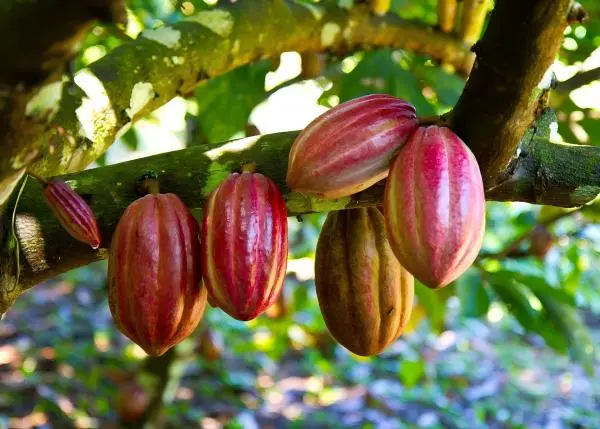
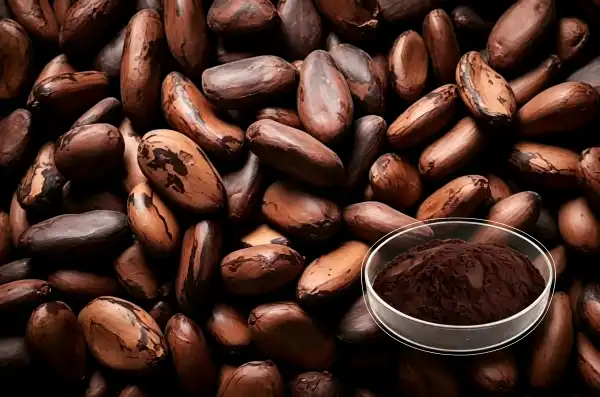
Cocoa seed extract is exceptionally rich in natural polyphenols, making it one of the most sought-after botanical ingredients in nutraceuticals, functional foods, and cosmetics. Derived from Theobroma cacao seeds through advanced hydro-ethanol extraction, this fine brown powder concentrates bioactive compounds—including catechin, epicatechin, and procyanidins—at levels ranging from 10% to 40% polyphenols, depending on extraction specifications. The high polyphenol content positions this ingredient as a premium natural antioxidant source, delivering scientifically validated health benefits while meeting stringent B2B procurement standards for traceability, purity, and stability.
Understanding Cocoa Seed Extract and Its Polyphenol Content
What Defines High-Quality Cocoa Seed Extract?
Theobroma cacao seed powder is used to make Cocoa Seed Extract. The seeds are collected from planting grounds that are carefully managed. The soil type, harvest time, and variety choice all have a direct effect on the polyphenol profile. Instead of dangerous solvents like hexane or acetone, we use pure water and ethanol that can be eaten in our extraction process. This not only follows the rules, but it also keeps heat-sensitive flavanols from breaking down. This makes a powder that dissolves easily, smells like cocoa, and comes in normal amounts. It has flavonoids (1%–20%), polyphenols (10%–40%), theobromine (4%–98%), and ratio extracts (4:1, 10:1). UV/HPLC testing methods have been used to check all of these amounts.
Epicatechin is the main flavanol in the polyphenol fraction. It is made up of catechin, oligomeric procyanidins, and EP. There are molecules in this food that fight free radicals better than many plant-based foods. Standardised extracts are always the same, which is important for making sure that recipes are consistent. Raw cacao powder has different amounts of polyphenols because it is processed in different ways. As long as you work with good growing bases, you can keep an eye on the genetics of the seeds, how they are grown, and how they are handled after they are picked, making sure that the active ingredient content stays the same from source to finish.
How Does Polyphenol Content Compare to Other Natural Extracts?
Polyphenols from cocoa are about as strong as antioxidants found in green tea extract, grape seed extract, and raw chocolate powder. They also have clear health benefits. People have learned a lot about green tea catechins (EGCG), but cocoa polyphenols are better because the molecules in them are structured in a way that makes them easier for the body to absorb. It usually takes more grape seed extract to have the same amount of free radical-scavenging effect, even though it has a lot of them. There are polyphenols in raw cacao powder, but it doesn't dissolve well, and the amount of polyphenols in it changes, so it can't be used for exact preparation work.
How well polyphenols are kept depends a lot on how the food is processed. Up to 60% to 90% of the good flavanols are lost during Dutch processing, which is what most cocoa products do. This makes the colour darker, but it stops being biologically active. Because our natural extraction method doesn't use any alkalisation, the raw material keeps all of its healing power. Also, you should know the difference between regular sources and healthy ones. The fact that a product is organic means that it doesn't contain any chemicals that might change the stability of polyphenols while it's being stored or processed. The people who work in procurement must carefully evaluate sources if they want to get the most polyphenols and make the best goods.
Health and Industrial Benefits of Polyphenol-Rich Cocoa Seed Extract
Due to its high flavonoid content, Cocoa Seed Extract is used in many business settings and has many scientifically proven advantages. If procurement managers and R&D leaders know about these perks, they can better place their goods in areas where there is competition.
Cardiovascular and Metabolic Health Support
The angiotensin-converting enzyme (ACE) function is slowed down by antioxidants in cocoa. This makes blood vessels bigger and keeps blood pressure in a safe range. In particular, epicatechin raises the production of capillary nitric oxide. This improves blood flow and the way arteries work. The claims that taking 200 mg of cocoa flavonols every day is good for your heart have been backed up by clinical studies and regulatory groups like the EFSA. That's why the ingredient works so well in heart health supplements, functional drinks, and sports nutrition products that focus on endurance and blood flow.
It affects both how insulin works and how glucose is used in the body. Polyphenols change how cells talk to each other and take in glucose. Because of this, they could be used in products that help people lose weight and improve their metabolism. This natural ingredient, on the other hand, has a clean label appeal that fits with what people want: plant-based actives that haven't been processed much.
Antioxidant Potency for Cosmetics and Personal Care
Polyphenols from cocoa can get rid of DPPH and nitric oxide radicals, which makes them very useful in skin care products that fight ageing. They keep skin cells safe from oxidative stress by getting rid of free radicals. This lessens the look of fine lines, wrinkles, and dark spots that come with getting older. Since it stops the production of chemicals that cause inflammation, it has anti-inflammatory qualities that help treat sensitive skin conditions that are sensitive and reduce redness.
This part of cosmetics is liked because it does two good things: it is a light brown colour that works well in tinted moisturisers and self-tanners, and it has some antioxidant properties. Our extract is very easy to mix into masks, serums, and creams because it doesn't separate the ingredients or make the skin feel rough. Customers like polyphenols from cocoa better than man-made antioxidants like BHT or BHA. They also have more business benefits in the fast-growing clean beauty market.
Mood and Cognitive Function Enhancement
Cocoa powder has chemicals called theobromine and polyphenols that are good for the brain in many ways. Because our extract has less than 1% caffeine, theobromine gives you a light energy boost without making you feel jittery like caffeine does. This means it can be used in energy and focus products that need to keep you awake for a long time. Polyphenols increase blood flow to the brain, which is good for brain health and brain performance.
Flavonols in cocoa may help your body naturally deal with stress and mood swings, according to researchers. This means they could be used in sweets that are good for you, vitamins for mental health, and recipes that help your body adapt. When the market for nootropics grows, products that stand out and have scientific backing are what make them popular. This makes the ingredient a good choice in that market.
Practical Formulation Considerations
A daily dose of 50 mg to 500 mg of Cocoa Seed Extract is usually suggested, but this can change based on the effect you want and the amount of polyphenols present. When the standardisation level is higher (30–40% polyphenols), the inclusion rate is lower. This makes the tablet or pill smaller and easier for customers to follow. It can be used in cooked goods as long as it is added late in the process. The powder form works well in protein shakes, energy bars, and drink systems. It also stays stable at temperatures up to 120°C.
Standardised extracts are more effective per gram and have more consistent dosing than dark chocolate (which has a lot of calories and polyphenol levels that change) or raw cacao powder (which is not bioavailable). Buy teams need this cost-effectiveness if they want to meet label claims while keeping formulation funds as low as possible.
Evaluating Cocoa Seed Extract for B2B Procurement
The quality of the product, how well it meets laws, and the dependability of the supply line are all affected by the choices made about where to get the goods. A procurement manager needs to look at a number of things to find dependable suppliers who can always provide high-quality materials.
Critical Certifications and Quality Assurance Measures
When it comes to food safety, the best providers have a lot of different certifications, such as ISO9001, HACCP, KOSHER, HALAL, and FDA registration. You need these credentials to get into global markets because they show that you have done the legal and systematic quality control that is needed. With each batch, there should be a Certificate of Analysis (COA) with HPLC chromatograms showing the polyphenol content, results from microbial testing, heavy metal screening (especially for cadmium, which builds up in cacao), and a study of the leftover solvent.
People feel even safer when there are clear systems in place that keep track of everything from the seed to the finished powder. When providers work directly with controlled growing bases, they know exactly what plants are being used, how to ferment them, and when to collect them. All of these things affect the amount of polyphenols that are produced. With this level of control from start to finish, there is no chance of fraud or replacement, which can happen in supply lines for things.
Packaging and Logistics for Polyphenol Preservation
To keep working while being shipped and stored, polyphenols need to be kept away from light, air, and water. Multi-layer aluminium foil bags are put inside normal 25 kg fibre drums by good providers. This keeps the environment from getting hurt. Flushing with nitrogen while shipping makes it even less likely that something will rust.
The courier service, air freight, and ocean shipping should all be able to handle both small orders for samples and big orders for business. Flexible MOQ policies let R&D teams test how well materials work before making big purchases. This is possible because the minimum order quantity can be as low as 25 kg for a trial order. It takes less time to make the product and get it to market faster when there is ready stock and fast shipping (usually 3–5 business days for in-stock specs).
Custom Formulation and Technical Support
The best manufacturers sell more than just raw materials. As a bonus, they also provide custom ratio formulas, blend with plants that work well together, and test for stability across different transport forms. Having access to application labs lets people work together on projects, which improves the extraction specs for certain end uses, such as beverage systems that need to dissolve quickly or tablet matrices that need the best compression properties.
Technical support teams make HPLC component profiles for each run and help with regulatory paperwork. They also advise on combining. Providers turn into strategic partners in this way of working together, and brands use better formulas and claims that can be backed up by science to help their products stand out.
Making an Informed Purchase Decision: Comparing Cocoa Seed Extract Products
There are many options on the market, and they vary in price, quality, and how well they work. When purchasing teams know what the main differences are, they can make choices that are in line with how the product is positioned and how much money they have to spend.
Organic vs. Conventional: Evaluating Trade-offs
Certification as organic means that crops are grown without using man-made fertilisers or pesticides. This is good for brands that want to use clean labels and premium positioning strategies. Organic cocoa extract costs 15 to 25 percent more than regular cocoa extract, but people who care about their health will buy more of it. But regular extracts from trustworthy sources that have been through strict tests for pesticide residue can meet safety standards and be less expensive for uses that need to save money.
The decision is based on what the company's margins are, what its target market wants, and how it places itself in the market. If a brand is aimed at high-end natural product stores, organic claims can help. But for mass-market functional foods, the focus may be on being cheap without sacrificing safety.
Natural Extraction vs. Synthetic Alternatives
Standardised single-molecule compounds and synthetic antioxidants have stable amounts, but they don't work as well together as polyphenol profiles from whole plant extracts. There are many catechins, procyanidins, and other chemicals in cocoa that work together naturally. This could be the reason why cocoa is better for you than molecules taken by themselves. People want fresh goods that have been processed as little as possible more and more. In this way, botanical extracts are useful from a strategic point of view, even if they cost more.
It is very important what kind of liquid is used for the extraction of Cocoa Seed Extract. Ethyl acetate or chemical solvent extractions may break down polyphenols that are sensitive or leave behind substances that aren't needed. Hydro-ethanol methods, on the other hand, keep the natural compound structure. The purchase requirements should make it clear that water-ethanol extraction must be used. This will make sure that the process works and follows the rules.
Product Form Factors: Powder, Capsules, or Blends
Formulators have the most choices when it comes to powder form, so they can use the ingredient in a lot of different ways, from drinks to makeup. Having encapsulated forms makes it easier to finish goods, but they can only be used in a certain number of ways. When you mix cocoa extract with plants that work well together, like turmeric, ashwagandha, or green tea, you get a proprietary blend. These blends can make preparation easier, but they limit how products can be changed.
The format you choose should be based on tests that show it will work for all of its intended uses. For beverage systems, powders that are easy to dissolve work best. For tablet formulas, on the other hand, the particles may need to be in a certain size range so that the ingredients are mixed and pressed evenly. Working with service companies that help application labs speeds up efficiency and lowers the risk of development.
Ensuring Safe and Effective Use of Cocoa Seed Extract
To protect the brand's image while getting the most medicinal benefits, there are rules about safety, exact dose, and quality control. Plans for regulatory compliance and risk management are important for procurement professionals who are in charge of putting ingredients together.
Scientifically Supported Dosage Guidelines
The right dose depends on what it's being used for and how concentrated the polyphenols are. You need about 200 mg of cocoa flavanols every day to keep your heart healthy. 500 to 700 mg of 30% flavonoid extract can give you that amount. 50 to 300 mg a day is used as an antioxidant and to help with mood, so it can be put in a number of different vitamin groups. In cosmetics, between 0.5 and 5% of the extract is put on the skin, depending on how much colour and antioxidant activity is needed.
Bioavailability problems can change how drugs are dosed. The body absorbs polyphenols better when they are eaten with fats or as part of complex food groups. Liposomal delivery or microencapsulation are two types of capsule technologies that can help the body absorb drugs better. This could mean that lower doses are needed to get the same effect.
Potential Side Effects and Contraindications
A lot of people know that cocoa powder is safe and doesn't bother most people. Watch out for how much theobromine is in the coffee. It's not as strong as caffeine, but people who are sensitive to methylxanthines may feel a little more energised after drinking it. It should be clear on the labels of products how much theobromine they have, especially ones that are meant to be used at night or with sensitive people.
Even though they don't happen often, cocoa allergies have been seen. End-of-life items should have the right hazard alerts on their labels. Some heart-healthy drugs might not work well with this ingredient. People who take blood thinners or medicines to lower blood pressure should talk to their doctors before getting this ingredient.
Quality Control Measures and Testing Protocols
Full quality control starts when the seller is picked out and doesn't end when the product is shipped. The COA should be checked by a different lab to make sure it is correct. Heavy metals (especially cadmium, lead, and arsenic), microbial pollution, and pesticide leftovers should all be checked for by the lab using HPLC. People trust a business even more when it has a third-party certification from a program like NSF, USP Verified, or Informed Choice.
When something is tested for stability under fast conditions (40°C/75% RH), the right claims about how long it will last and how to store it are made. How food is packed and when it goes bad depend on how fast polyphenols break down. Tracking batches all the time lets you know about any changes in the supply chain and makes sure that quality standards are met and the law is followed.
Conclusion
In nutraceuticals, functional foods, and skincare, Cocoa Seed Extract is a special plant-based ingredient that is high in antioxidants and has been shown to be beneficial to health. Standardisation shows that a concentrated polyphenol content of 10% to 40% offers strong antioxidant activity, circulatory support, mood improvement, and anti-aging effects that meet the growing need for natural ingredients that work. Procurement works best when suppliers are carefully checked out and clear tracking, full licenses, and advanced extraction methods that protect bioactive purity while making sure safety and regulatory compliance are given the most attention. As markets get more and more competitive, brands can make their products stand out by making claims about better quality and more scientifically sound claims. In order to do this, they can work with makers who offer help with custom formulations, flexible order amounts, and detailed technical documentation.
FAQ
1. How does polyphenol content in cocoa seed extract compare to raw cacao powder?
The amount of polyphenols in standardised extracts is much higher than the amount in raw powder. The amount of polyphenols in cacao powder varies from 2% to 5% depending on how it is made. However, high-quality products have 10–40% because they use selective extraction. With this concentration, the dose stays the same, and you get more for your money per milligram of active substance. This gets rid of the variations that come with farm goods.
2. What criteria identify reliable cocoa seed extract suppliers?
Real sellers have a lot of different kinds of certificates, like ISO9001, FSSC22000, KOSHER, HALAL, and HACCP. Along with detailed batch-level COAs with HPLC analysis, they also make it easy to trace back to controlled planting bases and let you change order numbers and sample sizes. You can get technical help, fast shipping (3-5 business days for in-stock items), and access to an application lab from key partners, but not from other sellers of goods.
3. Can cocoa seed extract be safely incorporated into cosmetic formulations?
Of course. As a skin care agent, it works great at 0.5 to 5% levels because it is both an antioxidant and an anti-inflammatory. Solvents can safely remove the stuff that is taken off with water-ethanol, and the natural brown colour goes well with coloured things. It works with common makeup bases like serums, emulsions, and masks, as shown by stability tests. It's easier to get into foreign markets if you follow the rules and get the right licenses.
Partner with KH for Premium Cocoa Seed Extract Solutions
Kingherbs Limited (KH) sells high-quality Cocoa Seed Extract from plantations that are closely watched. This makes sure that the extract has more polyphenols because it is only removed with water and ethanol, not any dangerous solvents. Because we keep a lot of items in stock, we can send out samples and standard specifications within 3–5 business days. You can also get custom formulation services from us, which let you change the amounts and blend functions to suit your needs. There is no loss of effectiveness in our 25 kg/drum package, even when it is sent around the world by express, air, or ocean freight. The FDA, ISO9001, FSSC22000, KOSHER, and HALAL have all approved it. We have been selling Cocoa Seed Extract for a long time and can handle MOQs of any size, from small samples to big business orders. We provide in-depth HPLC analysis results, application laboratory support for systems used in cosmetics, supplements, and drinks, and all-in-one sourcing services for extracts, vitamins, and other speciality ingredients. You can email our technical team at info@kingherbs.com to get samples, talk about special needs, or get personalised quotes that will help your formula work better and your supply chain run more smoothly.
References
1. Martín, M. Á., & Ramos, S. (2021). Cocoa Flavonoids: Chemistry, Bioavailability and Effects on Cardiovascular Function. Journal of Functional Foods, 78, 104362.
2. Katz, D. L., Doughty, K., & Ali, A. (2011). Cocoa and Chocolate in Human Health and Disease. Antioxidants & Redox Signaling, 15(10), 2779-2811.
3. Nehlig, A. (2013). The Neuroprotective Effects of Cocoa Flavanol and Its Influence on Cognitive Performance. British Journal of Clinical Pharmacology, 75(3), 716-727.
4. Andújar, I., Recio, M. C., Giner, R. M., & Ríos, J. L. (2012). Cocoa Polyphenols and Their Potential Benefits for Human Health. Oxidative Medicine and Cellular Longevity, 2012, 906252.
5. Latif, R. (2013). Chocolate/Cocoa and Human Health: A Review. Netherlands Journal of Medicine, 71(2), 63-68.
6. Tokede, O. A., Gaziano, J. M., & Djoussé, L. (2011). Effects of Cocoa Products/Dark Chocolate on Serum Lipids: A Meta-Analysis. European Journal of Clinical Nutrition, 65(8), 879-886.
Send Inquiry
Related Industry Knowledge
- Lotus Leaf Extract Applications in Dietary Supplements
- How to Import Angelica Officinalis Extract from Trusted Suppliers?
- Can Bamboo Leaf Extract Support Cardiovascular Health Naturally?
- How Can Artemisinin Powder Strengthen Herbal Product Lines?
- Why Do Manufacturers Prefer Natural Artemisinin Powder Extracts?
- What Makes Cortex Phellodendri Powder a Premium Ingredient?
- Can Onion Extract Improve Hair Growth Naturally?
- Can Couch Grass Rhizome Extract Enhance Water Balance?
- Vine Tea Extract Benefits: Science-Backed Health
- Polygonum Cuspidatum Extract: Bioactive Compounds and Benefits