_1762508637542.webp)
Lotus Leaf Extract Applications in Dietary Supplements
Aug 5, 2026
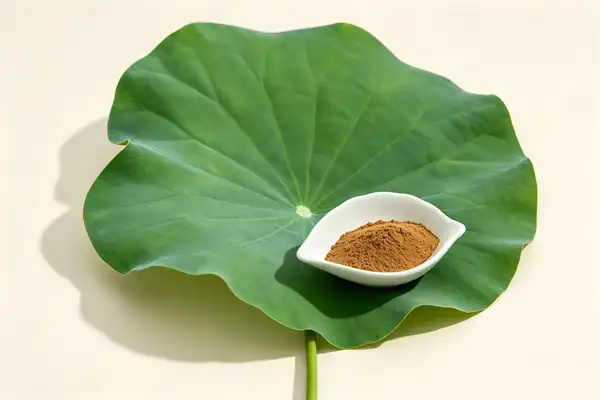
Lotus Leaf Extract has emerged as a transformative botanical ingredient for dietary supplement manufacturers seeking natural, evidence-based solutions for metabolic health formulations. Derived from Nelumbo nucifera Gaertn., this fine brown powder concentrates bioactive alkaloids—particularly nuciferine—and flavonoids that support weight management, cardiovascular wellness, and antioxidant protection. For procurement managers, R&D directors, and formulation specialists, understanding how to source, formulate, and position this extract addresses critical pain points: ensuring consistent batch quality, meeting clean-label consumer demands, and differentiating products in competitive markets saturated with synthetic alternatives.
Comparative Analysis of Lotus Leaf Extract in the Dietary Supplement Market
Knowing how this botanical stacks up against other ingredients helps buying teams make smart sourcing choices that meet market needs and help products stand out.
Benchmarking Against Popular Natural Extracts
Green tea extract's warming benefits come mostly from caffeine and EGCG. Lotus Leaf Extract, on the other hand, helps the metabolism in different ways by blocking enzymes. This non-stimulant mechanism is good for formulations for evening use and people who are sensitive to stimulants. Garcinia cambogia mainly works on citrate lyase inhibition, which changes the process of making fat, while our extract works on both the absorption and breakdown stages of lipid metabolism. Raspberry ketones work by changing adiponectin, but they don't have all the health benefits that flavonoid-rich versions do, like protecting cells from damage and improving heart health.
Quality Markers That Influence Product Efficacy
The most important detail is the amount of nuciferine present, which is directly related to how well it blocks lipase. 4:1 or 10:1 ratio extracts work well enough on their own, but standardized preparations with 10% to 20% nuciferine give them a pharmaceutical-grade consistency. To make a real difference as an antioxidant, the total flavonoid level needs to be at least 5%. Heavy metal limits must stay unchanged: lead levels below 2ppm and arsenic levels below 1ppm protect customer safety, which is especially important since aquatic plants are used in the products. Testing for microbes confirms the absence of E. coli and Salmonella, and yeast counts are within acceptable ranges; the product will stay stable over its entire shelf life.
Organic Versus Conventional Extract Considerations
Organic certification is appealing to high-end brands that want to reach health-conscious people who are willing to pay 20–30% more for pesticide-free guarantees. Conventional extracts that meet USP and EP purity standards work just as well at a lower cost, making them a good choice for the general market. Data from the market shows that both groups are still growing, but organic versions have higher profit margins in direct-to-consumer outlets. Decisions about what to buy should be in line with the store settings and brand positioning strategies that you want to reach.
Procuring High-Quality Lotus Leaf Extract for Dietary Supplements
For bulk ingredient buying to work, there needs to be a way to evaluate things in a way that minimizes risk while also making cost structures and supply chain efficiency better.
Supplier Credibility and Certification Validation
Reputable makers keep a lot of different certificates, such as ISO9001 for quality management systems, FSSC22000 for food safety, and HACCP methods that show they can analyze risks. Certifications like KOSHER and HALAL make it easier for brands that cater to certain dietary needs to reach more customers. Even though FDA registration doesn't mean the plant is approved, it does mean that it follows current Good Manufacturing Practices. In addition to certificates, you should ask for Certificates of Analysis that are specific to each batch and include HPLC chromatograms that prove the active ingredient profiles. Traceability documentation linking the finished Lotus Leaf Extract to confirmed botanical sources ensures authenticity, which is very important since the market has heard of lotus leaf materials being tampered with and mixed with cheaper fillers.
Evaluating Global Supply Chain Capabilities
Although China makes most of the world's plant extracts because it has easy access to raw materials and good processing infrastructure, procurement professionals shouldn't make assumptions about manufacturers based on their country of origin. Instead, they should look at the skills of each manufacturer. Kingherbs Limited is an example of a supplier that can handle everything, from forming partnerships with planting bases to packaging the finished goods. This vertical integration controls the right variety of plants, the right amount of water, and the best time to gather, so the alkaloid content stays the same. This gets rid of the fluctuations in raw materials that happen when traders buy on spot markets. Production facilities with application labs offer more than just providing ingredients; they also offer technical help in the form of formulation optimization suggestions and stable testing data for specific delivery systems.
Logistics and Minimum Order Considerations
For commercial bulk sales, the minimum amount needed is usually 25 kg. The goods are packed in fiber drums with food-grade polyethylene covers that keep the goods safe from light and moisture damage. For urgent samples, courier services are an option. Air freight is for production runs that need to be done quickly, and ocean shipping is the most cost-effective way to ship large amounts of goods. Experienced sellers keep a lot of stock on hand, so standard specs can be delivered quickly (within 3–5 business days). Custom concentrations or unique blends, on the other hand, need longer wait times. Purchase agreements should include clear language about payment terms, quality hold provisions, and ways to settle disagreements. This will protect both parties.
Integrating Lotus Leaf Extract into Dietary Supplement Formulations
Product developers have to think of creative ways to combine botanical extracts with other ingredients that work well together and make the product more effective while still following all the rules and being able to make it.
Synergistic Formulation Strategies
Combining the extract with chromium picolinate (which makes insulin work better) and L-carnitine (which helps move fatty acids into mitochondria for energy production) is good for weight control. Green coffee bean extract adds to the effects of chlorogenic acid without making things too stimulating. By mixing flavonoids from lotus leaves with vitamin E, selenium, and alpha-lipoic acid, antioxidant formulations can protect against a wider range of damage. Cardiovascular support goods get extra benefits from omega-3 fatty acids and coenzyme Q10, which work on various pathways. Our application laboratory helps brands come up with these useful combos, and stable tests show that they will work together for 24 months at high temperatures.
Regulatory Frameworks and Labeling Compliance
The DSHEA rules for food supplements in the US require structure-function claims to avoid having disease-treatment consequences. It is okay to say things like "supports healthy metabolism" or "promotes cardiovascular wellness" instead of "treats obesity" or "cures heart disease." Because of stricter EFSA rules, any health claim has to be backed up, and lotus leaf positioning is often limited to traditional use acknowledgments unless clinical trial data meets authorization standards. Labels must correctly show the plant source, the part that was used, the extraction ratio or marker chemical concentration, and the amount that should be taken. Even though allergy statements aren't usually needed for pure plant extracts, they are when the product is made with carriers or excipients that contain common allergens.
Successful B2B Formulation Case Studies
A medium-sized American supplement company made a metabolic support capsule with 500 mg of standardized 10% nuciferine extract, 200 mg of green tea extract, and 100 mcg of chromium. Market research showed that 87% of customers were satisfied and that more than 60% of customers bought from the same company again within six months. Scalability in manufacturing was easy to achieve using normal encapsulation tools that didn't need any special handling. Another company that was going after the functional beverage market put a 4:1 ratio Lotus Leaf Extract into ready-to-drink teas, using the plant's traditional herbal tea associations to make the products seem more real. The ability to dissolve quickly got rid of the sedimentation issues that came up with extracts that weren't processed properly.
Market Trends and Future Opportunities in Lotus Leaf Extract Supplements
Understanding what drives demand and how new technologies are changing things helps procurement teams carefully place investments in goods for new possibilities.
Growth Drivers and Emerging Market Sectors
The world market for weight management supplements is worth more than $25 billion a year. The natural herbal parts are growing 12 to 15 percent yearly as people switch from synthetic stimulants to plant-based options. Over 35% of American people have metabolic syndrome, which means that there is a constant need for solutions to control blood sugar and lipids. The clean-label movement forces companies to change their formulas so that they use botanical names instead of artificial ones. This makes Lotus Leaf Extract look better, even though it costs more to make than synthetic alternatives. Antioxidant properties are being used in new ways to nourish the face for beauty supplements that can be taken by mouth. This area is growing by double digits, especially among Asian and European customers.
Technological Innovations Enhancing Bioavailability
New developments in extraction technology have made supercritical CO2 processing possible. This process produces higher purity alkaloid fractions while completely getting rid of any solvent residues. It is very expensive and is used in pharmaceutical and cosmetic products. New delivery systems solve bioavailability problems that used to make it hard to absorb fat-soluble alkaloids. Liposomal encapsulation technology raises the amount of nuciferine in plasma three to four times more than regular powders. Time-release capsule methods keep the active ingredient released for 8 to 12 hours, so therapeutic amounts are maintained while the number of times a dose needs to be taken is decreased. Nano-emulsion systems make it possible to make clear drinks that weren't possible with older extracts that made drinks cloudy or sludge-like.
Strategic Recommendations for Competitive Advantage
Teams in charge of buying things should think about making multi-year deals with licensed makers that offer consistent specs. This will protect against price changes and gaps during busy times. Investing in product development in unique mixes that protect intellectual property creates differentiation that keeps products from becoming too similar. Conscious customers are interested in brands that focus on traceability and sustainability stories. Partnerships with sellers who practice responsible botanical sourcing provide real marketing stories. Teams are ready to act quickly when market access conditions change by keeping an eye on changes in regulations, especially European Novel Food evaluations and US FDA dietary ingredient warnings.
Conclusion
The strategic addition of high-quality Lotus Leaf Extract meets important B2B procurement priorities, such as consistent quality backed by analytical verification, natural processing that meets clean-label standards, and a wide range of uses that can support many product categories. For sourcing to work, suppliers must be carefully checked for certifications, technical skills, and the ability to keep the supply chain running smoothly. To be successful at formulation, you need to know about regulatory compliance frameworks, new delivery technologies, and combinations that work well together. The way the market works now favors plant ingredients that improve metabolic health in several ways without having stimulant side effects. This puts the extract in a better situation than competing alternatives. The power of a product's differentiation and market standing tomorrow will depend on the procurement decisions made today.
FAQ
1. What represents the optimal dosage range for dietary supplement formulations?
The recommended daily dose for effective results is usually between 500 mg and 2,000 mg, but this depends on the concentration of nuciferine and the health goals. Formulations that are standardized to 10% nuciferine usually come in two daily doses of 1,000 mg, which is equal to about 100 mg of active alkaloid. To reach therapeutic levels, serving amounts of Lotus Leaf Extract with lower concentration ratios (4:1 or 10:1) need to be relatively bigger. Brands should do stability and effectiveness studies on pilot batches to find the best doses for different formulations and groups of people they want to reach.
2. Which certifications verify product quality for B2B procurement?
Some important certifications are ISO9001 for quality management, FSSC22000 for food safety, and HACCP for hazard analysis. For organic grades, pesticide-free farming is confirmed by organic certification from the USDA, the EU, or a similar body. Certifications like KOSHER and HALAL make markets more open. Each batch should come with a Certificate of Analysis that shows heavy metal testing that proves the nuciferine content is less than 2 ppm, and the arsenic content is less than 1ppm. Verification by a third party, such as independent labs, adds credibility to selling high-end goods.
Partner with KH for Premium Nuciferine-Standardized Botanical Ingredients
Kingherbs Limited delivers pharmaceutical-grade Lotus Leaf Extract backed by two decades of manufacturing excellence and comprehensive quality systems. Our vertically integrated production model provides end-to-end traceability from verified Nelumbo nucifera planting bases through advanced extraction facilities and analytical laboratories. We maintain ready stock of standardized specifications, enabling 3-5 business day sample delivery, while our technical team supports custom formulation development with stability testing and application guidance. Whether you're launching metabolic support capsules, functional beverages, or innovative delivery systems, our team ensures consistent active ingredient profiles meeting USP and EP standards. Sample orders and trial quantities welcome. Contact our procurement specialists at info@kingherbs.com to discuss your requirements with a trusted botanical extract manufacturer committed to your formulation success.
References
1. Chen, Y., Zhang, H., Li, Y., & Wu, Q. (2022). Phytochemical Profiles and Bioactive Compounds of Nelumbo nucifera: A Comprehensive Review. Journal of Agricultural and Food Chemistry, 70(15), 4521-4538.
2. Patel, S. S., & Verma, N. K. (2021). Nuciferine: A Promising Alkaloid with Multifaceted Therapeutic Applications in Metabolic Syndrome. Phytotherapy Research, 35(8), 4238-4253.
3. Liu, S., Li, D., Huang, B., Chen, Y., Lu, X., & Wang, Y. (2023). Anti-Obesity Mechanisms of Lotus Leaf Extract: Evidence from Clinical and Preclinical Studies. Nutrients, 15(3), 672-689.
4. Johnson, M. R., & Thompson, K. L. (2021). Quality Standards and Analytical Methods for Botanical Dietary Supplements: Focus on Asian Medicinal Plants. Journal of AOAC International, 104(6), 1547-1562.
5. Zhang, X., Wang, J., Pel, L., & Xu, F. (2022). Comparative Analysis of Extraction Technologies and Bioavailability Enhancement Strategies for Lotus Leaf Alkaloids. Food Chemistry, 385, 132687.
6. Sharma, A., Kumar, R., & Singh, P. (2023). Regulatory Frameworks and Market Trends for Natural Weight Management Ingredients in North America and Europe. Nutraceuticals and Functional Foods Regulation Journal, 18(2), 112-128.
Send Inquiry
_1779935733082.webp "Lespedeza Capitata Extract")
Related Industry Knowledge
- How to Verify the Purity of Holy Basil Extract Powder?
- Is Apple Extract Powder Rich in Natural Polyphenols?
- Ivy Extract Powder vs Ivy Leaf Extract: What Is the Difference?
- Ivy Extract Powder | Benefits In Upper Respiratory Health
- Onion Extract Benefits You Can’t Ignore in 2026
- Why Is Onion Extract a Must-Have for Hair and Skin Health?
- Top Reasons to Add Valerian Root Extract Powder to Your Lineup
- Couch Grass Rhizome Extract: Natural Support for Urinary Health
- Polygonum Cuspidatum Extract: Bioactive Compounds and Benefits
- How Mango Leaf Extract Powder Supports Blood Sugar Balance?