_1762508637542.webp)
Ivy Extract Powder vs Ivy Leaf Extract: What Is the Difference?
Jul 20, 2026
The main difference is in how the data is processed and how it is standardised. Ivy Extract Powder is a concentrated botanical ingredient made from Hedera helix leaves using modern extraction technology. It has standardised bioactive saponin levels, with hederacoside C levels ranging from 1% to 10% and total hederacoside levels ranging from 5% to 30%, as shown by HPLC tests. On the other hand, Ivy Leaf Extract usually refers to liquid or rough preparations that have been barely treated and have different amounts of compounds. This lack of standardisation has a direct effect on formulation accuracy, regulatory compliance, and therapeutic consistency, all of which are very important for procurement managers who are choosing ingredients for respiratory drugs, nutraceutical supplements, and cosmetics.
What Are Ivy Extract Powder and Ivy Leaf Extract?
Botanical Origins and Raw Material Sourcing
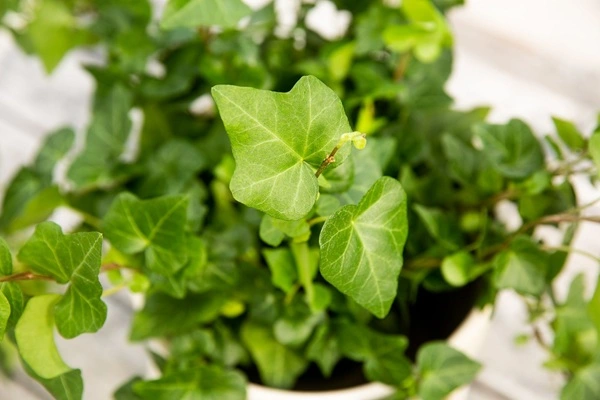
Both nutrients come from Hedera helix L., which is also known as English ivy and is an annual climbing plant that grows in Europe and Western Asia. Triterpenoid saponins, flavonoids, and phenolic substances found in the leaves have been used in traditional European herbal medicine for hundreds of years. But the stability of these biological components changes a lot depending on when the plants are harvested, where they come from, and how old they are. Modern extraction methods are made to level out these differences. To get the most hederacoside out of the source material, we work with approved planting bases that strictly control the soil makeup, watering methods, and harvest times. This ability to track materials from seed to extract gets rid of the uncertainty that comes with wild-harvested or commodity-grade raw materials, which is something that quality assurance managers often worry about when they look at bulk plant sellers.
Extraction Technology and Processing Methods
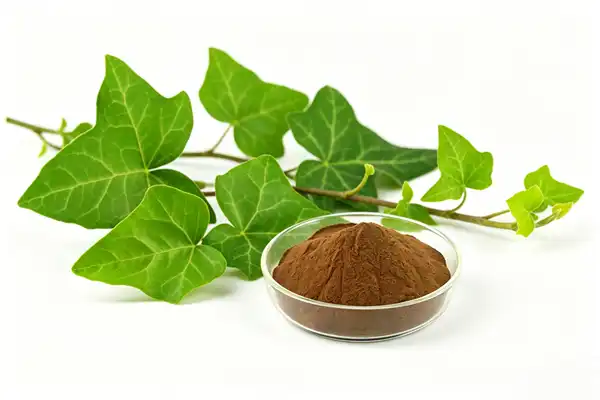
Ivy Extract Powder is carefully extracted with pure water or food-grade ethanol. It is not made with dangerous solvents like hexane or acetone, which can leave behind contaminants and make safety standards less reliable. The steps in the process are maceration, percolation, and concentration. After that, the mixture is sprayed to dry, making a fine dark powder with particles that can pass through 80-mesh sieves. This final ingredient has great flowability and fluidity, which are important properties for compressing tablets, filling capsules, and adding to drinks. Standardised standards, such as ratio extracts and exactly calibrated hederacoside C concentrations, are checked using HPLC chromatography, and each certificate of analysis comes with a full component spectrum. Traditional Ivy Leaf Extract preparations, on the other hand, usually use simple water solutions or low-concentration ethanol extracts. This leads to uneven saponin profiles that make it harder to standardise doses in commercial formulas. We use advanced extraction technology that keeps as many bioactive compounds as possible while also making sure that the powder has the best properties that are needed for manufacturing to work well in a variety of settings.
Quality Control and Batch Consistency
Industrial buyers need to know how well an ingredient will work in different production runs. Ivy Extract Powder made in ISO9001, FSSC22000, KOSHER, HALAL, HACCP, and FDA-approved facilities goes through a lot of tests, such as heavy metal screening (for lead, arsenic, mercury, and cadmium), pesticide residue panels, and solvent residue verification. There are thorough HPLC chromatograms for each batch that show the amount of hederacoside C and total saponin, as well as the wetness level (below 5%), and the ash content. This paperwork helps with quality agreements with customers, governmental filings, and audits by a third party. Traditional leaf extracts don't usually offer this level of analytical rigour, which can pose compliance risks for businesses that have to follow GMP guidelines or are trying to get GRAS status for new food uses. Our strict quality control system makes sure that the ingredients our sourcing teams get are always the same and can be traced back to the source. These ingredients also work well with our approved manufacturing processes.
Key Differences in Composition and Health Benefits
Chemical Profile and Bioactive Compound Concentration
The main difference in composition is the amount of standardised saponin present. Specifications for Ivy Extract Powder measure hederacoside C, the main ingredient responsible for expectorant action, at set percentages. This lets formulators figure out exact doses for respiratory support uses. Total hederacoside content, which includes alpha-hederin and related glycosides, can be anywhere from 5% to 30%, based on the level of detail chosen. These concentrated levels allow lower inclusion rates in finished products, which lowers the size of capsules and makes it easier for customers to follow the directions. Most traditional leaf extracts have less than 2% total saponins, which means that much bigger doses are needed to get the same medicinal effects. The difference in concentration affects not only how well the product works, but also how much it costs to make because ingredients with higher potencies use less raw material per unit, even though they cost more. The powder form also has preserved flavonoids and phenolic substances that help with antioxidant qualities. This supports claims that the product can be used for more than one thing in the cosmetics and nutraceutical markets.
Respiratory Wellness Applications in Pharmaceutical Development
Clinical studies have shown that standardised ivy products can help people with acute asthma and chronic obstructive pulmonary conditions. The beneficial saponins work in two ways: they make mucus less thick by activating secretory cells, which makes it easier to cough up mucus; at the same time, they relax the smooth muscles in the lungs, which lowers the number of times you cough. For these uses, pharmaceutical formulations need exact dosing, which is usually based on a certain amount of hederacoside C per millilitre or tablet. This accuracy is made possible by Ivy Extract Powder's well-studied bioactive profiles, which support regulatory applications to agencies that need standard plant drug products. Triterpenoid saponins have natural anti-inflammatory properties that make them even more useful for therapy by supporting healthy inflammatory responses in respiratory tissues. These benefits, backed by evidence, make standardised extracts the best ingredients for cough syrups, respiratory lozenges, and therapeutic capsules where marketing claims are backed up by clinical evidence.
Regulatory Certifications and Safety Profiles
Safety concerns go beyond intrinsic toxicity and include managing contaminants and allergens. To make sure it meets international standards, Ivy Extract Powder is tested thoroughly for microbial contamination (total plate count, yeast/mold, E. coli, Salmonella), making sure it stays within the limits set by the pharmaceutical industry. Heavy metal testing shows levels that are well below the FDA and European Pharmacopoeia thresholds. This is very important for goods that are sold to children or women who are pregnant. Concerns about the labelling requirements for dietary supplements under FALCPA rules are addressed by allergen declarations and cross-contamination protocols. Our certifications in KOSHER, HALAL, and organic programs help brands that cater to certain groups of customers get into more markets. Traditional leaf extracts that come from commodity channels often don't have this certification infrastructure. This makes them more vulnerable to liability and makes it harder to get into new markets. However, smart procurement teams actively reduce these problems by putting in place processes for qualifying suppliers.
Usage, Dosage, and Formulations – What Procurement Managers Should Know
Dosage Standardization Across Product Categories
For respiratory support, pharmaceutical uses usually need 20–30 mg of hederacoside C per daily dose. This can be reached with 200–300 mg of a 10% standardised Ivy Extract Powder. Lower amounts may be used in nutraceutical supplements that aim to improve overall health, combining cost concerns with the need to back up label claims. When used in cosmetics to condition the skin and improve microcirculation, the ingredient is usually added at rates between 0.5% and 2.0% in serums and creams. This is because the powder dissolves easily in both oil and water. These dosage guidelines for specific applications help with choosing the right specifications and amounts to buy. Our flexible standard offers help procurement managers find suppliers for multiple product lines, so they can consolidate across pharmaceutical, nutraceutical, and cosmetic portfolios from a single seller. Being able to get ratio extracts along with standard specs helps product development teams look for ways to improve formulations without upsetting existing supply relationships.
Manufacturing Compatibility and Formulation Flexibility
The way Ivy Extract Powder is made physically has a direct effect on how well it works in later steps of the process. Its low moisture content and fine particle distribution keep it from clumping together in mixing equipment. This makes sure that powder mixes for tableting and packaging are evenly distributed. The brownish colour of real Hedera helix extracts blends easily into recipes without the need for artificial colourants, which supports the clean label positioning. Different types of delivery systems can use the powder because it dissolves easily in water for syrup and drink applications, in ethanol for tincture formulations, and in glycerin-based suspensions for therapeutic dosage forms in children. Our application laboratory offers technical formulation support in the form of compounding advice, stability testing under accelerated conditions, and checks for compatibility with common excipients such as silicon dioxide, magnesium stearate, and microcrystalline cellulose. This joint method shortens the time it takes to bring new products to market and lowers the risks that come with changing ingredients in the recipe.
Storage Stability and Shelf Life Management
Proper storage conditions increase the shelf life that can be used and protect the biological integrity throughout the supply chain. Ivy Extract Powder stays effective for 24 months if it is kept in airtight cases, out of direct sunshine, below 25°C, and with a relative humidity of less than 60%. Standard 25 kg drum packaging with food-grade inner liners protects the goods the best while they are being stored and sent out. Double-sealed food-grade plastic bags are used for smaller trial amounts (100g, 1kg, 5kg, and 10kg), which can be used for R&D sampling and test production runs without lowering the quality of the materials. These packaging arrangements help inventory optimisation strategies by letting buying teams balance the costs of holding items with the need to keep supplies flowing. Regular stable tracking through retained sample programs helps to back up claims about shelf life, supports decisions to extend lots, and cuts down on waste from food going bad too soon. Transportation by courier, air freight, or ocean shipping is handled through well-established logistics networks. For GMP-compliant operations, paperwork is needed to support monitoring of temperature excursions and tracking of the chain of custody.
Comparing Market Options and Supplier Considerations
Organic Certification and Sustainability Credentials
The market for organic plant ingredients keeps growing because more and more people want them, and stores need them to meet natural product standards. Organic Ivy Extract Powder from approved organic plant bases is more expensive, but it can be bought in stores that sell natural goods and support marketing stories about sustainability. For agricultural land to get certified, there must be three-year transition periods, audits by a third party, and detailed records of how pests are controlled, fertiliser is used, and crops are harvested. We keep working relationships with both certified-organic and conventional suppliers. This gives us the freedom to choose which suppliers to use based on the needs of the end market and our budget. Sustainability includes more than just organic certification. It also includes fair labour standards, ethical sourcing, and caring for the environment at every step of the supply chain. As brands try to meet shareholder standards about corporate social responsibility and supply chain transparency, these qualifications become more and more important in deciding what to buy.
Competitive Positioning Against Alternative Botanicals
Formulations that help the lungs often look at a number of plant choices, such as liquorice, eucalyptus, and thyme extracts. Ivy Extract Powder stands out because it has scientific proof that it helps with breathing and clearing the lungs, which is backed up by a study that has been published in peer-reviewed journals. The two-action mechanism that clears out gunk and relaxes smooth muscles works better than ingredients that only work on one mechanism. Consumers are becoming more aware of ivy's traditional uses, which is backed up by monographs from the European Medicines Agency and the German Commission E. These regulatory endorsements make it easier to make marketing claims and lower the burden of proof compared to new or less-researched botanicals. Diversifying botanical portfolios through complementary mechanisms helps brands make their product lines stand out while still keeping relationships with specialised suppliers who offer technical expertise across a number of herbal categories.
Supplier Evaluation and Quality Assurance Protocols
When choosing reliable suppliers, you need to look at more than just price. Some important things to look at when judging a production facility are its certificates (GMP, ISO, FSSC22000), its analytical testing capabilities (in-house HPLC, GC-MS, ICP-MS), and the ways it keeps records to meet traceability requirements. Audits of suppliers should check methods for getting raw materials, records of how often the extraction equipment is serviced, and the approval of quality control laboratories. Being able to include thorough HPLC chromatograms with every certificate of analysis shows that the analysis is accurate and clear. Operational differences between transactional vendors and strategic partners include how quickly they respond to technical questions, how willing they are to work with custom specs, and how much they can increase production to meet rising demand. Our company sees itself as more of a technical partner than a basic ingredient provider. We offer services like application support, formulation optimisation, and stability testing that go beyond just providing ingredients. This approach that adds value fits with procurement goals that focus on innovation and long-term supply chain resilience.
Procurement Strategies for Ivy Extract Powder and Ivy Leaf Extract
Sourcing Channels and Vendor Qualification
Botanical ingredients can be bought by businesses through online platforms, trade shows, industry directories, and direct ties with manufacturers. Online business-to-business (B2B) sites show prices and let you compare vendors, but they might not have the technical help and customisation options that you can get by working directly with a vendor. At trade shows like SupplySide West, Vitafoods Europe, and CPHI, you can look at samples, talk to suppliers about technical issues in person, and check out their skills by looking at facility paperwork and calling references. Direct ties with manufacturers allow for long-term supply agreements, stable prices through forward contracts, and joint efforts to create new products. Request-for-information questionnaires should be used to qualify vendors. These should ask about things like manufacturing capacity, quality systems, history of regulatory compliance, and financial stability. Checking references with past customers can give you information about how reliable delivery is, how quickly problems are solved, and how good the partnership is overall for Ivy Extract Powder.
Sample Evaluation and Specification Validation
Before business buying decisions are made, samples are carefully evaluated. We send samples with full certificates of analysis and HPLC chromatograms within three to five business days from the time they are ready to be shipped. Sample evaluation methods should look at the sample's colour, particle size, and ability to flow, as well as its analytical details (such as its hederacoside content, moisture level, and microbial limits) and how well it works in target formulations (such as its solubility, stability, and organoleptic qualities). Our minimum business order number is 25 kg, so small-scale trial orders let us test full-scale production before committing to large volumes. This staged buying method lowers the risks that come with composition problems or processing problems that come up out of the blue. During the sampling process, technical formulation support includes suggestions for compounding, tests to see if the formulation is compatible with the suggested excipients, and checks to see how stable the formulation is under the conditions that it will be stored. This collaborative evaluation makes sure that the change from development to commercial production goes smoothly.
Long-Term Supply Agreements and Business Continuity
Strategic procurement includes more than just buying things. It also includes planning for the stability of the supply chain. Price security, priority placement during raw material shortages, and joint planning processes that match production capacity with demand estimates are all benefits of long-term supply deals with volume promises. When thinking about business continuity, you should think about things like dual-sourcing strategies, safety stock policies, and what to do if there are problems with shipping or changes to the rules that affect how to import and export goods. We keep a ready stock inventory of high-turnover specifications, which lets us ship quickly around the world and lowers the variability of lead times, making it hard to plan production. Our order quantities are flexible enough to accommodate both testing samples and mass production. We can also make changes to meet specific ratio needs and create custom compound formulations that meet specific functional goals. This ability to grow with the business supports its growth paths and keeps supply steady during development stages.
Conclusion
The difference between Ivy Extract Powder and regular Ivy Leaf Extract has a big effect on how precisely formulations are made, how well they follow regulations, and how consistently therapeutic they are in commercial settings. Standardised powder forms offer proven bioactive content, better production compatibility, and a full quality guarantee, all of which are important for developing medicines, making nutraceuticals, and using them in cosmetics. When making a procurement choice, people should compare specification needs to application needs and judge suppliers based on how well they can analyse, their certification infrastructure, and their expert support. When brands prioritise long-term relationships with certified makers in their strategic buying, they set themselves up for long-term growth while keeping product quality high and following all regulations.
FAQ
1. What are the primary safety considerations when purchasing ivy extract powder in bulk?
Checking for safety needs full certificates of analysis that show microbial limits (total plate count less than 10,000 cfu/g, no pathogens present), heavy metals below pharmacopeial thresholds (lead <3 ppm, arsenic <2 ppm), and pesticide residue screening that includes organophosphates, organochlorines, and pyrethroids. Testing for solvent residues confirms that ethanol levels are below 5000 ppm when they are needed. Cross-contamination risks in shared spaces are discussed in allergen statements. Women who are pregnant or nursing should stay away from high-dose versions because there isn't enough safety information for these groups. Consumer safety is ensured by correct labelling that includes the right contraindications and dosage instructions.
2. How does the efficacy of standardized extracts compare to traditional ivy leaf teas?
Standardised extracts provide uniform hederacoside C dosages, which allow for expected therapeutic results. On the other hand, the amount of saponin in tea preparations changes based on the brewing time, water temperature, and leaf quality. It is hard to make direct comparisons because clinical studies that show effectiveness usually use standardised extracts with set bioactive levels. Standardised formulas make it possible to precisely measure out the right amount of medicine for regulatory approval and to back up treatment claims.
3. What certifications should procurement managers verify during bulk purchasing?
Some important certifications are ISO9001 for quality management, FSSC22000 or GMP for food safety and production methods, and product-specific credentials like KOSHER, HALAL, or organic certifications for different markets. Labs that are licensed to do analytical tests should follow USP, EP, or similar pharmacopoeial guidelines. Third-party facility audit reports are another way to make sure that manufacturing standards are being met.
Partner With KH for Your Ivy Extract Powder Supply Needs
In 1996, Kingherbs Limited started making plant ingredients and now sends high-quality Ivy Extract Powder to companies in the United States and around the world that make medicines, supplements, and cosmetics. As a reliable Ivy Extract Powder provider, we offer full HPLC paperwork for every batch, as well as full tracking from approved planting bases to natural extraction using only pure water or food-grade ethanol. Our application laboratory helps improve formulations for pills, capsules, drinks, and topical systems. We also offer flexible order numbers that can be used for both R&D samples and mass production. We are your technical partner in bringing high-quality respiratory and wellness products to market. Our ready-stock inventory allows for three- to five-day sample delivery, and we are certified by ISO9001, FSSC22000, KOSHER, and HALAL. Email our team at info@kingherbs.com to talk about your specific sourcing needs, get detailed product specifications, or set up an evaluation sample for your next formulation project.
References
1. Fazio S, Pouso J, Dolinsky D, et al. Tolerance, safety, and efficacy of Hedera helix extract in inflammatory bronchial diseases under clinical practice conditions: a prospective, open, multicentre postmarketing study in 9657 patients. Phytomedicine. 2009;16(1):17-24.
2. Holzinger F, Chenot JF. Systematic review of clinical trials assessing the effectiveness of ivy leaf (Hedera helix) for acute upper respiratory tract infections. Evidence-Based Complementary and Alternative Medicine. 2011;2011:382789.
3. Cwientzek U, Ottillinger B, Arenberger P. Acute bronchitis therapy with ivy leaves extracts in a two-arm study: A double-blind, randomised study versus another ivy leaves extract. Phytomedicine. 2011;18(13):1105-1109.
4. Hofmann D, Hecker M, Völp A. Efficacy of dry extract of ivy leaves in children with bronchial asthma—a review of randomized controlled trials. Phytomedicine. 2003;10(2-3):213-220.
5. Schulte-Michels J, Keksel N, Gödecke T, et al. Saponins of the ivy plant (Hedera helix) induce apoptosis and cell cycle arrest in lung adenocarcinoma cells. International Journal of Molecular Sciences. 2020;21(19):7041.
6. European Medicines Agency. Assessment report on Hedera helix L., folium. Committee on Herbal Medicinal Products (HMPC). EMA/HMPC/325715/2017. Published 2017.
Send Inquiry

Related Industry Knowledge
- Can Bamboo Leaf Extract Support Cardiovascular Health Naturally?
- How Does Blueberry Extract Powder Support Immune Function?
- Passionflower Extract Powder For Sleep & Stress Reduction
- How does Angelica extract support digestion?
- 3 Surprising Passionflower Extract Powder Benefits for Holistic Wellbeing
- Ivy Extract Powder: Uses, Benefits, Safety & Quality Guide
- Mango Leaf Extract Powder Market Trends: What to Expect?
- Does Lespedeza Capitata Extract Support Toxin Clearance?
- Valerian Root Extract Powder Benefits: A Science-Backed Guide
- Is Couch Grass Rhizome Extract Effective for Kidney Health?