_1762508637542.webp)
Passionflower Extract Powder For Sleep & Stress Reduction
May 28, 2026
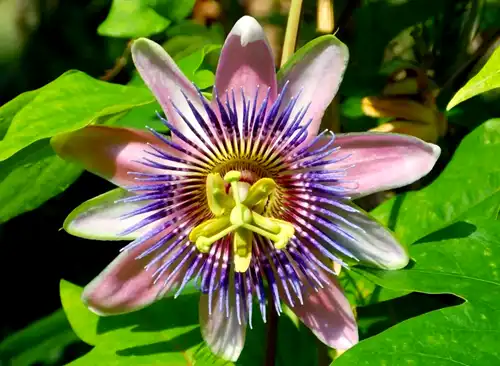
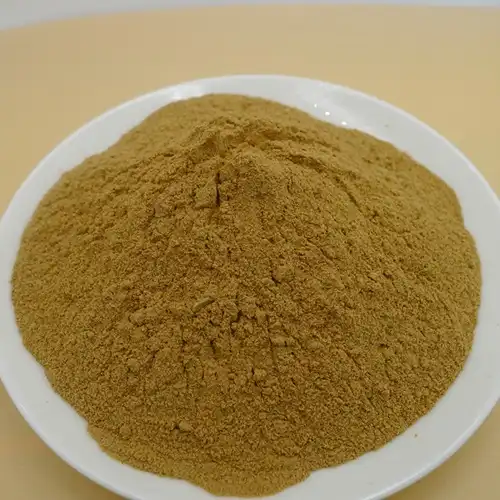
Passionflower Extract Powder has become a well-known and accepted botanical ingredient for making goods that help people sleep and deal with stress. This fine brownish-yellow powder comes from the leaves of Passiflora caerulea L. It has standardized flavonoids (3.5%–10%) and vitexin (1.2%–5%), which have been proven through thorough HPLC and UV tests. Because it can change GABA receptors, it is essential for businesses that make dietary supplements, nutraceuticals, and contract goods that want to find natural, science-backed ingredients that appeal to today's health-conscious customers.
Understanding Passionflower Extract Powder and Its Benefits
Botanical Origins and Active Constituents
The passion vine plant's leaves, twigs, and flowers were carefully picked for our Passionflower Extract Powder. The plants were grown with the help of approved growing farms. Unlike generic herbal ingredients, this extract can be fully tracked from the seed to the finished product. This makes sure that the amounts of active compounds stay the same. Its brownish-yellow color comes from the high amount of flavonoids it contains, such as apigenin, luteolin, and vitexin, which are beneficial molecules that give it its cooling effects. Comprehensive HPLC analysis is done on each run to make sure that the flavonoid concentrations meet the requirements. This gives procurement managers the written quality guarantee they need to comply with regulations.
Comprehensive Wellness Applications Beyond Sleep
This plant ingredient is known for helping with anxiety, but it also helps the body in other ways. In addition to supporting good age and cell health, its flavonoid profile protects against oxidative stress as an antioxidant. The extract has mild pain-relieving qualities that make it useful in menstrual comfort items and blends for relieving stress. Product makers like how versatile it is across different types of supplements, from calming capsules that work on their own to mixes that work better with valerian, chamomile, or magnesium. When R&D teams know about Passiflora Incarnata Powder, these larger uses, they can strategically place their goods in the competitive wellness market.
Best Practices for Using Passionflower Extract Powder
Dosage Guidelines Rooted in Clinical Evidence
For successful stress control, dosage amounts between 250 mg and 500 mg of standardized Passionflower Extract Powder per serving have been supported by both traditional use and current studies. Formulations that are meant to help you sleep usually have 400 to 600 mg taken 30 to 60 minutes before bed. These numbers are for extracts that have been standardized to have 3.5% to 4% total flavonoids, which is the bar for medicinal effectiveness in the business. When working with higher concentrations (up to 10% flavonoids), product formulators should change the amount that is used in a proportional way. Our technical support team gives compounding suggestions based on target groups and desired onset patterns, which makes sure that the product works at its best.
Safety Profiles and Quality Control Standards
Passionflower Extract Powder is very safe to use as long as you follow the directions. Some possible side effects include being pregnant, breastfeeding, or taking sedatives at the same time. This is important information for product labels and customer advice. As part of our extraction process, we make sure that the amounts of harmala alkaloid stay within the safe, non-toxic limits set by safety officials. To meet USP standards, each output batch goes through microbial tests without irradiation. This keeps the heat-sensitive flavonoids intact. Quality assurance managers get all the paperwork they need, like Certificates of Analysis, heavy metal screening, pesticide residue records, and allergen statements, to help them do full safety checks on the products they sell.
Quality and Comparison of Passionflower Extract Powder Products
Organic Versus Conventional Sourcing Standards
The difference between organic and regular Passionflower Extract Powder affects both where it is sold and how much it costs to buy. Organic certifications (USDA Organic, EU Organic) require certified non-GMO seeds, pesticide-free farming, and third-party field checks. These things cost more but let you sell higher-margin natural products. Our approved organic products have ISO9001, FSSC22000, HACCP, KOSHER, and HALAL certifications, as well as other qualifications that meet the needs of different regulatory bodies around the world. Conventional specs keep the same standards for flavonoid strength and purity while making supplements cheaper for the mass market. Instead of thinking that organic naturally means better bioactivity, buyers should make decisions about where to get their products based on how they want to position their business and what their target customers expect.
Laboratory Testing Protocols That Define Quality
Superior Passionflower Extract Powder sets itselfapart through in-depth laboratory Passiflora Incarnata Powder testing. HPLC fingerprinting finds and measures individual flavonoid parts, showing the full phytochemical makeup instead of just the total amount of flavonoids. UV spectrophotometry is a cheap way to check for contaminants, but it doesn't have the accuracy needed for high-end formulations. Microbiological tests should show that the total plate counts are less than 1,000 CFU/g and that bacteria like E. coli are not present. Salmonella, E. coli, and Staphylococcus aureus. USP standards say that heavy metal measurement must show that lead is below 3ppm, arsenic is below 2ppm, and mercury is below 1ppm. When needed, solvent residue testing makes sure that ethanol amounts stay below 5,000ppm. Together, these procedures make sure that products are safe and that regulations are followed in all foreign markets.
How to Choose and Purchase Passionflower Extract Powder in Bulk
Essential Certifications for B2B Procurement
Finding a trustworthy Passionflower Extract Powder provider starts with checking their manufacturing qualifications. ISO9001 certification shows that a quality management system is being used, while FSSC22000 or GMP certification shows that food safety rules and controls for contamination are being followed. For plant products, DSHEA compliance is needed instead of FDA approval, but FDA registration shows that the company is aware of US market compliance. Suppliers of ingredients should give Certificates of Analysis that match the lot numbers on shipping documents. This will allow for full batch tracking. When looking at new suppliers, third-party testing results from separate labs give them more trustworthiness. Our list of certificates includes KOSHER and HALAL verification, which lets us enter niche markets for health supplements without having to find different suppliers.
Pricing Structures and MOQ Considerations for Different Order Scales
Passionflower Extract Powder prices depend on a number of factors, such as the standard grade, the level of approval, and the size of the order. Because they cost more to analyze, standardized extracts are more expensive than ratio extracts. Organic approval usually raises prices by 15 to 30 percent. Our MOQ structure is flexible enough to meet the needs of both R&D timelines and market testing needs. Samples (100g–1 kg) can be sent within 3–5 business days for recipe trials, while commercial sales begin at a single 25kg drum. There are volume discounts for orders over 100 kg, 500 kg, and 1,000 kg, which reward well-known names whose demand is reliable. There are different ways to transport goods, such as fast courier for quick samples, air freight for medium-sized orders that need to be restocked quickly, and ocean shipping for cheaper bulk purchases with longer wait times. This tiered method helps businesses from the early stages of starting up to mass production without making them commit to goods too soon.
Case Studies and Applications in Stress Relief and Sleep Industries
Successful Product Integrations Across Market Segments
Popular dietary supplement companies have come out with sleep aid pills that contain Passionflower Extract Powder as one of their main ingredients. A well-known natural goods company mixed our 4% flavonoid specification with magnesium glycinate and L-theanine to make a nighttime recipe that didn't form a habit and won first place in the sleep supplement category. Lower concentrations (150 mg per dose) were added by functional beverage makers to calming afternoon drinks so that they could be used to relieve stress at work without making people sleepy. Some high-end tea makers mixed the extract into organic herbal infusions, using its mild taste and the way it works well with chamomile and lemon balm. These uses show how flexible these products are, ranging from quick-acting forms (like drinks and under-the-stomach tablets) to long-lasting pills made to help you sleep.
Market Demand Trends Shaping Future Opportunities
The global plant anxiolytics market shows that more and more people want natural ways to deal with stress. Market study shows that the industry will grow at rates higher than 8% per year until 2030. This is because more people are dealing with worry, and people aren't sure about using drugs to help. Passionflower Extract Powder has been used for a long time and is now being tested in more and more clinical trials, which is great for health-conscious customers. Pet vitamins are being used in new ways to help with separation anxiety and stress reactions in pets, which gives ingredient makers new ways to make money. More and more beauty-from-within products use herbal anxiolytics because dermatological studies have shown a link between stress and skin problems. Product designers who understand how these trends affect each other can make unique products that can command higher prices in health markets that are already very crowded.
Conclusion
Passionflower Extract Powder is a smart ingredient choice for companies making sleep and stress reduction goods based on science. It has a standard bioactive profile, a lot of safety information, and can be mixed in a lot of different ways. These are all things that buying workers and R&D teams really need. Differentiating quality isn't just about price; it's also about being able to track down suppliers, doing thorough analysis, and supporting applications. The ingredient's proven effectiveness and clean label appeal make products competitive in natural health markets that are growing, where people are choosing botanical solutions over synthetic ones more and more.
FAQ
1. What Dosage of Passionflower Extract Powder Supports Healthy Sleep Patterns?
People in clinical studies usually take 400 to 500 mg of Passionflower Extract Powder, which is adjusted to 3.5% to 4% flavonoids, 30 to 60 minutes before going to bed. To keep the same amount of flavonoid delivery, appropriate dose changes need to be made for higher concentration requirements. Formulation context is important—standalone goods may use higher dosage ranges, but synergistic mixes with plants that work well together can work with smaller amounts of each ingredient.
2. How Does HPLC Testing Differ From UV Spectrophotometry for Quality Verification?
HPLC extracts and measures specific flavonoid molecules, such as vitexin, giving accurate phytochemical fingerprints that guarantee group consistency. UV spectrophotometry measures the absorption of all flavonoids, which gives higher numbers but less accuracy. Premium Passionflower Extract Powder providers use both HPLC and UV for routine screening and specification proof, providing full quality paperwork.
3. Can Passionflower Extract Powder Be Combined With Other Calming Ingredients?
Passionflower mixed with valerian root, magnesium, L-theanine, or chamomile has been shown to work better in sleep and stress relief formulas. The extract's GABA-modulating effect works with other relaxing routes instead of replacing them. Product makers should talk to technology experts about how to get the best ratios and keep additive effects from making people too sleepy.
Partner With KH for Premium Passionflower Extract Powder Supplier Solutions
Since 1996, KH has been making botanical ingredients and has been sending pharmaceutical-grade Passionflower Extract Powder to supplement brands, contract makers, and functional food creators all over North America. Our full traceability from certified growing partners to ISO-compliant extraction facilities makes sure that the flavonoid levels stay the same and that you have all the paperwork you need to meet legal standards. Samples can be sent out in three to five days if the stock is ready, and our application laboratory can help you with your formulation problems by giving you advice on compounding and stability tests. We can take trial orders starting with small amounts and easily scale up to business numbers with clear pricing and low minimum order quantities (MOQs). Our technical relationship goes beyond just supplying ingredients; our teams work together to create new HPLC methods, improve formulations, and back up claims made to regulators. Email our sourcing experts at info@kingherbs.com to get Certificates of Analysis, talk about custom specs, or set up a free evaluation of our premium Passionflower Extract Powder for your next product development that will help people relax or sleep.
References
1. Akhondzadeh S, Naghavi HR, Vazirian M. "Passionflower in the treatment of generalized anxiety: a pilot double-blind randomized controlled trial with oxazepam." Journal of Clinical Pharmacy and Therapeutics, 2001.
2. Ngan A, Conduit R. "A double-blind, placebo-controlled investigation of the effects of Passiflora incarnata (passionflower) herbal tea on subjective sleep quality." Phytotherapy Research, 2011.
3. Miroddi M, Calapai G, Navarra M. "Passiflora incarnata L.: ethnopharmacology, clinical application, safety and evaluation of clinical trials." Journal of Ethnopharmacology, 2013.
4. Appel K, Rose T, Fiebich B. "Modulation of the γ-aminobutyric acid (GABA) system by Passiflora incarnata L." Phytotherapy Research, 2011.
5. Jawna-Zboińska K, Blecharz-Klin K, Joniec-Maciejak I. "Passiflora incarnata L. Improves Spatial Memory, Reduces Stress, and Affects Neurotransmission in Rats." Phytotherapy Research, 2016.
6. Grundmann O, Wang J, McGregor GP. "Anxiolytic activity of a phytochemically characterized Passiflora incarnata extract is mediated via the GABAergic system." Planta Medica, 2008.
Send Inquiry

Related Industry Knowledge
- 5 Ways in Which Bamboo Extract Improves Our Wellbeing
- Nettle Extract Powder: Nature’s Support for Prostate and Hormone Health
- How Bitter Melon Extract Powder Supports Metabolic Health?
- Onion Extract: Nature’s Solution for Thinning Hair?
- Maca Extract Powder: Benefits, Uses, and Dosage Guide
- Is Apple Root Extract Safe for Daily Use?
- How to Formulate Supplements With Macleaya Cordata Extract?
- Valerian Root Extract Powder Benefits: A Science-Backed Guide
- Couch Grass Rhizome Extract: Natural Support for Urinary Health
- Mango Leaf Extract Powder: Nature’s Antioxidant Powerhouse