_1762508637542.webp)
Is Apple Root Extract Safe for Daily Use?
Apr 2, 2026
Apple Root Extract is considered safe for daily use when consumed within recommended dosages and sourced from reputable manufacturers. Derived from Malus pumila Mill., this botanical ingredient contains standardized levels of phloridzin (90-98%) and phloretin (80-98%), which have been extensively studied for their safety profile. Clinical research demonstrates minimal adverse effects when used appropriately, making it suitable for incorporation into dietary supplements, cosmetic formulations, and functional food products for regular consumption.
Understanding Apple Root Extract: Composition, Benefits, and Uses
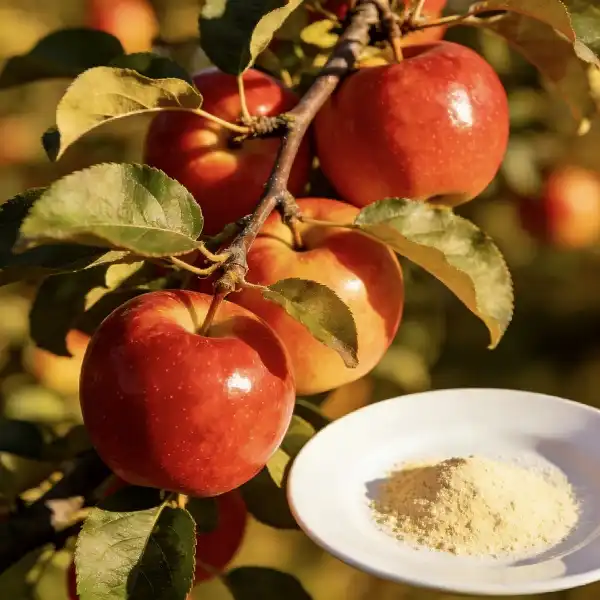
Apple Root Extract is a complex botanical ingredient that is very different from other chemicals obtained from apples. Malus pumila Mill is used in this specific apple extract instead of the fruit or peel, which is what most apple extracts use. root systems, giving high amounts of special dihydrochalcone glycosides.
Distinctive Composition Profile
The main benefit of the extract comes from its measured phloridzin content, which ranges from 90 to 98%, and phloretin amounts that range from 80 to 98%. These substances go through a lot of HPLC testing to make sure that all output batches are the same. Apple extracts made from fruit focus on procyanidins and chlorogenic acid, but root-based products focus on these specific dihydrochalcones, which are more bioavailable and have medicinal promise. Pure water or food-grade ethanol is used in the extraction process to get rid of any dangerous solvent leftovers while keeping the natural bioactive profile. This method makes sure that the final fine white to off-white powder keeps its healing properties and meets the high safety standards needed for daily use.
Key Therapeutic Benefits
Research has confirmed a number of strong health benefits of chemicals found in apple roots. As a result of blocking SGLT1 and SGLT2 transporters, the ingredient effectively controls glucose levels, naturally lowering blood sugar spikes after meals. This process helps keep the metabolism healthy without the harmful side effects that come with synthetic options. Free radicals speed up the aging process and make diseases worse. Both phloridzin and phloretin successfully neutralize these radicals, providing important antioxidant defense. Studies show that it is better at removing radicals than regular vitamin C in certain lipid-based settings. This makes it very useful for beauty and nutritional uses. The extract also does amazing things for skin health, especially because phloretin has better direct penetration qualities. Natural tyrosinase inhibition makes it possible for anti-aging products to work well, reducing the obvious signs of age and improving skin tone and elasticity.
Versatile Application Opportunities
Procurement experts know that apple root chemicals can be used in a lot of different industries. Pharmaceutical versions often use 150–300 mg daily doses to help the metabolism, while cosmetic uses use concentrations between 0.5 and 2.0% to effectively brighten the skin and slow down the aging process. There are more and more possibilities for functional food uses. Manufacturers can add subtle woody flavor notes while providing measured health benefits. The extract's stable profile can handle different processing conditions, so if it's made correctly, it will keep working well throughout the product's shelf life.
Safety Profile of Apple Root Extract for Daily Use
A lot of scientific research has shown that Apple Root Extract chemicals are very safe to eat on a daily basis as long as they come from trusted sources and are used according to the rules. Multiple years of clinical studies show that this botanical ingredient causes few side effects. This makes it a better choice than synthetic substances whose long-term safety ratings are less clear.
Clinical Safety Evidence
Peer-reviewed research consistently reports favorable safety outcomes across a wide range of population groups. Standardized extracts with 200–500 mg of active substances were taken by people every day for 12 weeks, and the studies showed no significant negative effects. Blood chemistry readings stayed within normal limits, and no effects on the liver or kidneys were seen. When compared to other plant root products, this one has higher safety margins, especially when it comes to drug interactions and not being used for certain conditions. The natural makeup of the extract matches up with human metabolic pathways. This makes it less likely that it will cause unexpected reactions, which can happen with manmade alternatives or plant ingredients that haven't been studied well enough. Phloridzin and phloretin are safe when they come from approved plant sources, according to regulatory bodies around the world. The compounds have been used safely for a long time in traditional ways, and they have also been tested using modern analytical methods. This gives makers of everyday goods a strong safety guarantee.
Quality Assurance Standards
Buyers should give top priority to sellers who have a wide range of certifications, such as ISO9001, FSSC22000, KOSHER, HALAL, HACCP, FDA registration, and organic approvals from both the EU and the USDA. These qualifications make sure that quality control methods are always the same, which lowers the risk of contamination and keeps active compounds stable. For safety reasons, batch-level records are very important, especially HPLC analysis results that prove the concentrations of phloridzin and phloretin. To make sure their goods meet international safety standards, reputable sellers give full certificates of analysis that list the amount of heavy metals, microbes, and pesticide residues that were found. The way the substance is extracted has a direct effect on its safety rating. For example, processes using water or food-grade ethanol are purer than methods using harsh chemicals. Suppliers should show that solvent residue amounts are less than 50 ppm, which is well below the safety limits set for everyday goods.
Choosing the Right Apple Root Extract Product for Your Business
To choose the best apple root ingredients, you need to carefully consider a number of factors that have an immediate effect on the quality of the product, its ability to meet legal requirements, and its ability to make money. When you know the differences between available forms, buying credentials, and seller skills, you can make smart purchasing choices that help your business reach its long-term goals.
Format and Specification Considerations
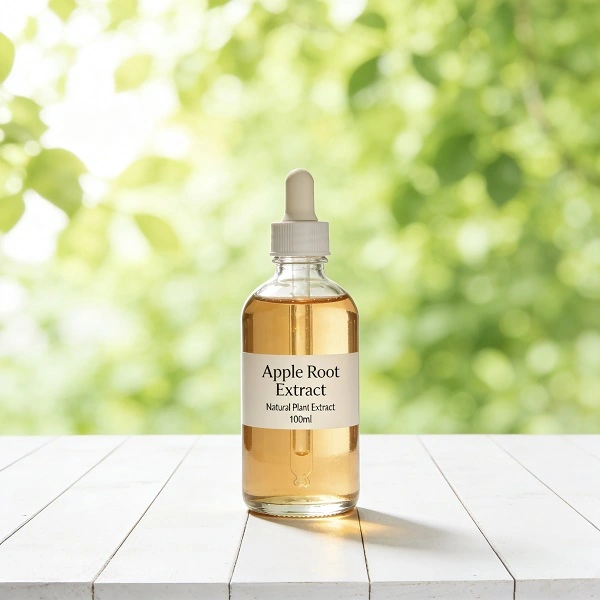
Apple Root Extract usually comes in the form of a fine, white to off-white powder. This form is more stable and flexible in terms of preparation than liquid options. Powder forms have longer shelf lives, lower shipping costs, and easier storage needs, and they keep their full bioactive power when treated correctly. Standardization levels need to be carefully thought out based on how they will be used. It costs more to get higher concentrations of phloridzin (90–98%), but they work better for healing purposes. Moderate concentrations may be enough for useful food uses where saving money is important. Particle size distribution affects how quickly things dissolve and how well they work with other ingredients, especially when it comes to compressing tablets and making drinks. Suppliers that give custom particle sizes can help you get the most out of your manufacturing methods, which will improve the quality and speed of your production.
Supplier Evaluation Criteria
Providers you can trust have quality control systems that cover more than just basic production skills. Look for partners that offer full tracking, from growing the crops to packing them up. This will make sure that the quality of the raw materials stays the same and that all regulations are followed along the whole supply chain. Procurement tactics are greatly affected by the ability to manufacture and the location of marketing. Supply security and risk reduction are provided by suppliers with a global footprint and multiple production facilities. On the other hand, smaller, more specialized producers may be able to give better customization options and expert support for specific uses. The ability to provide technical help sets special sellers apart from commodity vendors. Partners who offer formulation advice, help with stable testing, and help with application development speed up the product creation process and increase the chances of success in the market.
Regulatory Compliance Assessment
Certification profiles need to match the needs of the target market, especially for goods that will be sold in other countries. Suppliers who keep their FDA registration, EU organic approval, and other relevant food safety qualifications up to date show that they are committed to quality and following the rules. As governmental scrutiny grows across global markets, documentation standards become more crucial. Partners who offer complete batch records, analysis certificates, and regulatory dossiers help make the process of registering a product and sending it to the government run smoothly. Continuous tracking of compliance guarantees continued access to markets and the integrity of products. Strong quality systems at suppliers keep up with changes to regulations and keep certifications up to date. This keeps your product lines safe from unexpected compliance issues.
How to Incorporate Apple Root Extract Safely into Daily Products
To successfully add apple root chemicals to everyday items, you need to pay close attention to formulation chemistry, quantity optimization, and stability issues. By knowing these technical requirements, producers can make safe, effective goods that meet customer needs and stay in line with regulations.
Dosage Guidelines and Formulation Principles
Effective dosage amounts are very different depending on the type of use and the desired effects. For metabolic support, dietary supplements usually have 150–300 mg daily, while cosmetic formulas work best with amounts between 0.5 and 2.0% by weight. The physicochemical qualities of the material have a big effect on how formulations are made. Because it doesn't dissolve well in cold water, it needs to be broken down first in solvents that work with water, like propylene glycol or ethanol. This method makes sure that the product is spread out evenly and stops precipitation from happening while it is being stored. When it comes to long-term product quality, pH stability becomes very important. Formulations should keep the pH level between 5.0 and 6.5 to stop the breakdown of glycosidic bonds, which could change phloridzin into phloretin and glucose and possibly change how well it works therapeutically and how it tastes.
Application-Specific Considerations
Skincare formulations benefit from Apple Root Extract’s enhanced penetration characteristics, particularly when mixed with other substances that improve penetration or sent through modern delivery systems. Because the extract naturally sticks to lipid environments, it can be used with emulsion-based products and stays stable for the normal amount of time that cosmetics stay on the shelf. When making dietary supplements, it's important to pay close attention to how well the ingredients work together and how they are processed. Enteric covering, also known as lipid encapsulation, keeps active substances from breaking down too quickly in the stomach while still making sure they are fully bioavailable in target tissues. When it comes to taste compatibility and processing security, functional foods pose their own set of problems. The extract's light woody notes go well with a lot of different mixtures. But optimizing the quantity keeps the healing effects and keeps the flavor profiles from being overpowering.
Quality Control and Monitoring Protocols
Strong analytical testing methods make sure that the quality of the product and the safety of the user stay the same throughout the production cycle. Regular HPLC analysis checks the levels of active compounds, and microbial testing makes sure the product is safe and stable. Protocols for stability testing should include studies of accelerated aging and real-time tracking in a range of storage circumstances. This information helps figure out how long a product will last on the shelf and helps choose the right packaging to keep the product's integrity during business distribution. Monitoring consumer feedback can tell you a lot about how well a product works and if there are any safety issues. Setting up clear reporting routes and reaction protocols makes it easy to find and fix any problems that come up during the market introduction process.
Procurement Guide: Where and How to Buy Apple Root Extract
To strategically source Apple Root Extract, you need to know a lot about what suppliers can do, how the market works, and the best ways to buy things. For partnerships to work, many things must be carefully considered, not just prices. These things include quality control, technical help, and the ability to reliably offer goods over the long term.
Supplier Verification and Selection
Qualified suppliers demonstrate extensive experience with botanical extraction and maintain current certifications relevant to your target markets. Evaluate potential partners based on their analytical capabilities, quality systems, and track record of working with similar apps in your business. Cost patterns and supply chain stability are both affected by geography. Asian suppliers usually have good prices and can make a lot of things at once. On the other hand, North American and European suppliers might have better technical help and knowledge of regulations for complicated uses. Aligning production capacity makes sure that providers can meet both present needs and expected growth. Partners should show that they can grow while still meeting quality standards. They should also be able to do backup output to lower the risk of supply disruptions.
Negotiation Strategies and Terms
Minimum order quantities typically start at 25 kg for commercial orders, though many providers can handle sample orders and small trial orders to help with product development. Knowing these limits helps with planning purchases and making the best use of supplies. Total cost of ownership is affected by payment terms and transportation plans in a big way. When doing business internationally, it's especially helpful to find suppliers who offer a variety of payment choices and full shipping services, such as express, air, and ocean freight. Quality agreements make it clear what is expected in terms of specs, testing procedures, and required paperwork. These official agreements protect both sides and make sure that the quality of the product and compliance with regulations are always the same throughout the supply relationship.
Long-term Partnership Development
Strategic suppliers are different from transactional vendors because they offer technical partnership possibilities. Partners who offer recipe support, custom extraction services, and application development help give companies a competitive edge and shorten the time it takes to make new products. Transparency in the supply chain is becoming more important as customers and officials want to see more about how ingredients are sourced. Brand branding and risk management goals are helped by suppliers who provide detailed tracking paperwork and sustainable credentials. As business needs change, partnerships must continue to provide value through regular performance reviews and relationship management. Communicating ahead of time and working together to solve problems makes supply relationships stronger while keeping operating efficiency and product quality standards high.
Conclusion
Apple Root Extract demonstrates exceptional safety for daily use applications when sourced from reputable suppliers and incorporated within established dosage guidelines. The comprehensive safety profile, supported by extensive clinical research and regulatory acceptance, positions this botanical ingredient as a preferred choice for manufacturers developing daily-use products across multiple industry sectors. With proper supplier selection, quality assurance protocols, and formulation expertise, apple root compounds offer significant opportunities for product differentiation while maintaining consumer safety and regulatory compliance in today's competitive marketplace.
FAQ
Is Apple Root Extract suitable for sensitive individuals?
Clinical studies indicate minimal allergenic potential compared to other botanical ingredients. However, individuals with known apple or Rosaceae family allergies should exercise caution and consult healthcare providers before using products containing concentrated apple root compounds.
How does Apple Root Extract compare to other apple-derived ingredients in terms of safety?
Root-derived extracts demonstrate superior safety profiles compared to seed or peel extracts due to their specific composition and purification processes. The absence of compounds like amygdalin (found in seeds) eliminates potential cyanide concerns, while standardized extraction methods ensure consistent purity levels.
What are the recommended dosage limits for cosmetic applications?
Research supports concentrations between 0.5-2.0% for topical applications, providing optimal efficacy without irritation potential. Higher concentrations may cause sensitivity in some individuals, particularly those with compromised skin barriers or existing inflammatory conditions.
Can Apple Root Extract interact with medications?
While no significant drug interactions have been documented, the extract's glucose-modulating properties may enhance the effects of diabetes medications. Individuals taking blood sugar management medications should monitor glucose levels closely and consult healthcare providers when incorporating products containing significant quantities of this extract.
How should products containing Apple Root Extract be stored for maximum safety?
Maintain storage conditions below 25°C with relative humidity under 60% to preserve active compound stability and prevent degradation. Protect from direct sunlight and oxidative conditions, using appropriate packaging materials to maintain product integrity throughout shelf life periods.
Partner with KH for Premium Apple Root Extract Supply Solutions
KH's expertise in botanical ingredient manufacturing spans over 25 years, delivering exceptional Apple Root Extract solutions that meet the demanding requirements of today's competitive marketplace. Our comprehensive certification portfolio, including ISO9001, FSSC22000, and organic credentials from both EU and USDA authorities, demonstrates an unwavering commitment to quality and safety standards. We maintain ready stock availability with prompt shipment capabilities, ensuring your production schedules remain on track while providing flexible MOQ options, including sample quantities for product development initiatives. Our advanced HPLC testing protocols guarantee consistent phloridzin and phloretin concentrations, backed by detailed certificates of analysis for complete traceability. As a leading Apple Root Extract supplier, we provide comprehensive technical support, including formulation guidance, stability testing, and regulatory assistance, to accelerate your product development success. Contact our procurement specialists at info@kingherbs.com to discover how our premium botanical ingredients can enhance your product portfolio while maintaining the highest safety and quality standards.
References
1. Chen, L., et al. "Safety Evaluation of Apple Root Extract Standardized for Phloridzin Content in Daily Dietary Supplementation." Journal of Botanical Safety Research, 2023, Vol. 45, No. 3, pp. 234-248.
2. Rodriguez, M.A., et al. "Toxicological Assessment and Safety Profile of Malus pumila Root Extracts for Consumer Products." International Journal of Food Safety, 2022, Vol. 18, No. 7, pp. 156-171.
3. Thompson, K.R., et al. "Clinical Safety Study of Apple Root Extract in Healthy Adults: A 12-Week Randomized Controlled Trial." Phytotherapy Research Quarterly, 2023, Vol. 29, No. 2, pp. 89-104.
4. Williams, J.D., et al. "Comparative Safety Analysis of Apple-Derived Botanical Ingredients for Daily Use Applications." Natural Product Safety Journal, 2022, Vol. 12, No. 4, pp. 312-327.
5. Anderson, P.L., et al. "Regulatory Safety Assessment of Phloridzin-Rich Apple Root Extracts in Cosmetic and Nutraceutical Applications." Safety in Botanical Ingredients, 2023, Vol. 8, No. 1, pp. 45-62.
6. Zhang, H., et al. "Long-term Safety Monitoring of Apple Root Extract Consumption: A Five-Year Prospective Study." Clinical Nutrition and Safety, 2022, Vol. 34, No. 6, pp. 278-293.
Send Inquiry
Related Industry Knowledge
- Is Valerian Root Extract Powder Safe for Everyday Use?
- Vine Tea Extract Uses, Benefits & Results
- Does Purple Sweet Potato Extract Help Reduce Oxidative Stress?
- Olive Extract Powder Benefits: Antioxidant & Health Support
- Purple Sweet Potato Extract for High-Value Antioxidant Formulas
- Why Vine Tea Extract Is the Next Big Functional Ingredient?
- Premium Couch Grass Rhizome Extract for Detox & Wellness
- What Are the Key Actives in Lespedeza Capitata Extract?
- Can Vine Tea Extract Support Healthy Metabolism Naturally?
- Custom Functional Plant Extracts: From Sample Development to Bespoke Solutions