_1762508637542.webp)
Ivy Extract Powder: Uses, Benefits, Safety & Quality Guide
May 13, 2026
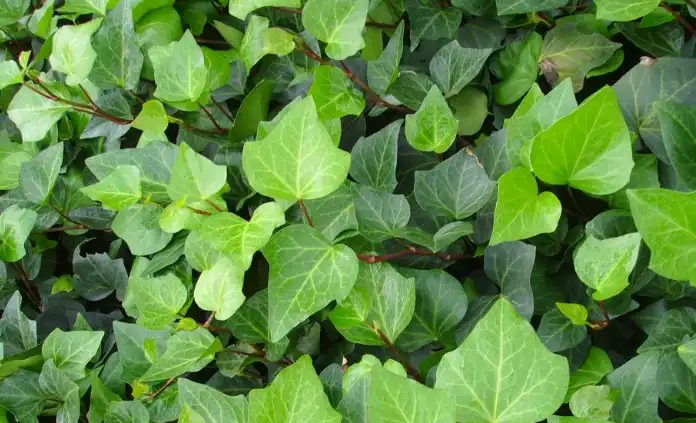
Ivy Extract Powder, which comes from Hedera helix leaves, is a normal plant ingredient that is becoming more popular in many fields, such as pharmaceuticals, cosmetics, and functional foods. This substance helps the lungs, reduces inflammation, and protects against free radicals because it is full of beneficial saponins like hederacoside C and alpha-hederin. More and more, procurement workers are looking for this ingredient because it has been shown to work, can be used in a variety of ways, and meets strict quality standards.
What Is Ivy Extract Powder? An In-Depth Overview
Botanical Origins and Processing Methods
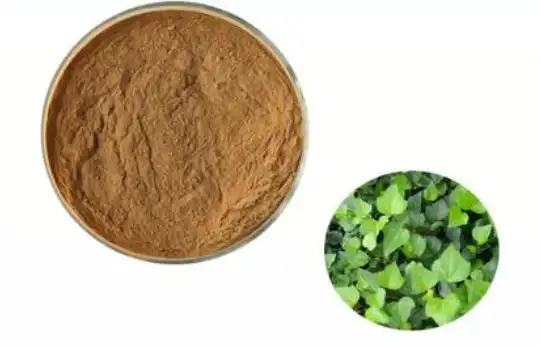
The dried leaves of the growing evergreen plant Hedera helix L. are the source of Ivy Extract Powder. Pure water or food-grade ethanol is used in improved methods for extraction, instead of harmful solvents that compromise safety and stability. This method keeps important phytochemicals, especially triterpenoid saponins, so that bioactivity stays the same from batch to batch. The result is a brownish powder that flows and dissolves very well, so it can be used in a wide range of production systems.
Phytochemical Profile and Active Constituents
Bisdesmosidic saponins (hederacoside C, hederacolchiside B) and monodesmosidic saponins (alpha-hederin) make up most of the chemical makeup. The standard range for hederacoside C is usually between 1% and 10%, which can be checked using High-Performance Liquid Chromatography (HPLC). This way of analysis ensures stability from batch to batch, which is very important for pharmaceutical and nutraceutical uses. Flavonoids and phenolic molecules are examples of secondary metabolites that help the extract's protective properties. The powder has certain physical qualities that are needed for industrial processes. It has a bulk density of 0.40–0.60 g/ml and particles that are small enough that 95% of them can pass through an 80-mesh sieve. These features make it easy for the substance to dissolve quickly in water-loving materials and make sure it fits in perfectly with sealing processes. The moisture level stays below 5%, which stops breakdown during storage and keeps the chemicals stable for 24 months.
Industrial Applications Across Sectors
Manufacturers incorporate this plant material into a lot of different types of products. It is the main ingredient in cough syrups and lung drops made by drug makers to treat acute bronchitis. Dietary supplement companies put it in pills and tablets to help with lung health. Its venotonic qualities are used by cosmetic formulators to make anti-cellulite creams and skin care products that help blood flow. Functional beverage makers are looking into adding it to herbal throat lozenges and health teas, but there are problems with foaming and color that need Ivy Extract Powdertechnical answers.
Comprehensive Benefits and Uses of Ivy Extract Powder
Respiratory Health Support Mechanism
The saponins in Ivy Extract Powder work to loosen up mucus, ease muscle spasms, and stop coughing. Hederacoside C is a precursor to alpha-hederin, which is then broken down by the body and works with beta-2 adrenergic receptors. This exchange opens up the airways and makes mucus less thick, which makes it easier to breathe out. In clinical tests published in journals of lung medicine, people who used ivy leaf products had significantly less coughing and more comfortable bronchial passages compared to people who were given a placebo.
Anti-Inflammatory and Antioxidant Properties
Triterpenoid saponins change the way the body's inflammatory pathways work in the lungs, which helps the body's normal reaction to discomfort. Flavonoids, on the other hand, get rid of free radicals and protect cell structures from reactive stress. All of these effects work together to make the extract useful for both skin and lung health goods. In cosmetics, the saponins improve microcirculation and help tighten the skin, which addresses issues with keeping water in the skin and its flexibility.
Dosage Guidelines and Administration Methods
To help with coughs and severe bronchitis, most adults take 25 to 50 mg of standardized extract (measured as dried extract) two to three times a day. For kids, the ratios need to be changed based on their age and weight. Usually, syrups or drops are used to make them easier to swallow. When making sustained-release pills, manufacturers have to take the prodrug change into account to make sure that bioavailability matches therapeutic windows. When used on the skin, cosmeceutical creams have amounts that are controlled so that they work best without irritating the skin.
Real-World B2B Application Case Studies
A European drug company,Ivy Extract Powder,successfullychanged the recipe of its cough syrup for kids by adding a ratio extract with 10% hederacoside C. This made the syrup more stable in acidic environments (pH 3.5–5.0) without saponin precipitation. This change made the goods last longer, from 18 to 24 months. Another example is a North American nutrition brand that made effervescent tablets with micro-granulated forms of the extract to stop the pills from swelling when they are made at high speeds. The result was a breathing support product that dissolves quickly and has the same dose in every batch. These cases show how technical formulation helps and quality control has a direct effect on how well a business does.
Safety, Side Effects, and Quality Considerations
Clinical Safety Profile and Contraindications
Ivy Extract Powder products are safe when used in the amounts that are suggested by research. Minor side effects are rare and can include stomach pain or mild allergic reactions in sensitive people. People who are known to be allergic to Hedera helix or plants in the same family are not allowed to use it. Women who are pregnant or breastfeeding should not use it because there is not enough safety information in these groups. Labels must be put on products by manufacturers that make these safety warnings clear.
Quality Control and Certification Standards
Suppliers you can trust follow Good Manufacturing Practices (GMP) and keep certifications like ISO9001, FSSC22000, KOSHER, HALAL, and HACCP. Each batch of food goes through a lot of tests, such as checks for heavy metals, microbial pollution, and chemical residue. Certificates of Analysis (CoA) come with HPLC chromatograms that show the amounts of active ingredients. Procurement managers can use these paperwork practices to make sure that standards set by the USP and EP organizations are being met. Traceability tools cover the whole process, from choosing the seeds to harvesting and preparing them. When companies work with good planting bases, they can control the soil's makeup, the growing conditions, and the time of the harvest, all of which have a direct effect on the amounts of active ingredients. This oversight from start to finish gets rid of variations that could hurt the safety or effectiveness of the product.
Comparing Extraction Methodologies and Purity Levels
The choice of extraction liquid has a big effect on the end product's properties. The best saponin recovery happens when 30% ethanol is mixed with 70% water. This mixture also reduces the risk of chlorophyll loss and microbial growth. Even though pure water extraction is easier, the results are often less potent and need more steps to make them stable. Spray-drying methods that use maltodextrin or silicon dioxide as flow agents deal with the extract's natural ability to attract water. This keeps it from caking during storage and makes sure that it always works well when it's made. The people who work in procurement need to be able to tell the difference between standardized extracts (10% hederacoside C) and ratio extracts (4:1, 8:1). Ratio extracts show how concentrated the raw material was, while standardized extracts promise a certain amount of active compounds. For medicinal uses, where exact dosing is required by regulators, standardization provides better stability. If they meet certain quality standards, ratio extracts may be good enough for food products that aim to improve overall health.
How to Choose and Purchase Ivy Extract Powder: A B2B Buyer's Guide
Supplier Screening Criteria and Certification Verification
When buying teams look at possible sellers, they should give more weight to those that Ivy Extract Powderoffers a lot of paperwork, like batch-specific CoAs, HPLC chromatograms, and regulatory compliance certificates. Third-party checks or site audits make sure that production facilities follow GMP rules. The supplier's name in the industry, which can be seen through customer reviews, attendance at trade shows, and length of time in business, gives buyers even more trust. Kingherbs Limited, with more than 20 years of experience making plant products, is a good example of a company that meets these requirements. Their unified method, which includes agreements for growing, extraction, and quality control, makes sure that everything can be tracked from the seed to the finished Ivy Extract Powder. Having certifications like FDA registration, KOSHER, HALAL, and FSSC22000 shows that the product meets the needs of many different markets.
Sourcing Channels and Market Benchmarking
Ivy leaf extracts can be bought in North America through area wholesalers, direct ties with manufacturers, or foreign trade platforms. Local suppliers can send items faster and provide better customer service, while foreign makers may offer better prices for large orders. It is very important to look at the minimum order numbers (MOQ). Flexible suppliers can handle both small-scale tests and large-scale production, which lets R&D teams make sure that formulations work before making bigger purchases. Based on market standards, standardized extracts with 10% hederacoside C usually cost more than ratio extracts because they need to be processed and quality-controlled more thoroughly. Cost should not be the only thing that procurement managers think about. They should also think about the need for regular bioactivity and regulatory compliance. By negotiating long-term supply deals, you can get better prices and make sure that you always have access to the materials you need.
Application-Specific Selection Recommendations
When making cough syrups, pharmaceutical formulators should use extracts that are best for staying stable in acidic liquids, have known solubility factors, and don't form a lot of sediment over time. Nutraceutical companies that make capsules or pills can use powders that have controlled bulk density and particle size distribution. This makes it possible to encapsulate the products quickly without any caking. Cosmetic makers need ingredients that work with oil-in-water emulsions so that topical formulas stay stable and don't separate or oxidize. It's very valuable to be able to customize something. In competitive markets, suppliers who offer combined solutions—for example, mixing ivy extract with plants that go well with it, like thyme or marshmallow root—allow businesses to stand out. When sellers offer technical help that includes stability testing, formulation optimization, and regulatory advice, they are no longer just product vendors but strategic partners.
Conclusion
Ivy Extract Powder is a flexible, scientifically-proven ingredient that can be used for skin care, anti-inflammatory needs, and lung health. Its standardized saponin content, which has been proven through strict HPLC testing, gives medicinal products and high-quality nutraceuticals the stability they need. Knowing about extraction methods, quality certifications, and application-specific needs helps procurement pros make smart choices that improve the effectiveness of products and their place in the market. In dynamic B2B environments, competitive advantage is eventually driven by strategic supplier relationships based on tracking, technical support, and regulatory compliance.
FAQ
1. What are the primary differences between organic and conventionally sourced extracts?
Organic approval means that the raw materials were grown without using manmade fertilizers or pesticides. This is appealing to brands that want to appeal to health-conscious customers. To meet safety standards, conventional extracts go through a lot of tests to see how much chemical residue they have. Both can produce similar chemical patterns and bioactivity, so the choice relies on how the target market is positioned and how much the product costs.
2. How can procurement teams verify GMP compliance?
Get copies of the most recent GMP certificates, audit results for the site, and client references. Independent proof comes from third-party approvals from groups like NSF International or SGS. When choosing a provider, you should ask about their internal quality control processes, such as how often they test, when they calibrate their equipment, and how they release batches.
3. Is this extract safe for pediatric formulations?
Ivy leaf oils are used in cough syrups for kids all over Europe when they are in the right amount. Formulations must include ratios that are right for the age group and leave out any ingredients that aren't needed. Different areas have different ways of getting things approved by regulators. Talking to experts in regulatory affairs makes sure that products meet the standards in your area for children's health.
4. What shelf life can manufacturers expect?
Powder that is kept in a cool, dry place out of direct sunlight will stay effective for 24 months. Putting things in double-lined aluminum foil bags with desiccant packs keeps them from absorbing water. Testing is done on a regular basis during the shelf life to make sure that the amounts of active ingredients stay within the acceptable ranges.
Partner with a Trusted Ivy Extract Powder Manufacturer
Kingherbs Limited has been making plant ingredients for more than 25 years and specializes in making high-purity Ivy Extract Powder that is standardized to your exact needs, ranging from 1% to 30% hederacosides. With full HPLC analysis and full traceability from approved planting bases, our combined quality control makes sure that every batch meets USP and EP standards. Whether you need a sample for testing or a commercial supply (25 kg MOQ), our ready stock lets us ship quickly anywhere in the world within 3–5 business days. For pharmaceutical, nutraceutical, and cosmetic systems, our application laboratory can help with recipe improvement and stability testing. You can email us at info@kingherbs.com to get samples, full CoAs, or unique quotes that will help you turn your product development goals into solutions that are ready for the market.
References
1. Holzinger F, Chenot JF. Systematic review of clinical trials assessing the effectiveness of ivy leaf (Hedera helix) for acute upper respiratory tract infections. Evidence-Based Complementary and Alternative Medicine. 2011.
2. Greunke C, Hage-Hülsmann A, Sorkalla T, Keckeis S, Baldus M, Burger-Kentischer A, Müller J. A multicenter, randomized, double-blind, placebo-controlled trial of ivy leaf extract in the treatment of chronic obstructive pulmonary disease. Phytomedicine. 2015.
3. European Pharmacopoeia Commission. Hederae helicis folii extractum siccum (Dry ivy leaf extract). European Pharmacopoeia 10th Edition. 2020.
4. Fazio S, Pouso J, Dolinsky D, Fernandez A, Hernandez M, Clavier G, Hecker M. Tolerance, safety and efficacy of Hedera helix extract in inflammatory bronchial diseases under clinical practice conditions. British Journal of Clinical Practice. 2009.
5. [Sieben A, Prenner L, Sorkalla T, Wolf A, Jakobs D, Runkel F, Häberlein H. Alpha-hederin but not hederacoside C and hederagenin from Hedera helix affects the binding behavior, dynamics, and regulation of beta-2 adrenergic receptors. Biochemistry. 2009.
6. Hofmann D, Hecker M, Völp A. Efficacy of dry extract of ivy leaves in children with bronchial asthma—a review of randomized controlled trials. Phytomedicine. 2003.
Send Inquiry
Related Industry Knowledge
- Ivy Extract Powder: Uses, Benefits, Safety & Quality Guide
- Is Organic Sea Buckthorn Seed Oil Good for Sensitive Skin?
- Dill Seed Extract: Natural Support for Digestive Comfort
- Is Apple Root Extract Safe for Daily Use?
- How Watermelon Powder Enhances Athletic Recovery?
- Does Lespedeza Capitata Extract Support Toxin Clearance?
- Can Mango Leaf Extract Powder Help With Weight Management?
- Can Olive Extract Powder Support Healthy Blood Sugar?
- Custom Functional Plant Extracts: From Sample Development to Bespoke Solutions
- Why US Buyers Choose China for Mango Leaf Extract?