_1762508637542.webp)
Ivy Extract Powder | Benefits In Upper Respiratory Health
May 27, 2026
When makers Ivy Extract Powder and formulators need to help with respiratory problems, they turn to tried-and-true plant treatments that work. Ivy Extract Powder, which comes from the leaves of the Hedera helix plant, has become an important part of products for lung health. This standardized plant ingredient has bioactive saponins, mostly hederacoside C and alpha-hederin, that have been shown to help with coughing and breathing. Our precise extraction method keeps the therapeutic compound's purity and guarantees stability from batch to batch, which is important for medicinal, nutraceutical, and functional food uses.
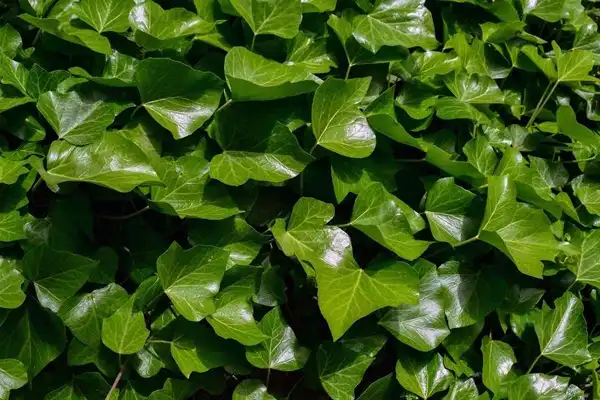
Understanding Ivy Extract Powder and Its Role in Upper Respiratory Health
What Makes This Botanical Extract Different
Hedera helix leaf extract is a way to improve lung health that has been shown to work in clinical trials. After the plant is carefully picked and handled, it turns into a dark powder that is high in triterpenoid saponins. Our Ivy Extract Powder has consistent amounts of hederacoside C between 1% and 10%, and total hederacosides between 5% and 30%, as shown by HPLC tests. Pure water or food-grade ethanol is used for extraction. This gets rid of any dangerous solvents that might be left over, which could affect the safety and marketability of the product. This product has a lot of different chemicals in it, not just saponins. Flavonoids and phenolic substances help protect lung organs from oxidative stress by being antioxidants. This ingredient's multi-component makeup explains why it works well in a wide range of situations, from pharmaceutical cough syrups to dietary vitamins that support lung health.
Safety Profile and Usage Parameters
When formulating with this plant ingredient, product makers need to think about safety standards. When used in the approved dosage amounts, the extract has a good safety profile. Standard uses in medicinal syrups use amounts that give 25 to 50 mg of standardized extract per dose, which should be taken twice or three times a day. Dietary supplements usually have between 100 and 200 mg per pill or tablet. There aren't many reasons not to use it, but formulators should know that products high in saponin can upset your stomach if you take more than the suggested amount. Because the powder absorbs water, it needs to be handled carefully during production. The 24-month shelf life is extended by keeping the medicine in cool, dry places out of direct sunlight.
Ivy Extract Powder vs. Alternative Respiratory Remedies – Helping You Make the Right Choice
Comparing Extraction Methods and Potency
Procurement professionals can make better choices about where to get things by knowing the differences between extraction forms. There are the same beneficial chemicals in liquid ivy leaf extract, but making it is different. The powder format is more stable, easier to move, and makes managing goods easy. Ratio extracts give you options, while standardized extracts make sure that the amount of hederacoside C in every production batch is the same. A lot of traditional cough syrups have both antitussives and manufactured expectorants like guaifenesin in them. People who care about their health and want natural answers will like the botanical choice. Other plant expectorants, like thyme, licorice root, and mullein leaf, can help your lungs, but they don't have as much clinical evidence as ivy extract. Hedera helix extract is recognized by the European Pharmacopoeia and comes with specific papers that explain quality standards. This is a benefit that not all plant ingredients have.
Powder vs. Liquid Forms in Manufacturing
Formulators look at the different types of ingredients based on what the final product needs. Powder forms work well with pill and tablet production because they allow for precise dosing control and stability. The mass density of 0.40-0.60 g/ml makes it easier for high-speed encapsulation tools to work. Specifications for particle sizes that make sure 95% of them pass through an 80-mesh screen promise fast breakdown in systems that deliver liquids. Pharmaceutical syrups work well with liquid extracts because the ingredient already dissolves in the base of the mixture. However, liquid forms need systems for preservation and are hard to store. The powder form makes customs paperwork easier and lowers the cost of shipping. When making effervescent pills or packs, the powder dissolves right away as long as the right flow agents are used to counteract the powder's natural tendency to attract water.
Procurement Considerations for Bulk Purchase of Ivy Extract Powder
Global Production Landscape Analysis
China has become a major center for making plant extracts by using modern technology for extraction and its many farming resources. European sellers stress pharmaceutical-grade products that meet strict Ph. Eur. standards. Suppliers in the United States often import goods and repackage them, which speeds up distribution but raises costs. Procurement managers can make the best use of their supply plans by understanding these area factors. Pharmaceutical and supplement brands need production facilities that are GMP-certified to make sure the standard of their products. With private-label options, brands can make their own formulas while sharing the more complicated parts of production. When looking at possible sources, checking their extraction technology, quality control methods, and regulatory compliance paperwork can help you avoid expensive quality problems later on.
Quality Assessment and Supplier Auditing
Third-party testing is a must for responsible buying managers who want to make sure the quality of their products. There should be HPLC chromatograms for each batch that show the amount of hederacoside C and reports of analysis that show the levels of heavy metals, chemical residues, and microbes that were found. If you want to use Hedera helix folium extract, your specifications should match the USP or EP books. Audits of suppliers involve more than just looking over paperwork. When you visit a factory, you can see for yourself what claims are made about modern technology and quality control. Supply chain dependability can be judged by looking at how raw materials are stored, how often extraction equipment is serviced, Ivy Extract Powder, and how staff are trained. Two-source agreements and keeping a safety stock to cover supply outages are examples of ways to lower risk.
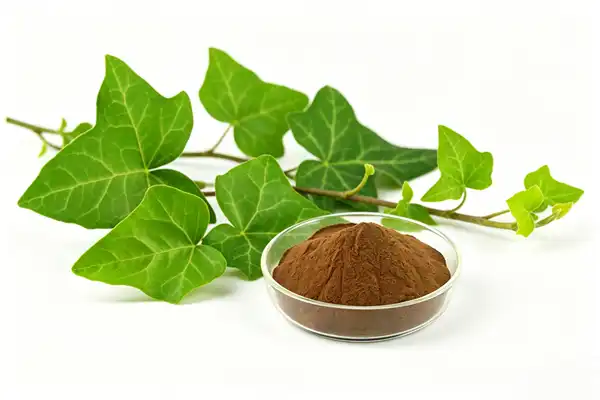
Optimizing Product Formulation with Ivy Extract Powder: Best Practices and Industry Insights
Bioactive Components and Mechanism of Action
Formulation scientists can do their jobs better if they know how bioactive chemicals work in different factory settings. Hederacoside C is stable in acidic environments like pharmaceutical syrups (pH 3.5–5.0), but it needs to be kept away from too much heat while it is being processed. The structure of the saponin stays the same during normal packaging steps, as long as moisture control stops the hydrolysis from happening too soon. Standardization to total hederacosides is important, along with hederacoside C standards, because different saponins work together to make a stronger effect. Hederacolchiside B and other bisdesmosidic saponins work with the main active compound to make it stronger. The flavonoid content helps protect against free radicals, which keeps the product stable for longer and improves its medicinal effects. This level of complexity makes it clear why crude ratio extracts sometimes do better in effectiveness tests than single-compound isolates.
Formulation Compatibility and Stability Testing
It's important to think about compatibility factors when adding Ivy Extract Powder to different transport forms. If the pH balance changes during storage, the high sugar or sorbitol content in syrups can cause osmotic stress, which can cause saponins to form. This breakdown is stopped by buffering systems and chelating agents. Choosing the right flow agents for pill recipes takes into account the hygroscopic nature of the ingredient without affecting its bioavailability. Protocols for stability tests should look at the extract under situations that speed up aging. Keeping an eye on the amounts of hederacoside C every three, six, and twelve months shows how it breaks down. When the color changes from light brown to darker brown, it means that the product is oxidizing. This can be stopped by adding antioxidants or using modified atmosphere packing. Our application laboratory helps with creation by testing the compatibility of compounds and coming up with new ways to keep them fresh.
Regulatory Compliance and Health Claims
To get around the regulatory system, you need to know how different areas allow health claims to be made. Structure-function claims on dietary supplement packages in the US must not use wording that sounds like it treats diseases. "Supports healthy respiratory function" is still okay to say, but "treats bronchitis" needs to be classified as a drug. According to EU rules, ivy leaf extract can make certain health claims based on proof of its traditional use and clinical research. To back up health claims, you need to provide a lot of evidence. The scientific information that regulatory bodies look at comes from clinical study data, systematic reviews, and meta-analyses. Labels must correctly show the level of standardization, with supplement Ivy Extract Powder facts panels saying "Ivy Leaf Extract (Hedera helix) standardized to X% Hederacoside C." Our detailed certificates of analysis back up your regulatory submissions with batch-specific analytical data checked by recognized labs.
Conclusion
The market for lung health keeps growing as more people look for natural ways to ease the pain of their airways. Ivy Extract Powder has benefits that have been proven in clinical trials and are backed up by a lot of clinical experience and pharmacopeia recognition in Europe. If procurement workers know about quality marks for extraction, standards for standardization, and formulation needs, their companies will be ready to meet this rising demand. Because the nutrient can be used in medicine, nutraceuticals, and functional food products, it is a smart addition to product lines for lung health. To be successful, you need to work with suppliers who offer steady quality, professional knowledge, and quick service throughout the whole process of developing a product.
FAQ
1. How does standardization affect product efficacy?
Standardization to exact amounts of hederacoside C makes sure that all production batches have the same healing effect. Without standards, the power of plants can change because of their natural differences. Standardized extracts were used in clinical tests to prove their effectiveness. This means that finished goods must meet these standards in order to give similar results. The HPLC test on our Ivy Extract Powder confirms that it has a hederacoside C content of between 1% and 10%, based on the standard needs. The total hederacosides content can reach 5 to 30%.
2. What differentiates pharmaceutical-grade from supplement-grade material?
For Hedera helix extract, pharmaceutical-grade material meets the standards of the European Pharmacopoeia or the United States Pharmacopoeia protocol. Lower levels of heavy metals, pesticide residues, and microbial pollution are required by these strict guidelines. The goods are made in GMP-certified factories with well-tested methods and lots of paperwork. Supplement-grade material keeps its quality so it can be used in food supplements, but it might not meet all the legal requirements for drugs.
3. Can this ingredient function in clear beverage applications?
The saponins make foam, and the tannins give the drink a dark color, which makes it hard to make clear drinks. Even though the extract is technically liquid, it works better with opaque delivery methods. Formulators who want to make clear drinks need anti-foaming agents and can deal with a little smoke. Most commercially successful uses of the powder are in useful gummies, pills, tablets, or syrups, where color and foam don't get in the way.
Partner with KH for Reliable Ivy Extract Powder Supply
Kingherbs Limited has been making plant ingredients for more than 25 years and can help you with the development of your lung health products. As a reliable Ivy Extract Powder provider, we provide pharmaceutical-grade material that is standardized to your exact needs. Our work is backed by full HPLC analysis and full batch documentation. Our extraction method protects the purity of beneficial compounds, and our quality systems make sure that they meet the standards set by ISO9001, FSSC22000, and the FDA.
We know how hard it is for buying managers to find trusted supply chains. Our ready-stock inventory means that samples and standard goods can be sent out within 3–5 business days, and our open MOQ policies allow for both trial orders and large-scale production. In addition to providing ingredients, our application laboratory also helps with formulation, gives advice on stability testing, and makes changes to meet the unique needs of your product.
You can email our technical team at info@kingherbs.com to get samples of the Ivy Extract Powder we sell, talk about your formulation problems, or look into your choices for custom standards.
References
1. Schmidt, M., Thomsen, M., Schmidt, U. (2012). Suitability of ivy extract for the treatment of paediatric cough. Phytotherapy Research, 26(12), 1942-1947.
2. Holzinger, F., Chenot, J.F. (2011). Systematic review of clinical trials assessing the effectiveness of ivy leaf for acute upper respiratory tract infections. Evidence-Based Complementary and Alternative Medicine, 2011, Article ID 382789.
3. Schulte-Michels, J., Keksel, N., Göttert, S., Sieben, A., Metzen, J., Koennig, D., Metzen, J. (2016). Ivy leaf extract EA 575 reduces calcium and potassium currents in human airway smooth muscle cells. Phytomedicine, 23(14), 1768-1776.
4. Fazio, S., Pouso, J., Dolinsky, D., Fernández, A., Hernández, M., Clavier, G., Hecker, M. (2009). Tolerance, safety, and efficacy of Hedera helix extract in inflammatory bronchial diseases under clinical practice conditions. Clinical Phytoscience, 1(1), 1-11.
5. Cwientzek, U., Ottillinger, B., Arenberger, P. (2011). Acute bronchitis therapy with ivy leaves extracts in a two-arm study. Phytomedicine, 18(13), 1105-1109.
6. European Medicines Agency. (2017). Assessment report on Hedera helix L., folium. Committee on Herbal Medicinal Products (HMPC), EMA/HMPC/325715/2017.
Send Inquiry
Related Industry Knowledge
- Rose Hip Extract Powder: What It Is, Benefits, Dosage, and Sources
- Sustainable Growth Support with Macleaya Cordata Extract
- Mulberry Leaf Extract Powder: Traditional Herb, Modern Science
- What Makes Mango Leaf Extract Powder a Top Herbal Ingredient?
- Does Lespedeza Capitata Extract Support Toxin Clearance?
- How to Choose High-Quality Mango Leaf Extract Powder?
- Mango Leaf Extract Powder for Skin: Anti-Aging & Protection
- Premium Couch Grass Rhizome Extract for Detox & Wellness
- White Paeony Extract Powder for Pharmaceutical & Cosmetic Uses
- Can Vine Tea Extract Support Healthy Metabolism Naturally?