_1762508637542.webp)
How to Verify the Purity of Holy Basil Extract Powder?
Aug 3, 2026
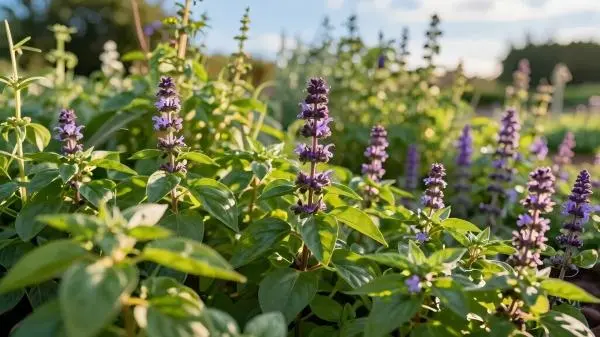
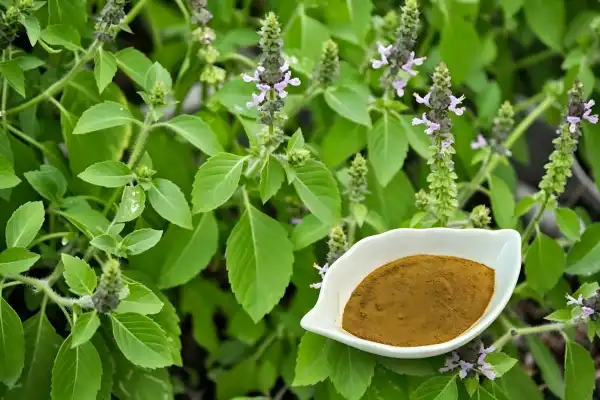
Verifying the purity of Holy Basil Extract Powder requires a systematic approach combining sensory evaluation, analytical testing, and supplier documentation review. Authentic Tulsi extract derived from Ocimum sanctum Linn should exhibit a fine brownish-yellow appearance with characteristic aromatic properties. Purity verification centers on HPLC testing to confirm ursolic acid content (typically 1-2.5%), screening for heavy metals and microbial contaminants, validating certificates of analysis from accredited laboratories, and examining supplier certifications such as ISO9001 and FSSC22000. These measures protect product efficacy, regulatory compliance, and consumer safety.
Understanding the Importance of Purity in Holy Basil Extract Powder
Herbal extracts are said to be pure if they don't contain any impurities, fillers, or adulterants and meet certain quality and safety standards. When we talk about botanical ingredients' purity, we're talking about several interconnected quality factors that have a direct effect on the safety and effectiveness of the product.
There are many ways that Holy Basil Extract Powder can become contaminated or adulterated, which makes it less effective and poses serious safety risks. During farming, pesticide leftovers, heavy metal buildup from the soil, or microbial growth during bad storage can all cause contamination. Adulteration is the intentional mixing of cheaper plant materials, man-made chemicals, or useless fillers to lower the cost of production while misleading buyers about the real amounts of active ingredients.
Why Purity Verification Matters for Your Business
For business-to-business buyers, checking purity is more than just following the law; it's also about protecting the brand's reputation and making sure that every batch of the product works the same way. When you buy Holy Basil Extract Powder for functional foods or dietary supplements, people trust that each capsule or serving will give them the health benefits that were advertised. One tainted batch can lead to product recalls, fines from the government, and long-lasting damage to consumer trust that takes years to fix.
Regulatory and Safety Considerations
Current Good Manufacturing Practice rules from the FDA say that companies that make dietary supplements have to check the products' name, purity, strength, and make-up. In the same way, the European Pharmacopoeia sets strict limits for herbicide traces, heavy metals, and microbial pollution. Understanding these legal guidelines is the first step in making sure that the quality of the goods you buy meets the USP and EP standards that are required by foreign markets.
Proven Methods to Verify the Purity of Holy Basil Extract Powder
Robust verification starts with a number of different testing methods that work together to give full quality assurance. Our suggestion is to use a tiered verification strategy that starts with basic checks and moves on to more complex analysis methods.
Sensory and Physical Inspection
Before spending a lot of money on analytical testing, the first sensory inspection looks at colour, texture, and smell to get a sense of the quality. Holy Basil Extract Powder that is real and made from Ocimum sanctum stems and leaves should be a fine, brownish-yellow powder with a strong smell. If the colour veers toward pale yellow or greenish tones, it could mean that the leaf material came from different growth stages or that the processing wasn't done right. Texture should be even and flow freely without clumping, which could mean that water got in or the material wasn't dried properly. The smell should have herbal notes that come from the natural eugenol content, not musty or chemical smells that mean it's been tainted.
Advanced Analytical Testing Methods
Advanced testing methods like High-Performance Liquid Chromatography (HPLC), Gas Chromatography-Mass Spectrometry (GC-MS), and Thin Layer Chromatography (TLC) are used for more accurate evaluations to find active substances, contaminants, and adulterants. HPLC testing is the best way to find out how much ursolic acid is in holy basil samples. Reliable providers will give you specs between 1% and 2.5% ursolic acid that have been checked by this method. This method separates, names, and measures individual chemical parts, making a unique chemical fingerprint that proves the identity of the plant and the amount of active ingredients present.
GC-MS analysis is used in addition to HPLC to profile volatile compounds like eugenol and check for pesticide residues and solvent contamination at the same time. Concerns about the safety of extraction are addressed by this two-in-one test. This is especially important when checking that providers only use natural extraction methods with water or edible ethanol instead of dangerous chemical solvents.
Microbial and Heavy Metal Testing
Testing for microbes finds yeast, mould, and the total aerobic count, E. coli, Salmonella, and other harmful germs that make products less safe. Heavy metal screening checks the amounts of lead, arsenic, cadmium, and mercury against known safe limits. These tests are especially important for organic ingredients because plants naturally take in pollutants from the earth and water as they grow. Instead of just taking samples from time to time, good suppliers do these tests on every production batch.
Certificate of Analysis and Third-Party Certifications
Looking at suppliers' Certificates of Analysis (COA) and third-party certifications like GMP, organic status, KOSHER, HALAL, and HACCP makes things clearer and gives proof of quality claims. A full COA should have information about the plants they come from, the amounts of active compounds that have been tested using HPLC, the results of microbe tests, heavy metal screens, pesticide residue analysis, and the amount of water that is in the plant. Third-party approvals from independent auditing groups boost trustworthiness because they come from an outside source and are not just self-reported quality measures. Ask for COAs from recent production batches and make sure that testing was done by ISO 17025 accredited labs when looking at possible providers.
Comparing Purity Across Different Holy Basil Extract Powder Types
Purity requirements and problems with verification are different for each type of product, processing method, and intended use. By knowing these differences, B2B clients can make sure that their purchasing needs match the form and purpose of the product.
Organic Versus Conventional Extracts
Holy Basil Extract Powders are grown and tested under tighter rules than common options. This affects their purity level and where they stand in the market. Synthetic herbicides, chemical fertilisers, and genetically modified organisms are not allowed on farms that are certified organic. This lowers the chance of contamination right from the start. But organic approval doesn't mean the food is pure; it needs to be checked further because even organic crops can pick up heavy metals from the dirt or become contaminated with microbes during processing.
Ratio Extracts Versus Standardized Extracts
Ratio extracts show the concentration relationship between the raw plant material and the finished extract (for example, 10:1 means that 10 kg of plant material makes 1 kg of extract), while standardised extracts promise specific active ingredient amounts, such as 2% ursolic acid. When making new medicines, standardised extracts are better because each batch has consistent bioactive levels. On the other hand, ratio extracts can have differences from batch to batch depending on the quality of the raw materials and when they were harvested. Standardised extracts make quality standards clearer when purity proof is very important.
Pure Extracts Versus Blends
Blends contain more than one plant ingredient or extra ingredients, which can make it harder to tell if the product is pure because the chemicals in them can overlap. Pure extracts, on the other hand, only contain Ocimum sanctum elements. When looking for Holy Basil Extract Powder for specific formulations, be very clear about whether you need single-ingredient purity or are okay with proprietary blends. The testing methods and quality standards are very different for these two groups.
How to Choose Reliable Wholesale Suppliers of Holy Basil Extract Powder
To find a reliable supplier, make sure they have strict quality control, clear pricing, follow international standards, and have the operational capacity to help your business grow. The connection with your provider goes beyond just buying things; it turns into a strategic partnership that has a direct effect on the quality of your products and how well they do in the market.
Quality Control and Traceability Systems
Leading providers control the growing conditions, harvest times, and extraction methods to make sure that the active ingredient profiles are always the same, from the seed to the finished product. KH shows its dedication by working with approved planting bases that carefully oversee the quality of the land, the choice of varieties, and the farming methods used. This upstream control gets rid of the variations in raw materials that often lower the quality of botanical ingredients. When looking at different suppliers, find out how they keep track of their products and if they can show proof that certain batches of finished extract come from certain cultivation lots.
Certifications and Compliance Documentation
Check that possible suppliers have up-to-date credentials, such as ISO9001 for quality management, FSSC22000 for food safety, and credentials related to the market, such as FDA registration, KOSHER, and HALAL certifications. Instead of random quality checks, these licenses show that the company uses organised quality management. Suppliers to the pharmaceutical and nutrition industries should offer goods that meet USP and EP standards and come with batch-specific paperwork to prove they do.
Sample Testing and Pilot Orders
By making sure the quality of the product works well in your specific application, samples and trial tests done before placing large orders reduce the risk. Reliable sellers like KH can handle small-batch sample orders and trial quantities, and the minimum order quantity for business orders is as low as 25 kg. This lets you do a full evaluation before committing to large-scale purchases. Ask for samples from several production batches to check for consistency, and don't just rely on the supplier's paperwork; do your own analytical checks as well.
Technical Support and Application Expertise
Long-term relationships with suppliers who put technical support above and beyond providing basic ingredients will help you come up with new recipes and fix problems. Look for suppliers with application labs that can help you with compounding, formulating, and testing for stability for the types of products you want to make, like drinks, gummies, pills, capsules, or cosmetics. This consultative method is more useful than just providing basic ingredients; it can help you solve recipe problems and shorten the time it takes to make a new product.
Best Practices for Procurement Managers to Ensure Consistent Purity
Procurement managers should set clear internal quality standards and Standard Operating Procedures (SOPs) that are specific to Holy Basil Extract Powder and meet the needs of the end product and any legal requirements. These internal standards set objective quality gates that every batch of ingredients must pass through before they can be used in production.
Developing Robust Procurement Specifications
Your buying instructions should include the acceptable ranges for ursolic acid content (for example, 1.5 to 2.5% confirmed by HPLC), the highest levels of heavy metals and microbial contamination that are allowed, the certifications that are needed, and the paperwork that needs to be included, such as COAs and allergen statements. There shouldn't be any doubt about testing procedures because specifications should include standard ways for each quality parameter. Having clear standards makes it easier to talk to suppliers and gives you a reason to accept or reject new materials.
Cross-Functional Collaboration with QA/QC Teams
Working together with QA/QC teams is important for making sure that testing and verification go smoothly throughout your supply chain. Quality assurance shouldn't be done separately from decisions about what to buy. When the procurement and quality teams talk to each other on a regular basis, they can make sure that the criteria used to choose suppliers are in line with current quality priorities, that testing capabilities match the risk profiles of ingredients, and that quality problems are dealt with in the right way. Joint audits of suppliers that include both procurement and quality staff give a full picture of what the supplier can do.
Staying Current with Regulatory Changes
New testing rules, updated contaminant limits, and changing labelling requirements are some of the ways that regulations for botanical ingredients are always changing. Procurement managers need ways to keep up with changes to regulations from the FDA, the European Commission, and other groups that control the markets you want to sell to. Join groups in your field, like the American Herbal Products Association (AHPA) or the Natural Products Association (NPA), that give you information about regulations and advice on your field. This proactive approach stops gaps in compliance that could mess up your supply chain or cause market withdrawals.
Leveraging Technology for Enhanced Traceability
Blockchain-based traceability systems and digital certification platforms are two examples of technology solutions that make the whole buying process more open and accurate. These systems make permanent records that connect produced goods to lots of ingredients and, finally, to farms where the ingredients came from. Digital platforms make it easier to manage COAs, keep track of compliance documents automatically, and act quickly when quality problems arise. Using new technology costs money, but the lower risk and higher operating efficiency make it worth it, especially for companies that sell openness as a way to stand out from the competition.
Conclusion
To be sure that Holy Basil Extract Powder is pure, it needs to be inspected visually, put through complex analytical tests, have all of the supplier's paperwork looked over, and have strong internal quality systems in place. To be successful, you need to choose suppliers who have a history of quality control, clear traceability, and the right certifications, such as ISO9001, FSSC22000, and USP/EP compliance. Procurement managers need to set clear requirements, work closely with quality assurance teams, and stay up to date on how regulatory requirements are changing. You can protect your brand's reputation, make sure you're following the rules, and give customers consistent product performance that builds trust in the competitive botanical ingredient market by using these verification strategies and working with dependable suppliers who emphasize natural extraction processes and batch-level documentation.
FAQ
1. What is the recommended daily dosage for Holy Basil Extract Powder in dietary supplements?
Researchers have found that taking between 300 and 600 mg of a standardised substance containing 1.2 to 2.5% ursolic acid every day can help with adaptogens and stress control. Doses as high as 1,200 mg per day have been tested in clinical trials and found to have no major side effects. However, the best dose relies on the extraction ratio, bioactive concentration, and health claims. When deciding how much of a finished product to sell, brands should talk to trained healthcare workers and look at published clinical research.
2. Does organic certification guarantee purity in Holy Basil Extract Powder?
Organic approval means that the crops were grown without using chemical fertilisers or pesticides, but it doesn't mean that the crops are completely pure without more testing. Heavy metals from the soil can still get into organic crops; they can be contaminated by microbes during processing, or they can be tampered with during the supply chain. No matter if the product is organically certified or not, B2B buyers must do their own independent analytical testing, such as HPLC, heavy metal screening, and microbe analysis, to make sure the Holy Basil Extract Powder is completely pure.
3. How can I recognize adulteration in Holy Basil Extract Powder?
Some signs of adulteration are prices that seem too low compared to the market, colour or texture differences between batches, the lack of a signature smell, and a refusal to provide detailed COAs with HPLC data. Ask for samples from more than one batch and test them side by side. Real suppliers are happy to give you all the paperwork you need, like reports on botanical identification, active compound quantification, and third-party certification. Build relationships with providers who are open and willing to answer questions about quality, not ones who give vague instructions or refuse to provide paperwork when asked about Holy Basil Extract Powder.
Partner with KH for Premium Holy Basil Extract Powder
To make a good purchasing decision, you should start by finding a Holy Basil Extract Powder manufacturer that is totally dedicated to quality, traceability, and technical support. We at Kingherbs Limited have been making botanical ingredients since 1996, and we're known as one of the best botanical extract suppliers in the business. Our Holy Basil Extract Powder comes from the stems and leaves of Ocimum sanctum. It is naturally extracted using only pure water or edible ethanol, never dangerous solvents. This makes sure that it dissolves quickly and has a natural brownish-yellow colour.
Our goods meet USP and EP standards because we have a lot of certificates, such as ISO9001, FSSC22000, KOSHER, HALAL, HACCP, and FDA registration. Each batch comes with full proof of heavy metal screening, microbial tests, and an HPLC study that confirms the presence of 1-2.5% ursolic acid. Our complete tracking system links finished extracts to approved planting grounds where we manage the quality of the soil, the choice of varieties, and the timing of the harvest.
We offer variable minimum order quantities (MOQs) and have products ready to ship right away by courier, air, or ocean. This includes samples for initial testing as well as business amounts in our standard 25 kg drums. In addition to providing ingredients, our application laboratory also helps with compounding, formulating, and testing for stability for your unique product forms. Get in touch with us at info@kingherbs.com to talk about your needs for Holy Basil Extract Powder and see how the KH difference in quality, service, and technical partnership works for you.
References
1. Cohen, M.M. (2014). "Tulsi - Ocimum sanctum: A herb for all reasons." Journal of Ayurveda and Integrative Medicine, 5(4), 251-259.
2. Pattanayak, P., Behera, P., Das, D., & Panda, S.K. (2010). "Ocimum sanctum Linn: A reservoir plant for therapeutic applications." Pharmacognosy Reviews, 4(7), 95-105.
3. American Herbal Pharmacopoeia (2017). "Holy Basil: Ocimum sanctum and Ocimum gratissimum." Botanical Identity and Analytical Methods Guidelines.
4. Singh, D., & Chaudhuri, P.K. (2018). "Chemistry and Pharmacology of Ocimum sanctum (Tulsi): Standardization and Quality Control Approaches." Journal of Pharmacognosy and Phytochemistry, 7(2), 1353-1357.
5. World Health Organization (2007). "WHO Guidelines for Assessing Quality of Herbal Medicines with Reference to Contaminants and Residues." Geneva: WHO Press.
6. United States Pharmacopeia (2021). "General Chapter 563: Identification of Articles of Botanical Origin" and "General Chapter 2251: Screening for Undeclared Drugs and Drug Analogs."
Send Inquiry

Related Industry Knowledge
- How to Choose Premium Melissa Officinalis Extract Suppliers?
- Why Choose Natural Ivy Extract Powder for Health Products?
- Angelica Officinalis Extract Benefits for Women’s Wellness
- Bamboo Leaf Extract vs Bamboo Shoot Extract differences
- Why Is Rose Hip Extract Powder Popular in Beauty Supplements?
- Can Onion Extract Improve Hair Growth Naturally?
- Is Macleaya Cordata Extract an Effective Natural Pesticide?
- Why Choose High-Quality Couch Grass Rhizome Extract?
- What Makes Valerian Root Extract Powder So Effective?
- Consumer Guide: Mango Leaf Extract Powder Benefits & Uses