_1762508637542.webp)
Why Is Rose Hip Extract Powder Popular in Beauty Supplements?
Jun 9, 2026
Rose Hip Extract Powder is now one of the most popular ingredients in beauty products. This is because it naturally contains high levels of vitamin C, polyphenols, and bioflavonoids, all of which help the body make collagen and fight oxidative stress. This organic extract from Rosa rugosa fruit keeps the full phytonutrient profile, making it more bioavailable and easier to absorb than manufactured options. As more people want clean-label, tracked ingredients backed by clinical proof, procurement managers and formulators see this powder as a key ingredient that meets both market expectations for natural beauty-from-within options and standards for effectiveness.

Understanding Rose Hip Extract Powder and Its Unique Properties
Botanical Origins and Extraction Excellence
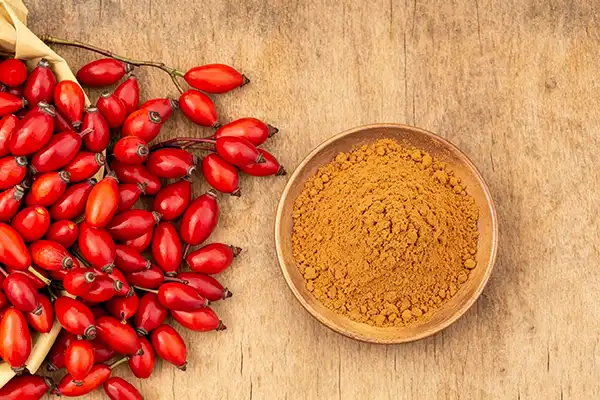
Rose hip extract comes from the fruit of the Rosa rugosa Thunb plant, which is picked after the flowers have died and the nutrients are at their highest level. The small, rust-coloured fruits are carefully dried and extracted to make a fine, brownish-yellow powder that is full of active ingredients. The way that quality rose hip ingredients are extracted is what makes them different. Using pure water or food-grade ethanol instead of harmful chemical agents protects the vitamins and polyphenolic compounds that are damaged by heat. The plant description of this extract is based on polyphenol content ranging from 5% to 25% and vitamin C amounts ranging from 5% to 70%, depending on the needs. These functional parts work together to make an ingredient mixture that is much more effective than ascorbic acid alone. Testing methods like HPLC, UV spectrophotometry, and titration check the purity and strength of the substance, giving quality assurance managers the batch-level records they need.
Active Component Profile and Bioavailability
Bioflavonoids, especially rutin and hesperidin, help the body absorb and use the vitamin C complex that is naturally found in rose hip powder. Galactolipids are special lipid molecules that are only found in rose hips. They have been shown in clinical studies to help reduce inflammation. Carotenoids, such as lycopene and beta-carotene, make the food more antioxidant, and pectin and organic acids help the body handle digestion. This full set of nutrients explains why formulators are choosing whole-fruit extracts over manufactured isolates more and more. The higher absorption means that less of the drug is needed, which saves money while keeping the beneficial effects. At 4:1 and 10:1 doses, ratio extracts offer precise formulation control, which lets product makers tailor strength for specific beauty supplement uses that aim to improve skin tone, flexibility, and general health.
Scientific Insights and Safety Considerations for B2B Clients
Clinical Evidence Supporting Skin Health Claims
Studies that were studied by experts in the field show that Rose Hip Extract Powder chemicals from rose hips can help reduce the signs of ageing. According to studies published in dermatology journals, eating a lot of vitamin C-rich plants regularly helps fibroblast activity, which in turn affects the production of collagen and elastin. One controlled study found that people who took standardised rose hip preparations had better skin hydration and flexibility after 12 weeks. They also had a lot fewer fine lines around their eyes and mouth. There are photoprotective benefits from the polyphenolic part, which helps lower UV-induced oxidative damage at the cellular level. These antioxidants stop reactive oxygen species from doing their damage, which speeds up the breakdown of collagen and the production of too much melanin. Clinical results show that taking supplements by mouth and putting them on the skin together has synergistic effects. This finding is what drives innovation in both beauty items that you eat and cosmeceutical formulas.
Safety Profile and Regulatory Compliance
Rose hip products have a long history of safety and few known side effects. The ingredient is generally thought to be safe (GRAS) when taken in the suggested amounts, which for beauty supplements are usually between 500 mg and 2000 mg per day. High doses of manufactured ascorbic acid can make sensitive people's stomachs hurt. Whole-fruit products, on the other hand, are better tolerated by the digestive system because they are balanced. Businesses-to-business customers need to make sure that suppliers keep up-to-date standards like ISO9001, FSSC22000, HACCP, KOSHER, and HALAL. This makes sure that suppliers follow international quality management systems. Products that meet USP and EP pharmacopeial standards give users of pharmaceutical-grade products even more peace of mind. There should be certificates of analysis for heavy metal screening, pesticide residue tests, and bacterial cleanliness in batch paperwork. These are important for brands that sell in North America and Europe, where regulations are becoming more strict.
Comparative Analysis: Rose Hip Extract Powder vs Alternative Ingredients
Powder Extract vs Rose Hip Oil
While rose hip seed oil is most often used in skin care products, the powdered fruit extract has clear benefits for supplement use. The powder gives you water-soluble vitamin C and flavonoids in a safe, shelf-stable form, while the oil concentrates mostly give you important fatty acids and fat-soluble carotenoids. This difference is very important for companies that make tablets, capsules, and powder blends because they need ingredients that work with dry processing equipment and have a longer shelf life without having to be refrigerated. Because the extract powder is hydrophilic, it can be easily added to drinks, fizzy tablets, and chewy supplements, all of which are quickly becoming popular in the beauty nutrition market. Powder ingredients are easier to keep track of because they don't need to be kept cold or covered in nitrogen to keep them from going bad. When stored properly, they can last for 24 months.
Natural Vitamin C Complex vs Synthetic Ascorbic Acid
There are a lot of synthetic vitamin C pills on the market, but some brands stand out by using natural options. Rose hip powder contains a vitamin C complex with phytonutrients that help the body absorb and use the vitamin C. Bioavailability studies that compare manmade ascorbic acid to vitamin C sources found that natural forms have higher retention rates and higher blood plasma levels for longer periods of time. This helps with marketing in the high-end supplement market, where people look for "whole food" and "plant-based" claims on packages. Positioning with "clean labels" gets higher prices and builds brand trust among people who care about their health. When procurement teams do cost-per-serving estimates, they should take changes in how well the vitamin C works into account. For example, smaller doses of natural vitamin C often have the same biological activity as higher manmade amounts, or even more so.
Procurement Insights: How to Source High-Quality Rose Hip Extract Powder
Certification Verification and Supplier Assessment
When looking at possible providers of Rose Hip Extract Powder, you need to do a lot more than just compare prices. Ask for full certification packages that include building licenses, current GMP audit records, and organic certification (if needed). When a supplier is registered with the FDA and gets audited by a third party on a frequent basis, it shows that they are committed to quality systems that keep batches consistent and reduce the risk of contamination. Ask for full product specs that include not only strength ranges but also testing methods, detection limits, and the reference standards that were used to check the technical abilities. If a supplier offers HPLC fingerprinting, it's easier to track, and your quality control team can check that the profiles of active ingredients match the specs across multiple orders. This amount of openness is necessary when making goods with structure-function claims that need to be backed up.
Sample Evaluation and Commercial Ordering
Small-scale testing is the first step in smart buying strategies. Suppliers with a good reputation will take sample requests and trial orders that are less than the standard minimums. This lets formulation teams test the solubility, flavour, and stability of the product before committing to large purchases. Check how the powder mixes with different materials—extracts that haven't been handled properly tend to clump together and not dissolve completely, which makes it harder. For commercial sales, the minimum weight is usually 25 kg. The goods are packed in fibre drums with food-grade double plastic bag covers to keep them safe during transport. The supply chain is flexible because it can use messenger services for pressing samples, air freight for modest amounts, and ocean containers for large orders. When suppliers keep ready-to-ship stocks on hand, they can quickly deploy when new market chances arise or when changes to the recipe need to be made quickly.
Cost Efficiency and Supply Chain Security
Different specifications lead to different pricing systems. For example, better vitamin C levels and organic standards cost more because they take more processing and use more raw materials. To protect yourself from market instability, you should negotiate long-term supply deals with price stabilisation terms. This is especially important because climate change is affecting crop yields. Instead of just looking at FOB prices, you should also look at the total landing costs, which include freight, customs handling, and storage. Logistics are made easier when suppliers offer combined packages of multiple types of ingredients. This lowers overall buying costs. Set up ties with backup suppliers to lower the risk of disruptions. Make sure that the quality standards and legal compliance standards of the secondary sources can be met.
Why Leading Beauty Supplement Brands Choose Rose Hip Extract Powder
Market Demand and Consumer Preferences
The global market for beauty products is still growing, with yearly growth rates of more than 8%. This is because millennials and Gen Z customers put preventative health first. These groups strongly desire clear information about where ingredients come from, stories about sustainability, and scientific proof—qualities that naturally match plant products like rose hip powder. Differentiating brands depends more and more on ingredient stories. Rose hip comes from a long history of traditional health practices in both Scandinavian and South American cultures. This gives marketing efforts real storylines that stick. This ingredient, along with clinical studies showing real improvements in skin health, helps brands bridge the gap between tradition and innovation based on proof.
Formulation Versatility and Product Innovation
Leading supplement companies use Rose Hip Extract Powder in a wide range of products. The ingredient is stable and works well with other plants like hyaluronic acid, collagen peptides, and ceramides, which is good for capsule products. Powdered drink mixes use the extract's naturally sour taste, which goes well with citrus and berry flavours and provides useful nutrition. New uses for the powder include making beauty sweets and useful candies. The powder's ability to keep colours stable and control moisture helps manufacturers meet their needs. There are a lot of private label possibilities because stores want unique products besides generic multivitamins. When brands work with providers that offer customisation services, like standardising vitamin C levels or making custom ratio extracts, they gain a competitive edge through secret formulas that are protected by specific ingredient requirements.
Technical Support and Partnership Value
The most successful ingredient providers are more like expert partners than just sellers. Comprehensive application labs that can test for stability, suitability, and recipe optimisation help shorten the time it takes to make a new product. When it comes to problems like pH sensitivity, moisture movement in pills, or flavour hiding in functional drinks, suppliers who give detailed formulation advice can help. Access to specific component spectra through advanced analytical testing allows for exact structure-function claim support, which is important for following the rules and communicating with customers. When providers post white papers, pay for clinical studies, and give talks at industry conferences as part of ongoing research, they raise the bar for the whole category and give brand partners useful educational material to help with marketing and sales.
Conclusion
Rosehip extract powder has become popular in beauty products because it works well in clinical trials, is easy to label, and can be used in a variety of ways. The element provides rich vitamins that help the body make collagen and protect cells from damage. This meets a basic need among consumers for natural skin health benefits that they can see. When purchasing this plant, people in charge should give more weight to sellers who can show they have complete quality systems, clear testing methods, and the ability to work with other companies technically. As the market for reliable, science-backed beauty nutrition grows, choosing the right ingredients strategically is becoming more important for setting a brand apart and ensuring long-term growth.
FAQ
What vitamin C concentration is optimal for beauty supplement formulations?
The best amount of vitamin C relies on how much you want to take and how much you are giving. Formulations that focus on maximum strength usually use extracts that are standardised to 50–70% vitamin C. This lets smaller dose amounts have a higher concentration of effectiveness. Products that market themselves as whole-food supplements usually choose 10–30% amounts that keep the full phytonutrient profile. Your R&D team should think about solubility factors. Low to moderate amounts of complete bioflavonoids often give better results than high-dose vitamin C that has been separated from bioflavonoids. This is because bioflavonoids are better absorbed and used by cells.
How does natural vitamin C absorption compare to synthetic forms?
Naturally complexed vitamin C from rose hip extracts demonstrates superior bioavailability due to the presence of bioflavonoids, particularly hesperidin and rutin, which facilitate cellular uptake and prolong plasma retention. Clinical studies measuring urinary excretion and plasma concentration curves show that whole-food vitamin C sources achieve comparable blood levels at lower doses compared to synthetic ascorbic acid. This efficiency translates to cost advantages and marketing benefits when positioning products as premium, naturally sourced alternatives.
Which certifications validate supplier credibility?
Priority certifications include GMP compliance verified through third-party audits, FSSC22000 for food safety management, and ISO9001 for quality systems. Products destined for diverse markets benefit from KOSHER and HALAL certifications expanding accessibility. Organic certification adds significant value for premium positioning but requires verification that standards align with target markets—USDA Organic, EU Organic, and other regional programs maintain distinct requirements. Request current certificates with validity dates and ensure manufacturing facility listings match your supplier's actual production location.
Partner with KH for Premium Rose Hip Extract Powder
KH stands ready to support your beauty supplement innovation with pharmaceutical-grade rose hip extract powder backed by complete traceability and rigorous testing. Our Rosa rugosa extracts maintain standardised potency across multiple specifications—from 5% to 70% vitamin C and 5% to 25% polyphenols—with full HPLC verification included. We accommodate sample requests and small trial batches, progressing seamlessly to commercial volumes with 25kg minimums and prompt delivery from ready stock. Holding ISO9001, FSSC22000, KOSHER, HALAL, and HACCP certifications, we ensure compliance with the most stringent international standards. Connect with our technical team at info@kingherbs.com to explore custom formulation support and discover why leading brands trust KH as their rose hip extract powder supplier.
References
1. Winther K, Campbell-Tofte J, Vinther Hansen AS. "Bioactive ingredients of rose hips (Rosa canina L.) with special reference to antioxidative and anti-inflammatory properties: in vitro studies." Botanics: Targets and Therapy, 2016; 6: 11-23.
2. Phetcharat L, Wongsuphasawat K, Winther K. "The effectiveness of a standardised rose hip powder, containing seeds and shells of Rosa canina, on cell longevity, skin wrinkles, moisture, and elasticity." Clinical Interventions in Ageing, 2015; 10: 1849-1856.
3. Chrubasik C, Roufogalis BD, Müller-Ladner U, Chrubasik S. "A systematic review on the Rosa canina effect and efficacy profiles." Phytotherapy Research, 2008; 22(6): 725-733.
4. Pullar JM, Carr AC, Vissers MCM. "The Roles of Vitamin C in Skin Health." Nutrients, 2017; 9(8): 866.
5. Montserrat-de la Paz S, Fernández-Arche MA, Ángel-Martín M, García-Giménez MD. "The sterols isolated from Evening Primrose oil inhibit human colon adenocarcinoma cell proliferation and induce cell cycle arrest through upregulation of LXR." Journal of Functional Foods, 2014; 11: 516-525.
6. Schwager J, Richard N, Widmer F, Raederstorff D. "Resveratrol distinctively modulates the inflammatory profiles of immune and endothelial cells." BMC Complementary Medicine and Therapies, 2017; 17: 309.
Send Inquiry
Related Industry Knowledge
- Can Artemisinin Powder Outperform Artemisinin-B in Pharma Supply?
- Is Wild Yam Extract Powder the Future of Hormone Care?
- Natural Red Colorant: Watermelon Powder Advantage
- Organic Sea Buckthorn Seed Oil Benefits for Skin Health
- Is Olive Extract Powder Effective for Inflammation Control?
- Does Purple Sweet Potato Extract Help Reduce Oxidative Stress?
- Best Uses of Valerian Root Extract Powder in Supplements
- Can Olive Extract Powder Help Manage Blood Pressure Naturally?
- Premium Valerian Root Extract Powder for Natural Relaxation
- Custom Functional Plant Extracts: From Sample Development to Bespoke Solutions