_1762508637542.webp)
Bamboo Leaf Extract vs Bamboo Shoot Extract differences
Jul 9, 2026
It is important to know the difference between Bamboo Leaf Extract and Bamboo Shoot Extract when looking for ingredients that come from bamboo. Bamboo Leaf Extract, which comes from the Bambusa vulgaris plant, contains high levels of flavonoids (5–10%) and organic silica (10–75%). This makes it an essential ingredient for cosmetics, bone health supplements, and useful drinks. On the other hand, bamboo shoot extract has unique nutritional qualities that make it best for use in food and digestive health goods. Knowing these differences will help you choose the best ingredients to reach your product goals and meet quality standards.
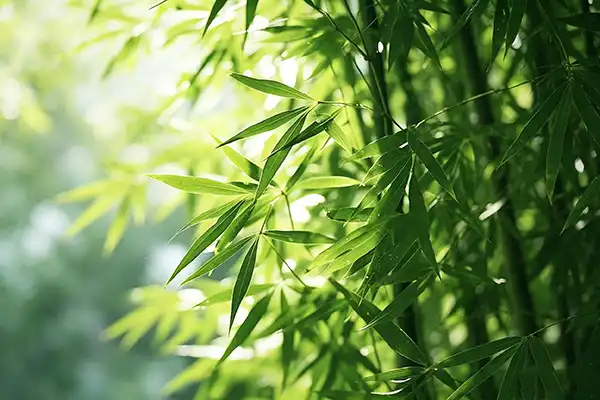
Understanding Bamboo Leaf Extract and Bamboo Shoot Extract
Botanical Origins and Extraction Methods
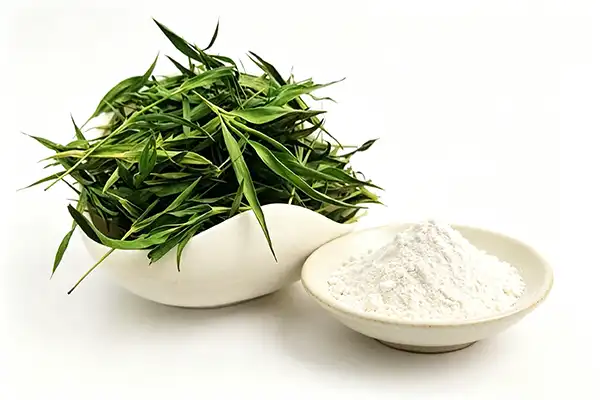
Bamboo Leaf Extract comes from fully grown leaves of Bambusa vulgaris or closely related species, picked at the right time to get the most beneficial compounds out of them. Our extraction method only uses pure water or food-grade ethanol, so we don't use any dangerous solvents and can be sure that the ingredients we use are solvent-safe and clean-label. The result is a fine white powder that has been standardised to have flavonoid levels between 5% and 10% and silica levels between 10% and 75%. This conclusion was confirmed by UV tests. This level of accuracy ensures consistency from batch to batch, which is important for recipe stability.
On the other hand, bamboo shoot extract comes from the young, edible shoots that were picked before they were turned into lignin. The process of processing usually includes drying, grinding, and extracting water. The process makes a powder that is high in dietary fibre, amino acids, and carbohydrates. Even though both products come from the same plant family, their chemical fingerprints are unique because of the different stages of tissue growth and extraction methods.
Chemical Composition and Industrial Applications
Organic silicon and polyphenolic flavonoids like orientin, vitexin, and homoorientin are what make Bamboo Leaf Extract work. These flavonoids and polyphenols have strong antioxidant properties that are similar to tea polyphenols and better than many manmade options. These chemicals are very stable at temperatures up to 250°C, which means they can be added to prepared foods, nutraceuticals, and cosmetics without breaking down. Due to its part in collagen synthesis and connective tissue stability, Bamboo Leaf Extract performs well in anti-ageing serums, collagen-boosting supplements, heart health formulations, and hair-strengthening treatments.
Prebiotic fibres, phenolic acids, and minor minerals make up the majority of the bamboo shoot extract's nutritional profile. It is mostly used in digestive health supplements, weight loss goods, and traditional Asian food stores, where the shoots are used as food items. Both products are good for you, but they work very differently depending on how they are used and what the end user wants.
Bamboo Leaf Extract vs Bamboo Shoot Extract – Comparative Analysis
Antioxidant Capacity and Bioactive Markers
Oxygen Radical Absorbance Capacity numbers indicate that Bamboo Leaf Extract is a better antioxidant than green tea extract and Ginkgo biloba. On many occasions, it is even better than those two. The flavonoid content, which is usually between 5 and 10 per cent, consistently removes free radicals, which is important for anti-inflammatory and oxidative stress-reducing formulas. Premium types have a silica content of up to 75%, which is higher than the bioavailability of horsetail extract. This means that it helps bones mineralise, arteries stay flexible, and hair and nail keratin form.
Even though phenolic substances in bamboo shoot extract make it an antioxidant, it has a lower overall antioxidant capacity. Its main value comes from the fibre it contains and the prebiotic benefits it provides, not from its direct antioxidant action. If you are buying things for beauty or therapeutic uses, Bamboo Leaf Extract will be more in line with standards for effectiveness. Conversely, those producing gut health products may find shoot extract more suitable.
Safety Profiles and Dosage Recommendations
In supplement forms, the recommended daily dose for Bamboo Leaf Extract is between 150 mg and 300 mg. Higher amounts are safe when applied topically. Our ISO9001, FSSC22000, KOSHER, HALAL, HACCP, and FDA compliance certifications show that we follow strict quality control rules. Each batch goes through UV testing and a full quality check to make sure there are no heavy metals, microbes, or chemicals left over.
Bamboo shoot extract, which is usually eaten as food, has a great safety record, though normal dose data is not as clear as it is for leaf extract. Regulatory approval varies by area. For example, Bamboo Leaf Extract is more widely recognised in the USP and EP pharmacopoeias, making it easier to enter the global market.
Product Formats and Organic Versus Conventional Options
Both extracts come in powder, pill, and liquid forms, but Bamboo Leaf Extract is more versatile because it dissolves better in both water and alcohol. We have both organic and conventional grades. Brands that care about clean-source stories will be interested in our organic classification. Conventional types have the same chemical profiles but are more affordable, making them a good choice for people on a budget. There are different packaging choices, such as 25 kg drums for big orders and 100g, 1 kg, 5 kg, and 10 kg for research and development trials. These options meet the needs of both small and large producers.
Procurement Considerations for Bamboo Leaf vs Bamboo Shoot Extract
Supplier Certifications and Verification Processes
We keep supply chain risks to a minimum by buying items from sellers with clear approval portfolios. We keep our ISO9001 quality management, FSSC22000 food safety, and other certifications like KOSHER, HALAL, and HACCP up to date to make sure our goods meet strict international standards. We start our commitment to tracking at the planting base, where we work with controlled cultivation sites to choose the varieties, keep an eye on the land, and decide when to pick. This end-to-end oversight gets rid of variations in the raw materials, which is a common problem for buying managers who have to deal with extracts that aren't always as strong as they should be.
A third-party lab strengthens internal quality assurance by conducting tests. Each batch of Bamboo Leaf Extract comes with an HPLC analysis report that lists the amount of flavonoids and silica it contains, as well as tests for microbes and heavy metals. These ways of documenting help with government reports and customer audits, making it easier to link them to your current quality systems.
Pricing Trends and Bulk Availability
Bamboo Leaf Extract prices change with the seasons, depending on when harvesters gather the leaves and how much demand there is in that area. The prices on the market for standardised silica content between 70% and 75% are still reasonable compared to other silica sources, such as horsetail extract. When you buy in bulk from reputable companies like Kingherbs, you can be sure that the prices will stay stable and that you'll get volume discounts for large orders. We also have a flexible minimum order quantity policy that lets you do exploratory R&D projects without breaking the bank.
Usually, bamboo shoot extract is cheaper because it is easier to process, but it isn't as popular as leaf extract because it only has a few specific uses. Diversified sourcing strategies that balance cost-effectiveness with quality guarantees are helpful for procurement teams looking for long-term supply deals.
Packaging, Logistics, and Regulatory Compliance
The right packing keeps bioactive integrity safe during shipping. Our normal 25 kg drums have nitrogen filling to keep them from oxidising and have moisture-proof covers inside. For smaller amounts, double-sealed aluminium foil bags with professional padding materials are used. This keeps the product stable for messenger, air, and ocean freight choices. Shipping with temperature control is possible for sensitive formulas, which lowers the risk of decay during transport.
Compliance with regulations varies by target market. Bamboo Leaf Extract is compatible with both EU and US standards, which makes it easier to get through customs and cuts down on wait times. We offer a wide range of paperwork, including Certificates of Analysis, Phytosanitary Certificates, and compliance statements specific to each area. This helps accelerate the import process and cut down on delays that affect production plans.
Application Insights: Choosing Between Bamboo Leaf Extract and Bamboo Shoot Extract
Cosmetics and Anti-Inflammatory Products
Bamboo Leaf Extract works particularly well in beauty products that aim to slow down ageing, make skin more elastic, and reduce redness. Its high silica level helps the body make collagen, which makes the skin firmer and less wrinkled. Flavonoids reduce inflammation, which calms down irritated skin and protects it from external stresses. Formulators appreciate that the extract works well with serums, creams, and lotions because it dissolves easily in water and has a light herbal profile that does not alter the product's structure or scent.
Leading skincare companies have added Bamboo Leaf Extract to "beauty-from-within" products to take advantage of the growing interest in natural health among consumers. Because the extract can be used on the skin or in the mouth, it gives brands that want to offer complete anti-ageing lines more ways to diversify their product lines.
Nutritional Supplements and Functional Foods
The organic silicon in Bamboo Leaf Flavonoids extracted from Bamboo Leaf Extract helps the body absorb calcium and maintain bone mass, which is very helpful for bone health products. Products for joint health use its ability to help keep connective tissue healthy and offer natural alternatives to silicon supplements made from chemicals. The extract is used in cardiovascular support products to maintain the flexibility of the arteries, which helps blood flow and circulatory function.
Bamboo shoot extract is used in food supplements that help with weight loss and gut health. Its fibre content helps keep the gut bacteria balanced and makes you feel full, which fits with the current trend of consumers wanting prebiotic ingredients. But brands that focus on antioxidant effectiveness, structural protein support, or skin benefits will find that Bamboo Leaf Extract is more in line with what they say on their products and what customers expect.
Stability and Shelf-Life Considerations
Ingredient stability has a direct effect on how well a recipe works and how long a product lasts. Bamboo Leaf Extract is very resistant to heat and keeps its bioactivity even when processed at high temperatures, such as when made into tablets, capsules, or drinks that are pasteurised. Because it stays stable at pH levels between 2.0 and 12.0, it can be used in a wide range of formulations, from makeup emulsions to acidic functional drinks.
Shelf-life tests show that Bamboo Leaf Extract remains effective for 24 months when stored properly at room temperature. This makes it easier to get rid of old stock. While bamboo shoot extract is steady, it has a shorter shelf life because it is more likely to absorb water and support bacterial growth. This situation means that it needs to be stored more carefully and be sold more quickly.
Making the Right Procurement Decision – A Step-by-Step Guide
Define Business Objectives and Regulatory Requirements
Start by being clear about what you want your product to do. For example, are you making a line of cosmetics that focuses on natural ingredients that fight ageing? Creating bone health products that are more bioavailable? Or adding vitamins with clean labels to more useful drinks? Bamboo Leaf Extract meets these objectives, with benefits that science and key countries' governments have proven.
Refer to the regulatory environments that affect the methods of marketing you use. For goods to go to the US, the EU, or countries that need KOSHER or HALAL certification, sellers must have a lot of paperwork showing that they obey all the rules. Kingherbs' multi-certification collection makes this process easier, which cuts down on paperwork and speeds up time-to-market.
Set Quality and Price Benchmarks
Set high standards based on the requirements for current content. Standardised Bamboo Leaf Extract with 70% silica and 10% flavonoids is the best quality and can be used in high-performance formulations. 10% silica ratios, on the other hand, are more cost-effective and can be used for useful food uses. During sample evaluation, ask for Certificates of Analysis and HPLC results to back up claims of strength and identify signs of possible adulteration.
When setting prices, you should take the total landed cost into account. This includes freight, customs taxes, and packing costs. Flexible MOQs from suppliers allow for cost-effective trial orders, which lowers the company's financial risk during the product creation stages. Once formulations are ready for sale, volume price talks become important because stable, scalable supply chains make long-term contracts worth it.
Assess Supplier Reliability Through Audits and Samples
Reliability in suppliers is what separates good partnerships from those that end in costly problems. Perform audits, either virtually or in person, to check the manufacturing skills, quality control infrastructure, and tracking systems. Kingherbs believes in being open and honest, so we let our clients see our application labs, where we conduct compounding trials, stability tests, and recipe optimisation.
Sample testing backs up what the seller says. Ask for samples from more than one batch to check the stability, solubility, colour regularity, and taste profiles. Our ready-stock merchandise lets us ship samples quickly—within three to five business days—which shortens the time it takes to evaluate and supports agile product development processes.
Negotiate Bulk Orders and Establish Ongoing Quality Control
A good approach to buying in bulk is to find a mix between price and quality control. Talk about volume savings while laying out specific paperwork for each batch, such as Certificates of Analysis and test reports from a third party. Set clear quality standards, such as acceptable ranges for active ingredients, moisture levels, and microbial limits, and make sure that batches that don't meet these standards are fixed in a binding way.
Formulation purity is protected by ongoing quality control after purchase. Set up testing methods for new materials that are in line with USP or EP standards, and check the data from suppliers on your own. Regular contact with suppliers makes sure that quality problems are fixed before they get out of hand. This builds relationships based on mutual responsibility instead of transactional trades.
Conclusion
When procurement workers know the differences between Bamboo Leaf Extract and bamboo shoot extract, they can make smart buying choices that are in line with product goals, regulatory settings, and quality standards. The best option for skincare, nutraceuticals, and functional drinks is Bamboo Leaf Extract, which has been standardised for silica and flavonoids. It also has better antioxidant capacity, thermal stability, and bioavailability. Bamboo shoot extract has some uses in the traditional food and gut health markets, but it doesn't have all the different functions that modern formulation problems need. Procurement teams get competitive benefits through high-quality ingredients and a reliable supply chain by giving preference to sellers with full certifications, clear traceability, and technical support.
FAQ
Is bamboo leaf extract suitable for vegan supplements?
Because Bamboo Leaf Extract comes only from plants, it is perfect for vegan and veggie supplement recipes. We don't use any processing tools that come from animals in our separation process; we only use water or food-grade ethanol. Certifications like KOSHER and HALAL show that it is suitable for a wide range of food needs, which increases its market value.
What antioxidant compounds differentiate bamboo leaf extract from bamboo shoot extract?
Orientin, homoorientin, vitexin, and isovitexin are some of the flavonoid glycosides found in Bamboo Leaf Extract that have strong antioxidant properties. These polyphenolic chemicals are better at getting rid of free radicals than the phenolic acids in bamboo shoot extract. They can help with anti-ageing and inflammation in both cosmetic and nutritional uses.
How can I verify supplier purity and organic certification?
Ask suppliers for thorough HPLC analysis results, Certificates of Analysis, and proof of testing by a third party. Real organic status can be proven by organic approvals from reputable organisations and records of how the food was grown and how it was extracted. Auditing suppliers and getting independent testing done by accredited labs are two more ways to make sure that products aren't being tampered with or misrepresented.
Partner with KH for Premium Bamboo Leaf Extract Supply
Kingherbs Limited is an expert at providing plant products that meet the high standards of companies that make dietary supplements, cosmetics, and useful foods. Our Bamboo Leaf Extract comes from controlled planting grounds and is extracted using solvent-safe methods. It has the highest level of uniformity in silica and flavonoid content of any product on the market. We offer the quality assurance and technical help your formulations need with certificates in ISO9001, FSSC22000, KOSHER, HALAL, HACCP, and FDA compliance. We offer flexible minimum order quantities (MOQs) and fast shipping from ready stock, so you can get trial samples or business orders starting at 25 kg. Our in-house application laboratory helps with formulating, giving tips on compounds, and testing for stability. This makes us more of a technical partner than just a Bamboo Leaf Extract provider. Email us at info@kingherbs.com right now to get samples, personalised quotes, and to make sure your supply chain is protected by a maker who cares about the success of your product.
References
1. Chen, J., & Wang, L. (2019). Bioactive Compounds in Bamboo Leaves: Extraction, Identification, and Health Benefits. Journal of Agricultural and Food Chemistry, 67(12), 3421-3430.
2. Li, H., Zhang, M., & Wu, Q. (2020). Comparative Analysis of Antioxidant Capacity in Bamboo Leaf and Bamboo Shoot Extracts. Food Research International, 135, 109289.
3. Patel, S. (2021). Silicon Bioavailability from Natural Sources: Bamboo Leaf Extract versus Horsetail and Synthetic Alternatives. Nutrition Reviews, 79(8), 891-905.
4. Kim, S.H., & Park, Y.J. (2018). Functional Properties of Bamboo Shoot Extract in Digestive Health and Weight Management Applications. International Journal of Food Sciences and Nutrition, 69(5), 567-578.
5. Rodriguez, M., & Thompson, A. (2022). Regulatory Considerations for Botanical Extracts in Global Nutraceutical Markets. Regulatory Toxicology and Pharmacology, 128, 105087.
6. Wu, D., Chen, X., & Liu, Y. (2020). Thermal Stability and Formulation Compatibility of Bamboo Leaf Extract in Cosmetic and Supplement Applications. Journal of Cosmetic Science, 71(4), 245-256.
Send Inquiry
Related Industry Knowledge
- Can Blueberry Extract Powder Improve Memory and Focus?
- How Long Before Tongkat Ali Extract Powder Starts to Work?
- Astaxanthin in Sports Nutrition: The Natural Performance Upgrade
- Passionflower Extract Powder: A Natural Way to Help with Stress & Sleep Support
- How Dill Seed Extract Supports Detox and Cleansing
- How Is Watermelon Powder Processed for Max Potency?
- Vine Tea Extract Uses, Benefits & Results
- Valerian Root Extract Powder: Nature’s Solution for Insomnia
- What Is Macleaya Cordata Extract Used For?
- What Are the Main Uses of Macleaya Cordata Extract?