_1762508637542.webp)
Astaxanthin in Sports Nutrition: The Natural Performance Upgrade
May 22, 2026
Athletes and sports nutrition companies are always looking for natural ingredients that improve Astaxanthin Powder And Oil performance without putting safety at risk. Astaxanthin Powder And Oil, which comes from Haematococcus pluvialis microalgae, has become a very good option. This powerful carotene lowers oxidative stress caused by exercise, speeds up healing, and boosts endurance. It is an important ingredient for people who are making the next generation of sports vitamins. Depending on the goals of the product and the way it is delivered, both powder and oil types have their own benefits.
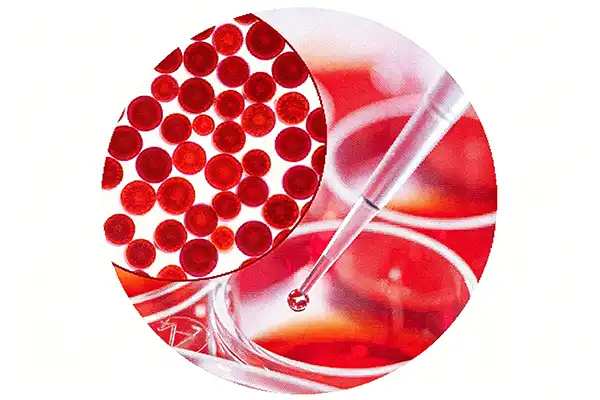
Understanding Astaxanthin and Its Role in Sports Nutrition
Astaxanthin is one of nature's strongest antioxidants. It is a keto-carotenoid and has a special molecular shape that lets it cross cell walls fully. Because it is in this position, it can neutralize free radicals both inside and outside of cells, providing full defense during heavy physical exercise.
The Biochemical Advantage in Athletic Performance
Athletes create a lot of reactive oxygen species when they work out hard, which hurts muscle cells and makes healing slower. Astaxanthin extract from nature solves this problem by scavenging singlet oxygen at a rate that is much higher than that of Vitamin C or Vitamin E. Researchers have found that taking 4–12 mg of this vitamin every day can lower signs of muscle damage and inflammatory cytokines after exercise. The (3S,3'S) stereoisomer found in natural sources is more bioactive than synthetic versions, which are made up of racemic mixes that are less effective.
Powder Versus Oil: Mechanisms of Action
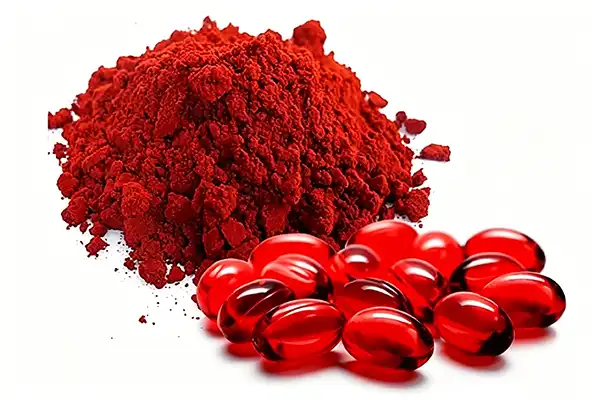
Astaxanthin powder usually comes in the form of tiny beads enclosed in starch or gum arabic. These matrices protect the active ingredient from oxidation and allow it to mix with water in some formulas. When steadiness is very important during the manufacturing process, this shape works great for compressed tablets, hard capsules, and powder mixes. The powder form keeps amounts between 1% and 5%, and newer versions can reach higher strengths by using specific encapsulation technologies.HPLC research shows that the oil form is a dark red oleoresin with an astaxanthin level of between 5% and 20%. Because it's lipophilic, it works perfectly with the body's absorption routes, especially when eaten with fats. Softgel encapsulation is still the best way to give oil-based formulations because the lipid matrix makes the drug more bioavailable and keeps it from breaking down in the environment. This type works really well for pre-workout pills because it is quickly absorbed and helps protect against free radicals right away.
Comparing Astaxanthin Powder and Oil: Which is Best for Sports Nutrition?
Choosing between powder and oil forms relies on the type of product you want to make, how easy it is to make, the Natural Astaxanthin Supplement, and how you want the customer to feel. Both types give players the antioxidant benefits they need, but they are very different in how they can be used.
Bioavailability and Dosage Considerations
According to clinical tests, oil-based astaxanthin is more bioavailable when eaten with fat-rich foods, and it reaches its highest levels in the blood within 8 to 12 hours. Because of this, it can be used as a daily maintenance supplement in sports where players need long-term antioxidant defense. Softgels with 4–12 mg of astaxanthin oil are usually made by product makers to get the best results without overdosing. When it's necessary to put together a lot of active ingredients into pills or stick packs, powder formulas are better because they can hold more of them. The microencapsulation technology keeps the ingredients from interacting with each other and stays stable at normal production temperatures. It usually takes a little more of a powder dose to get the same amount of drug in the plasma, but when made correctly, cold-water-dispersible forms work better at absorption.
Safety Profile and Quality Markers
Astaxanthin, which comes from microalgae, is very safe. Studies on humans have shown that amounts up to 40 mg per day for long periods of time have no negative effects. Procurement managers should make sure that HPLC testing shows that naturally occurring esterified forms are more common than manufactured free astaxanthin, which is not allowed for human consumption in some markets. One sign of quality is batch-level paperwork that shows how the extract was extracted and ensures that only pure water or food-grade ethanol was used. Residual solvent analysis is very important when checking the reliability of a seller because dangerous chemical residues can damage products and put customers at risk. Certifications like ISO9001, FSSC22000, KOSHER, HALAL, and HACCP give basic proof that the ways things are made meet global standards.
Procurement Guide for Astaxanthin Powder and Oil: Bulk Buying and Supplier Selection
To get around the astaxanthin supply chain, you need to know about the different ways that astaxanthin is grown, extracted, and checked for quality. This will help you tell the difference between high-quality sources and cheap ones. Companies that make sports nutrition products and invest in better raw materials gain a competitive edge through better product performance and compliance with regulations.
Evaluating Supplier Capabilities and Certifications
Reliable sellers keep close ties with cultivation sites and manage the choice of algae strains, growth conditions, and harvest times to get the most astaxanthin out of the product. This vertical integration makes sure that all batches of products are the same, which is very important when making goods whose performance claims rest on exact levels of active ingredients. Ask for thorough HPLC measurement results for each batch to make sure that the astaxanthin content meets your needs, which could be anywhere from 1% to 96%, based on your formulation needs. Portfolios of certifications show how committed a company is to quality standards. In addition to ISO9001, you should look for FSSC22000 approval to show that you can handle food safety. FDA registration shows that the seller knows what U.S. regulations require, and KOSHER and HALAL approvals make the Natural Astaxanthin Supplement market bigger. When procurement managers show these qualifications to quality assurance teams during source audits, they feel confident.
Logistics and Lead Time Management
Suppliers who are strategic are different from those who use just-in-time plans because they have ready stock on hand. When people make New Year's resolutions and summer exercise goals, demand for sports diet changes with the seasons. Your production plans will stay on track as long as your suppliers keep inventory buffers. Shipping choices like courier services for sampling, air freight for quick restocking, and ocean transport for large packages give you the freedom to match the speed of your operations. Transit factors have a big effect on how stable astaxanthin is. Make sure that the companies you work with use nitrogen-flushed, light-resistant containers like foil bags or metal drums. Temperature-controlled operations keep things from going bad during foreign shipping, so they stay effective from the factory to the dock where they arrive.
Practical Application of Astaxanthin Powder and Oil in Sports Nutrition Products
To turn raw materials into goods that are ready to sell, you need to know a lot about formulation science, optimizing stability, and managing taste issues. Powder and oil formats each have their own chances and problems that product makers have to deal with.
Formulation Integration Techniques
When putting astaxanthin oil into softgels, you need to pay attention to how well the pill shell works with the fill matrix. Gelatin shells are still the norm, but veggie options made from modified starch or carrageenan are becoming more popular. It is recommended that the oil be mixed with antioxidant protectors, such as mixed tocopherols, to keep the dark red color of active astaxanthin in the capsules for as long as possible. It's pretty easy for powder recipes to get into pills, hard capsules, or stick packs, as long as the moisture levels stay stable during production. To avoid color movement or "bleeding" that gives tablets an unattractive spotted look, care must be taken when choosing the excipients for direct compression tablets. Microencapsulated beadlets get around this problem with their protective covering, which keeps the color spread even. For use in drinks, powders that can be mixed with cold water and are made with emulsifiers that keep the mixture firm without settling to the bottom are needed.
Packaging Innovation and Shelf Life Extension
Because astaxanthin is sensitive to light and air, it needs to be packaged in a way that keeps it safe. For single portions, blister packs with an aluminum back keep food from touching light, and for bulk packing, amber bottles with desiccant inserts keep moisture in. By getting rid of oxidative conditions, nitrogen flushing the air before closing increases shelf life. These steps keep the medicine's effectiveness for 24 to 36 months if stored properly, which meets the deadlines for market distribution. The style of secondary packaging shows that it is of high quality and gives extra safety. Durable outer boxes are important for sports nutrition goods because they are often handled roughly while being shipped. Labels that make it clear how to store a product—usually something like "keep in a cool, dry place, away from direct sunlight"—help both sellers and customers keep the product's quality.
Future Trends and Innovations in Astaxanthin for the Sports Nutrition Industry
Consumers want cleaner labels, proven effectiveness, and healthy sources, so the sports nutrition Astaxanthin Powder and Oil market is changing quickly. Astaxanthin fits right in with these trends and gives brands a chance to stand out by using natural ingredients backed by science.
Emerging Research and Product Innovations
New research looks into how astaxanthin might help make exercise seem easier, pointing to ways other than its basic antioxidant function. Esports nutritionists are interested in foods that help your brain while you compete, because mental toughness is just as important as physical toughness. As these uses grow, they open the door to new product types aimed at specific athletic groups. Adaptogens, nootropics, or electrolyte complexes mixed with astaxanthin in combination formulas are growth drivers for new names. Because astaxanthin oil is lipophilic, it can be combined with other fat-soluble nutrients to make recipes that work better together in a single softgel. Complex multi-ingredient pills can be made in powder form to help athletes with their energy, healing, and immune system function.
Strategic Sourcing for Competitive Advantage
Procurement teams that are forward-thinking form strategic agreements with astaxanthin providers instead of just doing business with them. Some examples of collaborative setups are working together to create unique specs, having exclusive access to high-quality harvest batches, or getting technical help for research into new applications. Competitors will find it harder to join these agreements, but they will speed up your innovation processes. Contract makers and brands that are increasing the amount of goods they make can benefit from supply deals that protect prices and give priority to certain items when supplies are low. Getting good leads from multiple sources lowers risk and keeps your buying power. Keeping track of how well your suppliers do in terms of quality metrics, shipping reliability, and technical support helps you make smart choices as your product line grows.
Conclusion
In conclusion, Astaxanthin Powder and Oil are appealing ingredients for sports nutrition companies looking for natural ways to improve performance that are backed by science. Which style to use relies on your formulation needs, the system you want to use, and your bioavailability goals. For buying to go well, suppliers' growing methods, extraction technologies, approval portfolios, and shipping options need to be carefully considered. You can help your brand do well in the competitive sports nutrition market by working with providers who offer full technical support, batch documentation, and a range of buying choices. As more studies support astaxanthin's benefits, the market will continue to be interested in it because people want natural performance ingredients that work well.
FAQ
1. What makes natural astaxanthin superior to synthetic versions?
Natural astaxanthin from Haematococcus pluvialis mostly exists as the (3S,3'S) stereoisomer in esterified form, showing a much higher antioxidant capacity than man-made racemic mixes. According to research, natural forms are better at getting through cell walls and lowering reactive stress caused by exercise.
2. How should astaxanthin be stored to maintain potency?
Keep astaxanthin in containers that are tightly covered and don't let light in. Keep the containers below 15°C. Oxidative degradation can't happen when the packing is filled with nitrogen. Powder forms in secure beadlet matrices are more stable than raw materials that aren't encased, and they can last up to 36 months under ideal conditions.
3. Can astaxanthin be combined with other sports nutrition ingredients?
Omega-3 fatty acids, curcumin, tart cherry extract, and different vitamins all work well together with astaxanthin. When making complex blends, make sure there are no bad reactions by testing their stability. When it comes to softgels, lipophilic ingredients easily work with astaxanthin oil. Powders that dissolve in water can be added to a wider range of supplements.
Partner with KH for Premium Astaxanthin Powder and Oil Supply
KH provides pharmaceutical-grade astaxanthin that is naturally removed from Haematococcus pluvialis using only Astaxanthin Powder And Oil pure water, and food-grade ethanol. This makes sure that your products are completely safe for the solvents. Our astaxanthin supplier qualifications include ISO9001, FSSC22000, KOSHER, HALAL, and HACCP certifications. These give your buying team the quality guarantee they need. We keep a lot of stock on hand so that we can ship quickly. You can also order samples or small amounts to try before committing to 25 kg business minimums. There are thorough HPLC analysis results for each batch that confirm the standards for astaxanthin content ranging from 1% to 96%. Our application laboratory helps you create new formulations by checking their stability, giving you advice on how to combine them, and providing you with technical paperwork for regulatory submissions. Email info@kingherbs.com to get samples and detailed information that is specific to your needs for developing a sports nutrition product.
References
1. Fassett RG, Coombes JS. Astaxanthin in cardiovascular health and disease. Molecules. 2012;17(2):2030-2048.
2. Djordjevic B, Baralic I, Kotur-Stevuljevic J, et al. Effect of astaxanthin supplementation on muscle damage and oxidative stress markers in elite young soccer players. Journal of Sports Medicine and Physical Fitness. 2012;52(4):382-392.
3. Earnest CP, Lupo M, White KM, Church TS. Effect of astaxanthin on cycling time trial performance. International Journal of Sports Medicine. 2011;32(11):882-888.
4. Park JS, Chyun JH, Kim YK, Line LL, Chew BP. Astaxanthin decreased oxidative stress and inflammation and enhanced immune response in humans. Nutrition and Metabolism. 2010;7:18.
5. Kurashige M, Okimasu E, Inoue M, Utsumi K. Inhibition of oxidative injury of biological membranes by astaxanthin. Physiological Chemistry and Physics and Medical NMR. 1990;22(1):27-38.
6. Guerin M, Huntley ME, Olaizola M. Haematococcus astaxanthin: applications for human health and nutrition. Trends in Biotechnology. 2003;21(5):210-216.
Send Inquiry
Related Industry Knowledge
- Bacopa Monnieri Extract Powder for Focus and Productivity
- Can Cortex Phellodendri Powder Improve Digestive Health?
- What Sets Premium Watermelon Powder Apart?
- Cortex Phellodendri Powder: Benefits, Uses, and Dosage
- What Is Organic Sea Buckthorn Seed Oil Used For?
- Valerian Root Extract Powder for Anxiety & Restlessness Relief
- Premium Couch Grass Rhizome Extract for Urinary Tract Support
- Does Couch Grass Rhizome Extract Help With UTIs?
- White Paeony Extract Powder: Choosing Quality Raw Material
- Couch Grass Rhizome Extract: Traditional Detox Powerhouse