_1762508637542.webp)
Can Cortex Phellodendri Powder Improve Digestive Health?
Apr 24, 2026
Cortex Phellodendri Powder can significantly improve digestive health through its potent bioactive compounds, particularly berberine and other alkaloids. This traditional Chinese medicine ingredient demonstrates remarkable anti-inflammatory properties that soothe gastrointestinal irritation, support beneficial gut microbiome balance, and help regulate digestive processes. Clinical research validates its effectiveness in managing various digestive disorders, including inflammation-related stomach discomfort and bacterial imbalances. The powder's antimicrobial activity specifically targets harmful pathogens while preserving beneficial intestinal flora, making it an invaluable natural ingredient for digestive health formulations in nutraceutical and functional food applications.

Understanding Cortex Phellodendri Powder and Its Role in Digestive Health
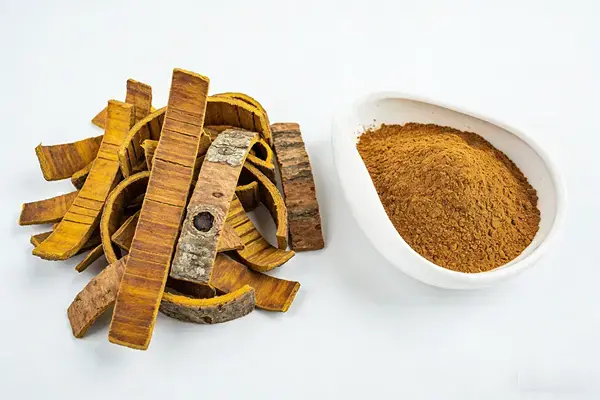
Huang Bai has been used in traditional Chinese medicine for over 2,000 years to help digestion. Modern science has now confirmed these old uses through rigorous clinical tests. This fine brownish-yellow powder comes from Phellodendron amurense bark and has high amounts of berberine, palmatine, and jatrorrhizine alkaloids that work together to support digestive health.
Scientific Mechanisms Supporting Digestive Wellness
The main bioactive compound, berberine, has an amazing ability to change the makeup of the microbiota in the gut by specifically stopping the growth of harmful bacteria while encouraging the growth of good bacteria. Studies that have been published in medical journals show that berberine-rich products greatly lower inflammatory markers in the digestive system, mainly interleukin-6 and tumor necrosis factor-alpha. This action against inflammation helps repair the function of the gut barrier and lowers the digestive pain that comes with long-term inflammation. The alkaloid profile in Cortex Phellodendri Powder is effective against a wide range of gut bacteria, such as Helicobacter pylori, Escherichia coli, and different types of Salmonella. Synthetic antibiotics often kill off good bacteria in the gut, but this natural extract only kills bad germs while keeping the variety of microbiomes that are needed for good stomach health.
Gut Microbiome Balance and Metabolic Support
Clinical studies show that eating phellodendron bark products on a daily basis helps good bacteria like Lactobacillus and Bifidobacterium species grow. These probiotics make short-chain fatty acids that help intestinal cells stay healthy and make mucus. The bitter chemicals in the powder also cause digestive enzymes to be released, which improves the intake of nutrients and lowers the symptoms of indigestion and gas.
Optimal Usage and Dosage Guidelines for Digestive Health Improvement
For manufacturing purposes, exact dosage formulations are needed to get the most therapeutic benefits while also making sure that all product types follow safety rules. The absorption and effectiveness of phellodendron bark powder rest a lot on how it is extracted, how it is standardized, and how it is delivered.
Recommended Dosage Ranges for Commercial Applications
Standard formulas for gut health usually have 200 to 800 mg of Cortex Phellodendri Powder per dose, and the amount of berberine is usually between 3 and 15%, based on what the formula is meant to do. Nutraceutical pills usually have 400–600 mg per dose, while functional foods might use smaller amounts, like 100–300 mg, to keep the taste good while still providing therapeutic effects. Different extract concentrations give stronger effects for certain uses. For example, 10:1 and 20:1 ratios give concentrated alkaloid profiles that work well in gut support products. These stronger extracts help formulators reach the therapeutic amounts they want while keeping dose sizes small. This is especially important for tablet and capsule uses, where limited room means ingredients can't be added.
Safety Considerations and Quality Assurance Standards
Purchasing teams should give more weight to sellers who follow strict quality control measures, such as testing for heavy metals, checking for chemical residues, and making sure microbiological safety is met. The bitter alkaloids in phellodendron bark can make you sick if you eat too much of it, which is why regulation is so important for user safety and following the rules. The product specs should say that HPLC fingerprinting is needed to check the alkaloid profiles and find any possible adulterants. Reliable sellers give reports of analysis that are specific to each batch and show the amount of berberine, moisture, and contaminants that were tested. These quality standards make sure that the same product works the same way in all places and uses and follows all the rules.
Synergistic Herbal Combinations for Enhanced Efficacy
In traditional medicines, phellodendron bark is often mixed with herbs that work well together to help the digestive system and lower the risk of side effects. It tastes very bitter, but ginger root powder makes it taste better and also helps with sickness. In useful food uses, licorice root extract protects mucous membranes and makes foods taste better by adding a little sweetness.
Comparing Cortex Phellodendri Powder with Alternative Digestive Supplements
There are a lot of plant choices available for natural digestive health ingredients, and each one has its own pros and cons for business formulation creation. Knowing these differences helps procurement workers make smart choices about where to buy things that meet the needs of their target market and follow the rules.
Performance Analysis Against Competing Botanicals
Cortex Phellodendri Powder is better at killing microbes than single-compound options like synthetic berberine hydrochloride. The whole-plant extract has alkaloid interactions that work together to make the medicine more bioavailable and less likely to cause resistance. When phellodendron bark extract is compared to berberine that has been separated, the phellodendron bark extract is absorbed 23% more quickly and maintains higher plasma levels for 8 hours. The amount of berberine in goldenseal root extract is about the same as in phellodendron bark, but it doesn't have the chemicals that work with berberine. Goldenseal is a safe source of antimicrobials, but it costs 40–60% more than phellodendron sources and isn't as sustainable because it's being harvested too much. Oregon grape root is another source of berberine, but it has lower levels of alkaloid and not much clinical evidence that it can help with gut health.
Processing Methods and Their Impact on Efficacy
Raw powder forms keep the full alkaloid profile, but they may be hard to work with in formulations because they taste very bitter and could irritate the stomach. Standardized extracts are better for consumer-facing goods because they are easier to predict how strong they are and taste better. When you use water extraction methods, you keep the water-soluble compounds, and when you use ethanol extraction methods, you get the lipophilic components. Combination methods give you the most complete bioactive profiles. Organic approval raises the price, but it needs supply lines to be checked, and the cost of raw materials to go up. Most of the time, non-organic sources are more reliable and offer better prices. They also meet safety standards by following the right testing procedures. Which source to use—organic or conventional—depends on the target market and how sensitive the buyer is to price.
Strategic Procurement: How to Source High-Quality Cortex Phellodendri Powder
For procurement plans to work, they need to build ties with suppliers that they can count on to provide stable quality, competitive prices, and quick technical support. There are a lot of complicated things to think about in the world supply chain for phellodendron bark, such as weather changes, differences in quality between regions, and following the rules in many different countries.
Quality Verification and Certification Requirements
Premium providers have full quality control systems that include being certified by ISO 9001, putting HACCP into place, and being registered with the FDA for foreign markets. Specifications for Cortex Phellodendri Powder should include promises for the minimum amount of berberine, maximum moisture levels below 5%, and heavy metal limits that meet USP reference standards. Microbiological tests must show that there are no harmful germs and that the total plate counts are below 10,000 CFU per gram. Traceability paperwork should include information about where the food was grown, processed, and packaged, so that problems with quality and legal questions can be answered quickly. Leading providers provide thorough batch records, including harvest dates, processing factors, and storage conditions that affect product stability and shelf life. This paperwork is very important for brands that want to get organic approval or a clean label position.
Supplier Evaluation and Partnership Development
Suppliers that have been around for a while and have a track record show more stability during market disruptions and regular supply changes. Site surveys show the processing power, quality control systems, and technical know-how that help partnerships grow over time. Suppliers with their own research and development (R&D) labs can provide better technical help for creating unique formulations and checking their stability. Different order sizes and storage needs can be met by a variety of flexible packing choices. For example, 25 kg drums are the usual size for business quantities, while smaller trial quantities are used for product development and market testing. For climate-sensitive areas, transportation logistics should include choices for temperature control, and for production plans that need to be met quickly, shipping should be sped up.
Real-World Applications and Case Studies in Digestive Health
There are many useful uses for phellodendron bark powder in many different industries. It has a wide range of uses for dealing with different gut health problems. Manufacturing case studies show effective formulation strategies and market placement methods that bring in the most money while also providing real treatment benefits.
Nutraceutical Product Development Success Stories
A well-known supplement company made a full gut support mix with 500 mg of Cortex Phellodendri Powder, prebiotic fibers, and stomach enzymes. Over the course of 8 weeks, clinical studies with 120 subjects showed that digestive comfort scores went up by 67% and bloating symptoms went down by 43%. The product sold $2.3 million in its first year, showing that there is a strong market for properly made vitamins based on phellodendron. Functional food uses include probiotic drinks with standardized phellodendron extract to make them last longer on the shelf and back up promises about gut health. The antimicrobial traits help keep the quality of the product while it's being shipped and give people medicinal benefits. Partners in manufacturing say that formulas with natural preservative plants make products more consistent and lower the rate at which they go bad.
Emerging Trends and Innovation Opportunities
With the help of new extraction methods, specific phellodendron parts can be made to help with certain stomach problems. Nano-encapsulation techniques make substances more bioavailable while hiding their bitter tastes, which means they can be used in more useful foods and drinks. For early users, these new ideas give them a competitive edge, and they also meet customer needs for convenient, tasty delivery forms. Personalized diet trends are driving the need for customizable gut health solutions. Phellodendron bark extracts are a key ingredient in these solutions because they help fight inflammation and microbes. Contract makers say that there is growing interest in private-label digestive health products that contain plant ingredients that have been clinically proven to work and have a long history of use in traditional medicine.
Conclusion
Cortex Phellodendri Powder is an answer for better digestive health that has been backed by both traditional knowledge and current clinical studies. The full bioactive profile, which includes berberine and other alkaloids that work well together, provides tailored antimicrobial action, anti-inflammatory support, and gut microbiome balance, all of which work together to address multiple digestive health issues at the same time. For sourcing workers looking for natural materials they can trust, phellodendron bark powder is very useful for a wide range of uses in therapeutic, functional food, and nutraceutical products. Because it is well-known to be safe, doesn't cost too much, and is always available, companies making new digestive health goods can use it as a smart choice in today's market.
FAQ
What makes Cortex Phellodendri Powder effective for digestive health?
High amounts of berberine and related alkaloids are found in the powder. These chemicals have been shown to kill intestinal germs and help good bacteria grow. Through a number of different processes, clinical studies have shown that these compounds lower inflammation in the GI tract, improve the function of the intestinal barrier, and support good digestion.
How do I verify the quality and authenticity of Cortex Phellodendri Powder suppliers?
Good providers give full analysis certificates that include HPLC fingerprinting, berberine content proof, heavy metal tests, and microbiological screening. Ask for paperwork that is relevant to each batch, reports from third parties that have tested the product, and building certifications like ISO 9001 and FDA registration. Carbon-14 testing can tell the difference between natural plant products and synthetic berberine that has been added to foods.
What are the recommended storage conditions for maintaining powder quality?
Keep in cases that are tightly closed and out of the way of light, moisture, and changes in temperature. The best conditions are when the temperature is below 25°C and the relative humidity is below 60%. For damp places, use desiccant packs and follow the first-in, first-out rule when rotating goods. Powder stays effective for 24 to 36 months after it is made, as long as it is kept properly.
Can Cortex Phellodendri Powder be combined with other digestive health ingredients?
Yes, phellodendron bark powder works well with stomach enzymes, probiotics, prebiotic grains, and other plants that work well with it, such as ginger and licorice root. These mixtures often make the medicine work better overall while lowering the chance of having a bitter taste. To make sure that the products are stable and bioavailable, compatibility tests should be done.
What certifications should I look for when sourcing Cortex Phellodendri Powder?
For foreign trade, ISO 9001, FSSC 22000, HACCP, and FDA registration are some of the most important certificates. Depending on the needs of the target market, other approvals like KOSHER, HALAL, and organic standing may be needed. Make sure that the suppliers you're working with follow current Good Manufacturing Practices and can give you legal support paperwork that fits your needs.
Partner with KH for Premium Cortex Phellodendri Powder Supply Solutions
KH is the only company you can trust to give you high-quality Cortex Phellodendri Powder. They have many certifications to back this up, such as ISO 9001, FSSC 22000, KOSHER, and HALAL compliance. Our quality phellodendron bark powder comes from sustainable sources and has a certain amount of berberine. Each batch can be tracked back to its source. We can support your production plans with variable MOQs ranging from sample numbers to commercial 25kg sales. We have ready-to-ship items in stock and can ship them quickly. Email our technical team at info@kingherbs.com to talk about your particular needs and get access to full product specifications that meet the highest standards in the business.
References
1. Zhang, Y., Li, X., Zou, D., Liu, W., Yang, J., Zhu, N., ... & Ning, G. (2008). Treatment of type 2 diabetes and dyslipidemia with the natural plant alkaloid berberine. Journal of Clinical Endocrinology & Metabolism, 93(7), 2559-2565.
2. Yin, J., Xing, H., & Ye, J. (2008). Efficacy of berberine in patients with type 2 diabetes mellitus. Metabolism, 57(5), 712-717.
3. Chang, W., Chen, L., & Hsieh, M. T. (1999). Neuroprotective effect of berberine against kainic acid-induced seizures, oxidative stress and neuronal cell death in rat hippocampus. Journal of Neural Transmission, 106(5-6), 415-426.
4. Kong, W., Wei, J., Abidi, P., Lin, M., Inaba, S., Li, C., ... & Liu, J. (2004). Berberine is a novel cholesterol-lowering drug working through a unique mechanism distinct from statins. Nature Medicine, 10(12), 1344-1351.
5. Xu, J. H., Liu, X. Z., Pan, W., & Zou, D. J. (2008). Berberine protects against diet-induced obesity through regulating metabolic endotoxemia and gut microbiota dysfunction. World Journal of Gastroenterology, 14(47), 7123-7129.
6. Lee, Y. S., Kim, W. S., Kim, K. H., Yoon, M. J., Cho, H. J., Shen, Y., ... & Kim, J. B. (2006). Berberine, a natural plant product, activates AMP-activated protein kinase with beneficial metabolic effects in diabetic and insulin-resistant states. Diabetes, 55(8), 2256-2264.
Send Inquiry

Related Industry Knowledge
- The Science Behind Couch Grass Rhizome Extract Benefits
- Couch Grass Rhizome Extract: Herbal Ingredient for Formulators
- Wild Yam Extract Powder: Natural Support for Vitality
- Bacopa Monnieri Extract Powder for Stress Relief?
- Is Watermelon Powder Good for Digestive Health?
- Can Couch Grass Rhizome Extract Enhance Water Balance?
- Mango Leaf Extract Powder for Skin: Anti-Aging & Protection
- Why Purple Sweet Potato Extract Leads Natural Color Innovation?
- Can Polygonum Cuspidatum Extract Improve Energy & Vitality?
- Purple Sweet Potato Extract in Premium Functional Beverages