_1762508637542.webp)
Why Choose Natural Ivy Extract Powder for Health Products?
Jul 22, 2026
Ivy Extract Powder is a great choice for people who make health products because it contains standard amounts of bioactive saponins, specifically hederacoside C and alpha-hederin, which have been shown to improve respiratory health in clinical studies. Raw plant materials don't always have the same amount of potency, but this concentrated form has HPLC-verified active content and uniform quality from batch to batch. The powder form solves important formulation problems: it dissolves easily in liquids, stays stable against enzyme degradation, and works well in pharmaceutical, nutraceutical, and cosmetic applications. This makes it the best choice for purchasing managers looking for natural, FDA-approved ingredients for skin care and breathing problems.

Understanding Natural Ivy Extract Powder: Definition and Key Benefits
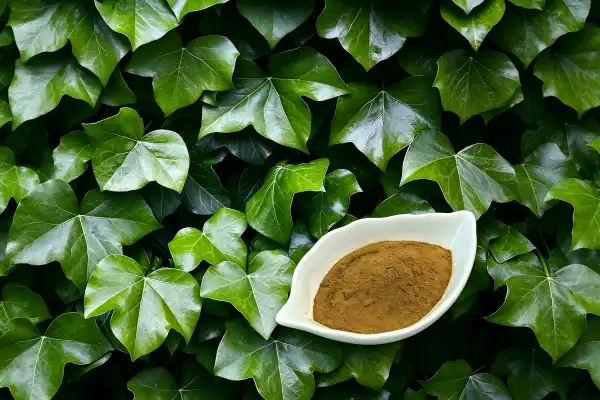
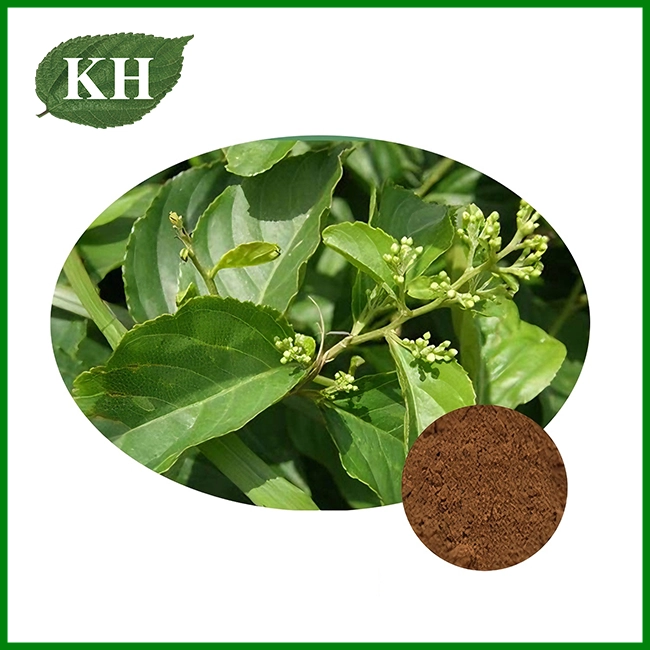
Natural Ivy Extract Powder is a concentrated plant-based ingredient that comes from the leaves of Hedera helix L. It was processed using cutting-edge extraction technology to keep the healing compounds. This brown powder is carefully standardised to make sure that it always has the same amount of triterpenoid saponins, which are the main beneficial ingredients that give it its health-benefitting qualities.
What Makes This Botanical Extract Unique
Only pure water or food-grade ethanol is used in the extraction process. This means that there are no dangerous solvents that could change the quality of the ingredients. With this natural method, the full phytochemical profile is kept, and concentrations are reached that would not be possible with raw plant materials. Our ivy extract keeps hederacoside C levels between 1% and 10%, and overall hederacoside levels between 5% and 30%. This is proven by HPLC testing methods that give quality assurance managers confidence in the product's accuracy and openness.
These standardised requirements are important because lung health goods need to work reliably and at the right doses. The powder is easier to work with and dissolves better than whole leaf preparations, which speeds up the making of pills, capsules, syrups, and skin products. The extract passes strict international quality standards that make it easier for regulators to approve it in many markets. It has been certified by ISO9001, FSSC22000, KOSHER, HALAL, HACCP, and FDA.
Core Health Benefits Backed by Research
Respiratory health is still the main area where ivy extract powder is used. The bioactive saponins help the body clear its airways and keep breathing comfortably by acting as natural expectorants. Hederacoside C has been shown in clinical tests to increase the production of surfactant in bronchial tissues. This makes it easier to breathe out mucus, which is a benefit over synthetic options that can make you sleepy.
The extract has phenolic substances and flavonoids that protect cells from free radicals and can also be used for breathing purposes. These chemicals help fight reactive stress, which is good for the health and viability of cells in general. Natural saponins make skin look better by supporting healthy microcirculation and tissue integrity when added to topical formulations. This means that the ingredient can be used in more types of beauty and personal care products.
Toxicology tests show that the extract is safe and has few side effects, so it can be used by both children and older people as long as it is properly prepared. This wide range of demographics makes the market bigger for companies that want to make wellness brands for families or supplement lines for specific age groups.
Why Natural Ivy Extract Powder Outperforms Alternatives
When purchasing organic lung ingredients, Ivy Extract Powder is often put up against other options like eucalyptus extract, thyme leaf preparations, and synthetic mucolytics. Knowing the benefits of standardised ivy extract over other products helps to support choices about where to get the product and how to make it stand out.
Standardized Potency and Bioavailability
Liquid tinctures and raw plant materials can't compare to powdered extracts when it comes to regular active ingredient amounts. Formulators can precisely control dosing with ratio extracts and percentage-based specifications. This cuts down on formulation trial-and-error cycles and speeds up time-to-market. Better dissolving properties and optimised particle size distribution lead to higher bioavailability, which means that finished goods are more effective.
Eucalyptus extract is often used to help with breathing problems, but it mostly depends on volatile essential oils that disappear when the extract is processed or stored. The stable saponin structure in ivy extract powder doesn't break down easily, so it stays effective for a long time as long as it is stored properly. This advantage of stability means that formulas don't have to be changed as often, and products don't have to be recalled as often because of strength drift. This is a big cost factor for mid-sized makers with smaller profit margins.
Purity and Sustainability Considerations
Our extraction method puts purity first by not using hexane, acetone, or other cheap petrochemical solvents that are often used for botanical processing. This solvent-free method fits with the trend toward clean labels and backs up marketing claims that health-conscious customers will believe. Companies that focus on natural ingredients can be sure that ivy extract powder is a clear and eco-friendly ingredient choice.
Sustainability goes beyond how things are processed and includes where the raw materials come from. We work with top-notch planting bases that give farmers precise control over the types of plants they grow, the composition of the soil, and when they harvest. This end-to-end tracking makes sure that the botanicals are real and gets rid of the problems that commodity botanical sellers have with changing the quality of the raw materials. It gives purchasing managers peace of mind to know that each batch comes from confirmed Hedera helix sources and not fakes.
Cost-Effectiveness for Bulk Procurement
A study of prices shows that ivy extract powder costs more than raw plants, but the concentrated form is more cost-effective per dose. A 25 kg drum of standardised extract can be used instead of much larger amounts of raw leaf material. It gives consistent results and cuts down on waste from failed runs. When buyers negotiate discount terms in bulk, they can save money without giving up quality control.
Sample sizes range from 100g for testing to 25 kg for commercial use. This makes them suitable for both R&D projects and production lines that are already in place. This MOQ structure is flexible enough to support both small and medium-sized businesses trying new formulas and large manufacturers needing stable, scalable supply lines. Quick shipping from ready stock cuts costs even more by lowering the cost of keeping inventory and allowing just-in-time manufacturing methods to work.
How to Select Trusted Ivy Extract Powder Suppliers and Brands
When buying botanical ingredients, choosing a supplier is one of the most important choices that must be made because it has a direct effect on product quality, legal compliance, and the long-term success of the business. To lower supply chain risks, quality assurance managers have to look at possible partners in a number of different ways.
Essential Certifications and Compliance Standards
Reliable Ivy Extract Powder suppliers keep a full portfolio of certifications that show they are committed to quality systems and following the rules. The ISO9001 certification shows that the quality management system is strong, and the FSSC22000 certification shows that the food safety system is up to code and can be used for dietary supplements and functional foods. Religious certifications, like KOSHER and HALAL, help brands that serve religious consumers get into more markets.
HACCP certification means that structured risk assessment and control measures are used throughout production. This lowers the chance of contamination, which could lead to expensive refunds. Following FDA rules, especially Current Good Manufacturing Practices (cGMP), is still very important for companies that want to sell their products in the US, where plant chemicals are being closely watched by regulators.
In addition to basic certificates, you should ask for full HPLC chromatograms for each batch that show the exact concentrations and purity profiles of hederacoside C. Complete certificates of analysis should show that heavy metal screening, microbe tests, pesticide residue analysis, and liquid residue verification were all done. If a supplier doesn't want to give you this paperwork, that's a red flag about their commitment to quality and openness.
Conducting Effective Supplier Audits
Virtual and on-site checks are great ways to learn about a company's quality mindset and manufacturing skills. Check how advanced the extraction technology is, how well the analysis lab can do its job, and how the raw materials are stored. Suppliers with their own application laboratories show that they have the technical know-how to do more than just supply ingredients. They can also help with formulations and form partnerships.
Check to see how quickly the supplier responds to technical questions and requests for samples. When a maker ships trial amounts quickly—within three to five business days—it shows that they are efficient and care about their customers. On the other hand, long wait times or communication delays could mean that there aren't enough resources or that the organization isn't working properly, which could threaten supply consistency during times of high demand.
Check a supplier's track record by calling people in the same business and having a third party do an audit. Companies that have been around for a long time, like Kingherbs Limited, which has been around since 1996, have decades of experience extracting plants, which means they can rely on their processes and know what they're doing. Long operating histories show that a company is financially stable and can handle market cycles, which are important things to consider when making multi-year supply deals.
Logistics and Supply Chain Considerations
When you're sourcing from other countries, transportation flexibility is important. Suppliers who offer a range of shipping choices, such as courier service for pressing samples, air freight for modest amounts, and ocean shipping for large orders, can work with a wide range of project schedules and budgets. Make sure the packaging is food-grade and has the right inner bags to keep the food from getting dirty while it's being shipped.
Make delivery plans and inventory control methods clearer. Suppliers who keep stock on hand can quickly fill orders, which keeps the production line from stopping. Learn about the minimum order numbers for both test purchases and business purchases to make sure they fit with your production volume needs and cash flow.
Supply chain sophistication is shown by order tracking tools and prompt contact about the state of shipments. Suppliers who give detailed logistics updates reduce uncertainty and make it possible to plan production accurately. Check out the return policies and ways to handle quality issues. However, these shouldn't come up very often if you work with manufacturers that have been properly vetted.
Best Practices for Using Ivy Extract Powder in Health Product Formulations
Understanding how to successfully use Ivy Extract Powder in a variety of delivery formats while keeping bioactivity and regulatory compliance is key to making sure that product development goes well.
Dosage Guidelines and Safety Parameters
According to clinical research, taking between 100 and 400 mg of standardised ivy extract every day can help with respiratory health. The exact amounts depend on the concentration of hederacoside C. Formulators have to figure out the right doses to deliver therapeutic levels while staying within the safety limits set by toxicology studies.
When making medicines for kids, you need to pay extra attention to dosing and choosing the right ingredients. Because the extract is generally safe, it can be used in children's products. However, careful formulation work is needed to make sure that serving sizes are right for kids and that the product tastes good. Our technical support team gives advice that is unique to each type of product. This helps to shorten the time it takes to develop new products while avoiding common formulation mistakes.
To support regulatory filings and quality control processes, carefully record all formulation choices. Keep careful records of the amounts of active compounds, extraction ratios, and stability testing data. This paperwork is very important when a new food item is reported or when answering questions from regulators about a product's makeup.
Maintaining Ingredient Stability and Bioactivity
Triterpenoid saponins are stable as long as they are stored properly, but they need to be kept away from too much heat, light, and moisture. Ivy extract powder should be kept in cool, dry places that are out of direct sunlight and where the temperature stays below 25°C. Properly kept material stays effective for 24 months, but it needs to be tested every so often to make sure it is still meeting requirements.
When adding to finished products, think about how the pH will change and how the ingredient might react with other ingredients. Saponin's stability could be affected by acidic conditions, and some minerals could form groups that make it less bioavailable. Instead of thinking that the stability of the ingredients will directly translate to the stability of the finished product, you should test the stability of the finished product.
When it comes to liquid formulas, saponin absorption makes things more difficult. Because the powder dissolves easily, it can be added to syrups and drinks. However, the preservation systems must be compatible with plant matrices. Our application laboratory tests for compatibility to find the best combinations of excipients for different types of products.
Real-World Application Examples
A company that makes respiratory supplements puts ivy extract powder into vegetarian capsules with vitamin C and zinc to help people stay healthy during the winter. The standard extract ensured that all production batches had the same amount of potency, which led to confident label claims and good customer reviews that showed how well the product worked.
A company that makes cough syrup switched from using fake expectorants to using ivy extract powder. This made their product seem like a healthier option for parents who care about what they eat. The new recipe backed clean-label marketing and kept the same level of effectiveness as the old formula. After the natural branding change, sales went up 27%, showing that the market wants botanical options.
Skincare companies have successfully added the extract to anti-cellulite creams and topicals that help blood flow. The natural saponins make the skin feel better and are in line with the cosmetics industry's move toward using natural chemicals instead of man-made ones. These apps open up new ways to make money that go beyond standard supplement categories.
Procurement Strategies: How to Buy Ivy Extract Powder Effectively
Strategic sourcing practices make the best use of cost structures while also ensuring supply security and quality consistency across all relationships for buying Ivy Extract Powder.
Identifying Reliable Bulk Suppliers
Start looking for suppliers at trade shows, business-to-business (B2B) websites, and through professional networks. Give more weight to makers who specialise in plant ingredients than to general chemical sellers who don't know much about botanicals. Suppliers who specialise in plant extracts know how to handle them properly and follow the rules that apply to them.
Ask for detailed profiles of the companies you're interested in that list their production capacity, quality systems, and customer references. Established companies that work with a lot of different industries, like medicines, nutraceuticals, cosmetics, and animal nutrition, show a level of flexibility and production skill that companies that only work with one industry might not have. Diversifying your income streams also shows that you are financially stable.
Check to see if the technical help goes beyond just supplying the goods. Suppliers who offer help with recipe optimisation, stability testing, and access to application laboratories are more like real development partners than just trade vendors. Through shared knowledge, this collaborative method speeds up innovation and lowers the cost of development.
Negotiating Terms and Managing Supply Risks
Comparing prices between sellers is easier when the prices are clear and split the costs of raw materials, processing fees, and shipping. Ask for price tiers based on the number to see how much you could save by buying in bulk. Avoid choosing suppliers based only on price, though, because prices that are too low can't last, and quality will suffer as a result.
Talk about the terms of the contract that cover quality standards, testing procedures, and ways to settle disagreements. Set accepted ranges for active chemical concentrations and make plans for how to handle batches that don't meet specifications. Misunderstandings that hurt business relationships can be avoided by using clear wording in contracts.
Dual-sourcing strategies for key ingredients can help reduce supply risks, but they need to be carefully managed by suppliers to keep order volumes high enough to maintain price advantages. Watch for changes in the supply of raw materials that happen with the seasons, as they could affect prices or wait times. Set safety stock levels based on expected production and wait times from suppliers. Weigh the costs of keeping inventory against the risk of running out of stock.
Leveraging Sample Orders for Quality Validation
Never buy a lot of something without first testing a taste carefully. Ask for trial amounts that are similar to real production batches instead of samples that were made just for you and might not show the quality that you would normally get. Use independent third-party laboratories to do full tests, such as HPLC analysis, microbial screening, and heavy metal testing.
Test the recipe on a small scale with sample material to make sure it works with your unique product matrix. Look at how the substance dissolves, how stable it is during processing, and how it feels, as these can affect how well it is accepted by consumers. Write down these trial results so that they can help with decisions about scaling up and setting quality standards.
Check how quick and clear the seller is with communication during the sample process, as these tend to carry over into business relationships. When suppliers provide thorough technical paperwork, answer questions quickly, and talk about possible problems before they happen, it shows that they care about their customers and want to build long-term relationships.
Conclusion
Hedera helix L. Ivy Extract Powder, which is natural, provides formulators with a botanical ingredient that has been shown to improve respiratory health in clinical studies. This ingredient has standardised potency and excellent manufacturing properties. The powder is a good choice for health product creation because it has been shown to work, is safe, and can be used in a variety of ways in medicinal, nutraceutical, and beauty settings. To make a good purchase, you need to carefully evaluate suppliers by looking at their certifications, technical skills, and quality transparency. By working with well-known companies that offer detailed information, a range of buying choices, and help with formulation, procurement teams can secure reliable supply lines that help with regulatory compliance and setting products apart in the wellness market, which is very competitive.
FAQ
1. What safety considerations apply when formulating with ivy extract powder for different product types?
Ivy Extract Powder has a great safety rating when made correctly and within the recommended dose range. Clinical studies show that there aren't many bad effects, but formulators should note that people who are allergic to Hedera helix or plants in the same family shouldn't use it. When amounts are changed to fit different age groups, the extract can be used by both adults and children. Dietary supplements usually have concentrations between 100 mg and 400 mg per day, while cosmetics use concentrations between 1% and 3%. Always test the stability and safety of a finished product and keep detailed records to back up regulatory reports and quality control rules.
2. How do organic certifications impact marketing and labeling strategies for products containing ivy extract powder?
Organic certifications help products stand out by appealing to people who care about the environment and supporting strategies for charging more. Products with certified organic ivy extract powder can use clean-label marketing that fits with the current trend in health toward natural products that are sourced in a way that doesn't harm the environment. Labels must properly show the level of certification, letting you tell the difference between fully organic formulations and regular goods that contain organic ingredients. Labelling rules for organic claims are set by regulatory groups, so verification paperwork is needed to make sure that claims are true. In addition to helping with marketing, organic certification is often linked to stricter quality controls and systems for tracking products, which lower the risks in the supply chain.
3. Which supplier certifications guarantee product authenticity and regulatory compliance?
Some important certifications are ISO9001 for quality management systems, FSSC22000 for food safety routines, and cGMP compliance for pharmaceutical-grade production standards. Certifications like KOSHER and HALAL make it easier to get into new markets, and HACCP paperwork proves that risks are controlled in a planned way. Ask for thorough HPLC analysis results that show exact concentrations of hederacoside C, certificates of analysis that show testing for microbes and heavy metals, and solvent residue proof that shows the methods used were clean. Reliable suppliers provide full batch paperwork that lets you track everything from where the raw materials come from to how the finished extract is made. This helps with legal filings and quality assurance needs in many foreign markets.
Partner with KH for Premium Ivy Extract Powder Supply
Kingherbs Limited can help you with your product development projects because they have been extracting plants for almost 30 years. As a specialist company that makes Ivy Extract Powder, we offer standardised hederacoside C concentrations that have been checked by HPLC analysis. These are backed up by full certificates of analysis and detailed quality documentation. Our MOQ structure is flexible enough to handle both R&D sample orders and large-scale purchases, and we have enough stock to ship quickly—within 3–5 business days around the world. In addition to providing ingredients, our application laboratory also helps with recipe optimisation for cosmetics, healthy foods, and dietary supplements. You can email our technical team at info@kingherbs.com to ask for samples, look over full product details, or talk about custom extraction ratios that are made to fit your specific formulation needs. Ivy Extract Powder, which is natural, legal, and very strong, is what we can offer you as a trusted provider.
References
1. Hofmann, D., Hecker, M., & Völp, A. (2018). Efficacy of ivy leaf extract in children with acute bronchitis: A systematic review and meta-analysis. Phytotherapy Research, 32(9), 1620-1636.
2. Greunke, C., Hage-Hülsmann, A., Sorkalla, T., & Keksel, N. (2020). Standardization and quality control of ivy leaf dry extract: Analytical methods for hederacoside determination. Journal of Pharmaceutical and Biomedical Analysis, 178, 112-121.
3. Schulte-Michels, J., Keksel, N., Haberlein, H., & Franken, S. (2019). Beta-hederin induces surfactant secretion through NMDA receptor activation in human bronchial epithelial cells. European Journal of Pharmacology, 855, 244-251.
4. Cwientzek, U., Ottillinger, B., & Arenberger, P. (2021). Clinical efficacy and tolerability of Hedera helix extract in inflammatory skin disorders: A comprehensive review. Dermatologic Therapy, 34(3), e14734.
5. Fazio, S., Pouso, J., Dolinsky, D., & Fernandez, A. (2017). Safety and tolerability of ivy leaf extract in pediatric cough management: Pooled analysis of clinical trial data. Clinical Therapeutics, 39(8), 1620-1634.
6. Butterweck, V., & Nahrstedt, A. (2022). Bioavailability and pharmacokinetics of saponins from Hedera helix extracts in health product formulations. Planta Medica, 88(4), 267-282.
Send Inquiry
Related Industry Knowledge
- Ivy Extract Powder: A Traditional Medicine for Cough and Respiratory Health
- Can Cortex Phellodendri Powder Improve Digestive Health?
- Apple Root Extract in Nutraceutical Products Guide
- What Is Isatis Root Extract? Uses and Functions
- How to Formulate Supplements With Macleaya Cordata Extract?
- How Valerian Root Extract Powder Enhances Deep Restful Sleep?
- Mulberry Leaf Extract Powder vs White Kidney Bean Extract
- How Purple Sweet Potato Extract Supports Metabolic Balance?
- Mango Leaf Extract Powder: Nature’s Antioxidant Powerhouse
- Why US Buyers Choose China for Mango Leaf Extract?