_1762508637542.webp)
Is Apple Extract Powder Rich in Natural Polyphenols?
Jul 30, 2026
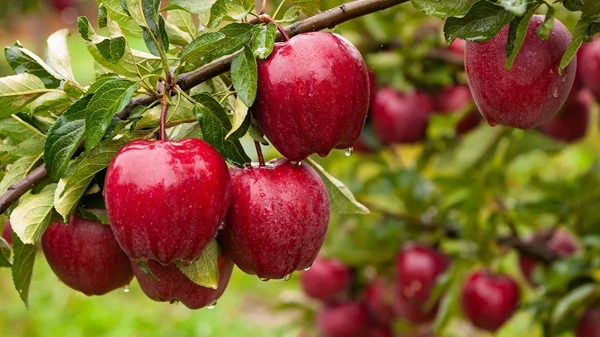
Apple Extract Powder is exceptionally rich in natural polyphenols, with standardized concentrations ranging from 30% to 80% depending on extraction specifications. Derived from Malus Pumila Mill. fruits through carefully controlled water or ethanol extraction processes, this botanical ingredient delivers concentrated levels of bioactive compounds including procyanidin B2, phloridzin, and chlorogenic acid. These polyphenolic antioxidants retain their structural integrity and biological activity through precise processing methods verified by UV and HPLC testing protocols, making apple extract an outstanding choice for formulators seeking natural, potent antioxidant solutions.
Understanding Apple Extract Powder and Its Polyphenol Content
What Makes Apple Extract Powder a Concentrated Source of Bioactives
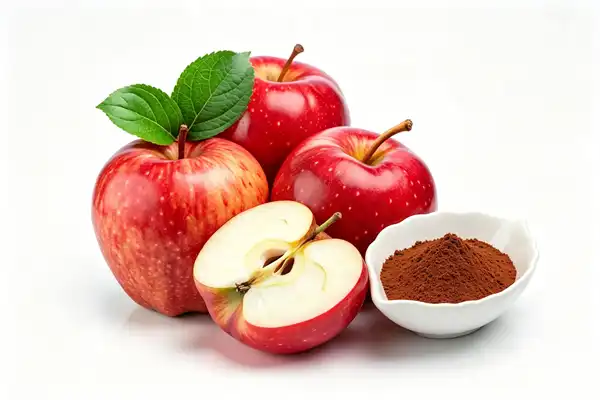
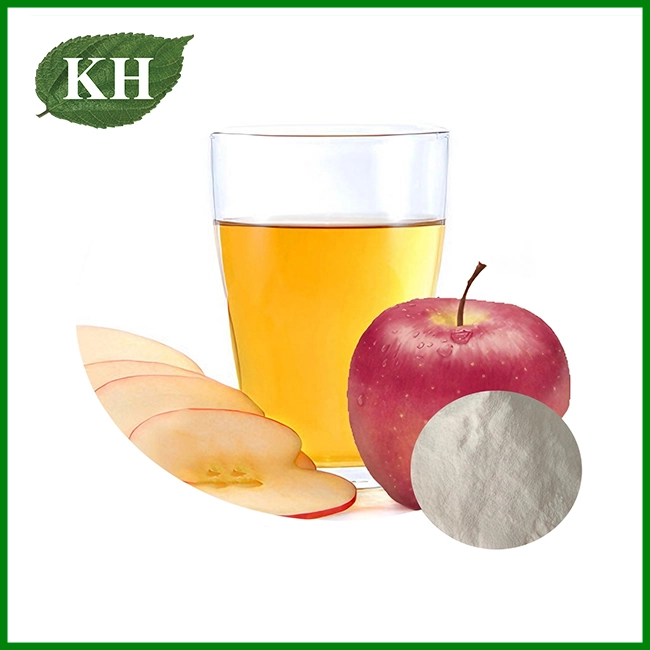
Apple Extract Powder is a highly concentrated form of apple fruit components that changes fresh Malus Pumila Mill. into a solid material that is stable and works. Using advanced extraction methods with pure water or food-grade ethanol, manufacturers separate and keep the polyphenol-rich part while getting rid of the sugars, extra water, and other parts that aren't needed. By using this method, a fine reddish-brown powder is made that has a lot more polyphenols than fresh apples or simple juice powders.
The concentration factor is shown by the extraction ratio, which can be 4:1 or 10:1. A 10:1 ratio means that 10 kg of fresh apples make 1 kg of extract powder, which means that the polyphenol density is much higher. This concentration solves a major problem for formulators who need high-potency ingredients that they can count on instead of raw materials that can change. Documentation at the batch level through UV and HPLC tests proves exact polyphenol percentages, which lets formulas be calculated more accurately.
The Polyphenol Profile: Types and Their Roles
Apple polyphenols are made up of different types of compounds, and each one has its own molecular effects. Procyanidin B2 is a proanthocyanidin that can be found in standardised samples at levels ranging from 0.2% to 10%. It is known to be good for the heart and to protect collagen. The chemical chlorogenic acid helps metabolism, and the chemical quercetin glycosides reduces inflammation. Phloridzin is only found in apples and shows promise in controlling glucose metabolism.
These chemicals don't work alone; they work together. Quality Apple Extract Powder has a polyphenol matrix that keeps the natural ratios found in whole fruits while increasing the total concentration. This keeping of the balance of phytochemicals is what makes standardised extracts often more effective than separate compounds. When evaluating supplier specifications and asking for Certificates of Analysis, purchasing managers who are looking for functional ingredients will find it helpful to know these compositional details.
How Apple Extract Differs from Juice Powder and Peel Extracts
Apple juice powder is made by spray-drying concentrated juice. It keeps the sugars and organic acids but has smaller polyphenol amounts, usually between 5 and 15%. It has a sweet and sour flavour profile, making it good for use in drinks where taste is important. Apple Extract Powder, on the other hand, puts bioactive compounds ahead of flavour. This makes it perfect for capsules, tablets, and functional formulations where polyphenol content is what makes the product claim.
Apple peel extracts concentrate chemicals that are naturally found in skin cells, such as ursolic acid and higher amounts of quercetin. Peel extracts have their own benefits, but they may cause problems in the supply chain because they contain agricultural chemical residues if they are not sourced carefully. Fruit juices made from whole fruits, like those from Malus Pumila Mill. Find a good mix between full polyphenol profiles and cleaner tracking. This will help with quality assurance issues that are necessary for regulatory compliance.
Health Benefits and Uses of Apple Extract Powder Rich in Polyphenols
Cardiovascular and Metabolic Support Through Antioxidant Action
Apple polyphenols help the heart work better in several different ways, as shown by clinical research. Procyanidins raise the production of nitric oxide by endothelial cells, which helps keep blood vessels flexible. Studies show that taking 300–600 mg of standardised apple extract every day may help keep blood pressure levels that are already in the normal range. The antioxidant power, shown by ORAC values above 10,000 µmol TE/g in high-potency extracts, fights oxidative stress that is linked to metabolic syndrome.
Phloridzin's ability to stop glucose transport has caught the attention of pharmaceutical companies. However, its main use in nutraceuticals is to support healthy glucose metabolism as part of healthy lifestyle changes. The people who make products for heart health or metabolism know that apple polyphenols work in a way that is supported by science. This lets them make plausible marketing claims that are backed up by third-party research.
Skin Health Applications in Cosmetics and Nutraceuticals
Apple Extract Powder is now used more in both dietary supplements and cosmetics that you put on your skin because of the "beauty from within" trend. Polyphenols stop advanced glycation end products (AGEs) from doing their damage. This keeps skin collagen and elastin from cross-linking, which speeds up the ageing process. Procyanidin B2 especially stimulates collagen production in fibroblast studies, which helps keep skin strong and flexible.
Cosmetic formulators like how well the powder dissolves in water-based systems and works with emulsions. Topical products with concentrations of 1% to 3% protect against environmental stressors with antioxidants, while oral supplements usually give you 200 mg to 500 mg every day. It can be used for two different things, which makes it easier for brands that sell both supplements and skin care products to find suppliers and keep track of their stock.
Recommended Usage Levels and Safety Considerations
Dietary supplements usually have between 200 mg and 800 mg of Apple Extract Powder per dose, which is standardised to certain polyphenol amounts. To find the best balance between bioactivity and cost, functional food uses may use 50 to 200 mg per dose. In toxicology studies, the ingredient has a great safety profile, and at nutritional doses, no bad effects were seen. Because apple parts are GRAS, they are supported by regulatory pathways in the US.
Heavy metals, microbial limits, and leftover liquids must be taken into account by quality standards. Certificates of Analysis should show that ingredients meeting USP and EP pharmacopeial standards have been tested and found to be safe. This is especially important for ingredients that will be used in pharmaceutical or clinical nutrition products. Suppliers with ISO9001, FSSC22000, and HACCP standards show that they handle quality in a systematic way, which makes it easier for buyers who are in charge of multi-ingredient supply chains to do audits.
Comparing Apple Extract Powder with Other Apple-Derived Powders
Polyphenol Concentration: Extract Versus Juice Powder
The difference in flavonoid level between juice powder and extract powder has a big effect on how formulations are made. Standard apple juice powder has 5–12% polyphenols, which means that therapeutic levels need to be reached with relatively higher amounts. Apple extract standardised to 50% polyphenols provides the same bioactives in one-fifth the material volume, which greatly increases the efficiency of capsule filling and lowers the need for excipients.
This higher content leads to better cost-per-milligram polyphenol measurements in finished goods. It may look like juice powder is cheaper per kilogram, but when it comes to health-related uses, concentrated extracts are more cost-effective. When procurement experts figure out how much the whole formulation will cost, they should use the supplied polyphenol content instead of the unit price of the raw materials.
Organic Certification: Purity and Market Positioning
Organic apple juice is made for people who want high-end natural goods that are free of pesticides and genetically modified organisms. Organic certification from the USDA, the EU, or an equivalent organization requires proof of traceability from certified orchards to processing facilities. This comes with a 20–40% price premium. The investment in certification is appealing to brands that promote clean labels and aim to reach health-conscious people.
When bought from reputable companies that do thorough testing for pesticide residue, conventional apple extract has the same amount of polyphenols and is more affordable. The choice depends on how the brand is positioned and what the target market wants. Both choices are available from good sources, which lets procurement teams match ingredient requirements with product tier plans and margin needs.
Pure Extract Versus Blended Formulations
Pure Apple Extract Powder only has Malus Pumila Mill. This allows for exact formulation control and clear label claims. Blended extracts use complementary plants, like green tea or grape seed, to boost antioxidant synergy or increase the variety of polyphenols. Blends may be useful in some situations, but they make labels less clear and make regulations more complicated.
When making their own proprietary formulations, B2B buyers usually choose pure extracts because they give them the freedom to make their own custom blends in-house. This method keeps control of intellectual property and lets changes be made to specifications without relying on a single source. Suppliers who offer both standard pure extracts and custom mixing services can help brands at different stages of their growth.
How to Procure High-Quality Apple Extract Powder Rich in Polyphenols
Essential Supplier Qualifications and Certifications
Checking for complete certifications is the first step in finding a reliable source of apple extract. ISO9001 verifies the strictness of a quality management system, and FSSC22000 makes sure that food is safe throughout the whole production chain. KOSHER and HALAL approvals help brands that serve religious groups reach more customers. Even though FDA registration doesn't mean approval, it does show that you are committed to following the rules and being ready for inspections.
In addition to certificates, audit reports from outside groups such as SGS or Intertek provide unbiased confirmation of how things are made. Transparency is shown by suppliers who give building tours, either virtually or in person. Procurement managers should ask for proof that only water or food-grade ethanol is used for extraction, and not petrochemical solvents that could hurt the natural product's position.
Evaluating Technical Support and Customization Capabilities
Instead of selling goods, superior sellers act as expert partners. Having access to application labs lets you fix problems with formulations, test their stability, and improve compounds. When suppliers give quality assurance teams HPLC chromatograms for each batch, they can compare polyphenol profiles to standards and find problems before they are used in production.
Customisation is important for brands that need specific polyphenol ratios or procyanidin B2 percentages that are in line with clinical research protocols. Suppliers who let you change the ratio (4:1, 10:1, or custom amounts) and co-extract apple parts that work well together, like pectin, give you more options for how to make the product. This scientific cooperation cuts down on risks related to reformulation and speeds up the process of making new products.
Logistics: MOQ, Sampling, and Delivery Considerations
Minimum order amounts have a big effect on cash flow and the cost of keeping inventory. Proof-of-concept testing can be done before making a business commitment with suppliers who offer sample amounts as low as 1 kg. Commercial minimum order quantities of 25 kg per drum are a good balance between production efficiency and ease of access for small to medium-sized businesses. Samples that can be sent within three to five business days speed up the qualification process.
Hygroscopic powders are kept safe during transport by being packed in 25 kg drums with aluminium foil liners inside. When suppliers keep stock on hand, there is no need to worry about wait times, which is very important for brands that use just-in-time stocking systems. Multiple types of transportation—courier for samples, air freight for urgent orders, and ocean freight for cost-effective bulk shipments—allow logistics to adapt to the needs of businesses.
Maximizing Value: How to Leverage Apple Extract Powder in Your Product Line
Specification Matching for Product Claims and Consumer Trust
To make a good product, the extract standards need to match up with the marketing claims and the rules set by the government. A supplement for heart health might list at least 50% total polyphenols and 5% procyanidin B2, which are structure-function claims that are legal under DSHEA. For collagen protection claims, beauty products might aim for 60% polyphenols and a focus on flavonoid content.
Clear contact with suppliers makes sure that each batch is consistent and meets the label claims. Every shipment should come with a Certificate of Analysis that lists the percentages of polyphenols, heavy metals, microbiology, and pesticides. This stream of paperwork makes traceability checks possible and backs up marketing claims, which builds trust among customers by making quality easy to check. In busy markets where chemical strength varies a lot, brands that say "verified polyphenol content" stand out.
Emerging Trends in Apple Polyphenol Applications
Because it dissolves easily in water, Apple Extract Powder is being used more and more in ready-to-drink drinks in the functional beverage industry. Apple polyphenols and protein matrices are mixed by sports nutrition brands to provide antioxidant healing support. The pet product market knows that polyphenols are good for the health of pets, which opens up new ways to use them.
Microencapsulation technologies keep polyphenols safe while they are being processed and stored, and they also let you decide when they are released. Suppliers who invest in microencapsulation relationships and better spray-drying offer solutions with extra value that go beyond just providing basic ingredients. Professionals in procurement who keep an eye on these new ideas gain a competitive edge, putting brands at the head of the market instead of following established trends.
Building Strategic Supplier Relationships
Long-term supply partnerships are more helpful than one-time purchases. As a preferred customer, you often get first choice when there aren't enough raw materials, stable prices through forward contracts, and early access to innovation pipelines. Suppliers who see their customers as partners spend money on relationship-specific assets like technical support and custom formulation databases.
For these relationships to work, both people must be honest with each other. Sharing expectations helps suppliers get raw materials ahead of time, and brands can plan for supply changes when sellers can see how the harvest is going. Collaborative planning turns weak spots in supply chains into competitive benefits. This is especially important for botanical products that are affected by changes in the environment.
Conclusion
The high polyphenol concentrations in Apple Extract Powder, which range from 30 to 80%, are supported by stringent testing procedures. The consistent bioactive profile can be used in a wide range of situations, including dietary supplements, useful foods, makeup, and new industries. For procurement to go well, suppliers must be evaluated based on their certifications, technical skills, and ability to work with different schedules. Formulators can get the most out of their ingredients while minimising quality risks if they understand polyphenol chemistry, extraction methods, and specification alignment. Because apple extract is versatile, safe, and getting more study support, it is becoming an important plant for health-focused brands that want to reach picky customers looking for natural, effective solutions.
FAQ
1. What polyphenol content should I expect from quality apple extract?
Reliable suppliers offer standard concentrations of 30 to 80 percent total polyphenols, with different grades designed for different uses. For cost-effective functional food uses, lower amounts (30–40%) work best, while pharmaceutical-grade products need to be 70–80% to have the most bioactivity. The amount of procyanidin B2 varies from 0.2 to 10 percent, based on how well the extraction was done. Always ask for Certificates of Analysis that are specific to the batch and show the percentages of polyphenols that were found using validated HPLC methods. This will make sure that the product meets your formulation needs.
2. Can apple extract replace juice powder in formulations?
Replacement depends on how important the application is. Apple juice powder has a natural sweetness and apple flavour that makes it good for use in drinks and foods where taste is important. Because the quantity of polyphenols is more important than how it tastes or smells, extract powder is perfect for capsules, tablets, and functional goods where bioactivity drives formulation. Some companies mix the two, using juice powder for flavour and extract to add polyphenols and make the product more appealing to the senses while still being effective in treating health problems.
3. Which certifications validate apple extract quality?
ISO9001 for quality systems, FSSC22000 for food safety, and organic certifications (USDA/EU) when they apply are all important certifications. KOSHER and HALAL make the market bigger. Objective quality validation comes from lab reports from a third party that confirm the amount of polyphenols, heavy metals, microbes, and pesticide residues. Suppliers with multiple licenses show that they are fully committed to quality, which lowers the risk of buying and makes it easier to follow regulations in a wide range of markets.
Partner with KH for Premium Apple Extract Powder Supply
KH (Kingherbs Limited) is an expert in providing pharmaceutical-grade Apple Extract Powder that is standardised to exact polyphenol standards. They have more than 25 years of experience working with plant ingredients. We have a Malus Pumila Mill. You can get extracts with 30-80% polyphenol amounts and confirmed procyanidin B2 content. They go through strict quality control that meets ISO9001, FSSC22000, KOSHER, HALAL, and HACCP standards. We keep stock on hand so that we can ship quickly, within 3–5 business days. We can handle both small sample orders and large commercial orders, with a flexible 25 kg MOQ. Our technical team offers full application support, HPLC chromatograms for every batch, and the ability to create custom formulations. Whether you need standardised extracts for cosmetics, functional drinks, or dietary supplements, we make sure that you can track them all the way from the approved farms to the clean-room processing. Get in touch with our purchasing agents at info@kingherbs.com to talk about your specific polyphenol needs and see why KH is a trusted Apple Extract Powder supplier for manufacturers in the cosmetics, nutraceuticals, and pharmaceutical industries.
References
1. Boyer, J., & Liu, R. H. (2004). Apple phytochemicals and their health benefits. Nutrition Journal, 3(5), 1-15.
2. Bars-Cortina, D., Macià, A., Iglesias, I., Romero, M. P., & Motilva, M. J. (2017). Phytochemical profiles of new red-fleshed apple varieties compared with traditional and new white-fleshed varieties. Journal of Agricultural and Food Chemistry, 65(8), 1684-1696.
3. Hyson, D. A. (2011). A comprehensive review of apples and apple components and their relationship to human health. Advances in Nutrition, 2(5), 408-420.
4. Gerhauser, C. (2008). Cancer chemopreventive potential of apples, apple juice, and apple components. Planta Medica, 74(13), 1608-1624.
5. Denis, M. C., Furtos, A., Dudonné, S., Montoudis, A., Garofalo, C., Desjardins, Y., Delvin, E., & Levy, E. (2013). Apple peel polyphenols and their beneficial actions on oxidative stress and inflammation. PLoS ONE, 8(1), e53725.
6. Kahle, K., Kraus, M., & Richling, E. (2005). Polyphenol profiles of apple juices. Molecular Nutrition & Food Research, 49(8), 797-806.
Send Inquiry
Related Industry Knowledge
- Tongkat Ali Extract Powder: Can It Promote Lean Muscle Growth?
- Why Rhizoma Coptidis Powder Is a Natural Health Game-Changer
- Wild Yam Extract Powder: Top Uses in Nutritional Products
- Why Is Onion Extract a Must-Have for Hair and Skin Health?
- Valerian Root Extract Powder in Functional Wellness Products
- What Makes Valerian Root Extract Powder So Effective?
- Valerian Root Extract Powder: Nature’s Solution for Insomnia
- Mango Leaf Extract Powder for Skin: Anti-Aging & Protection
- How Couch Grass Rhizome Extract Boosts Kidney Function?
- What Are the Key Actives in Lespedeza Capitata Extract?