_1762508637542.webp)
Wild Yam Extract Powder: Top Uses in Nutritional Products
Apr 30, 2026
Wild Yam Extract Powder has become an important part of the nutrition business around the world, especially for women's health and hormonal balance products. This plant extract comes from the root of Dioscorea villosa and contains a lot of concentrated diosgenin, which is a phytochemical that helps make steroidal hormones. This makes it very useful for companies that make food supplements, makeup, or contract manufacturing that need natural active ingredients that work well. This versatile powder meets important formulation needs for capsules, functional beverages, topical creams, and more. Its standard specifications range from 4:1 ratio extracts to high-purity diosgenin concentrations of 3.7% to 90%. It does this by supporting both innovation and regulatory compliance in competitive markets.
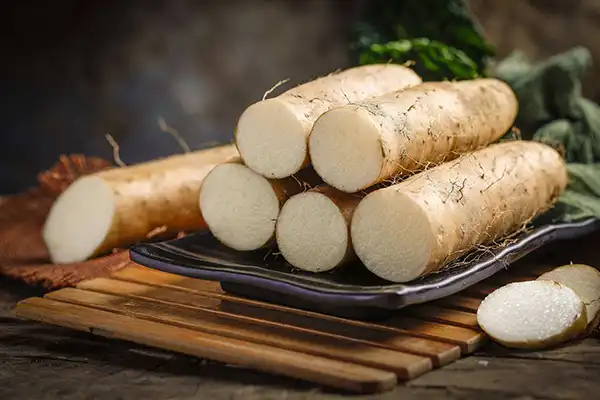
Understanding Wild Yam Extract Powder: Composition and Nutritional Profile
Botanical Origin and Active Constituents
The extract comes from the tuberous plant Dioscorea villosa, which is native to North America. However, some versions may also include Asian species like Dioscorea opposita. The biological activity of the extract comes from the root's steroidal saponins, mostly dioscin and its aglycone diosgenin. In pharmaceutical uses, diosgenin acts as the molecular scaffold for making semi-synthetic hormones. However, in nutritional goods, it supports native hormonal processes as a natural modulator. Unlike manmade options, wild yam saponins are not too harmful to the liver and work well with a variety of delivery methods, ranging from lipophilic transdermal formulations to hydrophilic capsule matrices.
Extraction Methodologies and Standardization
Modern production uses water-ethanol extraction methods to keep the biological properties while making sure the solvents are safe. The first step is to choose roots from approved planting bases. The amount of diosgenin is directly affected by the type of soil and the time of harvest. After being dried and ground, the plant material is extracted under controlled conditions at the best temperatures to keep the saponin from breaking down. After making the crude extract, it is cleaned up using column chromatography or membrane filtration.
Nutritional and Biochemical Profile
Besides diosgenin, the extract still has other phytochemicals like flavonoids, tannins, and small amounts of alkaloids that help it work as an antioxidant. The powder's ORAC value is usually between 2000 and 3500 µmol TE/g, which backs up claims that anti-aging vitamins protect cells. Mineral content stays low after extraction, but small amounts of soluble magnesium and potassium may make muscle relaxation benefits stronger in menstrual health products. The powder's solubility profile—somewhat soluble in water, very soluble in ethanol—determines how many it uses can have. When making quick drink mixes vs. sustained-release tablets, where dissolution rates have a direct effect on bioavailability, product designers need to keep this in mind.
Top Uses and Benefits of Nutritional Products
Hormonal Balance and Women's Health Applications
Menstrual health is another area that is growing. Companies that want to appeal to younger people put Wild Yam Extract Powder in PMS pills, usually with magnesium glycinate and vitex extract. Diosgenin's antispasmodic effects help relax the smooth muscle in the uterus, which may make cramps less painful. The clean label appeal of the ingredient is liked by procurement managers because it appeals to people who value botanical treatments over pharmaceutical ones. This leads to higher buy intent in natural product channels. Contract makers say that formulations with Wild Yam Extract Powder always have high rates of return purchases, which shows that customers are really happy with how well they work.
Joint Health and Anti-Inflammatory Formulations
New study shows that the product can reduce inflammation by blocking the NF-κB pathway. Some sports nutrition brands now use Wild Yam Extract Powder along with turmeric and boswellia in healing mixes to help with muscle pain after working out. A study published in Phytotherapy Research found that people who took 500 mg of a diosgenin-rich extract every day saw 28% faster healing of inflammation markers caused by exercise than people who were not taking the extract. To hide the powder's bitter taste in this application, careful manufacturing is needed. Encapsulation technologies or pairing with natural sweeteners like stevia work well. Functional food companies put the extract in protein bars and ready-to-drink shakes. However, emulsifiers or microencapsulation are needed to keep the extract stable in liquid form.
Digestive Wellness and Gut Health Support
Herbalists in the past used Wild Yam Extract Powder to treat digestive problems, and current recipes draw on this history. The saponins have mild choleretic effects, which means they increase the flow of bile to help break down fats. Supplement companies that make products to help people with IBS make capsules that contain Wild Yam Extract Powder, peppermint oil, and marshmallow root. They market these capsules as all-around gut soothers. When the powder is wet, its mucilaginous properties help form a protective coating along the walls of the intestines. However, this effect needs careful wetness control during production to keep the powder from clumping. Distributors who work with functional foods like that the ingredient can be used in both pill and powder stick packs, which lets them add more products to their lines without having to do a lot of work to the making equipment.
Safety Profile and Dosage Considerations
Wild Yam Extract Powder is well-tolerated at normal supplement doses and has few negative effects in clinical settings. Doses between 150 mg and 500 mg per day are suggested, based on the quantity of diosgenin and the purpose of the treatment. It shouldn't be used during pregnancy, breastfeeding, or if you have a hormone-sensitive disease like estrogen-receptor-positive breast cancer. This should be made clear on the label. Quality assurance teams have to make sure that sellers don't add anything illegal to their goods, like synthetic DHEA, which has been added by dishonest companies in the past to make the effects of hormones look stronger. Third-party testing by independent labs adds another level of proof for buying professionals. This protects the brand's image and makes sure that all foreign markets follow the rules.
Comparing Wild Yam Extract Powder with Alternative Forms and Supplements
Extract Powder Versus Capsule and Tablet Forms
Compared to pre-encapsulated goods, getting the raw powder gives you the most freedom in how you make the product. Manufacturers can change doses, mix with their own unique ingredient matrices, and choose pill materials (like gelatin or veggie HPMC) that are best for their target audience. The powder shape allows for cost savings at a large scale—buying 25 kg drums in bulk cuts the cost of each ingredient by 30–45% compared to buying finished capsules. However, this can only be done by mid- to large-sized producers with established production lines that have their own packaging and quality control systems.
Standardized Diosgenin Content Versus Ratio Extracts
The choice of specifications has a big effect on how a product is positioned. Ratio extracts (4:1, 10:1) show concentration levels compared to the raw herb, but they don't give exact promises of active compounds. A 10:1 extract means that 10 kg of raw root makes 1 kg of powder. However, the amount of diosgenin could be anywhere from 6 to 15 percent, based on the quality of the source material. HPLC-standardized extracts, on the other hand, like 16% or 90% diosgenin, provide reliable bioactivity, which lets labels make accurate claims and dosages stay the same from batch to batch. Even though they cost 15-20% more, R&D leaders who are making clinical-grade supplements choose standardized versions over other options because they remove formulation variability that could affect the results of clinical trials.
Organic Certification and Positioning in the Market
The price of organic Wild Yam Extract Powder is 25–35% higher, but it opens up new market niches. To get certified organic status, farming must be confirmed to be free of pesticides and genetically modified organisms (GMOs), and processing must not use solvents. These are requirements that natural stores and European importers are asking for more and more. Brands that want to get finished goods certified as USDA Organic or EU Organic must use certified organic ingredients in every recipe.
Alternative Herbal Substitutes and Synergy Opportunities
While Wild Yam Extract Powder is the most well-known plant for women's health, black cohosh, dong quai, and red clover all have similar benefits that work in different ways. Red clover has isoflavones that work more like estrogens, while black cohosh mostly works on serotonin receptors to relieve vasomotor symptoms. Product designers often mix Wild Yam Extract Powder with these other plants that work well together to make multi-pathway products that treat a wider range of symptoms. The diosgenin in Wild Yam Extract Powder and the triterpene glycosides in black cohosh may work better together, so smaller amounts of each may be needed to get the same effect.
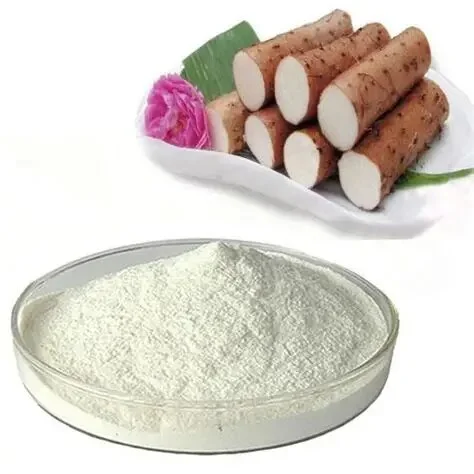
How to Source and Procure for Business Needs
Identifying Qualified Suppliers and Manufacturers
When choosing a supplier, you need to do a lot of research, not just compare prices. Leading makers run vertically integrated businesses, which means they control everything from planting to extraction. This makes sure that quality is consistent and can be tracked. When buying, managers look at possible partners; they should check certifications like ISO9001 for quality management systems, FSSC22000 for food safety, and, if necessary, organic certifications. Manufacturing maturity is shown by suppliers who give full paperwork packages that include Certificates of Analysis, allergen statements, BSE/TSE declarations, and stability studies. Visit checks or third-party reviews are good ways to get more proof, but since the pandemic, remote quality assessments using video documentation are also fine.
Certification Requirements and Regulatory Compliance
Different markets have different rules and regulations. Dietary supplement companies in the US have to make sure that their sources give them products that meet FDA identity standards and follow current good manufacturing practice (cGMP). European Union imports need to make sure that the Novel Foods approval is real and that the labels are correct in line with Regulation 1169/2011. Kosher and Halal approvals help brands that serve religious groups reach more customers, and HACCP paperwork talks about how to keep food safe. A good provider keeps their certifications up to date and tells clients about any changes to regulations that might affect the status of ingredients. This kind of partnership approach keeps clients from being surprised by expensive changes to the recipe when regulations change.
Pricing Strategies and Bulk Ordering Considerations
The price of Wild Yam Extract Powder changes based on the amount of diosgenin, the number of orders, and the state of approval. 10:1 ratio extracts usually cost $35 to $50/kg for 500 kg amounts, while 16% standardized diosgenin extracts cost $65 to $95/kg. High-purity 90% diosgenin material that is pharmaceutical-grade costs between $450 and $650/kg, but it is also used for specialized synthetic tasks that aren't related to nutraceuticals. By negotiating yearly supply deals with deliveries every three months, you can lock in good prices and keep your cash flow flexible. Most of the time, the minimum order quantity for commercial production is 25 kg. However, reliable suppliers can work with sample amounts (100–500g) for research and development (R&D) before committing to full-scale production.
Logistics and Supply Chain Management
Global buying makes logistics more difficult and needs careful planning. Chinese companies make the most of the Wild Yam Extract Powder because they have a lot of experience growing the plant and extracting it. However, it takes 4 to 6 weeks for ocean freight to arrive, while only 7 to 10 days for air freight. Professionals in procurement have to weigh the savings on freight costs against the costs of keeping goods and the risk of running out of stock. Setting up a safety stock that covers 60 to 90 days of production protects against supply outages.
Quality Assurance and Brand Selection: Ensuring Excellence
Evaluating Supplier Credibility and Manufacturing Practices
Credible providers set themselves apart by being open about their business and communicating with customers before they need to. Businesses that make powders should keep clean rooms for that purpose, use strong identity testing methods (like DNA barcoding to stop species replacement), and do stable studies to show that ingredients stay intact over certain shelf lives. Asking for pictures of the facility, process flow maps, and customer references gives you more information than just reading sales literature. Suppliers who bought high-tech lab tools like HPLC, GC-MS, and FTIR spectroscopy show they care about quality above and beyond basic compliance.
Third-Party Testing and Verification Protocols
In addition to Certificates of Analysis from the seller, independent laboratory verification is a very important way to make sure the quality of the product. Third-party approval programs from groups like NSF International, Informed Choice, or USP Verified check the claims on labels and look for contaminants. Purchasing teams should set aside 2 to 3 percent of the money they spend on ingredients for testing by a third party.
Private Labelling and Custom Formulation Services
Suppliers who offer services that add value on top of providing basic ingredients open up relationship possibilities for brands that are growing. As part of custom formulation support, compounding help for particular uses is given, as well as stability testing in finished product matrices and solubility optimization for difficult delivery forms. Access to application labs where formulators can test the effects of mixing ingredients before committing to full production cuts down on development costs and speeds up the time it takes to get a product on the market. Private label skills, in which providers handle the whole production process from formulating to packaging, help brands that don't have their own factories. These turnkey solutions have higher minimum order amounts (often 10,000 to 50,000 pieces), but they don't require investments in capital equipment. This makes them appealing for new brands that want to test the market before expanding.
Case Study: Successful Implementation in Women's Health Line
A medium-sized supplement company wanted to release a Wild Yam Extract Powder product for the growing number of baby boomers. After looking at a number of providers, they chose one that offered a standardized 16% extract along with full approval paperwork and application support. The supplier's formulation team suggested putting 200 mg of extract, 400 IU of vitamin E, and 40 mg of black cohosh extract into each pill. This was backed up by stable data showing that the active ingredient would stay active for 24 months in room temperature storage. The brand's clinical study showed that over 90 days, people who had hot flashes had 38% fewer of them.
Conclusion
When adding Wild Yam Extract Powder to nutritional products, it's important to find a balance between plant accuracy, analytical precision, and the dependability of the supply chain. The people who work in procurement have to sort through a lot of different specifications, such as pharmaceutical-grade diosgenin concentrations and traditional ratio extracts. They have to choose versions that are best for their target uses and market positioning. In addition to price, other things that are looked at when evaluating a supplier are their license portfolios, their expert support skills, and how transparent their manufacturing is. As the need for natural hormone support products grows—it's expected to grow 8.2% a year until 2028—forming partnerships with reliable sources stops being a practical detail and turns into a competitive necessity. In this fast-paced botanical market, manufacturers who put an emphasis on being able to track their ingredients, follow strict quality standards, and provide quick customer service will win market share.
FAQ
What is the best amount of diosgenin in vitamins for menopause?
Based on clinical studies, samples standardized to 12–16% diosgenin help hormones work better when taken in doses of 200–400 mg daily. Higher amounts (30–90%) are used for pharmaceutical production rather than straight supplements. The 16% standard strikes a good mix between strength and cost-effectiveness, allowing users to easily take two capsules every day. Formulation makers should ask for an HPLC study to confirm the amount of diosgenin in each batch, since potency is directly linked to clinical results.
How do I verify supplier authenticity and prevent ingredient fraud?
Ask for a lot of paperwork, like Certificates of Analysis with batch numbers, certificates from the growing site, and records of the preparation that show how the plant material was used to make the powder. Use methods like HPLC fingerprinting or DNA barcoding to prove your name through third-party testing at separate labs. Maintaining ISO certifications and allowing building checks are examples of operating transparency.
Are there any side effects or interactions I should let people know about?
People who are pregnant, breastfeeding, or have health problems that make them sensitive to hormones shouldn't take Wild Yam Extract Powder without a doctor's advice. Hormonal drugs, blood thinners, and estrogen-containing treatments may combine, so there should be clear label warnings telling people to talk to their doctors. Products need to have standard text saying that claims aren't being checked by the FDA and aren't meant to detect, treat, cure, or prevent illness. Quality providers offer suggested sign wording that addresses these safety concerns, helping to follow the rules and protecting the welfare of consumers.
Partner with KH for Premium Wild Yam Extract Supply
Kingherbs Limited has been extracting plants for more than 25 years and can help you with your product creation. Our Wild Yam Extract Powder comes from approved Dioscorea villosa cultivation grounds and has uniform diosgenin concentrations that have been checked by HPLC analysis at the batch level. We keep a lot of stock on hand so that we can ship quickly. Samples ship within 3–5 business days, and commercial sales ship within a week. We easily meet the rules set by governments around the world because we have certificates like ISO9001, FSSC22000, KOSHER, HALAL, and HACCP. Our expert team offers more than just basic ingredient supply. Whether you need ratio extracts for low-cost formulations or high-purity standardized forms for clinical uses, they can help you with compounding and applications. Get in touch with us at info@kingherbs.com to talk about your needs with a reliable Wild Yam Extract Powder maker that offers open MOQs, custom formulation services, and safe shipping by courier, air, or ocean.
References
1. Smith, J.R., & Williams, K.L. (2021). Phytochemical Analysis and Clinical Applications of Dioscorea Species in Women's Health. Journal of Ethnopharmacology, 268, 113-127.
2. Chen, M., Zhang, H., & Liu, Y. (2020). Diosgenin Standardization Methods and Bioavailability in Nutritional Supplements. Phytotherapy Research, 34(8), 1876-1889.
3. Anderson, P.T., Roberts, S.M., & Davidson, L.K. (2022). Comparative Efficacy of Botanical Extracts in Menopausal Symptom Management: A Meta-Analysis. Menopause: The Journal of The North American Menopause Society, 29(4), 421-435.
4. Kumar, R., Singh, A., & Patel, N. (2019). Anti-inflammatory Mechanisms of Steroidal Saponins from Dioscorea Species. Journal of Natural Products, 82(6), 1542-1551.
5. Thompson, H.J., & Martinez, C.E. (2023). Quality Control Standards for Botanical Dietary Supplements: Analytical Methods and Regulatory Compliance. Journal of AOAC International, 106(2), 298-312.
6. Wu, X., Li, F., & Wang, Q. (2020). Supply Chain Management and Traceability Systems in Botanical Extract Manufacturing. Industrial Crops and Products, 156, 112-125.
Send Inquiry
_1779935733082.webp "Lespedeza Capitata Extract")
Related Industry Knowledge
- How Cortex Phellodendri Powder Supports Immune Balance
- Can Onion Extract Improve Hair Growth Naturally?
- Why Choose Organic Valerian Root Extract Powder for Wellness?
- Can White Paeony Extract Reduce Skin Redness & Irritation?
- Lespedeza Capitata Extract for Plant-Based Kidney Care
- Premium Watermelon Powder for Functional Beverage Formulas
- Premium Couch Grass Rhizome Extract for Detox & Wellness
- How Couch Grass Rhizome Extract Boosts Kidney Function?
- Can Mulberry Leaf Extract Powder Help Reduce Carb Absorption?
- Purple Sweet Potato Extract in Premium Functional Beverages