_1762508637542.webp)
What Is Jerusalem Artichoke Extract Used For?
Aug 18, 2026
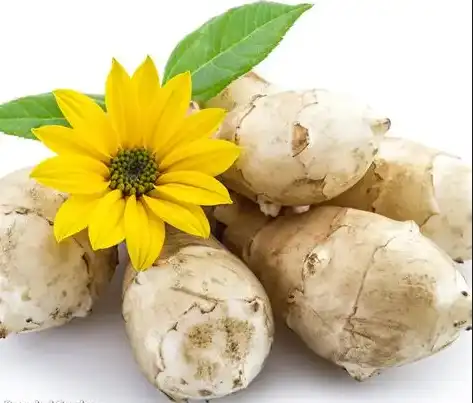
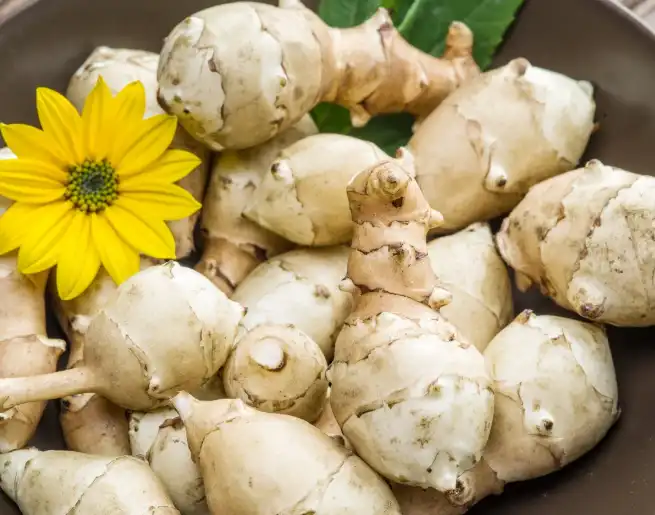
Jerusalem Artichoke Extract is used primarily as a functional ingredient in dietary supplements, functional foods, and nutraceutical formulations. Derived from the tubers of Helianthus tuberosus, this natural botanical ingredient serves multiple purposes: it functions as a high-performance prebiotic fiber supporting gut microbiome health, aids in blood sugar management through its rich inulin content (typically standardized at 90-95%), and provides soluble dietary fiber for metabolic wellness applications. Manufacturers incorporate this extract into capsules, tablets, beverages, and fortified foods targeting digestive health, glycemic control, and weight management markets.
Health Benefits and Applications
Prebiotic Effects and Gut Microbiome Support
Specifically, the main use is for prebiotic functions. Inulin doesn't get broken down in the upper digestive tract. It gets to the colon whole, where good bacteria, mostly Bifidobacterium and Lactobacillus species, turn the fructans into short-chain fatty acids (SCFAs). Clinical studies show that eating 5 to 10 grams of fiber every day greatly increases the number of good bacteria and decreases the number of harmful bacteria. This makes bowel movements more regular, and the gut barrier works better. Jerusalem Artichoke Extract is a natural source of inulin, providing a plant-based option for supporting these prebiotic applications. Different types of inulin from tubers have different molecular weight ranges that affect how quickly they ferment compared to inulin from chicory root. This feature lets formulators fine-tune the amount of prebiotics, which reduces the initial digestive discomfort (gas, bloating) that comes with high FODMAP ingredients while keeping the ingredients' effectiveness. Researchers have found that synbiotic formulas that combine this prebiotic fiber with probiotic strains have higher growth rates.
Blood Sugar Management and Metabolic Wellness
Several studies on humans back up the extract's role in controlling blood sugar. Soluble fiber slows down the uptake of carbohydrates and the emptying of the stomach, which lowers blood sugar spikes after a meal. Insulin sensitivity markers went up by 15-20% in people with prediabetes who ate 10 grams of it every day for 12 weeks. Based on this evidence, the ingredient is likely to be useful in metabolic health supplements for people who want to avoid diabetes and lose weight.Because it has a low glycemic index (GI <15), it can be used to make foods that are good for diabetics. Product designers use its mild sweetness (about 10 to 30 percent sucrose equivalent) to lower the amount of sugar in functional foods without changing the way they taste. The bulking properties can also be used instead of fat in low-calorie products, meeting the need to lower sugar levels while keeping the texture.
Antioxidant Properties and Cardiovascular Support
ORAC and DPPH tests show that phenolic compounds in the extract, such as chlorogenic acid and caffeic acid derivatives, have antioxidant activity. These bioactives fight reactive stress, which is linked to long-term inflammation and the aging of cells. Early research shows that it might be good for cardiovascular health factors. For example, some studies have shown that lipid profiles get better, with LDL cholesterol and triglycerides going down. However, these results need to be confirmed in more clinical trials. Minerals, especially potassium, help keep blood pressure and electrolyte balance in check. Formulators are making heart health products like the multifunctional profile because it addresses several cardiovascular risk factors with a single ingredient. This makes the formulation process easier and meets consumer preferences for clean labels.
Jerusalem Artichoke Extract in the Market—Choosing the Right Product
Organic Certification Versus Conventional Grades
The price of organic approval (USDA, EU Organic) is usually 20–40% higher than regular grades, but it has clear benefits. Certified organic raw materials appeal to people who care about their health and fit with a brand's message of cleanliness and caring for the earth. The approval promises that there are no synthetic herbicides, GMOs, or chemical fertilizers present, meeting the need for supply chain openness. If you buy from a reputable supplier, conventional grades are cheaper and still meet food safety standards, which is good for markets that care about price. When production controls are very strict, analytical purity (inulin content, microbial counts) can be the same across certification types. This means that procurement teams have to decide if the organic price is worth it for the goal market positioning.
Powder Forms Versus Liquid Concentrates
Spray-dried powders are most often used in supplements because they last longer on the shelf (24–36 months with proper storage), are easier to package, and can be made into tablets with direct compression. The low wetness level (less than 5%) stops the growth of microbes and Maillard browning processes. Powders are also easier to keep track of than liquids, which need to be kept cold. This makes global shipping easier. Even tho they are not as common, liquid extracts have benefits for beverage makers who need ingredients to dissolve quickly and spread evenly in water-based systems. Some producers like liquids because they can use proprietary extraction methods that they say make the drug more bioavailable, but there isn't a lot of data that compares bioavailability yet. When choosing between physical forms, bulk buyers should think about the infrastructure they need for handling, the amount of space they have for storage, and the formulation needs.
Quality Benchmarks and Supplier Differentiation
Smart buyers look at providers on more than just basic specs. They also look at them on a number of technical levels. An analysis of inulin purity should be able to tell the difference between native inulin (long-chain) and enzyme-derived derivatives or blends that have short-chain FOS added to them. HPLC chromatograms that show the spread of molecular weight give more information about quality than simple percentage claims. Manufacturing certifications like ISO9001, FSSC22000, HACCP, and FDA registration show that quality is managed in a planned way, while religious certifications like KOSHER and HALAL make it easier to get into new markets. Testing for polycyclic aromatic hydrocarbons (PAHs) and following EU Regulation 1881/2006 keep things clean from getting dirty during high-temperature processing. Suppliers who give detailed stable data, application expert help, and formulation advice are worth a lot more than just providing basic ingredients.
Procurement Guide for B2B Clients
Evaluating Supplier Credibility and Compliance
To build long-term relationships, suppliers need to be carefully checked out. People who work in procurement should ask for facility audit reports, GMP certifications, and quality checks by a third party. Direct relationships with factories cut out middlemen and give you full visibility into production processes, where raw materials come from, and quality control rules. Suppliers who can show full traceability, from choosing the cultivation partner to the final packaging, lower the risk that is needed to follow the rules. Regulatory paperwork is needed to get into the U.S. business. For each batch, suppliers should give a Certificate of Analysis (COA), along with allergy statements, GMO status statements, and proof that they are following California Prop 65. The status of "Generally Recognized as Safe" (GRAS) and the evaluation of NDI (New Dietary Ingredient) help the regulatory positioning for new uses. Brands that have to go through FDA checks benefit when their suppliers keep thorough records of production and follow change control processes. When sourcing functional ingredients such as Jerusalem Artichoke Extract, companies should also ensure that suppliers provide consistent quality documentation and transparent sourcing details to support compliance and product development needs.
Navigating MOQ, Sampling, and Custom Formulations
Minimum order amounts have a big effect on buying strategy, especially for companies that are just starting out or that focus on research and development. Progressive sellers allow small-scale trial orders (as little as 1–5 kg) and offer free samples, which lets formulators work on new recipes without having to spend a lot of money. For commercial production, the minimum order size is usually 25 kg, which fits with normal drum packing and cheap freight arrangements. Full-service sellers are different from basic product vendors because they can make custom formulations. Product development times are sped up by technical relationships that offer customized inulin ratios, co-processing with ingredients that work well together (like probiotics and digestive enzymes), or specific particle size distribution for certain capsule technologies. Private label options with flexible branding and extra packing services make it easier for brands that don't make their own products to get into the market.
Logistics Optimization and Inventory Management
Global ingredient supply chains are constantly being interrupted, which means that strong backup plans are needed. Production delays can be avoided if suppliers keep goods in stock and ship them quickly (within 3–5 business days for basic items). Multiple types of transportation—courier for samples, air freight for urgent restocking, and ocean shipping for cost-effective bulk orders—give you options that fit different levels of urgency and budgets. The standard 25 kg fiber drum isn't the only thing to think about when packaging. Hygroscopic powders are kept safe during storage and transport in moisture-barrier inner bags, which are usually made of aluminum foil laminate. Larger buyers may be able to get bulk bags (500–1000 kg) or special packing that fits the needs of automatic production lines for direct feed. Guaranties of a shelf life of at least 24 months from the date of manufacture and storage instructions that include keeping the product cool, dry, and in sealed containers help keep the quality of the product all the way through the supply chain.
Why Choose KH as Your Jerusalem Artichoke Extract Supplier
KH (Kingherbs Limited) has been extracting botanicals for more than 25 years and specializes in making high-purity inulin powders that meet the strict requirements of U.S. dietary supplement brands and functional food manufacturers. Our vertically integrated method starts with relationships with certified planting bases. This makes sure that the varieties are real and that the best time to gather is chosen so that the most inulin is extracted from the source. This seed-to-extract traceability gets rid of the compositional inconsistencies that happen in commodity supply chains. It gives you the batch-to-batch reliability you need for formulating and following the rules.
Our extraction facilities only use clean processing technologies, like pure water and food-grade ethanol, and don't use any chemical solvents that could hurt the clean label placement. The fine powder that is made dissolves quickly and has no noticeable effects on the taste or smell, making it easy to mix into a wide range of formulations, from capsules to drinks. Each production batch goes through a full HPLC analysis, which includes thorough component spectra reports that show how the inulin molecular weight is distributed, how much free sugar is present, and the profiles of phenolic compounds.KH has many certifications, such as ISO9001, FSSC22000, KOSHER, HALAL, HACCP, and FDA registration. They also do thorough testing for heavy metals, pesticide residues, and microbes that could be harmful. In addition to providing ingredients, our application laboratory offers technical help in the form of recipe optimization for pills and gummies, stable testing under accelerated conditions, and combining solutions that meet specific functional or sensory goals.
Flexible minimum order numbers allow for both testing samples and mass production, and ready stock guarantees delivery within 3–5 business days for normal requirements. Our one-stop sourcing model for botanical extracts, vitamins, amino acids, and specialty chemicals, along with unified logistics and consolidated documentation, is well-liked by procurement managers. If you need custom inulin ratios, co-processed prebiotic-probiotic blends, or private label packaging, KH's technical partnership approach turns buying ingredients from a one-time thing into a strategic partnership for product development. KH is a well-known company that has been making Jerusalem Artichoke Extract for decades and has a lot of experience with plant ingredients.
Conclusion
As the markets for functional foods and health supplements grow, brands that use prebiotic products such as Jerusalem Artichoke Extract that have been backed by science can make a lot of money. Tuber-derived inulin concentrates have many great benefits, including strong clinical evidence to back up claims about gut health and metabolic wellness, clean label appeal that fits with what consumers want, and technical flexibility across a number of product forms. To get into a new market successfully, you need to form strategic partnerships with suppliers that focus on quality control, following the rules, and providing expert help beyond just supplying ingredients. Picky buyers don't just look at price; they also look at the whole package of value that the seller provides, such as full traceability from the cultivation level to the extraction process, as well as batch-specific analytical documents and help with application development. The suppliers that do well in this tough environment have clear business practices, flexible payment terms that work for brands that are still in the development stage, and a lot of technical knowledge that lets them improve formulations. With these agreements, getting ingredients stops being a one-time deal and turns into a smart partnership that helps products stand out and do well in the market.
FAQ
What dosage of Jerusalem Artichoke Extract is recommended for different applications?
In clinical studies that show inulin is good for digestive health, 5–10 grams of it are usually taken every day, usually in more than one dose to help the digestive system get used to it more slowly at first. Most supplement forms give you two to three grams per serving (capsule or powder), and the directions on the label say to take two to three servings every day. Food fortification can be used in a lot of different ways. For example, yogurt and drinks may have 3–5 grams of added fiber per serving, while fiber bars have higher concentrations (8–12 grams) as their main claim to health benefits. Formulators should think about suggesting gradual dose increases for end users who are sensitive to eating more fiber. What amount of Jerusalem Artichoke Extract should be used for different tasks depends on these target health outcomes.
Is this ingredient safe for individuals with dietary restrictions?
When found correctly, the extract is naturally gluten-free, vegan, and non-GMO, so it can be used by a wide range of people with different nutritional needs. However, people with IBS who are on low-FODMAP diets should be careful, since inulin and FOS are high-FODMAP starches that may cause stomach problems in sensitive individuals. The ingredient doesn't have any big allergens like cheese, soy, or nuts, but factories should make sure there aren't any cross-contamination risks. It is always suggested that people talk to a doctor or nurse before using, especially if they already have a digestive problem.
How does this extract compare to chicory root inulin?
Both sources give you high-purity inulin, but the molecular differences make them work differently. Longer-chain inulin (average DP 10–25) is usually found in chicory root, while molecular weight distributions may be wider in tuber sources, with more short-chain FOS. These differences in composition affect how fast the fermentation process goes, how sweet it is, and how well it goes with food at first. Some formulators like inulin from tubers because it has milder prebiotic benefits during the consumer adaptation phase. However, chicory root is still the most common commercial source because it has established farming supply lines and is usually cheaper.
Partner with KH for Premium Jerusalem Artichoke Extract Supply
Decisions about where to get materials affect every part of making a product, including how stable the formula is, how quickly it gets approved by regulators, how efficiently it is made, and finally how competitive it is in the market. KH is ready to be your strategic ingredient partner. They offer high-purity inulin powders as well as full technical support to speed up the process of turning your idea into a product that is ready to sell. Our dedication to quality starts at approved growing areas and continues with clean extraction, strict scientific verification, and helpful customer service that solves your specific formulation problems. You can email our technical sales team at info@kingherbs.com to get free samples, talk about making changes to the product so it fits your health claims, or look into bulk prices for business production. KH is a well-known company that has been making Jerusalem Artichoke Extract for decades and has a lot of experience with plant ingredients. They offer the dependability, paperwork, and technical depth that picky procurement professionals need. With a business partner who wants to see you succeed, you can bring your product ideas to the market.
References
1. Roberfroid, M. B. (2007). Inulin-Type Fructans: Functional Food Ingredients. Journal of Nutrition, 137(11), 2493S-2502S.
2. Niness, K. R. (1999). Inulin and Oligofructose: What Are They? Journal of Nutrition, 129(7), 1402S-1406S.
3. Gibson, G. R., Hutkins, R., Sanders, M. E., et al. (2017). Expert Consensus Document: The International Scientific Association for Probiotics and Prebiotics (ISAPP) Consensus Statement on the Definition and Scope of Prebiotics. Nature Reviews Gastroenterology & Hepatology, 14(8), 491-502.
4. Brighenti, F. (2007). Dietary Fructans and Serum Triacylglycerols: A Meta-Analysis of Randomized Controlled Trials. Journal of Nutrition, 137(11), 2552S-2556S.
5. Kaur, N., & Gupta, A. K. (2002). Applications of Inulin and Oligofructose in Health and Nutrition. Journal of Biosciences, 27(7), 703-714.
6. Peshev, D., & Van den Ende, W. (2014). Fructans: Prebiotics and Immunomodulators. Journal of Functional Foods, 8, 348-357.
Send Inquiry
Related Industry Knowledge
- Is Cocoa Seed Extract Rich in Natural Polyphenols?
- What Is Melissa Officinalis Extract Used for Today?
- What Are the Main Applications of Rose Hip Extract Powder?
- Rose Hip Extract Powder Extraction Process Explained for Buyers
- Bamboo Leaf Extract Benefits: Everything You Need to Know
- White Willow Bark Extract: Nature’s Salicylic Acid for Gentle Exfoliation
- How Bitter Melon Extract Powder Supports Metabolic Health?
- What Is Bacopa Monnieri Extract Powder Used For?
- Can White Paeony Extract Reduce Skin Redness & Irritation?
- Is White Paeony Extract Safe for Daily Use?