_1762508637542.webp)
Rose Hip Extract Powder Extraction Process Explained for Buyers
Jul 14, 2026
When looking for ingredients for supplements, cosmetics, or functional foods, it's important to know how Rose Hip Extract Powder is made. The way the ingredients are extracted directly affects how much vitamin C, polyphenols, and galactolipids are in the final powder. These are the compounds that your formulations need to work and stay stable on the shelf. We use controlled ways to make Rose Hip Extract Powder from Rosa rugosa fruit that keep the bioactive purity and meet USP and EP standards. By looking at every step of the extraction process, you can be sure that the powders you choose will meet your quality control standards and the consistency needs for commercial production from batch to batch.

Understanding Rose Hip Extract Powder: From Fruit to Formula
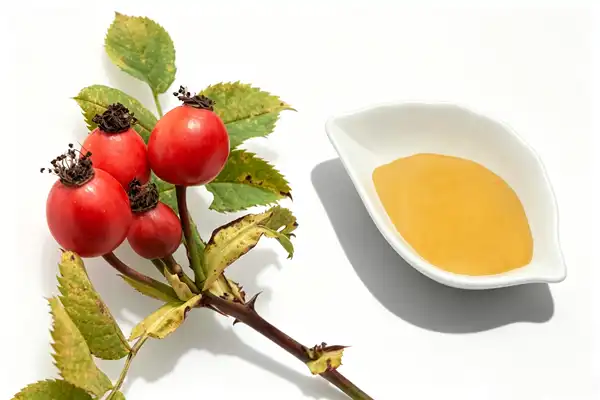
Rose Hip Extract Powder comes from the seeds of Rosa rugosa trees, which are not the same as rose petals botanically. The plant makes small, round fruits that are full of natural vitamin C, bioflavonoids, and tannins after it flowers. The best times to gather these fruits are in late summer and early fall, when they have the most nutrients. When this harvest is done at the right time protects the galactolipids and ascorbic acid content, which break down quickly if they are handled incorrectly or processed too late.
What Defines Quality Rose Hip Powder
Verification of the plant source is the first quality measure. Rosa rugosa has more polyphenols than the Rosa canina species, which affects how well formulations work in joint health and antioxidant applications. To keep the vitamin C from being lost through oxidation, the fruit needs to be cleaned and stabilized right away. If temperature controls fail within 48 hours of picking, the vitamin C level can drop by 30%.
Nutritional Profile and Active Compounds
Rose hip juice contains a number of useful substances. The amount of vitamin C in a substance varies from 5 to 70%, depending on how it was extracted and how it was measured using HPLC or titration. UV spectroscopy shows that the polyphenols range from 5 to 25 percent. Even though they are found in small amounts, galactolipids have been shown to reduce inflammation in clinical studies. This mix has synergistic benefits that synthetic ascorbic acid isolates don't have, which help the immune system and collagen production routes more.
Application Versatility Across Industries
Rose Hip Extract Powder is used by supplement companies to make immune support capsules and joint health formulas. Cosmetic companies use its natural vitamin C to make serums that target skin tone and flexibility. Functional food companies mix it with fruit to make drink shakes and snacks with extra nutrients. The sour taste goes well with fruit flavours. For animal nutrition, its antioxidant properties are used to make feed supplements. For each use, different extraction standards are needed that are appropriate for the intended purpose and the legal setting.
The Rose Hip Extraction Process: Step-by-Step Breakdown
The method of extraction determines how pure, effective, and safe the final powder is. We're in charge of every step so that we can give buying managers uniform analytical results and paper records that can be used to check the capabilities of suppliers.
Raw Material Selection and Preparation
Sourcing starts at approved planting sites that follow standard procedures for soil makeup, watering, and when to gather. Every year, we check these sites to make sure they are in line with organic certifications and pesticide residue rules. When fruits get to processing plants, they are put through a series of strict quality checks that look for things like excessive wetness, visual flaws, and early vitamin C levels. Only batches that meet certain conditions make it to the filtering stage.
Cleaning uses multi-stage washing systems with potable water to get rid of field debris, dust, and microbial surface contaminants. The fruits are then put into low-temperature drying rooms to get the wetness level below 10%. This stops microbes from growing and keeps vitamins that are sensitive to heat. When vegetables are dried in a controlled environment, they keep their nutrients better than when they are dried outside, where the humidity and temperature can change.
Extraction Methods: Comparing Technologies
There are three main ways to remove resources that are used in industrial production, and each has its own benefits:
- Water-Ethanol Extraction uses food-grade ethanol concentrations of 40 to 70 percent to dissolve flavonoids, polyphenols, and vitamin C. This method gets back 85 to 92 percent of the goal chemicals while also being cost-effective. Several rounds of extraction are done at controlled temperatures below 60 degrees Celsius to keep the process from breaking down due to heat. The amount of ethanol used changes depending on the goals; more ethanol helps remove polyphenols, while fluids that are high in water help recover vitamin C.
- Supercritical CO2 Extraction uses carbon dioxide in its supercritical state as a fluid and works at high pressure and low temperature. This method makes the cleanest extracts that don't contain any solvents, which meet the standards for pharmaceutical grade products. CO2 extraction targets compounds that are attracted to fat, like galactolipids, while protecting vitamins that are more delicate. Even though it costs a lot of money, it makes powders that are more bioavailable and last longer, making them perfect for high-end formulas that need clean labels.
- Cold Pressing is a way to get juice from fresh fruits without using heat or acids. Before spray drying, the juice is filtered and concentrated. When compared to solvent methods, this one keeps the most complete profile of phytochemicals but gives lower concentrations of certain actives. Cold-pressed powders work well for uses that focus on whole-food nutrition claims instead of normal strength.
After the first extraction, the liquid concentrate goes through several steps of filtration that get rid of plant fibres, particles, and chemicals that don't dissolve. The extract is made clearer by centrifugation, which gets it ready for concentration and drying.
Concentration and Drying Technologies
When working below 50 degrees Celsius, vacuum concentration lowers the amount of the liquid, which keeps vitamins stable. This step raises the density of the active compounds, making an extract that is more concentrated and ready for the last drying step. Spray drying breaks up the concentrate into tiny drops inside hot rooms, which evaporates the water right away to make a powder that can be easily mixed. To keep the bioactivity, the temperatures at the inlet stay below 180 degrees, and the temperatures at the exit stay below 80 degrees. Controlling the particle size during spray drying makes sure that 95% of the particles pass through an 80 mesh, which is important for mixing ingredients evenly in formulas.
Freeze-drying is an option for goods that are very expensive. Under a vacuum, this process turns ice crystals into powders that are very high in colour, flavour, and vitamin retention. Freeze drying, on the other hand, is three to five times more expensive than spray drying and takes longer to process, so it can only be used for certain things.
Quality Control and Testing Protocols
Before it's released, every factory batch goes through a lot of tests. HPLC analysis measures the amount of vitamin C present and confirms that it is within the acceptable ranges. Total polyphenols and flavonoids can be found using UV spectroscopy. Titration tests check the amount of acidity. Microbial testing looks for yeast, mould, coliforms, pathogens like Salmonella and E. coli, as well as the total plate count. Heavy metal analysis makes sure that levels of lead, arsenic, cadmium, and mercury stay below what the government allows.
Third-party groups check our ISO9001 quality management systems and FSSC22000 food safety certifications every year. Tracking of raw materials, extraction factors, analytical results, and stable data are all kept in batch records. This paperwork meets the rules in major markets and helps with quality testing programs for customers.
Key Considerations for Buyers When Selecting Rose Hip Extract Powder
When making decisions about purchases, it helps to know about technical specifications and how they affect the formulation. Even when they have the same name, not all Rose Hip Extract Powder products work the same.
Analytical Data Interpretation
Reports with a Certificate of Analysis show important quality markers. Vitamin C levels should be right for your product. 5 to 15 percent is good for general health items, while 40 to 70 percent is better for supporting the immune system. A polyphenol level of 10 to 25 percent can help fight ageing by acting as an antioxidant. When the moisture content is less than 5 percent, the product stays stable during storage and doesn't clump.
HPLC chromatograms show the presence of certain flavonoids and organic acids, which can be used to confirm the identity of a plant. This stops it from being tampered with by adding synthetic ascorbic acid or cheaper plant sources. When looking for new sources, make sure they get verified by a third-party lab to make sure their own testing is accurate.
Extraction Method Impact on Formulation
How the powder acts in finished goods depends on the method used for extraction. Because ethanol-water extracts are easily dissolved in water, they can be used to make drinks and liquid softgels. CO2-extracted powders work great in oil-based mixtures and products where there are concerns about solvent residue. Cold-pressed powders keep the natural qualities of the fruit, which makes them good for "clean label" positioning, but means higher inclusion rates are needed to get the same active levels.
Bioavailability changes depending on how the product is made. In clinical tests, CO2-extracted galactolipids were better absorbed, which meant they helped joint health with lower doses. Water-ethanol mixtures have the right amount of vitamin C and polyphenols to help the immune system and antioxidants.
Certifications and Compliance Documentation
Organic certification increases the value of a product when aiming for high-end customers and makes following the rules easier in markets that value natural ingredients. Products sold in areas where people follow religious food rules can get more customers with KOSHER and HALAL approvals. GMP compliance shows that production is controlled at a pharmaceutical level, which reassures quality assurance teams about how to handle the risk of contamination.
Registration with the FDA means that the seller is regulated, but it does not mean that the product is approved. Critical control points for food safety hazards are written down in HACCP plans. When evaluating a supplier, ask for copies of these certifications to make sure they are still valid and that the work they cover is covered.
Market Insights: Rose Hip Extract Powder Suppliers and Pricing
Global supply lines are centred on areas with good growth conditions and well-established facilities for extraction. Knowing about these forces helps buyers negotiate better and plan for changes in supply.
Regional Supplier Profiles
Wild rose hip populations and well-established networks of organic farming are used by production centers in Chile and Argentina. European suppliers, especially those from Germany and Scandinavia, stress processing that is pharmaceutical-grade and following all the rules very closely. We run factories in China through direct relationships with growing bases. This lets us offer reasonable prices, advanced extraction methods, and quick shipping.
Check a supplier's vertical merger when you're reviewing them. Companies that control the whole process, from growing the plants to packing them, offer better quality control and tracking than middlemen who get their supplies from different places. When you can, go to factories and see for yourself how they keep things clean, how they maintain their tools, and how they keep records.
Pricing Factors and Bulk Considerations
Rose Hip Extract Powder costs anywhere from $25 to $150 per kilogram, based on how it was extracted, whether it is organic, and how much of it there is. Standard 10:1 water-to-ethanol extracts with 10% vitamin C usually cost $30 to $45 per kilogram. High-potency CO2 products with more than 50% vitamin C cost between $80 and $150 per kilogram. Getting organic approval raises prices by 20 to 30 percent.
Per-unit costs go down when you commit to buying more. When you order more than 500 kilograms, you can get bulk pricing, which cuts prices by 10 to 15 percent. But buyers have to weigh the savings in price against the costs of keeping inventory and the length of time the goods will last on the shelf. Our usual packaging in 25-kilogram fibre drums works well for most business needs, but we can also handle smaller amounts for test sales and formula development.
Logistics and Lead Times
We keep a lot of common sizes and shapes in stock, so sample and trial orders can be sent out within three to five business days. For urgent needs, commercial amounts can be shipped by air freight. For cost-effective operations, they can be shipped by ocean freight. It takes about 18 to 25 days by boat and 5 to 7 days by air to get from our sites to ports in North America. If you properly package things in moisture-barrier bags inside drums, they won't break down during transport. The best places to store things are cool, dry, and out of direct light. If you follow these instructions, your things will stay stable for 24 months.
How to Use Rose Hip Extract Powder in Your Products and Formulations
The success of an application rests on how well the powder specifications match the formulation needs and how well the powder mixes with other materials.
Dosage Recommendations by Application
Dietary supplements that aim to boost the immune system usually have 250 to 500 mg of Rose Hip Extract Powder that is standardized to 10 percent vitamin C per serving. This gives you 25 to 50 mg of natural ascorbic acid. Taking between 2,500 and 5,000 milligrams of galactolipid-rich products every day, usually in more than one dose, is good for joint health. Antioxidant combinations have 100 to 300 milligrams of it along with other flavonoid sources.
Vitamin C is used in cosmetics at amounts of 0.5 to 3 percent in serums and creams. It helps make collagen and brightens the skin. Higher amounts can irritate the skin and need to be buffered by pH. Functional foods add 1 to 5 grams of Rose Hip Extract Powder per dose to smoothies and protein bars, where it goes well with the fruit flavours.
Formulation Compatibility and Stability
When put into capsules or tablets, Rose Hip Extract Powder mixes easily with other plant products, vitamins, and minerals. Microcrystalline cellulose and other additives make the flow properties better for encapsulation. In drinks, the powder dissolves completely in water and juice bases. Changing the pH to 3.5 to 4.5 makes the vitamin C more stable, though. Mixed tocopherols and other antioxidants make oil-based products last longer.
Stability testing under accelerated conditions shows that products that are made correctly stay effective for 18 to 24 months. Vitamin C breaks down more quickly when it comes in contact with water, air, and metal ions. This is why moisture-barrier packing and chelating agents are needed in water-based systems. Our application laboratory helps you improve your formulations by doing stability and compatibility tests that are specific to your product grid.
Regulatory Considerations Across Markets
Under DSHEA, Rose Hip Extract Powder is considered a food ingredient in the United States. To escape being classified as a drug, structure-function claims must be made. Rose hips have been used for a long time, so the European Union's Novel Food rules don't apply to them. Labels must properly show how much vitamin C is in something and say what plant it comes from. Organic claims need proof from the USDA or a similar organization.
Cosmetic uses are regulated in different ways, and INCI terminology is used to list ingredients. Safety studies look at how rose hip products might irritate the skin and cause allergies. These risks are still low for the recommended amounts. We offer a wide range of regulatory support papers, such as specs, safety data, and copies of certifications, to make your compliance processes easier.
Conclusion
To choose the best Rose Hip Extract Powder, you need to know how the different extraction methods affect the active ingredient profiles, bioavailability, and formulation performance. Buyers who look at analytical paperwork, confirm seller certifications, and match powder specifications to application needs get better results and stay in line with regulations. Costs and effectiveness depend on the type of extraction used, such as solvent-based, CO2-based, or cold-pressed. When you work with suppliers who keep track of things from the plants' origins to the final testing, you can be sure of consistent quality and lower supply chain risks. As the need for natural ingredients backed by science grows, Rose Hip Extract Powder remains a useful ingredient in functional foods, cosmetics, and dietary supplements.
FAQ
1. What differentiates rose hip extract powder from rose hip oil?
Rose Hip Extract Powder is made by extracting the fruit juice with water or alcohol. It concentrates vitamin C, antioxidants, and flavonoids. Rose hip oil is made by pressing the seeds cold, which releases fatty acids like omega-3, omega-6, and trans-retinoic acid. The powder can be used in drinks and supplements, and the oil can be used on the skin to moisturize and fade scars.
2. How do I verify the authenticity and quality of rose hip extract?
Ask for certificates of analysis that are special to each batch and show the amount of vitamin C measured by HPLC, the amount of polyphenols measured by UV spectroscopy, and the results of microbial tests. A third-party lab checks the accuracy of the supplier. Check for ISO9001, organic status, and GMP approval, among other standards. When you look at the powder, it should be fine, free-flowing, and have a characteristic yellowish-brown colour and mild, tangy smell. It shouldn't have any clumps or off-odours that would indicate moisture damage.
3. Can rose hip extract powder be used in both supplements and cosmetic formulations?
When it meets the requirements of each regulatory body, the same Rose Hip Extract Powder can be used for both purposes. Dietary supplement grades need to have low microbial counts and food safety certifications. When it comes to cosmetic grades, INCI compliance and tests for skin safety come first. Some suppliers have two different kinds of certifications, but separate production lines are needed to keep cross-contamination under control. Make sure that your seller can give you the right paperwork for what you want to use it for.
Partner with KH for Premium Rose Hip Extract Powder Supply
KH has been making standardized Rose Hip Extract Powder for over 25 years and specializes in making plant ingredients. We have full control over the whole process, from approved growing bases to advanced extraction facilities. This makes sure that all of our products can be tracked and that the active compound profiles are the same from batch to batch. We offer a range of specifications, such as 4:1 and 10:1 ratio extracts, as well as normal grades that give 5 to 70% vitamin C and 5 to 25% polyphenols. All of these are checked using HPLC and UV methods. From the time they are ready, sample quantities ship within three to five business days. Commercial orders are quickly delivered by courier, air, or ocean freight. We are a well-known company that supplies Rose Hip Extract Powder and have certifications for ISO9001, FSSC22000, KOSHER, HALAL, and HACCP. We offer full technical support, such as formula optimization, stability testing, and help with regulatory paperwork. Email our team at info@kingherbs.com to talk about your unique needs and ask for batch-specific analysis data that shows how committed we are to quality.
References
1. Chrubasik, C., Roufogalis, B. D., Müller-Ladner, U., & Chrubasik, S. (2008). A systematic review on the Rosa canina effect and efficacy profiles. Phytotherapy Research, 22(6), 725-733.
2. Winther, K., Campbell-Tofte, J., & Vinther Hansen, A. S. (2016). Bioactive ingredients of rose hips (Rosa canina L.) with special reference to antioxidative and anti-inflammatory properties: in vitro studies. Botanics: Targets and Therapy, 6, 11-23.
3. Andersson, S. C., Rumpunen, K., Johansson, E., & Olsson, M. E. (2011). Carotenoid content and composition in rose hips (Rosa spp.) during ripening, determination of suitable maturity marker and implications for health-promoting food products. Food Chemistry, 128(3), 689-696.
4. Lattanzio, F., Greco, E., Carretta, D., Cervellati, R., Govoni, P., & Speroni, E. (2011). In vivo anti-inflammatory effect of Rosa canina L. extract. Journal of Ethnopharmacology, 137(1), 880-885.
5. Fan, C., Pacier, C., & Martirosyan, D. M. (2014). Rose hip (Rosa canina L.): a functional food perspective. Functional Foods in Health and Disease, 4(12), 493-509.
6. Gao, Q. H., Wu, C. S., & Wang, M. (2013). The jujube (Ziziphus jujuba Mill.) fruit: a review of current knowledge of fruit composition and health benefits. Journal of Agricultural and Food Chemistry, 61(14), 3351-3363.
Send Inquiry
Related Industry Knowledge
- Angelica Officinalis Extract Extraction Process Explained for Buyers
- Why Is Bamboo Leaf Extract Trending in Herbal Supplements?
- How Effective Is Bitter Melon Extract Powder for Glucose Balance?
- Is Organic Nettle Extract Powder Better for Premium Products?
- Blueberry Extract Powder: Unlock the Power of Wild Blueberries
- Mulberry Leaf Extract Powder for Skin Health: Any Benefits?
- Cold-Pressed Organic Sea Buckthorn Seed Oil Guide
- What Makes Valerian Root Extract Powder So Effective?
- Polygonum Cuspidatum Extract: Antioxidant Protection Explained
- Mulberry Leaf Extract Powder: A Key Ingredient in Metabolic Health