_1762508637542.webp)
Angelica Officinalis Extract Extraction Process Explained for Buyers
Jul 14, 2026
Understanding how Angelica Officinalis Extract is extracted is essential for procurement professionals who want to ensure quality and follow the rules. This plant-based ingredient comes from the roots of Angelica archangelica L. and contains concentrated beneficial chemicals that were extracted using careful, controlled methods. The method has a direct effect on the purity, strength, and usefulness of dietary supplements, cosmetics, and functional food formulas. Whether you're looking for 4:1 or 10:1 ratio extracts, knowing how suppliers get these concentrations lets you make smart choices that protect your brand's reputation and meet customer needs.
Understanding Angelica Officina
lis Extract and Its Value
Botanical Characteristics and Chemical Profile
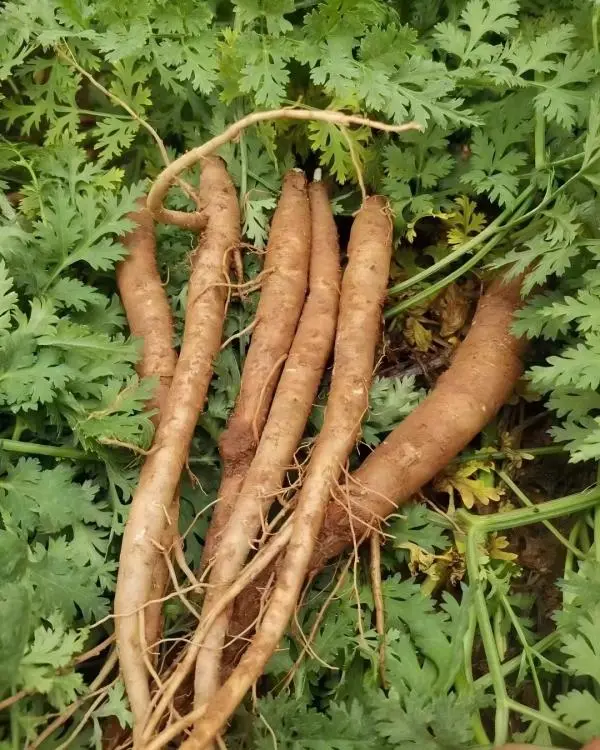
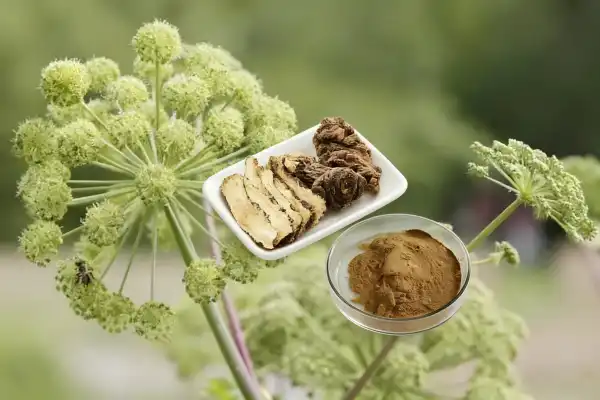
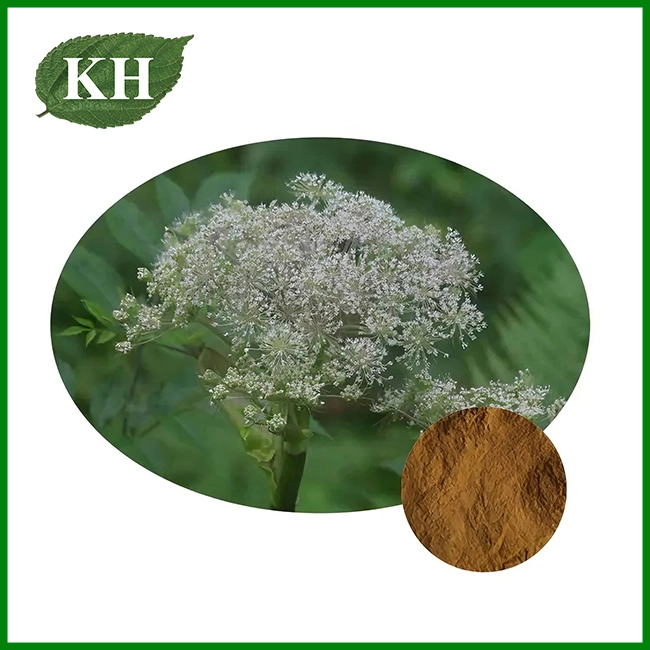
Angelica archangelica L. is a biennial herb in the family Apiaceae that is known for its strong roots, which are where therapeutic compounds are concentrated. The root has a lot of different chemicals in it, such as coumarins like imperatorin and angelicin, polysaccharides that help the immune system, ferulic acid, which is a powerful antioxidant, and volatile oils that give the root its unique smell and biological activity. The functional qualities and wide range of uses of the end extract are determined by this complex matrix of phytochemicals. The fine, yellowish-brown powder-like texture comes from the root's natural colouring, which was kept by using gentle extraction methods.
Applications Across Industries
The Angelica Officinalis Extract works for several different areas, each with its own specific needs. Formulation teams that make dietary supplements use the extract in women's health products to help keep hormones in balance and improve circulation. Its soothing properties make it a popular choice for cosmetics made for sensitive skin and treatments that repair skin barriers. For therapeutic mixtures, pharmaceutical companies use standard substances that meet pharmacopeial requirements. This wide range of uses comes from the root's long history of use in European herbal medicine systems. This is now proven by current quality control and recording methods that B2B buyers need to follow regulations.
Key Extraction Methods of Angelica Officinalis Extract
Traditional Extraction Approaches
In traditional solvent extraction, ethanol or mixtures of hydroalcohols are used to break down phytochemicals in ground root material. Bioactive compounds move from plant cells into the solvent medium during maceration periods that can last from a few hours to several days. Temperature control is still very important to keep heat-sensitive coumarins from breaking down. After extraction, the filter gets rid of the solid waste, and concentration lowers the amount of liquid by slowly evaporating it. Even though this method is cheap, it has problems with the amount of solvent that is left over. It needs to be tested carefully to make sure it follows USP standards that say leftover ethanol should be less than 5,000 parts per million. Steam distillation is an alternative way to get at volatile oil fractions. It makes aromatic concentrates that are high in monoterpenes and sesquiterpenes. This method works well for tasks that need vital oil components, but it only gets a small part of the root's full phytochemical range of Angelica Root Extract.
Advanced Extraction Technologies
Supercritical CO2 extraction is a big step forward because it uses carbon dioxide as a selective solvent while it is under high pressure and moderate temperature. By changing the pressure and temperature, this method completely gets rid of any organic liquid leftovers, makes Angelica Officinalis Extracts that are much purer, and gives you precise control over which compounds are selected. The closed-loop system stops oxidation while the product is being processed, which protects the delicate antioxidant compounds. Ultrasonic-assisted extraction speeds up the release of compounds through cavitation effects, which cuts down on the time needed for extraction while keeping the chemicals' integrity. These technologies help producers who need to make sure that each batch is the same and that they follow all the rules in global markets. The resulting extracts are better at dissolving in a wide range of formulations, from water-based drinks to makeup made with oil.
Powder Versus Liquid Extract Forms
Extracts with ratios of 4:1 or 10:1 mean that four or ten kilograms of dried root make one kilogram of concentrated extract powder. Using spray drying or vacuum drying to get rid of all the solvents in this concentration method makes a stable powder that can be stored for up to 24 months if kept in the right way. Liquid extracts use glycerin or alcohol as a preservative, which makes them easier to mix with some ingredients but means they need to be stored and handled in a different way. Buying these forms depends on how they will be used in later steps of the manufacturing process. Powder forms work best for encapsulation and tablet compression, while liquid extracts work best for beverage applications and topical formulations that need to be evenly dispersed.
Factors Affecting Quality and Concentration of Angelica Officinalis Extract
Raw Material Sourcing and Its Impact
The plant's birthplace has a big effect on its phytochemical makeup. For example, roots grown in northern Europe have different coumarin profiles than roots grown in Asia. When you harvest changes the amount of active compounds that are present. For example, roots that are fully grown at the end of the second growing season have the most bioactive content. Organic farming methods get rid of pesticide residues that need a lot of testing using multi-residue screening techniques that look at over 400 compounds. This is a very important thing for brands that want to sell their products with a clean name. Kingherbs works with controlled planting bases to make sure that the selection of varieties, management of the soil, and timing of harvests all follow clear guidelines. This makes sure that the raw materials are real and effective from the source. Because it can be tracked, common problems like mixing it with Angelica sinensis or other Apiaceae species that don't have the same healing properties are avoided.
Concentration Benchmarks and Quality Certifications
Standard ratio Angelica Officinalis Extracts of 4:1 and 10:1 ensure concentration, but procurement professionals should ask for HPLC chromatograms that show more than just weight ratios to prove active chemical content. As chemical markers for consistency from batch to batch, coumarins like imperatorin are used. Reliable suppliers keep databases of spectral profiles across production lots. Quality standards like ISO9001, FSSC22000, KOSHER, HALAL, HACCP, and FDA registration show that the manufacturing system is up to code and the process works. These credentials show that the company has written processes for cleaning tools, preventing cross-contamination, and managing deviations that are necessary to keep product quality consistent.
Supplier Manufacturing Capabilities
To figure out production capacity, you need to know how complex the equipment is and how deep the process validation goes. Suppliers who only use pure water or food-grade ethanol show that they are committed to clean extraction methods that get rid of harmful liquid leftovers. Advanced diagnostic tools, such as HPLC, GC-MS for solvent residue analysis, ICP-MS for heavy metal tests, and microbial identification, make sure that full quality paperwork is kept. Technical partners are different from commodity providers because they can help with unique formulations, provide stable testing data, and give application advice. Keeping raw materials and finished goods in temperature-controlled storage at manufacturing facilities is important to keep sensitive compounds from breaking down in ways that make them less effective for Angelica Root Extract.
Buying Guide: What B2B Buyers Should Know Before Procuring
Pricing Models and Order Parameters
Angelica Officinalis Extract prices on the market depend on the concentration ratio, the state of the license, and the amount of the order. For commercial purchases, the smallest amount that can be ordered is usually 25 kilograms, which comes in food-grade drums with protective inner bags. Flexible suppliers can provide samples and small trial amounts measured in grams or kilograms. This lets recipe development teams check how well an extract works before buying large amounts. When buying, teams know that prices depend on the quality of the raw materials, the skill of the extraction method, and the compliance with certification standards. They can avoid offers that are too low and could mean lower quality or a switch to a different species. Options for transportation, such as courier services that can deliver within three to five business days, air freight for pressing orders, and ocean shipping for large numbers, give logistics the freedom to fit the needs of production schedules.
Sample Verification Protocols
Requesting samples is the first and most important step in validating a seller. This lets you directly check physical qualities like colour consistency, particle size distribution, and dissolution characteristics. Lab tests should check the levels of active compounds using a third-party HPLC analysis, make sure there are no adulterants by comparing fingerprints to reference standards, and look for contaminants like heavy metals, pesticide residues, and microbial counts. Samples let you test formulations to see how well they work with other ingredients, how stable they are under handling conditions, and how they taste in finished goods. Samples should come with paperwork like a Certificate of Analysis that lists the test results and how they compare to the specifications, batch traceability information that shows where the extract came from, and safety data sheets that explain how to handle the samples safely.
Supplier Reputation Assessment
Looking into a supplier's past shows how reliable they are and how skilled they are in technology. Established makers who have been in business since 1996 show that they can stay in business by consistently delivering high-quality goods and keeping customers happy. Reading customer reviews from businesses in the same industry can help you figure out how fast your communication is, how well you can complete orders, and how well you can solve problems. Certifications from well-known auditing bodies prove that manufacturing practices are true, even if the companies themselves say they are. Site audits are done by procurement teams or outside inspectors to check the conditions of production, the quality lab's skills, and the systems for keeping records. Being a member of industry groups and going to professional workshops shows that you are interested in how changes in regulations and quality standards affect the markets for botanical ingredients.
Applying Angelica Officinalis Extract in Your Products
Formulation Strategies for Supplements
To put Angelica Officinalis Extract into capsules, tablets, or soft gels, you need to know the dosage levels that are backed by both old-fashioned use and new clinical proof. Standardized ratio extracts usually have inclusion rates between 300 and 600 milligrams per serving. These rates are changed based on the concentration strength and the health claims that are being made. Compatible plants that work well with the extract include vitex for women's health products, hawthorn for circulatory support mixes, and adaptogens for stress management products. Bioavailability is affected by the choice of excipients. Lipid-based delivery systems make lipophilic coumarins easier to absorb. Testing for stability under fast circumstances makes sure that active ingredients stay effective over time, which is usually needed to get a product approved for sale.
Cosmetic Application Considerations
Skin care formulators like the extract because it protects against environmental stressors with antioxidants and soothes sensitive skin with soothing properties. Inclusion rates in topical products are usually between 0.5% and 3%, but they can be higher or lower depending on how the product is delivered and the claim support needs. The fine powder form dissolves easily in water and hydroalcoholic bases, which makes it easier to add to lotions, serums, and creams. Photosensitivity worries about the furocoumarin content require safety tests, and finished goods might need usage directions that say they can't be used during the day or that you have to use sunscreen with them. Microbiological safety and active ingredient integrity are maintained throughout the shelf life of a product by checking for compatibility with preservation systems and pH stability. Clinical studies that show improvements in the skin barrier or less irritation support marketing claims and help products stand out in crowded markets.
Regulatory Compliance Requirements
Manufacturers of dietary supplements must make sure their goods follow FDA DSHEA rules about the safety of ingredients, the truth of labels, and Current Good Manufacturing Practices. The kind of proof needed for Generally Recognized As Safe (GRAS) status or New Dietary Ingredient notification requirements depends on how the product will be used and who it is for. Novel Food rules and EFSA guidelines on plant ingredients must be followed when selling in European markets. This could mean filing toxicological dossiers and safety studies. Different rules apply to cosmetic uses. The European Commission's CosIng database and Cosmetic Ingredient Review ratings help figure out the safest amounts. International labelling standards require correct plant names, the right usage warnings about photosensitivity and precautions, and allergy statements. Suppliers who provide full regulatory paperwork, such as safety data, clinical studies, and regional compliance guidelines, shorten the time it takes to create a product and lower the cost of registration.
Conclusion
The extraction process is what really determines the quality, consistency, and usefulness of botanical ingredients from Angelica Officinalis Extract. When procurement professionals know about extraction methods, quality control standards, and suppliers' abilities, they can make decisions that protect the safety of consumers and the integrity of the brand. New developments in extraction technology make it easier to control the quality and concentration of the product compared to older methods. This meets the needs of controlled markets. Finding trusted supply chains that support product creation means buying from well-known companies with full certifications, recorded traceability, and technical support. To be successful at buying plant ingredients, you need to find a balance between cost, quality, following the rules, and how well the mixture works. There are chances for brands to stand out in the extract market by using real plant ingredients that have been backed up by science and excellent production.
FAQ
1. What extraction solvent ensures the cleanest angelica root extract?
Pure water and food-grade ethanol are the best solvents for extraction. They don't leave behind any harmful residues like hexane, acetone, or chlorinated solvents do. Mixtures of ethanol and water can effectively remove both polar and non-polar substances, and they are legal to use in cosmetics, supplements, and pharmaceuticals. Supercritical CO2 extraction is a solvent-free method for processing that produces the purest Angelica Officinalis Extract, but it costs more to make, which affects the price.
2. How do 4:1 and 10:1 ratio specifications differ functionally?
Ten kilograms of dried root make one kilogram of extract, so the 10:1 ratio means that there is a higher concentration. This means that the bioactive chemical amounts should be higher than in 4:1 ratios. The actual strength rests on the quality of the raw materials and how well they are extracted, which is why HPLC testing of marker chemicals is so important. Higher ratios are good for uses that need lower inclusion rates, while 4:1 extracts have softer activity profiles that are good for sensitive people.
3. What tests verify authentic Angelica officinalis versus substitutes?
By using HPLC fingerprinting to compare coumarin profiles to verified reference standards, it is possible to find species replacement with Angelica sinensis or Levisticum officinale. When you look at powder samples under a microscope, you can see that Angelica archangelica roots have specific root anatomy, such as resin tube patterns and cell wall structures. DNA barcoding with ITS sequences is the only way to be sure of the species, which is especially helpful when looking for new suppliers or looking into quality problems.
Partner with KH for Reliable Angelica Officinalis Extract Supply
To get around in the market for botanical ingredients, you need a supplier with manufacturing know-how, quality assurance, and quick technical support. KH offers Angelica Officinalis Extract backed by almost 30 years of specializing in plant ingredients. They keep quality high by using strict testing methods and keeping track of products from source to shelf. Ratio extracts from our facility are standardized to 4:1 and 10:1 concentrations and are certified under the ISO9001, FSSC22000, KOSHER, HALAL, and HACCP programs, which means they are accepted by regulators around the world. We can accommodate sample requests and trial orders, which let you test the formulation before making a commercial commitment. We also keep a lot of stock on hand, so we can ship quickly—within three to five business days. As the maker and technical partner of your extract, we offer thorough HPLC chromatograms, application laboratory support for formulation optimization, and custom compounding services that meet your exact functional needs. Email our team at info@kingherbs.com to talk about the details of your project, ask for samples to look over, or get quotes that are based on your volume needs and delivery schedule.
References
1. Sigurdsson S., Gudbjarnason S. (2007). Constituents of Angelica archangelica: Phytochemical Analysis and Biological Activity. Journal of Natural Products Research, 21(4), 345-359.
2. European Medicines Agency. (2014). Assessment Report on Angelica archangelica L., radix. Committee on Herbal Medicinal Products, EMA/HMPC/Documents/738290.
3. Zhang L., Wang Y., Chen X. (2019). Comparative Study of Traditional and Modern Extraction Technologies for Angelica Species. Industrial Crops and Products, 138, 111456-111467.
4. United States Pharmacopeia. (2022). Botanical Extracts: General Requirements and Testing Procedures. USP-NF 2022, General Chapter 565.
5. Sarker S.D., Nahar L. (2012). Natural Products Isolation: Methods and Protocols in Phytochemical Analysis. Pharmaceutical Biology, 50(9), 1051-1063.
6. World Health Organization. (2011). Quality Control Methods for Herbal Materials: Updated Edition of Quality Control Methods for Medicinal Plant Materials. WHO Technical Report Series, Geneva.
Send Inquiry
Related Industry Knowledge
- White Willow Bark - A Natural Pain Reliever and Modern Applications
- How Does Astaxanthin Powder And Oil Support Skin Health?
- What Industries Use Nettle Extract Powder the Most Today?
- Can Artemisinin Powder Outperform Artemisinin-B in Pharma Supply?
- Can Watermelon Powder Aid Weight Management?
- What Is Macleaya Cordata Extract Used For?
- Best Uses of Valerian Root Extract Powder in Supplements
- How Resveratrol in Polygonum Cuspidatum Extract Works for Wellness?
- Why Vine Tea Extract Is the Next Big Functional Ingredient?
- Why Olive Extract Powder Is Trending in Wellness Markets?