_1762508637542.webp)
What Industries Use Nettle Extract Powder the Most Today?
Jun 10, 2026
Because it has a wide range of medicinal qualities and can be used in a lot of different ways, nettle extract powder has become an important plant ingredient in many different industries. The biggest users today are in the vitamin and dietary supplement businesses. They are closely followed by companies that make makeup and personal care products, pharmaceuticals, useful foods and drinks, and animal nutrition. This plant extract from Urtica dioica has consistent amounts of beta-sitosterol, silica, flavonoids, and lignans that meet strict quality standards needed by makers looking for stable, traceable raw materials for high-value uses.
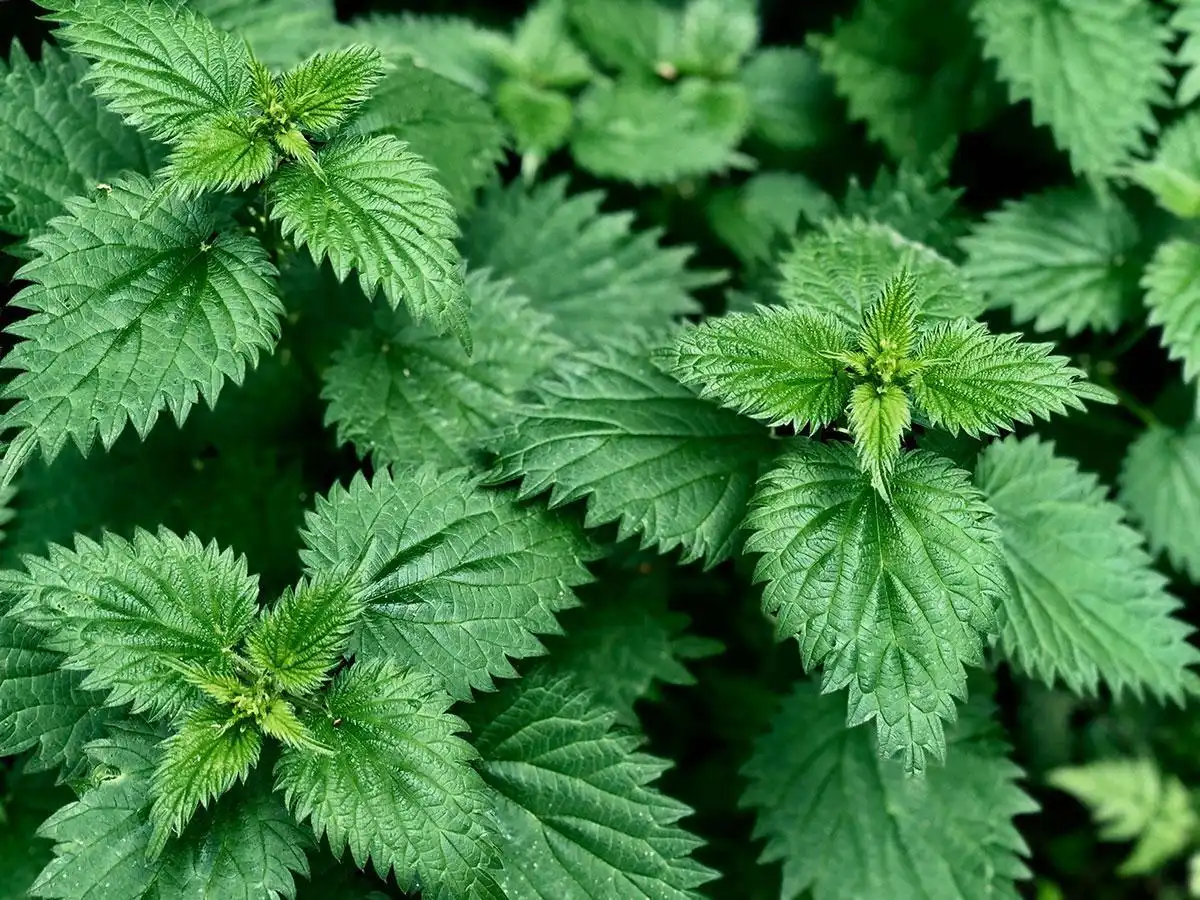
Understanding Nettle Extract Powder and Its Industrial Relevance
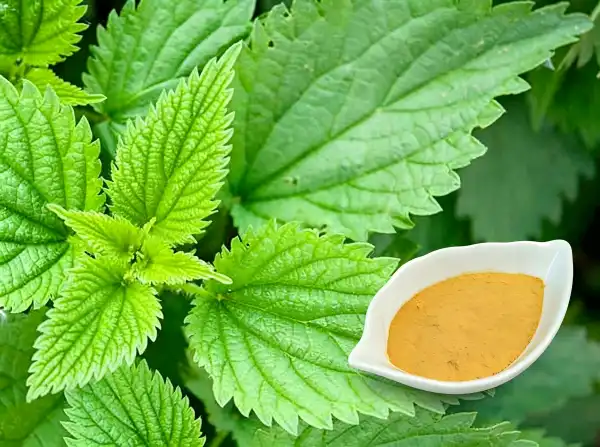
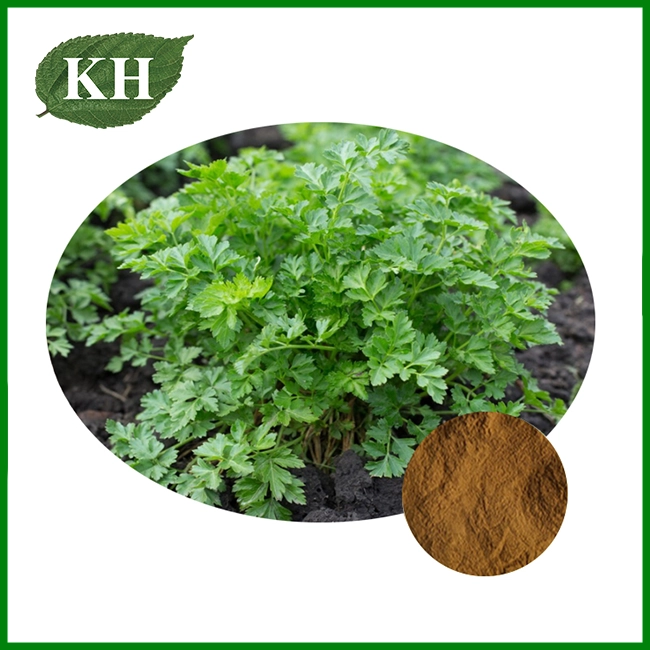
Nettle extract is a concentrated plant solution that comes from the roots and leaves of Urtica dioica, which are extracted using water and ethanol. This fine brownish-yellow powder, on the other hand, gives producers uniform strength, better absorption, and better shelf stability. Standardizing to certain markers, like beta-sitosterol levels between 0.8% and 8% and silica levels between 1% and 8%, solves one of the biggest problems procurement managers face: the fact that the quality of raw materials can vary a lot.
Partners in manufacturing like this ingredient because it helps them get around important recipe problems. The powder's controlled particle size (80 mesh) makes sure that it mixes evenly in packaging systems, and its low moisture content (under 5%) keeps it stable while it's being stored and shipped. Each batch meets both USP and EP pharmacopeial standards for active ingredient content after being tested using UV and HPLC methods.
Premium extracts are different because they use advanced cleaning technologies to get rid of naturally occurring histamines and soil-based toxins. In this step of the process, a traditional plant medicine is changed into a pharmaceutical-grade ingredient that can be used in controlled situations. This level of polish is needed for manufacturers working under GMP settings to keep their products consistent and meet the needs of foreign regulators.
Top Industries Utilizing Nettle Extract Powder Today
Dietary Supplement and Nutraceutical Manufacturers
Manufacturers of dietary supplements and nutraceuticals
The food supplement industry is the biggest consumer of this plant. It is used in joint health products, anti-inflammatory mixes, and prostate health products. Beta-sitosterol content is especially useful for companies that make products for men's health, since clinical studies show that it can help with hormone balance and bladder function. Product development teams like that the extract can be mixed with other plants and nutrients to make products that work better together and help with more than one health issue. Contract makers that work in this field are under more and more pressure to find ingredients that can be fully tracked and have batch-level paperwork. As needed by the FDA, nettle root extract offers proof of ownership, such as records of analysis proving microbe limits, heavy metal screening, and pesticide residue tests. Small to medium-sized brands benefit most from sellers with flexible minimum order amounts, which lets them come up with new products without having to commit to too much inventory.
Cosmetics and Personal Care Formulators
The second-largest industry area is personal care, with hair care items having the highest adoption rates. Leaf products naturally contain silica, which helps the body make collagen and improves hair shafts. This makes it a great active ingredient for shampoos, serums, and conditioning treatments that stop hair loss. Chemical experts who work in cosmetics like that it can do two things: give nutrients and back up claims with standardized bioactive markers. Natural and organic beauty brands put a lot of emphasis on Nettle Extract Powder plant ingredients that fit with their "clean beauty" stance. This extract meets the standards of consumers for openness while also providing measured performance gains. People who work with emulsion systems like how stable it is in both water- and oil-based media and how well it works with different pH ranges. More people want to buy things that are good for the earth and don't harm it, so sellers who can show that they do this throughout their supply lines are in higher demand.
Pharmaceutical and Herbal Medicine Producers
Standardized plant products are used by pharmaceutical firms to make herbal drugs that are based on proof. This is especially true in European markets where phytotherapy has strong legal backing. Because it has been shown in clinical tests to reduce inflammation, this ingredient could be used to help treat joint problems and seasonal allergies. In this industry, quality assurance managers need sellers with ISO9001 and FSSC22000 certifications to make sure that the manufacturing methods meet standards for pharmaceuticals. Traditional medicine companies that use both Eastern and Western methods find that products that have been used in the past and have been proven to work today are useful. You can get thorough HPLC analysis results that include the component profiles you need to improve formulations and test their stability. Directors of research and development like it when suppliers offer expert help beyond just providing ingredients. For example, they like it when suppliers offer mixing advice and application laboratory services.
Functional Food and Beverage Industry
In detox teas, green juice powders, and adaptogenic drink mixes, plant ingredients have been used in new and creative ways by people who make functional drinks. As a result of the "clean label" trend, companies are using products that are naturally removed and handled without using toxic solvents. This need is met by water-ethanol extraction methods, which give rich nutrition in forms that work well with liquid systems. Product makers have to deal with special problems when they try to make drinks that stay stable over time and taste good. The brownish-yellow colour profile can change how the end product looks, so it needs to be carefully thought out when the mixture is being made. Suppliers who give soluble data, pH stability ranges, and suggested usage levels help get products to market faster and lower the cost of development.
Animal Nutrition and Feed Manufacturers
Botanical ingredients are becoming more and more accepted in the animal health industry as natural alternatives to manmade additives in the feeding of livestock and pets. Because it modulates the immune system and is high in nutrients, this product is useful for making high-end pet food and special feeds for animals. Buyers in agriculture look for ingredients that have a constant makeup and don't contain any contaminants that could harm animals or make the product unsafe. Feed companies that follow HACCP rules need providers with strong systems for preventing spoilage and tested methods that have been proven to work. Having Halal and Kosher licenses makes it easier for businesses that serve a wide range of customers to get into new markets. Animal experts like items that come with scientific data that shows how much of each element, amino acid, and vitamin it contains.
Selecting the Right Supplier for Your Industrial Application
When looking for a good industrial partner for Nettle Extract Powder, you need to look at more than just unit price. ISO9001, FSSC22000, HACCP, and FDA registration are some of the most common certifications that suppliers must have in order to be qualified. For some uses, you may need extra qualifications, like organic credentials, non-GMO proof, or religious food approvals.
Strategic partners are different from basic sellers in terms of their technical skills. Manufacturers who offer custom extraction ratios, specific beta-sitosterol amounts, or their own standardization methods give formulators more freedom, which helps differentiate their products. Access to an application laboratory allows for joint development, which lets buyers test how well an ingredient works in their own specific patterns before committing to large quantities.
Logistics issues have a big effect on the total cost of ownership and the dependability of the supply chain. Suppliers who keep goods in ready stock take the guesswork out of wait times, and the different packing choices (from 100g samples to 25 kg drums) make them suitable for both research projects and business production runs. Courier, air freight, and ocean shipping are just a few of the different types of transportation that can be used for just-in-time production.
Quality assurance includes more than just proof of analysis. It also includes detailed batch records, kept samples, and quick expert help. Procurement managers like it when sellers talk to them ahead of time about things like crop conditions, possible supply problems, or changes in regulations that affect the status of an item. Clear minimum order amounts and clear price systems make it possible to accurately predict costs and control budgets.
Current Trends and Future Industrial Perspectives
Patterns of industrial usage show how the market as a whole prefers natural materials to manufactured ones. Wellness trends among consumers that stress preventive nutrition and overall health push formulators toward plant-based actives that have been used for a long time and are now being supported by new clinical evidence. Regulatory settings in North America and Europe are becoming more open to standardized plant products within current frameworks. This makes it easier for new companies to get into the market.
New developments in extraction technology for nettle root extract powder have made it more profitable for makers. For example, new liquid recovery methods, spray-drying techniques, and testing methods have all cut down on production costs while improving quality. These changes make it possible for prices to be competitive, which means that brands can use plant products with a range of price marketing tactics. Improvements to scalability make it possible for sellers to work with both small brands that need small amounts and large companies that need container loads.
Sustainability and ethical sources used to be side issues, but now they are core factors for buying things. More and more, buyers want proof of how the plants were grown, how long the crop will last, and how the harvest affected the community. Blockchain and digital recording systems are used by supply chain openness efforts to make it possible to track goods from the field to the finished product. These changes make it easier for responsible sellers to work with brand owners in the long term, especially when those owners are under pressure from stakeholders to do better with social and environmental control.
As technology is integrated into industrial processes, extraction accuracy and regularity will continue to improve. Advanced analysis techniques, like mass spectrometry and nuclear magnetic resonance spectroscopy, help us understand phytochemical patterns better, which leads to more focused formulation strategies. Predictive modelling and AI apps may soon be able to optimize extraction parameters in real time, which would further reduce differences between batches.
Conclusion
The diverse industrial applications spanning dietary supplements, cosmetics, pharmaceuticals, functional foods, and animal nutrition demonstrate the versatility and commercial significance of standardized botanical extracts derived from Urtica dioica. As manufacturers navigate increasingly complex regulatory landscapes and respond to sophisticated consumer expectations, selecting qualified suppliers with comprehensive technical capabilities becomes strategically critical. The convergence of quality assurance, sustainable sourcing, and formulation flexibility will continue shaping procurement decisions across all industrial segments utilizing this valuable botanical ingredient.
FAQ
Which industry segment consumes the largest volume annually?
Dietary supplement and nutraceutical manufacturers represent the dominant consumer category, driven by formulations targeting joint health, prostate wellness, and anti-inflammatory support. The standardization to specific beta-sitosterol concentrations enables consistent dosing strategies that support clinical claims.
What certifications should procurement managers prioritize when evaluating suppliers?
ISO9001 and FSSC22000 certifications provide foundational quality management validation. Applications in regulated sectors benefit from suppliers holding FDA registration, HACCP implementation, and pharmacopeial compliance (USP/EP). Specialized markets may require Halal, Kosher, or organic certifications.
How do lead times vary between sample orders and commercial quantities?
Suppliers maintaining ready stock typically fulfill sample requests (100g to 10kg) within three to five business days via courier service. Commercial orders meeting the 25kg minimum order quantity generally ship within the same timeframe when inventory is available, though custom extraction specifications may extend delivery schedules.
What technical support should buyers expect from qualified suppliers?
Beyond basic ingredient supply, strategic manufacturing partners provide HPLC analysis reports detailing component spectra, application laboratory access for formulation optimization, compatibility testing support, and regulatory documentation assistance. Compounding advice and stability study protocols represent value-added services differentiating commodity suppliers from technical partners.
Partner with KH—Your Trusted Nettle Extract Powder Manufacturer
KH has served global manufacturers since 1996, delivering Nettle Extract Powder that meets the exacting standards of pharmaceutical, nutraceutical, cosmetic, and functional food industries. Our nettle extract features precise standardization to beta-sitosterol (0.8%-8%) and silica (1%-8%) content, verified through UV/HPLC methodologies and supported by comprehensive batch documentation. We maintain ISO9001, FSSC22000, Kosher, Halal, HACCP, and FDA certifications that satisfy stringent quality requirements across regulated sectors.
What distinguishes our approach is genuine partnership extending beyond transactions. Our application laboratory provides formulation optimization support, stability testing protocols, and compounding advice tailored to your specific delivery system—whether capsules, tablets, beverages, or topical applications. We accept sample orders and small-batch trials without prohibitive minimums, enabling innovation teams to validate performance before commercial commitments. Ready stock positions ensure prompt shipment via courier, air, or ocean freight based on your timeline requirements.
Our extraction processes utilize pure water and edible ethanol exclusively, eliminating solvent residues while preserving bioactive integrity. End-to-end traceability from controlled cultivation through final packaging addresses your supply chain transparency requirements. Contact our technical team at info@kingherbs.com to discuss your procurement needs and discover how our decades of botanical expertise can support your product development objectives. Request detailed specifications, batch analysis reports, or sample quantities today.
References
1. Kregiel, D., Pawlikowska, E., and Antolak, H. "Urtica spp.: Ordinary Plants with Extraordinary Properties." Molecules 23, no. 7 (2018): 1664.
2. Riehemann, K., Behnke, B., and Schulze-Osthoff, K. "Plant extracts from stinging nettle (Urtica dioica), an antirheumatic remedy, inhibit the proinflammatory transcription factor NF-κB." FEBS Letters 442, no. 1 (1999): 89-94.
3. Chrubasik, J.E., Roufogalis, B.D., Wagner, H., and Chrubasik, S.A. "A comprehensive review on nettle effect and efficacy profiles, Part I: Herba urticae." Phytomedicine 14, no. 6 (2007): 423-435.
4. Safarinejad, M.R. "Urtica dioica for treatment of benign prostatic hyperplasia: a prospective, randomized, double-blind, placebo-controlled, crossover study." Journal of Herbal Pharmacotherapy 5, no. 4 (2005): 1-11.
5. Pourmorad, F., Hosseinimehr, S.J., and Shahabimajd, N. "Antioxidant activity, phenol and flavonoid contents of some selected Iranian medicinal plants." African Journal of Biotechnology 5, no. 11 (2006): 1142-1145.
6. Testai, L., Chericoni, S., Calderone, V., Nencioni, G., Nieri, P., Morelli, I., and Martinotti, E. "Cardiovascular effects of Urtica dioica L. (Urticaceae) roots extracts: in vitro and in vivo pharmacological studies." Journal of Ethnopharmacology 81, no. 1 (2002): 105-109.
Send Inquiry

Related Industry Knowledge
- Astaxanthin Oil vs Powder: Which Form Is Better for You?
- Nettle Extract Powder: Nature’s Support for Prostate and Hormone Health
- Can Wild Yam Extract Powder Support Menopause Comfort?
- Is Dill Seed Extract the Next Trending Herbal Ingredient?
- How Rhizoma Coptidis Powder Supports Digestive Balance
- Is Macleaya Cordata Extract an Effective Natural Pesticide?
- Top Reasons to Add Valerian Root Extract Powder to Your Lineup
- Can Vine Tea Extract Help Regulate Blood Sugar?
- Best Uses of Valerian Root Extract Powder in Supplements
- Polygonum Cuspidatum Extract: Bioactive Compounds and Benefits