_1762508637542.webp)
Can Wild Yam Extract Powder Support Menopause Comfort?
Apr 29, 2026
More and more, women going through menopause are looking for harmless ways to deal with symptoms like night sweats, hot flashes, and mood swings. Wild Yam Extract Powder, which is made from the root of Dioscorea villosa, is a plant ingredient that has shown promise in traditional uses for supporting hormones. Diosgenin is a plant sterol that is found in this pure extract. It is linked to pathways that start hormone regulation. Researchers are still trying to figure out how this botanical powder works, but it has caught the attention of people who are making nutraceuticals and functional health goods for women going through the menopause and other midlife changes.
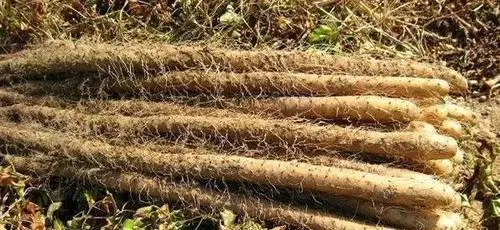
Understanding Wild Yam Extract Powder and Menopause
What Makes This Botanical Extract Unique?
An annual plant from North America called Dioscorea villosa is where the botanical extract comes from. Key bioactive chemicals, like diosgenin and steroidal saponins, are separated by producers using controlled extraction methods with pure water or food-grade ethanol. After the standardization process, a fine white to off-white powder is made. Depending on the use, this powder has diosgenin amounts that range from 3.7% to 90%. This variation in concentration lets formulators make goods that meet specific health goals while still being consistent from batch to batch.
Processing methods have a big effect on the quality and effectiveness of the result. High-quality extracts are tested with HPLC to see how much of the active ingredient they contain. This makes sure that every batch meets the stated requirements. The powder form is clearly better than the raw root material because it is more stable, easier to mix into other ingredients, and more accurate doses can be predicted. Because of these qualities, it is very useful for supplement companies that are making regular pills, tablets, and functional drinks that target hormonal health.
The Menopause Transition and Symptom Prevalence
Menopause is a normal biological process in which estrogen and progesterone levels drop. It usually happens between the ages of 45 and 55. This change in hormones causes many changes in the body, and about 75% of women who go through it have vasomotor signs like hot flashes and night sweats. Aside from problems with temperature control, women often have mood swings, sleep problems, vaginal dryness, and changes in their thinking that affect their daily lives.
How bad the symptoms are and how long they last change a lot from person to person, depending on their genes, lifestyle, and general health. A lot of women choose natural ways to deal with their symptoms instead of or in addition to regular hormone replacement treatment. This increases the demand for plant-based ingredients that have been used for a long time. Because of this preference, there are big market possibilities for companies that offer plant-based, evidence-based options that help with the many problems that come with menopause.
Wild yam root has been used in traditional plant medicine for many generations, especially to treat problems with reproduction and inflammation. Today's extraction methods make it possible to consistently give bioactive chemicals at therapeutic concentrations. This combines old knowledge with modern quality standards. Procurement experts can carefully evaluate materials for product development projects when they know about both the botanical qualities and the clinical environment of menopause.
Scientific Insights: Benefits and Considerations of Wild Yam Extract Powder for Menopause
Phytoestrogen Activity and Hormonal Modulation
Wild Yam Extract Powder contains diosgenin, the main bioactive ingredient in wild yam products. Its structure is similar to some steroid hormones, but scientists haven't proven that it directly changes into progesterone in the body. Lab studies show that diosgenin might have a secondary effect on hormonal processes by changing receptors and interacting with enzymes. In theory, these processes could help ease symptoms, but there haven't been many large-scale human clinical studies yet.
There are some chemicals in the botanical powder that may have phytoestrogenic qualities. This means that they may weakly interact with estrogen receptors without being as strong as endogenous hormones. This softer action profile is appealing to women who want less harsh treatments than synthetic hormone medicines. Product formulators often mix wild yam extracts with plants that work well together, such as black cohosh, red clover, or dong quai, to make products that work better together and address more than one symptom route at the same time.
When judging claims of hormonal support, quality uniformity is very important. Extracts checked by HPLC analysis make sure that the amount of diosgenin is the same in all production runs, which lets the product work reliably. When brands buy from suppliers that are approved by ISO9001, FSSC22000, or HACCP, they know that the production process keeps the ingredients' integrity from the time the raw materials are received until they are packaged.
Anti-Inflammatory and Antioxidant Properties
In addition to affecting hormones, parts of wild yams are anti-inflammatory, which can help with managing menopause. The product contains steroidal saponins that may help control inflammatory cytokines. This could help reduce joint pain and systemic inflammation that often happens during hormonal changes. These qualities make the nutrient useful for more than just women's health. They also make it useful in other fitness areas.
Another part of the plant's therapeutic nature is its antioxidant action. Compounds in the extract help to reduce oxidative stress, which keeps cells from getting damaged by free radicals. During a time of life when oxidative stress is high, this protective system helps keep the skin healthy, the heart working well, and cells generally strong. Cosmetic companies have started using Wild Yam Extract Powder in anti-aging skin care products, taking advantage of its benefits on the face and throughout the body.
Practical Dosage Guidance and Product Formats
Dosing plans that work rely on the extraction rates and the standardization levels of diosgenin. For general health purposes, most supplement formulas use 200 to 500 mg of extract per dose, which is standardized to have 6 to 16 percent diosgenin. Higher-potency products with more than 20% diosgenin are used as fillers in pharmaceutical processes instead of as supplements for consumers. B2B buyers should be clear about the concentration ranges they want, making sure they match the target product placement and legal frameworks in the markets they want to sell to.
Bioavailability and customer choice are affected by the format of the product. Capsules and tablets are still the most popular supplement types because they are easy to dose and last a long time on the shelf. Transdermal creams with the powder can be used in specific areas, but the amount of absorption that happens depends on how complicated the mixture is. Functional food uses, like protein shakes and nutrition bars, are opening up new markets that need methods for improving solubility and hiding flavors.
Safety Profile and Quality Assurance Imperatives
When obtained from reputable sources following good production practices, Wild Yam Extract Powder, the botanical extract, usually shows good tolerability. Mild stomach effects are the most common side effects, and they usually go away when the dose is changed or when the medicine is taken with a meal. People with conditions that are sensitive to hormones should talk to their doctors before using it because it might combine with conditions that depend on estrogen, which is something that should be thought about carefully.
Medication that is broken down by certain liver enzyme routes, especially those containing CYP3A4, may interact with other drugs. Brands must include clear information on their labels about when not to use their products and when to see a doctor if they are taking prescription drugs. For goods that people will buy, responsible ingredient finding starts with thorough safety paperwork that includes heavy metal testing, microbial analysis, and pesticide screening.
Certification profiles have a big effect on how suppliers are chosen. Extracts of wild yams that are certified by ISO9001, FSSC22000, KOSHER, HALAL, and HACCP show that they are committed to structured quality management. Products coming into the United States are more likely to be safe if they are registered with the FDA, and following USP and EP standards makes it easier for goods to be traded between countries that have different rules.
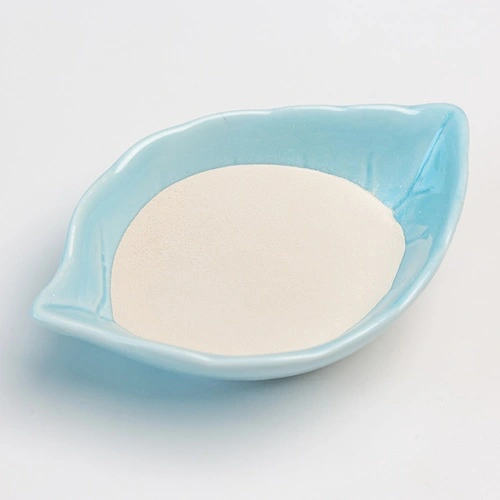
Wild Yam Extract Powder Compared: Market Alternatives and Quality Factors
Evaluating Competitive Botanical Options
Professionals in procurement often compare wild yam products to other plants that help with menopause. Black cohosh (Cimicifuga racemosa) has more clinical studies showing that it can help reduce hot flashes, though scientists are still arguing about how it works. When it comes to changing hormones, red clover (Trifolium pratense), which is high in isoflavone phytoestrogens, is different from wild yam, which is high in steroidal saponins.
Another common option is maca root (Lepidium meyenii), which is especially liked for helping with energy and happiness during menopause. The benefits of maca seem to be linked to its alkaloid content and ability to help the body adapt, while the benefits of wild yam are based on diosgenin. Which of these plants to use relies on the symptoms you want to treat, how well they work together in a formula, and how consumers in certain market groups like to be educated.
Isolated diosgenin extracts are the purest form of the product range; they contain 95% or more diosgenin and are used in pharmaceutical synthesis. These materials are of a medicinal grade and are used to make steroidal drugs instead of being taken by themselves as supplements. The difference between pharmaceutical intermediates and dietary supplement-grade extracts has big legal and price effects that procurement teams need to be aware of when they are making specifications.
Organic Certification and Sourcing Transparency
Organic Wild Yam Extract Powder products are very expensive because they appeal to people who care about the environment and brands that focus on having clean labels. To get certified organic status, all parts of the supply chain must use non-GMO source materials that have been checked for purity, grow foods without using pesticides, and follow accepted processing methods. These rules limit the suppliers' choices, but they give marketers something to work with and are in line with how people's ideas about farming are changing.
Powder Versus Cream Formulations
Putting wild yams on the skin has become more common, especially when talking about bio-identical hormone treatment. Transdermal creams need to be made by people who know how to make them properly so that they can penetrate the skin and be bioavailable. The powder needs to have its particles smaller and mixed into lipophilic carriers that work with skin delivery systems. When compared to simple oral supplement uses, these technical needs make the formulation more difficult.
Supplier Qualification and Certification Verification
When looking at possible suppliers, you need to carefully check their quality control methods, test their skills, and make sure they follow all the rules. GMP approval shows that a company follows the rules for building facilities, training employees, controlling processes, and keeping records. When a company gets ISO9001 approval, it means that its quality management system is being used in more areas than just manufacturing.
Procurement Strategies for Wild Yam Extract Powder – What B2B Buyers Need to Know
Pricing Dynamics and Cost Structure Analysis
The prices of wild yam products are affected by the supply of raw materials and the growing seasons of plants. Harvest rates change depending on the weather, farming methods, and the growing conditions in different sourcing areas. Understanding these supply dynamics can help buyers who are going to commit to buying in big quantities get better prices and make sure they will have stable long-term availability.
International Logistics and Delivery Reliability
To keep supplies steady for production plans, global sourcing needs careful transportation planning. Ocean freight is cheaper for shipping large amounts of goods, but it takes 4 to 6 weeks to get from one place to another, so you need to plan and keep extra supplies on hand. Air freight speeds up shipping to 5–10 days, but it costs more per unit and is better for situations where you need to quickly restock or start a new product.
Supplier Evaluation Criteria and Due Diligence
A full review of the supplier's capabilities is the first step in building a connection based on trust. Documentation about manufacturing capacity shows possible partners if they can increase production to meet growth goals without lowering quality. Even though they require a lot of time and effort, site visits are a great way to learn about operational practices, equipment maintenance standards, and the attitude of a company when it comes to quality management.
Contract Terms and Quality Agreements
Quality agreements make it official who is responsible for testing, keeping records, looking into complaints, and possible recall situations. These models make communication methods clearer, say who is responsible for making decisions when specifications don't match up, and set up steps for ongoing efforts to improve things. Well-structured deals keep disagreements to a minimum and encourage working together to solve problems in the sourcing of Wild Yam Extract Powder.
Conclusion
Dioscorea villosa is the plant source of Wild Yam Extract Powder, which is a herbal ingredient that has been used for a long time and is now becoming more scientifically interesting for managing menopause symptoms. The presence of diosgenin and steroidal saponins supports hormonal support statements biochemically, but more clinical studies are needed to set clear standards for effectiveness. Standardized extracts that have been checked by HPLC analysis help brands that are making goods for women going through menopause. This makes sure that the active compounds are delivered consistently across all production runs. Successful strategies for buying things focus on making sure that suppliers are qualified by checking their credentials, going over their testing procedures, and seeing how well they can handle logistics. Finding high-quality plant extracts from honest, dependable partners is becoming more and more important for brand differentiation and market success as the number of people looking for natural menopause options grows.
FAQ
What standardization levels should I specify for menopause supplement formulations?
Dietary products for menopause usually use ingredients that are standardized to 6–16% diosgenin. This gives you the right amount of active compounds without making them too strong. This concentration range strikes a good mix between the possibility for therapy and the best cost-benefit analysis for setting the retail price. Higher levels of regulation are used for pharmaceutical intermediates instead of direct addition for consumers of Wild Yam Extract Powder.
How do certifications impact regulatory compliance across international markets?
Certifications like ISO9001 and FSSC22000 show that quality management systems meet worldwide standards. This makes it easier to sell goods in many countries. The KOSHER and HALAL certifications deal with special dietary needs in faith groups. FDA approval helps products get into the US market, and USP/EP compliance makes sure they work with pharmacopeial standards in North American and European controlled markets.
What quality control measures ensure batch consistency in large-volume orders?
Every production batch from reputable sources goes through a full set of tests, such as HPLC analysis to check the diosgenin content, microbial testing, heavy metal screening, and pesticide residue analysis. Each package comes with a certificate of analysis, which proves the quality and allows for tracking. Retention samples let any quality problems that come up after delivery be looked into.
Partner with KH for Premium Wild Yam Extract Powder Supply
KH (Kingherbs Limited) can help you with your product creation projects because they have been working with plant ingredients for almost 30 years. Our Wild Yam Extract Powder comes from carefully chosen Dioscorea villosa roots. It is extracted with either pure water or food-grade ethanol to give you measured diosgenin amounts ranging from 3.7% to 90%. We offer quality assurance backed by batch-level HPLC documents and hold certificates such as ISO9001, FSSC22000, KOSHER, HALAL, HACCP, and FDA registration. Our ready-stock inventory lets us ship samples and in-stock items quickly—within 3–5 business days—and our open MOQ policies let us take trial orders before making full commercial promises. We offer full expert help, including advice on how to improve formulations, how to do stability tests, and how to make custom compounds that fit your exact application needs. Email our team at info@kingherbs.com to get samples, talk about the details of your project, or look into ways to work together with a reliable wild yam extract powder maker who wants you to succeed.
References
1. Hudson, T. (2008). "Women's Encyclopedia of Natural Medicine: Alternative Therapies and Integrative Medicine for Total Health and Wellness." McGraw-Hill Professional.
2. Komesaroff, P.A., Black, C.V., Cable, V., and Sudhir, K. (2001). "Effects of wild yam extract on menopausal symptoms, lipids, and sex hormones in healthy menopausal women." Climacteric, 4(2), 144-150.
3. Aradhana, Rao, A.R., and Kale, R.K. (1992). "Diosgenin - a growth stimulator of the mammary gland of ovariectomized mouse." Indian Journal of Experimental Biology, 30(5), 367-370.
4. Zava, D.T., Dollbaum, C.M., and Blen, M. (1998). "Estrogen and progestin bioactivity of foods, herbs, and spices." Proceedings of the Society for Experimental Biology and Medicine, 217(3), 369-378.
5. Blumenthal, M., Goldberg, A., and Brinckmann, J. (2000). "Herbal Medicine: Expanded Commission E Monographs." American Botanical Council, Austin, Texas.
6. Chevallier, A. (2016). "Encyclopedia of Herbal Medicine: 550 Herbs and Remedies for Common Ailments." DK Publishing, Third Edition.
Send Inquiry

Related Industry Knowledge
- Can Wild Yam Extract Powder Support Menopause Comfort?
- Dill Seed Extract: Natural Support for Digestive Comfort
- Is Watermelon Powder Good for Digestive Health?
- What Makes Couch Grass Rhizome Extract Unique?
- Macleaya Cordata Extract for Natural Gut Health Solutions
- Couch Grass Rhizome Extract: Natural Support for Urinary Health
- Premium Watermelon Powder for Functional Beverage Formulas
- Premium Valerian Root Extract Powder for Natural Relaxation
- White Paeony Extract for Sensitive & Irritated Skin
- Can Purple Sweet Potato Extract Support Cellular Protection?