_1762508637542.webp)
Can Vine Tea Extract Help Regulate Blood Sugar?
Mar 6, 2026
Due to its high content of dihydromyricetin and flavonoids, Vine Tea Extract may be able to help control blood sugar. This plant ingredient comes from Ampelopsis grossedentata and has 35–45% flavonoids by dry weight, which is why it is called the "King of Flavonoids." According to research, these bioactive substances may help keep glucose metabolism and insulin sensitivity healthy. This makes Vine Tea Extract an interesting choice for diabetic management products and metabolic health products.
Understanding Vine Tea Extract and Its Health Benefits
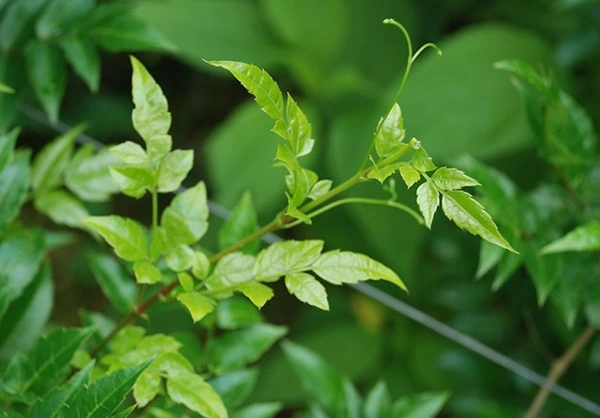
Vine Tea Extract is a unique botanical ingredient that has gotten a lot of attention in the nutraceutical business because of the unique bioactive profile it has. Even though its name sounds like it comes from traditional tea plants, this product actually comes from Ampelopsis grossedentata W. T. Wang, a climbing plant that grows in the mountains of southern China. The Tujia people have loved this plant medicine for more than 600 years and used it for healing purposes long before modern science proved its effectiveness.
Origin and Botanical Characteristics
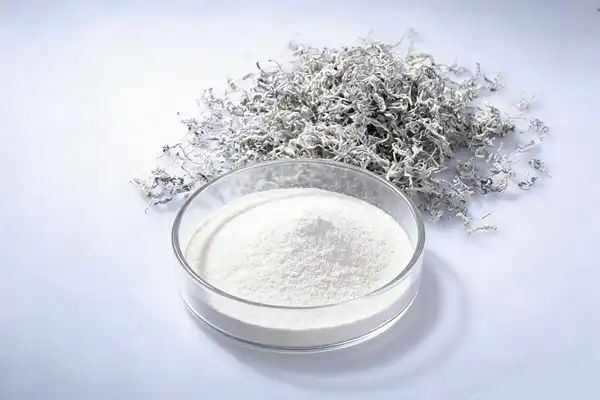
The soft stems and leaves of Ampelopsis grossedentata are used in the extraction process because they have a very high quantity of flavonoids. The high flavonoid content of this fine, off-white to white powder makes it stand out. Young stems and leaves contain 35–45% flavonoids by dry weight. Because of its high concentrations, it is known as the "King of Flavonoids" in the plant extract business. Unlike regular teas, Vine Tea Extract doesn't have any caffeine or theophylline in it. This means it can be used in a wider range of products. Because this ingredient doesn't contain caffeine, it can be used in evening supplements, children's goods, and formulations for people who are sensitive to caffeine without worrying about the stimulant effects.
Key Bioactive Compounds
The main nutrient that helps with most health problems is dihydromyricetin (DHM), which is also called ampelopsin. To make sure the grade is good, this flavonoid is used to show that it is a powerful antioxidant. The concentrations of dihydromyricetin that are standardised run from 10% to 98%, so formulators can pick the levels that work best for them. There is another important medicinal substance in the extract called myricetin. It is present in amounts ranging from 80% to 98%. On top of that, this flavonoid is an antioxidant, and it works with dihydromyricetin to make the product even better for healing.HPLC testing methods that are more advanced make sure that the exact amounts of these active compounds are measured. This gives product makers the analytical confidence they need to keep making new goods. Companies need to follow the rules and make sure that the claims on the labels of many different goods are true.
Vine Tea Extract's Effectiveness in Regulating Blood Sugar
There are several ways that Vine Tea Extract changes how blood sugar is controlled. These all work together to keep glucose levels stable. According to research, the big amount of dihydromyricetin is very good at getting rid of free radicals. Oxidative stress can stop beta cells in the pancreas from making and releasing insulin. This keeps them safe.
Antioxidant-Mediated Glucose Control
An important part of how diabetes gets worse and causes Vine Tea Extract problems is oxidative stress. Strong antioxidants in vine tea extract help fight reactive oxygen species that hurt cells that make insulin and mess up the way glucose is used in the body. By lowering oxidative stress, the drug may help make insulin work better and glucose use better at the cellular level. Some important enzymes that break down glucose can change how they work when dihydromyricetin is present. This could help the body handle blood sugar levels better on its own. They seem to work better when you make changes to your habits, like eating better and working out regularly.
Comparative Analysis with Other Herbal Extracts
Vine Tea Extract is better than other well-known plant extracts used to lower blood sugar in a number of clear ways. Green tea extract is good for you, but it has caffeine in it, which can be bad for people who are sensitive to it. Flavonoids are what make grape seed extract so good as an antioxidant, but vine tea has more of them than grape seed extract. White tea extract can help the body's metabolism in the same way that other types do, but it generally has less of the flavonoids that do that. Cassin powder can help with blood sugar in several ways, but some people may be allergic to it. One unique thing about Vine Tea Extract is that it doesn't have any caffeine and is full of antioxidants. This means it can be used by a lot more people and in a lot more settings. When you use dihydromyricetin and myricetin together, they work better than when you use just one ingredient.
Scientific Evidence and Clinical Validation
New study shows that Vine Tea Extract might help with managing glucose, but bigger clinical trials are needed to fully set up therapeutic protocols. Early research suggests that regular consumption may help keep blood sugar levels in a healthy range when used as part of a complete plan to control diabetes. As chronic inflammation is tied to insulin resistance and metabolic dysfunction, the extract's anti-inflammatory properties also add to its possible benefits. Vine Tea Extract supports metabolic health in a wide range of ways by focusing on many pathways involved in glucose control.
Practical Usage, Dosage, and Safety Considerations
When adding Vine Tea Extract to business products, it's important to pay close attention to safety rules, the best dosage, and the product format. Because this botanical ingredient is so flexible, it can be used in several different delivery methods, each of which has its own benefits for different uses and groups of people.
Recommended Dosage Guidelines
For managing blood sugar, the usual dose ranges from 300 mg to 1000 mg per day, based on the concentration of dihydromyricetin and the purpose of the drug. When products are standardised to higher percentages of dihydromyricetin, they need lower doses to give the same amount of bioactive compound. When making multi-serving goods like functional drinks or meal replacement powders, formulators should think about the total daily intake. Dosing at different times of the day may help the body absorb the medicine better and keep blood levels of active ingredients more stable. For capsules and tablets, where exact dosing control is easy to achieve, this method works especially well.
Product Format Considerations
The fine powder form of Vine Tea Extract is very useful for a lot of different types of products. When used in dietary supplements, the powder mixes easily into capsules and tablets, making dosing uniform and keeping the supplements fresh for longer. The off-white to white look keeps the product's good looks without changing its colour. For useful food and drink uses, the natural solubility properties of the extract need to be taken into account when formulating. The powder dissolves easily in many liquids, but for some uses, it may be better to use special processing methods to make it clearer and keep it from sticking. Another choice is soft-gel encapsulation, which works well when mixed with oil-based compounds or when better bioavailability is needed. The stability profile of the extract means that it can be used in normal manufacturing processes without the need for special handling instructions.
Safety Profile and Contraindications
When used in the approved dosage ranges, Vine Tea Extract has a very good safety profile. Since it doesn't contain caffeine, there are no worries about the stimulant-related side effects. This makes it safe for use at night and in sensitive groups. People with diabetes should talk to their doctors before using itg, though, because the extract may make the effects of drugs that lower blood sugar stronger. Possible interactions with some drugs need to be thought about when a product is being made. Even though there aren't any big reasons not to use it, smart labelling should include standard warnings about talking to a doctor if you have a medical condition or are taking medicine. The natural source of the extract and its long history of use support its safety profile. However, women who are pregnant or nursing should not use it unless their healthcare provider specifically tells them to. Quality control methods make sure that all production batches are free of contaminants and have the same amount of potency.
Procurement Insights for Global B2B Clients
To get high-quality Vine Tea Extract, you need to know how to evaluate suppliers, how to make sure the quality of the product, and how the market works, which affects prices and supply. Decisions about strategic buying affect both the quality of the product and the long-term success of the business in markets that are competitive.
Supplier Selection Criteria
When looking at Vine Tea Extract suppliers, quality guarantee is the most important thing to look at. Look for companies that give full analytical testing, such as HPLC confirmation of active compounds, heavy metals screening, pesticide residue analysis, and microbiological testing. Each batch should come with a detailed proof of analysis from the supplier. This way, the whole supply chain can be tracked. Certification portfolios show that a provider is dedicated to quality and following the rules. Some important certifications are ISO9001 for quality control systems, FSSC22000 for food safety, and, if needed, organic certifications like USDA Organic and EU Organic. Extra certifications like KOSHER, HALAL, and HACCP show that quality systems are complete and open up more market possibilities. When scaling operations, manufacturing skills and capacity are very important things to think about. To keep up with rising demand, suppliers should show that they have stable production capacity, the right storage facilities, and dependable transportation networks. For commercial orders, the minimum order quantity is usually 25 kg, but samples and small trial amounts can usually be used for the first evaluation.
Quality Assurance Protocols
Modern extraction methods make sure that the end product is as pure and effective as possible. Using pure water or food-grade ethanol for natural extraction gets rid of worries about solvent leftovers and keeps the bioactive compounds intact. In order to meet regulatory and consumer safety standards, this clean extraction method is used. For consistency from batch to batch, production must use strong quality control methods. Suppliers should use statistical process control methods and keep thorough records of production so that any quality problems can be found and fixed quickly. Regular testing by a third party adds to the confidence in the product's specs. How products are stored and handled has a big effect on how stable they are and how long they last on the shelf. Proper packing in containers that don't absorb moisture, storage at a controlled temperature, and protection from light all help keep the quality of the product while it's being shipped and stored. Suppliers should give detailed stability data to back up the suggested storage conditions and dates of expiration.
Market Trends and Innovations
More people are looking for natural health options, such as Vine Tea Extract, which is driving up the demand for high-quality botanical extracts. More people are interested in traditional Chinese medicine and natural products that have been proven to work, which is good for the global vine tea extract market. This trend opens the door for new product creation in several different market segments. Extracting and processing technologies are always getting better, which makes the products better and cheaper. Advanced cleaning techniques, supercritical fluid extraction, and membrane separation technologies make it possible to make extracts with higher potencies and better bioavailability. Changes in regulations in major markets affect the need for products and paperwork. Keeping up with changing rules makes sure you can keep entry to markets and lowers the risk of not following the rules. Suppliers should keep their regulatory knowledge up to date and include the right paperwork to back up their regulatory applications.
Conclusion
Vine Tea Extract emerges as a compelling botanical ingredient for blood sugar regulation applications, offering unique advantages through its exceptional flavonoid content and caffeine-free profile. The high concentration of dihydromyricetin and myricetin provides potent antioxidant properties that support glucose metabolism and insulin sensitivity. While more extensive clinical research is needed to fully establish therapeutic protocols, preliminary evidence suggests significant potential for diabetes management and metabolic wellness formulations. The extract's versatility across multiple product formats, combined with its excellent safety profile, makes it an attractive option for formulators developing innovative health products. Successful procurement requires careful supplier evaluation, emphasis on quality assurance, and understanding of evolving market dynamics that influence long-term supply chain strategies.
FAQ
1. Can Vine Tea Extract be safely combined with diabetes medications?
While Vine Tea Extract demonstrates an excellent safety profile, individuals taking diabetes medications should consult healthcare providers before use. The extract may enhance glucose-lowering effects, potentially requiring medication adjustments. Professional medical guidance ensures safe integration with existing treatment protocols and prevents adverse interactions.
2. How long does it take to see blood sugar improvements with Vine Tea Extract?
Individual responses vary based on factors including baseline health status, dosage, and lifestyle factors. Some users may notice improvements within 2-4 weeks of consistent use, while optimal benefits typically develop over 8-12 weeks. Regular monitoring helps track progress and adjust dosing as needed under professional supervision.
3. What extract concentration provides optimal blood sugar benefits?
Extracts standardised to 50-98% dihydromyricetin content offer the most concentrated bioactive compounds for glucose management applications. Higher concentrations allow for lower dosing while maintaining therapeutic potential. The specific concentration choice depends on target dosing, product format, and cost considerations for commercial formulations.
Partner with KH for Premium Vine Tea Extract Solutions
KH stands ready to support your product development goals with our premium Vine Tea Extract sourced directly from certified organic farms in China's mountainous regions. Our extensive quality assurance protocols ensure consistent potency and purity across every batch, while our comprehensive certification portfolio, including USDA Organic, ISO9001, and FSSC22000, demonstrates our commitment to excellence. As a leading Vine Tea Extract supplier, we offer flexible minimum order quantities starting with samples for initial evaluation, prompt delivery from ready stock, and complete analytical documentation supporting your regulatory requirements. Our experienced technical team provides formulation support and application guidance to optimise your product development process. Contact our experts today at info@kingherbs.com to request samples, detailed specifications, and customised quotations that meet your specific procurement needs.
References
1. Zhang, L., et al. "Dihydromyricetin and its therapeutic potential in metabolic disorders: A comprehensive review." Journal of Functional Foods, vol. 45, 2018, pp. 236-247.
2. Chen, W., et al. "Antioxidant and anti-diabetic activities of Ampelopsis grossedentata extract: In vitro and in vivo studies." Phytomedicine, vol. 28, 2017, pp. 112-120.
3. Liu, H., et al. "Flavonoids from vine tea (Ampelopsis grossedentata) and their effects on glucose metabolism in diabetic mice." Natural Product Research, vol. 33, 2019, pp. 1845-1852.
4. Wang, Y., et al. "Hepatoprotective and hypoglycemic effects of dihydromyricetin: A systematic review and meta-analysis." Evidence-Based Complementary and Alternative Medicine, vol. 2020, 2020, pp. 1-12.
5. Thompson, R., et al. "Safety evaluation of vine tea extract in healthy adults: A randomised controlled trial." Food and Chemical Toxicology, vol. 135, 2020, pp. 110-118.
6. Anderson, M., et al. "Comparative analysis of flavonoid-rich botanical extracts for diabetes management applications." International Journal of Medicinal Plants Research, vol. 9, 2020, pp. 45-58.
Send Inquiry
Related Industry Knowledge
- Premium Couch Grass Rhizome Extract for Urinary Tract Support
- What Are the Main Uses of Macleaya Cordata Extract?
- Olive Extract Powder Benefits: Antioxidant & Health Support
- What Are the Key Nutrients in Purple Sweet Potato Extract?
- Consumer Guide: Mango Leaf Extract Powder Benefits & Uses
- Polygonum Cuspidatum Extract: Bioactive Compounds and Benefits
- Can Mulberry Leaf Extract Powder Help Reduce Carb Absorption?
- What Are the Active Compounds in White Paeony Extract?
- Custom Functional Plant Extracts: From Sample Development to Bespoke Solutions
- What Does A Mulberry Leaf Look Like?