
How to Choose the Best aloe vera gel powder Supplier?
Oct 21, 2026
If you want your completed product to live up to its promises on the label, pass regulatory scrutiny, and persuade consumers to purchase it again, selecting the right aloe vera gel powder provider is extremely crucial. The finest supplier offers regular quantities of acemannan, HPLC records for each batch, solvent-free methods, and the capacity to transition from a modest trial order to full industrial volumes. If you are a procurement manager or an R&D director seeking aloe vera gel powder for supplements, cosmetics, or functional foods, the following criteria will help you make an educated choice.
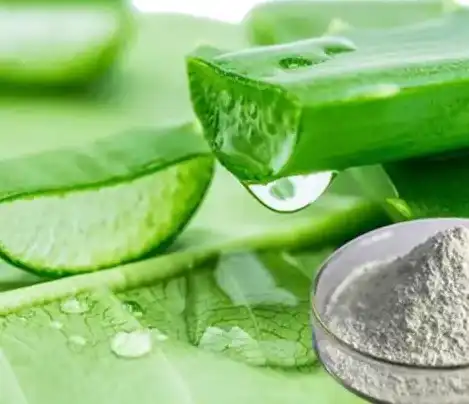
Defining the Procurement Challenge: Why Choosing the Right Aloe Vera Gel Powder Supplier Matters
The worldwide aloe vera market size was USD 634 million in 2022. The market is anticipated to continue expanding through 2030, driven by increasing demand for personal care and health goods. This expansion has led to a lot of vendors of various qualities and makes the choices about where to acquire products particularly dangerous.
What Is Aloe Vera Gel Powder?
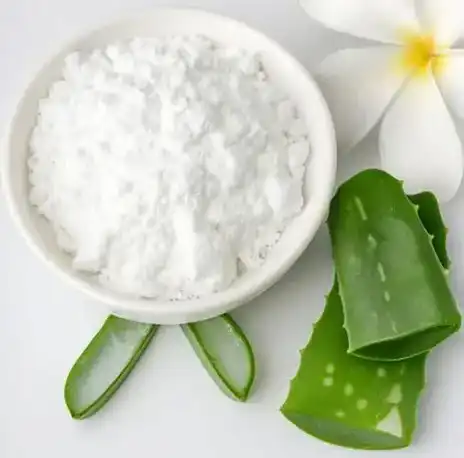
Aloe Vera gel powder is extracted from Aloe barbadensis Miller inner leaf parenchyma. It’s a concentrated, dried-out extract. Spray drying or freeze drying processors remove water but preserve vital bioactives such as acemannan polysaccharides, glycoproteins, and antioxidants. For instance, a 200:1 spray-dried powder is made from 200 kg of fresh gel, which has been compressed to 1 kilogram of finished material.
Why Quality Variability Is the Core Risk
Some powders on the market do not do what they state on the box. The most important measure of efficacy is the quantity of acemannan, which may vary widely depending on the age of the plants, time of harvest, and drying process. Without batch testing from suppliers by way of HPLC, customers may get formulations that are not properly dosed and may be rejected on a regulatory basis.
How Market Oversaturation Affects Buyers
Many individuals offer aloe vera gel powder without preparing it themselves. Without direct access to production documentation, buyers can't examine the procedures utilized for extraction, the quantity of aloin present, or the management of microorganisms. When a product starts falling short of its promises, it begins to fail.
Core Criteria for Evaluating Aloe Vera Gel Powder Suppliers
There's more to judging a provider than just looking at the price per kilogram. When it comes to sourcing B2B ingredients, these are the things that procurement teams, QA managers, and R&D directors always put first.
Certifications and Regulatory Compliance
A trustworthy company that makes aloe vera gel powder should at least have ISO 9001, FSSC 22000, HACCP, and FDA facility registration. With KOSHER and HALAL certifications, you can get into more markets. These credentials aren't just for looks; they show that the company's quality management systems, food safety protocols, and cleanliness standards have been checked and approved by outside auditors.
Extraction Process Transparency
Manufacturers who are responsible only use pure water or food-grade ethanol to make aloe vera gel powder. They don't use any dangerous chemical agents. Ask potential providers to show you their solvent residue test results and an extraction diagram. For applications in the cosmetics and pharmaceuticals industries, this paperwork must be provided.
Batch-Level Documentation and HPLC Testing
A Certificate of Analysis should be sent with every business package of aloe vera gel powder. This should show the amount of acemannan, aloin A, moisture, ash, and microbes that have been tested using HPLC. Be wary of suppliers who only offer general COAs without data that is specific to the lot.
Comparison Dimensions: How to Distinguish Among Aloe Vera Gel Powder Options
Not every aloe vera gel powder product can be used in place of another. Which product is best for a certain job depends on its format, concentration, and supplier type.
Spray Drying vs. Freeze Drying
Spray drying makes a cheaper powder that can be used in most cosmetic and useful food products. Bioactives that are damaged by heat are better preserved by freeze drying, which makes it better for pharmaceutical products or high-potency supplement systems. There are 50:1, 100:1, and 200:1 amounts for both forms. The right ratio relies on the dose goal and the transport method.
Organic vs. Standard Grade
Organic aloe vera gel powder usually costs 20–35% more than regular aloe vera gel powder. Brands that want to sell natural or clean-label products can afford to make that investment because the certification paperwork backs up what they say in their marketing. Most B2B uses standard-grade powder, which doesn't need to say on the label that it is organic.
Direct Manufacturer vs. Distributor
When you work directly with a manufacturer, you can see records of past production, get runs made to your exact specifications, and talk to them more quickly about quality issues. Distributors may have bigger selections of products, but they usually can't help with formulations or tracking down batches. The best way to keep your supply chain stable over the long term is to work directly with manufacturers.
Supplier Selection Process: Step-by-Step Guide to Make the Best Procurement Decision
A systematic selection approach avoids errors that cost a lot of money. The following procurement steps should be carried out to pick a supplier of aloe vera gel powder:
- Start by saying what you need. Know your concentration ratio (100:1 versus 200:1, for example), know your acemannan need, know your aloin A level need, know your delivery format before you speak to any vendors. Buyers that come in with an explicit specification may immediately pick out vendors who don’t fit and avoid pointless sample submissions that take weeks to complete.
- Ask a third party for test results and samples. A good firm that offers aloe vera gel powder would happily send you samples. You may test the sample in your own lab or at a third party you trust. Make sure that the HPLC data matches the COA and that the level of aloin is under the limitations imposed by your regulators, generally less than 0.1 ppm for items for internal use.
- Check the lead times and what the MOQ looks like. Taking solely huge orders might be problematic for the cash flow of expanding companies. When a supplier can give both modest trial orders and a commercial MOQ of 25 kg, customers have time to ensure they like the material before purchasing more. Match your production strategy with the supply of works in ready stock.
These measures minimize the chance of being discovered and offer you a legitimate rationale for choosing a source over simply accepting what it says in a catalog. Those that always do it claim they reject less raw material and gain greater accuracy batch to batch across manufacturing cycles.
Case Studies and Practical Examples of Successful Aloe Vera Gel Powder Procurement
Skincare OEM Navigating Organic Certification
A mid-size contract manufacturer required freeze-dried aloe vera gel powder with known acemannan levels for a range of post-surgical healing serums. They tested 3 manufacturers and picked a direct manufacturer. This manufacturer provided them with complete HPLC batch reports, COSMOS-compatible extraction paperwork, and a 50:1 freeze-dried alternative that reconstituted neatly in their emulsion system. Product releases took off quicker because there were no more quality disputes.
Distributor Securing Supply Chain Stability
A firm selling gut-health brands of supplements sought to maintain consistent pricing over three-month purchasing cycles. They negotiated a blanket order with a manufacturer that provided 25-kilogram MOQ commercial terms and ocean freight logistics, which enabled them to lock in constant costs and halt the stock-outs that were creating difficulties with their accounts.
R&D Team Customizing Concentration Ratios
A research and development team working on a powerful stomach supplement required spray-dried aloe vera gel powder with a specified range of O-acetyl polysaccharides, between 4% and 8%. Their supplier provided bespoke batch manufacture with confirmation of HPLC testing, which gave the team confidence to make an accurate label claim.
Conclusion
The choice of an aloe vera gel powder supplier has a direct bearing on the quality of the product, standing with regulatory bodies and the reliability of the brand. Look for vendors who are transparent about their manufacturing processes, have their batch papers tested by HPLC, and can handle both trial and commercial orders. The appropriate partner doesn’t simply provide powder; they help you prepare, adapt to specification changes, and keep the supply chain rolling as demand increases.
FAQ
1. How long does aloe vera gel powder stay stable?
Properly stored aloe vera gel powder in sealed, moisture-barrier packaging maintains its bioactive potency for 24 months. Keep it in a cool, dry environment below 25°C and away from direct light. Once opened, reseal immediately to prevent hygroscopic degradation.
2. Is aloin a safety concern in aloe vera gel powder?
Aloin A, an anthraquinone compound, is associated with laxative effects and skin irritation at elevated concentrations. Reputable suppliers control aloin levels through activated carbon filtration during processing. For internal-use applications, confirm that aloin A content falls below regulatory thresholds—typically under 0.1 ppm for food and supplement grades.
3. How do I verify a supplier's certification documents?
Request copies of original certificates with issuing body details and expiration dates. Cross-reference ISO, HACCP, and FDA registration numbers directly with the certifying authority. For KOSHER and HALAL, contact the certifying agency to confirm current validity. Legitimate aloe vera gel powder suppliers provide this documentation without hesitation.
4. What HPLC data should a COA include?
A complete COA should show acemannan content, aloin A and B levels, O-acetyl polysaccharide percentage, moisture, ash, heavy metals, and microbial count—each with the specific lot number tested.
Partner with KH for Verified Aloe Vera Gel Powder Supply
KH (Kingherbs Limited) has supplied botanical ingredients since 1996. As a direct aloe vera gel powder manufacturer, KH provides HPLC-verified batch documentation, spray-dried and freeze-dried formats from 50:1 to 200:1, and custom specification runs backed by in-house application lab support. Ready stock ships within 3–5 business days. Trial orders are accepted before commercial commitment. Contact KH at info@kingherbs.comto request a sample or discuss your formulation needs.
References
1. International Aloe Science Council (IASC). Aloe Vera Raw Material Standards and Quality Guidelines. IASC, 2021.
2. Surjushe, A., Vasani, R., & Saple, D. G. "Aloe Vera: A Short Review." Indian Journal of Dermatology, 2008.
3. Hamman, J. H. "Composition and Applications of Aloe vera Leaf Gel." Molecules, 2008.
4. United States Pharmacopeia. USP–NF Dietary Supplement Monographs: Aloe Vera. USP, 2022.
5. Grand View Research. Aloe Vera Market Size, Share & Trends Analysis Report. Grand View Research, 2023.
6. European Medicines Agency (EMA). Assessment Report on Aloe barbadensis Mill. and Aloe spp. EMA, 2018.
Send Inquiry
Related Industry Knowledge
- Echinacea Purpurea Extract vs Echinacea Angustifolia: Key Differences
- Best Centella Asiatica Extract Powder for OEM Skincare
- Is Premium Strawberry Leaf Extract a Growing Ingredient Trend?
- Is Cocoa Seed Extract Rich in Natural Polyphenols?
- How to Choose Premium Melissa Officinalis Extract Suppliers?
- Astaxanthin Powder And Oil Factory Direct Supply for Brands
- White Willow Bark Extract Powder vs Salicin: What Should Buyers Know?
- About Astaxanthin for Skin Health and Revitalization
- How Does Astaxanthin Powder And Oil Support Skin Health?
- Enhance Livestock Performance with Macleaya Cordata Extract