_1762508637542.webp)
Is Premium Strawberry Leaf Extract a Growing Ingredient Trend?
Aug 18, 2026
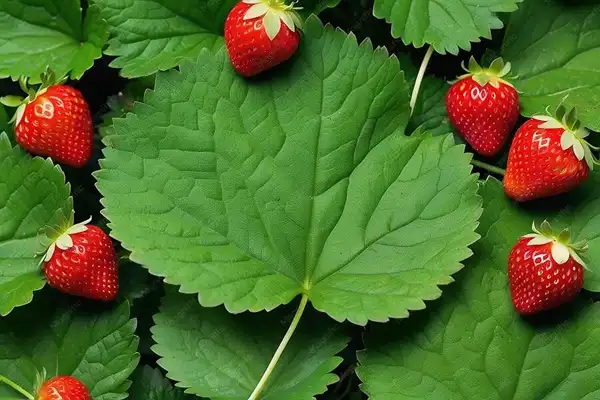
Premium strawberry leaf extract is rapidly gaining traction as a transformative botanical ingredient in global wellness markets. Driven by consumer demand for natural cognitive enhancers and stress-relief solutions, this upcycled ingredient leverages bioactive compounds like ellagitannins and polyphenols to deliver neuroprotective benefits. Unlike conventional extracts, premium-grade variants from cultivated Fragaria × ananassa leaves offer standardized potency, clean-label compliance, and clinically validated efficacy, positioning them as a strategic choice for innovative product developers and procurement managers.
Understanding Premium Strawberry Leaf Extract: What Sets It Apart?
Advanced Extraction Technology and Bioactive Preservation
Premium Strawberry Leaf Extract stands out because it uses advanced extraction methods that keep as many of the beneficial compounds as possible. Unlike simple processing methods, advanced methods like ethanol-water extraction, macroporous resin purification, and spray drying keep sensitive phytochemicals while getting rid of organic solvent residues. This green extraction method makes sure that clean labels are followed and that consistency is stable from batch to batch, which are important factors for quality assurance teams looking at raw material suppliers. The choice of where to get the raw materials is also very important. Premium extracts use farmed Fragaria ananassa strawberry leaves instead of wild-collected types. This makes sure that the amounts of active tannins and polyphenols are always the same. Manufacturers can get better raw materials with less change in active ingredient content by carefully controlling growing factors like the type of dirt used, when the crops are harvested, and which varieties are grown.
Standardized Bioactive Profiles and Clinical Validation
The regulated bioactive makeup of Premium Strawberry Leaf Extract is what makes it stand out. Some important functional compounds are quercetin, ellagic acid, gallic acid, ellagitannins, and total polyphenols. Each of these helps the body in its own way. Clinical research shows that these compounds protect neurons, reduce inflammation, and protect against free radicals by changing the gut-brain axis. This effectively treats chronic stress, brain fog, and memory loss. According to normal business requirements, the amount of total polyphenols should be 10% or 20%, as measured by the Folin-Ciocalteu method, and the amount of ellagitannin should be 5% or 8%, as determined by HPLC analysis. This openness about measurement lets people who make products make formulations with known levels of effectiveness, which backs up claims based on human clinical studies. Full HPLC analysis reports are sent with every batch, which gives procurement managers the proof they need for regulatory applications and quality checks.
Health Benefits and Application Versatility
Premium Strawberry Leaf Extract has a wide range of beneficial compounds that can be used for many different purposes. Because it is an antioxidant, it helps the immune system work and protects cells from oxidative stress. This makes it useful for anti-aging vitamins and skin care products. The neuroprotective properties make cognitive health products that aim to improve memory and mental clarity even better. Anti-inflammatory effects help stress management products and healthy drinks made for health-conscious people. This flexibility applies to a wide range of product forms, such as pills, tablets, powdered drink mixes, and skin care products that are applied directly to the skin. The extract's good solubility profile and bland taste make formulation more flexible. This means that brands can easily add it to their current product lines without changing the taste or stability.
Premium vs Regular Strawberry Leaf Extract: Making the Right Choice
Quality Indicators and Potency Comparisons
To tell the difference between premium and regular strawberry leaf extract, you need to look at a number of quality factors. Organic certification means that the farming methods used do not use synthetic pesticides and herbicides. This lowers the risk of contamination and fits with the natural product positioning. Premium extracts go through stricter quality control procedures, such as ICP-MS heavy metal screening (Lead <3.0ppm, Arsenic <1.0ppm, Mercury <0.1ppm) and GC-MS/LC-MS herbicide residue tests. Standardized active marker concentrations show differences in potency. Because the quality of the raw materials and the extraction methods used can vary, regular extracts may not always have the same amount of ellagitannins and polyphenols. Premium versions promise minimum threshold amounts that have been checked using approved analytical methods. This makes sure that formulators can accurately reach goal dosage levels. This consistency has a direct effect on how well the product works and helps make clinical outcomes repeatable. Another important difference is microbiological control. Premium providers make sure that the Total Plate Count is less than 1,000 cfu/g, that Yeast and Mold are less than 100 cfu/g, and that Salmonella and E. coli according to USP rules. These strict requirements protect the integrity of the finished product and lower the risk of recall. This is especially important for dietary supplements and functional foods that are meant for sensitive groups of people.
Product Format Considerations
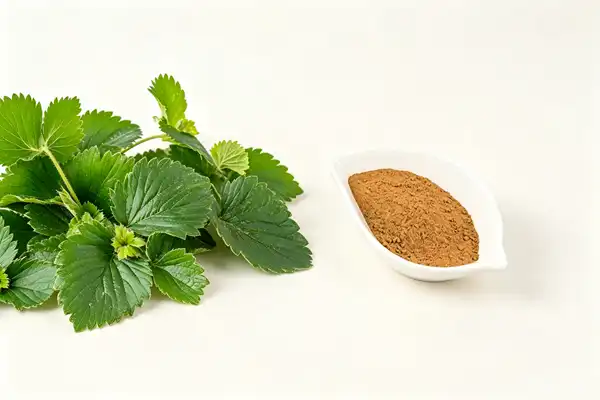
Which powder or liquid extract format to use varies on the needs of the application and the manufacturing skills. Powder extracts are great for encapsulation, tablet compression, and dry mix beverage applications because they last longer on the shelf, are easier to ship, and always give the right amount. Their lower moisture content (Loss on Drying <5.0%) stops biological breakdown and bacterial growth while they are being stored. The way powder is handled and how bioavailable it is are both affected by the particle size distribution. Premium standards usually need NLT 95% to pass through 80-mesh sieves, which makes sure that mixtures of multiple ingredients are evenly mixed and that water-based systems dissolve at the best rate. Measurements of bulk density help set up capsule filling equipment and guess how much of the final product will be needed, which makes manufacturing more efficient.
Comparative Analysis with Alternative Antioxidant Ingredients
When comparing strawberry leaf extract to well-known antioxidants like green tea extract, clear benefits become apparent. Both have polyphenols, but the ellagitannin profile in strawberry leaf extract protects neurons in a way that other polyphenols don't by changing the gut bacteria. This makes it possible for brands to market their goods with new claims about how well they work that aren't possible with regular antioxidant sources. Bioavailability studies show that urolithins are made from ellagitannins by bacteria in the gut. These metabolites have better tissue penetration and longer-lasting effects on the body than catechins from green tea. New clinical evidence supports the idea that this metabolic pathway improves cognitive benefits by keeping neural tissues from becoming inflamed for a long time. When looking at ingredient lists, people who make products and want to set them apart from the competition should think about these structural differences.
Procurement Insights: How to Source Premium Strawberry Leaf Extract for Your Business
Supplier Evaluation and Qualification Criteria
To choose the right provider, you need to carefully look at their skills, certifications, and past work experience. Purchasing managers should give more weight to producers whose quality management systems are well-documented, such as those with ISO certifications and GMP compliance records. Audit reports that show adherence to pharmaceutical-grade standards give customers confidence in the quality of the manufacturing process and the steps taken to prevent contamination. It is just as important for suppliers to be open about where they get their raw materials. Traceability paperwork should include information about where the crops were grown, when they were picked, and how they were handled afterward. This way, organic claims and environmentally friendly practices can be checked. Suppliers who control the whole process, from choosing the seeds to the final extraction, have more consistent quality than brokers who rely on a number of upstream sources. The ability to provide technical help is what sets strategic partners apart from commodity providers. Having access to application laboratories for help with regulatory documentation, formulation optimization, and stability testing adds a lot of value on top of providing raw materials. This all-around method is shown by companies like Kingherbs Limited, which gives Premium Strawberry Leaf Extract with HPLC component profiles with every batch, helps with custom specification development, and fixes formulation problems.
Bulk Purchasing Strategies and Cost Optimization
Cost-effectiveness and supply reliability are balanced in good procurement by making smart volume promises and building relationships with suppliers. When you buy in bulk, you usually get better prices based on the kilogram, and the prices go down even more as you buy more. Understanding how prices are set for different grades helps buyers make the best specification choices based on their budget and application needs. Managing lead times means working together with production plans and planning for safety stock. When premium providers keep inventory buffers for standard specs, they can quickly fill routine orders within 3–5 business days, which lowers the risk of disruption. Custom specifications mean longer lead times because of the protocols for quality control and scheduling extraction batches, which usually need to be planned ahead of time. Logistics costs and how well things are handled are affected by how the packaging is set up. Standard 25 kg fiber drums work well for most manufacturing operations. For larger orders, bulk bags or tanker shipments become more cost-effective. Talking about different packaging choices with suppliers during talks can save money and make the whole supply chain run more smoothly.
Quality Assurance Protocols and Risk Mitigation
Strong inspection methods for arriving materials protect the integrity of the finished product and the brand's image. QA protocols should be based on four important levels of verification: measuring active markers using HPLC to make sure they meet the requirements of the Certificate of Analysis; checking for heavy metals and pesticide residues as contaminants; microbiological testing according to USP standards; and physical analysis that includes measuring particle size distribution and bulk density. Setting up approved vendor lists with suppliers that have already been checked out makes purchasing easier while still meeting quality standards. Quality agreements are always being followed by regular checks of suppliers, which can be done in person or through third-party certification proof. Using two different sources for important ingredients lowers the risk of supply disruptions without changing the quality standards. If you ask to keep samples from each lot you receive, you can do an analysis of the past if quality problems arise during the manufacturing process or after the product has been sold. Coordinating the time it takes to keep samples with the shelf life of the finished product makes sure that research materials are always available throughout the duration of the product.
The Growing Trend: Why Premium Strawberry Leaf Extract is Gaining Momentum in Industry
Market Drivers and Consumer Preferences
As the population ages, stress levels rise at work, and more people learn how important brain health is, the markets for supplements that support cognitive health and stress management are growing at a speed that has never been seen before. Industry studies show that the global market for cognitive health ingredients will grow a lot until 2030. This is because more and more people are looking for natural alternatives to synthetic nootropics and pharmaceutical interventions. Premium Strawberry Leaf Extract is a great example of the clean-label trend that emphasizes natural ingredients that have been processed as little as possible and come from clear sources. As a recycled farm waste product, it appeals to brands that care about the environment and want to use ESG-compliant ingredients. This dual positioning—clinically proven effectiveness along with environmental responsibility—makes for compelling marketing stories that set products apart in wellness categories that are already very crowded. Moving away from reactive treatment models and toward preventative ones is good for ingredients that help keep your brain healthy and help you deal with stress. There is strong clinical evidence that strawberry leaf extract can help improve memory, mental clarity, and the way the body responds to stress. This places it firmly in the preventative wellness paradigm.
Innovation Opportunities and Product Differentiation
Product makers are using the unique bioactive profile of strawberry leaf extract to make new products that meet unmet market needs. Combining ellagitannins with other ingredients that work well together, like B-vitamins and omega-3 fatty acids, can help your brain health more than using just one ingredient. Combining the extract with adaptogens like ashwagandha in stress relief products helps the HPA system in a number of different ways. Applications that use functional beverages show a lot of potential for growth. Because the extract dissolves well and doesn't have a strong flavor, it can be added to ready-to-drink drinks, powdered drink mixes, and improved water products. Younger people who want practical health solutions that fit into their daily lives instead of pill-based supplements can use these easy-to-use delivery formats. The antioxidant and anti-inflammatory qualities of the extract are used in cosmetics to make skin care products that fight obvious signs of aging and protect against environmental damage. Along with its practical benefits, the natural pink color looks nice and supports the clean beauty positioning with well-known botanical ingredients.
Regulatory Landscape and Market Access Considerations
Knowing the rules that apply in different target markets is important for making sure that products are made legally and that entering new markets goes smoothly. In the US, DSHEA rules say that strawberry leaf extract is a dietary ingredient when it is used in supplements, as long as the factories that make the supplements follow GMP rules. Suppliers who make products that meet USP and EP standards make regulatory submissions easier by using standard specifications and tested analytical methods. Novel Foods regulations and specific member state botanical ingredient lists put extra rules on European markets. Working with providers who know how to deal with foreign regulations can help brands avoid delays and changes that cost a lot of money. The approval process is sped up by documentation packages that include safety reviews, proof of traditional use, and toxicological data. In the future, new rules might make it harder for plant ingredients to be identified and their strength to be checked. This could make premium extracts with full analytical characterization more desirable. As regulatory inspection grows, brands will be better off if they source from providers that offer HPLC fingerprinting and marker chemical quantification.
Conclusion
Premium Strawberry Leaf Extract is a strategic ingredient for forward-thinking brands because it meets the needs of the market, is scientifically proven, and is sourced in a way that doesn't harm the environment. Its clean label, standardized bioactive profile, and clinical evidence for cognitive and stress-relieving benefits all meet important procurement priorities for quality, effectiveness, and differentiation. Nutraceuticals, functional foods, and cosmetics are all picking up speed, which is a sign that more and more people want natural, science-based health solutions. To successfully add this ingredient, you need to carefully choose your suppliers, paying special attention to their quality control, technical support, and the reliability of their supply chains. As regulations change and competition heats up, early adoption gives you a competitive edge by giving you established supply relationships and formulation expertise.
FAQ
What is the recommended dosage for strawberry leaf extract in supplements?
In clinical tests that showed cognitive effects, daily doses of 200 mg to 500 mg of standardized extract, usually standardized to 5-8% ellagitannins, were used. Dosing should be based on the concentrations of bioactive markers and the health claims that are being made. Technical experts should help with the formulation to make sure that it works while still staying safe. Talking to legal experts can help you figure out the right dose for your target group and the needs of the market.
Are there any contraindications or side effects associated with this ingredient?
In clinical studies, strawberry leaf extract is safe, with few side effects seen at the suggested doses. People who are allergic to strawberries or plants in the Rosaceae family should be careful. If a woman is pregnant or nursing, she should talk to her doctor before using any plant ingredient. Responsible product labeling and consumer guidance are supported by suppliers who provide detailed safety documentation.
How does strawberry leaf extract compare to other cognitive health ingredients?
The special ellagitannin profile has unique benefits that come from changing the gut-brain axis and making urolithin metabolites. These metabolites protect neurons in a way that other antioxidants can't. This compatibility lets scientists make formulations that work better by mixing strawberry leaf extract with well-known ingredients like omega-3s, phosphatidylserine, or ginkgo biloba. These formulations can help the brain in many ways at once, working on many pathways at the same time.
Partner with KH for Your Premium Strawberry Leaf Extract Supply Needs
Since 1996, KH (Kingherbs Limited) has been making botanical ingredients and has become a trusted supplier of strawberry leaf extract to the nutraceutical, functional food, and cosmetics industries around the world. Our high-quality extracts meet standard requirements for Total Polyphenols (10% to 20%) and Ellagitannins (5% to 8%), which are confirmed by a full HPLC study of each batch. We keep an eye on quality from choosing the seeds to the final extraction. We use green technology to get rid of any organic solvent leftovers, which makes sure that the product meets clean label requirements and stays consistent. As part of our vertically integrated approach, we work with top cultivation bases to make sure that the varieties of Fragaria ananassa we sell are real and full of active compounds. We keep samples in stock so that they can be sent out quickly (within 3–5 business days), and our application laboratory can help with the development of custom formulations. Our team can help you with more than just supplying ingredients. Whether you need USP/EP-compliant specs, specific bioactive ratios, or expert advice for your formulation problems, we can help. You can email us at info@kingherbs.com to get Certificates of Analysis, factory prices, samples, or to talk to one of our technical experts about your unique buying needs.
References
1. Chen, L., & Zhang, Y. (2021). "Neuroprotective Effects of Ellagitannins and Their Metabolites: Role in Cognitive Function Enhancement." Journal of Functional Foods, 85, 104632.
2. Rodríguez-Mateos, A., et al. (2020). "Bioavailability and Metabolism of Strawberry Polyphenols: Implications for Human Health." Nutrients, 12(6), 1753.
3. Martinez-Gonzalez, M.A., et al. (2022). "Plant-Based Cognitive Health Ingredients: Market Analysis and Clinical Evidence Review." Nutraceuticals and Food Science, 7(3), 234-256.
4. Thompson, K., & Williams, R. (2023). "Sustainable Upcycling of Agricultural Byproducts in Functional Ingredient Development." Journal of Cleaner Production, 398, 136547.
5. European Food Safety Authority (2022). "Safety Assessment of Botanical Ingredients in Food Supplements: Rosaceae Family Review." EFSA Journal, 20(4), 7234.
6. United States Pharmacopeia (2023). "Botanical Ingredient Verification Standards: Quality Control Methodologies for Strawberry Leaf Extract." USP Dietary Supplements Compendium, 41st Edition.
Send Inquiry
_1782975403669.webp "Cinnamon Oil")
Related Industry Knowledge
- White Willow Bark Extract Powder vs Salicin: What Should Buyers Know?
- Can Ivy Extract Powder Relieve Respiratory Congestion Fast?
- 3 Easy Ways to Add Nettle Extract Powder to Your Diet
- How does Rosehip Extract Powder compare to other herbal extracts?
- Bamboo Leaf Extract in Skincare: Understanding
- Why Is Onion Extract a Must-Have for Hair and Skin Health?
- How Dill Seed Extract Enhances Overall Health Naturally
- What Is Organic Sea Buckthorn Seed Oil Used For?
- Vine Tea Extract Benefits: Science-Backed Health
- Innovative Mango Leaf Extract Powder Applications in Supplements