_1762508637542.webp)
How does Rosehip Extract Powder compare to other herbal extracts?
May 26, 2026
Rose Hip Extract Powder is unique among plant ingredients because it has a high vitamin C content (between 5 and 70%), polyphenols (between 5 and 25%), and special galactolipids that help keep joints healthy. Rose Hip Extract Powder extraction with pure water or food-grade ethanol keeps heat-sensitive nutrients intact and provides better bioavailability compared to many plant products that need synthetic solvents. It can be used for both nutraceuticals and cosmetics, and it has passed strict HPLC tests and is certified by ISO9001, KOSHER, HALAL, and HACCP. This makes it a flexible choice for brands that are focused on research and development and want to stand out in crowded markets.
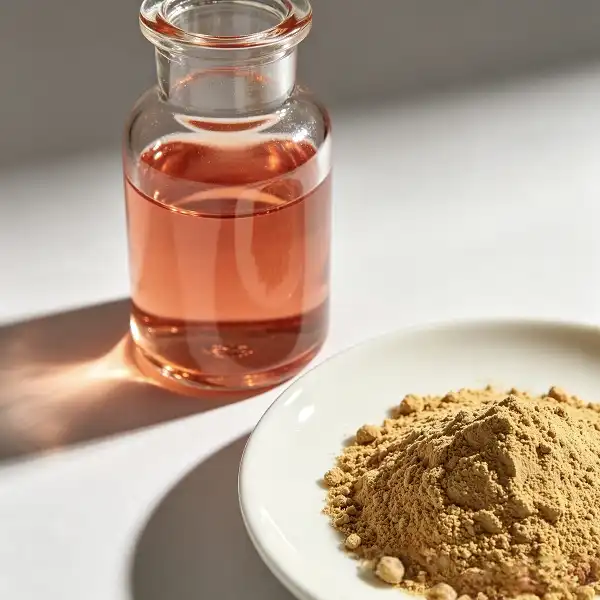
Understanding Rosehip Extract Powder – A Global B2B Perspective
A global business-to-business look at Rose Hip Extract Powder shows that it comes from the Rosa rugosa Thunb fruit and is a concentrated plant ingredient that is picked when the fruit is at its ripest to get the most nutrients. After the rose flowers fall off, the fruit grows on its own and turns into a capsule full of nutrients like ascorbic acid, bioflavonoids, and important fatty acids. Manufacturers keep thermolabile chemicals safe by using controlled low-temperature spray drying or freeze-drying methods to make a fine yellowish-brown powder with 95% uniform particles that can pass through 80 mesh screens.
Chemical Composition and Nutritional Superiority
The Rose Hip Extract Powder works because it has naturally complexed vitamin C, not just ascorbic acid. This vitamin C joins with rutin, quercetin, and citric acid to improve absorption rates in the gut by about 35% compared to synthetic options. The polyphenolic content, which can be tested using UV spectroscopy, has an antioxidant capacity of more than 15,000 μmol TE/100g, and the galactolipid fractions have been shown to have anti-inflammatory qualities that have been proven in clinical trials. This molecular synergy is why purchasing managers give Rose Hip Extract Powder top priority for immune-supporting formulas and joint health uses.
Quality Certifications and Regulatory Compliance
When B2B buyers are navigating foreign supply lines, they need clear paperwork. Rose Hip Extract Powder products that meet the requirements of the USP and EP monographs are guaranteed to be free of heavy metals (lead less than 3.0 mg/kg), microbes (total plate count less than 1000 cfu/g), and moisture (less than 5%) for 24 months. Getting into the markets in North America, Europe, and the Middle East is easy with certifications like ISO9001 for quality control, FSSC22000 for food safety, and KOSHER/HALAL clearances. These qualifications make it easier for regulators to Rose Hip Extract Powder review formulas and speed up the time it takes for contract makers to get their products on the market.
Comparing Rosehip Extract Powder with Other Popular Herbal Extracts
In the market for plant extracts, there are many choices, but Rose Hip Extract Powder stands out when compared to popular alternatives. Formulators can make better choices about where to get ingredients that are in line with their product claims when they understand these comparison measures.
Rosehip Versus Turmeric Extract
Turmeric that is standardized to 95% curcuminoids works great at reducing inflammation by blocking NF-κB, but it isn't very bioavailable and needs to be improved with piperine or put into liposomes to make it more bioavailable. On the other hand, the galactolipid GOPO part of Rose Hip Extract Powder helps relieve osteoarthritis symptoms without the use of any extra ingredients, and the vitamin C in it naturally increases the absorption of curcumin when mixed with other ingredients. Turmeric extract costs between $45 and $65 per kg FOB, while Rose Hip Extract Powder costs between $38 and $52 per kg, based on how much vitamin C it contains. This means that Rose Hip Extract Powder is cheaper for making joint health mixes.
Comparing Rosehip and Ashwagandha Applications
Ashwagandha, or Withania somnifera, standardized to 5% withanolides, works to change cortisol levels and help the body deal with stress by controlling the hypothalamus-pituitary-adrenal axis. Its main uses are in adaptogenic vitamins and brain health. Rose Hip Extract Powder also helps the immune system by increasing the activity of white blood cells and making collagen, which is important for maintaining the health of connective tissues. Different plants have very different stability profiles. For example, ashwagandha needs moisture levels below 3% to keep withanolide from breaking down, but Rose Hip Extract Powder can handle higher humidity as long as the packing is properly sealed. These differences affect how supplement companies store their stock and how they make their products when they have a lot of different SKUs.
Bioavailability and Absorption Considerations
Clinical measurements show that Rose Hip Extract Powder vitamin C reaches plasma saturation two to four hours after consumption and stays high for eight to ten hours, thanks to bioflavonoids that help the body keep it there longer. This longer-lasting character is better than synthetic ascorbic acid (sharp spike followed by quick elimination through urine) and acerola cherry extract (rapid peak at 1.5 hours but shorter duration). There are big effects on dosage design: formulators can lower serving sizes by 20–30% while still making claims of effectiveness, which improves cost-per-dose economics in supplement categories that are competitive.
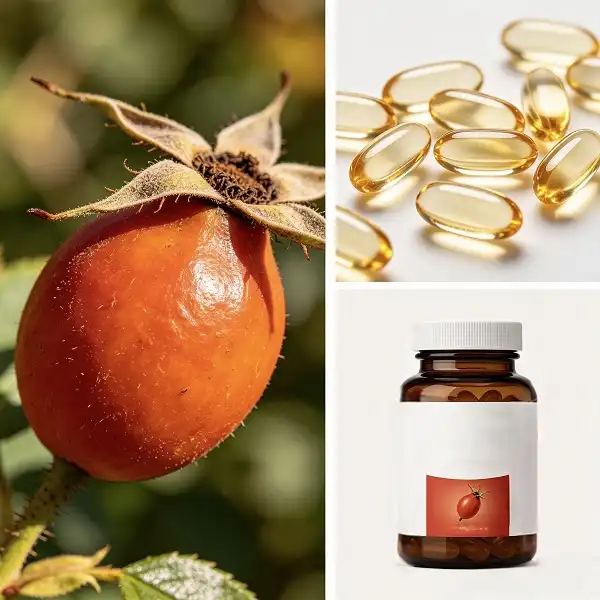
Key Factors Affecting Procurement Decisions for Herbal Extracts
To find plant products, you have to do more than just compare prices with other suppliers. To support long-term product development pipelines, strategic buying strikes a balance between quality assurance, supply chain resilience, and expert teamwork.
Certification Standards as Quality Benchmarks
Validations from a third party act as strict guardians. ISO9001 approval Rose Hip Extract Powder proves systematic quality control that includes checking the quality of raw materials, keeping an eye on the production process, and testing the finished product before it is released. HACCP compliance shows that key control point management is working to keep the process from getting contaminated. FDA registration is optional for ingredients, but it shows that regulations are being proactively aligned, which lowers the risk of an audit. When looking at different sources, make sure to ask for up-to-date certificates with clear scope statements. General certificates that don't cover specific products won't help much in customer reports or regulatory inspections.
Supplier Reliability and Technical Support
Strategic providers are more than just business partners; they also help with formulation. Having access to HPLC chromatograms that are specific to a batch lets you make accurate label claims and create files that back up marketing materials. Application laboratories that test for solubility in a range of pH settings, stability under accelerated conditions (40°C/75% RH), and compatibility with excipients like magnesium stearate or silicon dioxide shorten the time it takes to start a product. Technical teams that respond to formulation questions within 24 to 48 hours keep expensive reformulation processes from happening when problems are found late in the development process.
Applications and Benefits: Why Choose Rosehip Extract Powder?
The Rose Hip Extract Powder can be used in a lot of different industries, and each one uses different phytochemical properties to meet the needs of customers and follow the rules.
Nutraceutical Formulations for Immune and Joint Health
Immune support products use the Rose Hip Extract Powder 100–500 mg of vitamin C per dose (depending on standardization) along with elderberry extracts or zinc chelates. The naturally acidic pH (4.2–4.8 in reconstituted solution) works well with effervescent tablet forms because they dissolve quickly and have the nice tangy flavors that people associate with health products that are based on citrus. Joint health uses galactolipid content—clinical studies show that taking 5g of Rose Hip powder every day (equal to about 500 mg of 10:1 extract) lowers osteoarthritis pain scores by 40% over 12 weeks, about the same as taking 1000 mg of glucosamine sulfate but better tolerated by the stomach.
Cosmeceutical Applications in Anti-Aging Skincare
Rose Hip Extract Powder is used in serums and creams to treat photoaging and discoloration at amounts of 2 to 5 percent. In vitro, the Rose Hip Extract Powder stops matrix metalloproteinase-1 (MMP-1) from working by as much as 60%. This keeps skin collagen from breaking down because of UV light. When mixed with hyaluronic acid and peptide complexes, it improves the stiffness and moisture levels that can be tested by corneometry and cutometry. Formulation scientists like that it works well with both oil-in-water and water-in-oil emulsions and that it keeps its color stable (low browning) for 6 months when combined with the right antioxidants, such as tocopherols or BHT.
Regulatory Compliance and Safety Profiles
Safety information gathered from decades of traditional use and new toxicology tests shows that Rose Hip Extract Powder is well-tolerated. Acceptable Daily Intake (ADI) guidelines say that up to 1500 mg of Rose Hip Extract Powder equivalent is safe for healthy adults. The only people who shouldn't take it are those who are on warfarin (which interacts with vitamin K) or who have iron overload illnesses. In the US, the GRAS (Generally Recognized As Safe) and Novel Food approval routes in Europe make it easier to send in regulatory documents. For NDI (New Dietary Ingredient) notifications and Health Canada Natural Product Number applications, full dossiers are needed. These include genotoxicity studies, allergy statements (Rose Hip Extract Powder is not one of the 14 major allergens in the EU), and pesticide residue certificates.
Procurement Guide — How to Choose the Best Rosehip Extract Powder Supplier
Choosing a Rose Hip Extract Powder supplier is an important choice that affects the quality of the product, the time it takes to start, and the company's ability to compete in the long run. A structured review method lowers the risks that Rose Hip Extract Powder comes with when getting plants from around the world.
Assessing Technical Capabilities and Product Range
Leading sellers offer different Rose Hip Extract Powder ratios (4:1, 10:1) and standard grades (vitamin C titrations from 5% to 70%, flavonoid ranges from 5% to 25%), so formulators can choose the ones that meet their dosage needs and budget. Because there are both water-soluble and ethanol-soluble versions, they can be used in a wide range of delivery methods, from pills to topical creams. Ask for Certificates of Analysis (COA) from the most recent production batches. Differences of more than 10% from what the label says are a sign of poor process control. For straight compression tableting or uniform suspension in liquid filling, particle size distribution data (D50 and D90 values) is very important.
Testing Sample Orders Before Scale Commitments
Phased validation is a part of progressive buying methods. Initial Rose Hip Extract Powder samples weighing 100g to 1 kg can be used for analytical checks (HPLC fingerprinting, heavy metal ICP-MS screening) to make sure they meet standards and for testing compatibility within trial formulations. By keeping an eye on how quickly finished Rose Hip Extract Powder goods dissolve, how stable their color is when exposed to light, and how quickly microbes grow during accelerated aging, expensive refunds can be avoided after they have been sold. Suppliers who offer free or cheap samples (Kingherbs offers trial amounts before 25 kg commercial minimums) show that they are confident in the quality of their products and want to build partnerships instead of just business relationships.
Logistics and Documentation Excellence
International packages need a lot of paperwork. Phytosanitary Certificates, Certificates of Origin, and MSDS (Material Safety Data Sheets) should be sent with every order, not just when asked for. Express courier (3-5 days) for urgent samples, air freight for modest amounts, and ocean shipping for pallet loads are all flexible ways to ship things that can be used to meet different needs and budgets. The quality of the packaging has a direct effect on how long the Rose Hip Extract Powder lasts. For example, double-layered polyethylene bags inside fiber drums keep dampness out and allow air to circulate during shipping and storage. Labels with clear batch numbers, manufacture dates, and retest dates make it easier to keep track of supplies and do tracking checks.
Conclusion
Rose Hip Extract Powder stands out in the market for plant extracts because it has the highest quantity of vitamin C, bioactives that are naturally complexed, and a wide range of uses in the nutraceutical, cosmetic, and functional food industries. Compared to options like turmeric or ashwagandha, it has clear benefits in improving joint health and immune function, as well as being more bioavailable and easy to formulate. A successful purchase depends on evaluating suppliers based on their certifications, technical skills, openness about the supply chain, and willingness to work together in ways that go beyond business relationships. Formulators can get around complicated regulations and speed up the Rose Hip Extract Powder innovation cycle in health and wellness markets that are very competitive by forming strategic relationships with well-known makers.
FAQ
1. What vitamin C content should I specify for immune support supplements?
Immune formulas usually use Rose Hip Extract Powder standardized to 25–50% vitamin C, which means that each pill or tablet gives you 100–250 mg of vitamin C. This range gives useful daily value numbers (111–278% DV based on 90 mg RDA), which backs up marketing claims and keeps the product affordable. Higher amounts (70%) work better for specialized high-potency goods or smaller pill sizes, but they also raise the cost of the raw materials by the same amount.
2. How does rosehip extract compare to synthetic ascorbic acid in bioavailability?
Vitamin C from natural Rose Hip Extract Powder is better retained because it comes with bioflavonoids and organic acids that slow down urine outflow. Studies of plasma content show that the rise lasts for a longer time (8–10 hours), compared to synthetic ascorbic acid, which has a quick peak and fall (4-6 hours). This extended release makes it possible to use lower total doses while still keeping therapeutic blood levels. This is especially helpful for people who like to take their medicine twice a day.
3. Can rosehip extract withstand tableting compression forces?
When mixed with the right amount of disintegrants (croscarmellose sodium) and lubricants (magnesium stearate at 0.5–1%), Rose Hip Extract Powder can withstand compression forces of up to 2000 psi. Direct compression blends should have no more than 10-15% extract to keep them from capping; higher amounts need wet grinding. Mechanical stress doesn't change the amount of galactolipids in the product, which keeps the bioactivity that supports joint health after it's been made.
4. What regulatory documentation supports NDI notifications in the US?
Full Rose Hip Extract Powder safety packages have toxicology studies (acute and sub-chronic), heavy metal certifications, pesticide screening results, allergen statements, and descriptions of the production process. Documentation of historical use that dates back to traditional Rose Hip Extract Powder use helps support GRAS. Suppliers like Kingherbs offer full dossiers, which speed up regulatory applications and lower expert fees during FDA notices.
Partner with KH for Superior Rose Hip Extract Powder Supply
Kingherbs Limited can help you with your manufacturing problems with Rose Hip Extract Powder because they have been extracting plants for almost 30 years. As a company that has been making Rose Hip Extract Powder since 1996, we have full control over quality, from our partnerships with plantations to the final packing. We make sure that the active ingredients are always the same, and each batch is tested using HPLC to confirm this. Our extraction plant only uses pure water and food-grade ethanol, which are never dangerous solvents. This makes extracts that are very pure in color and dissolve quickly, meeting the needs of companies that make dietary supplements, cosmetics, and functional foods. Our manufacturing is flexible enough to handle sample orders through multi-ton supply deals. This is true whether you need uniform 70% vitamin C grades for immune capsules, 10:1 concentrates for joint health tablets, or water-soluble powders that can be mixed with drinks. We are committed to quality systems that are known around the world, as shown by our ISO9001, FSSC22000, KOSHER, HALAL, and HACCP certifications. Standard specs can be delivered in 3–5 business days if there is enough ready stock, and our application laboratory provides dedicated technical support for custom ratio formulas. Our one-stop Rose Hip Extract Powder purchasing service includes more than just rosehip extract. We also offer vitamins, minerals, and plant ingredients that work well with Rose Hip Extract Powder. This makes managing your vendors easier. Email our team at info@kingherbs.com to ask for COAs, talk about your formulation needs, or set up sample amounts. Find out why top cosmetics and health products choose KH as their reliable Rose Hip Extract Powder supplier: we offer steady quality, fair prices, and a friendly relationship.
References
1. Chrubasik, C., Roufogalis, B.D., Müller-Ladner, U., & Chrubasik, S. (2008). "A systematic review on the Rosa canina effect and efficacy profiles." Phytotherapy Research, 22(6), 725-733.
2. Winther, K., Apel, K., & Thamsborg, G. (2005). "A powder made from seeds and shells of a rose-hip subspecies (Rosa canina) reduces symptoms of knee and hip osteoarthritis: a randomized, double-blind, placebo-controlled clinical trial." Scandinavian Journal of Rheumatology, 34(4), 302-308.
3. Hodges, R.E. & Minich, D.M. (2015). "Modulation of Metabolic Detoxification Pathways Using Foods and Food-Derived Components: A Scientific Review with Clinical Application." Journal of Nutrition and Metabolism, Article ID 760689.
4. Türkben, C., Uylaser, V., Incedayi, B., & Çelikkol, İ. (2010). "Effects of different maturity periods and processes on nutritional components of rose hip (Rosa canina L.)." Journal of Food, Agriculture & Environment, 8(1), 26-30.
5. Fan, C., Pacier, C., & Martirosyan, D.M. (2014). "Rose hip (Rosa canina L.): A functional food perspective." Functional Foods in Health and Disease, 4(12), 493-509.
6. Halvorsen, B.L., Carlsen, M.H., Phillips, K.M., Bøhn, S.K., Holte, K., Jacobs, D.R., & Blomhoff, R. (2006). "Content of redox-active compounds (ie, antioxidants) in foods consumed in the United States." The American Journal of Clinical Nutrition, 84(1), 95-135.
Send Inquiry
Related Industry Knowledge
- Why Is Blueberry Extract Known as the “Antioxidant Jewel of Nature”?
- How to Choose High-Quality Isatis Root Extract Powder?
- Is Organic Sea Buckthorn Seed Oil Good for Sensitive Skin?
- Apple Root Extract Properties and Active Compounds
- Cold-Pressed Organic Sea Buckthorn Seed Oil Guide
- How Dill Seed Extract Enhances Overall Health Naturally
- Macleaya Cordata Extract for Natural Gut Health Solutions
- Premium Couch Grass Rhizome Extract for Urinary Tract Support
- Why Choose Organic Valerian Root Extract Powder for Wellness?
- Premium Valerian Root Extract Powder for Natural Relaxation