_1762508637542.webp)
White Willow Bark Extract Powder vs Salicin: What Should Buyers Know?
Jul 20, 2026
When looking for plant-based ingredients for medicines or health products, it's important to know the difference between salicin and whole White Willow Bark Extract Powder. The whole-plant extract from Salix alba bark has a lot of phytochemicals. Flavonoids, tannins, and polyphenols are some of these. When mixed with salicin, they help lessen swelling and pain. When you isolate salicin, on the other hand, you get a normal result with only one ingredient. And to make sure the process of making the product goes as easily as possible, procurement managers have to figure out which option fits formulation goals, legal requirements, cost, and the tastes of the target market the best.
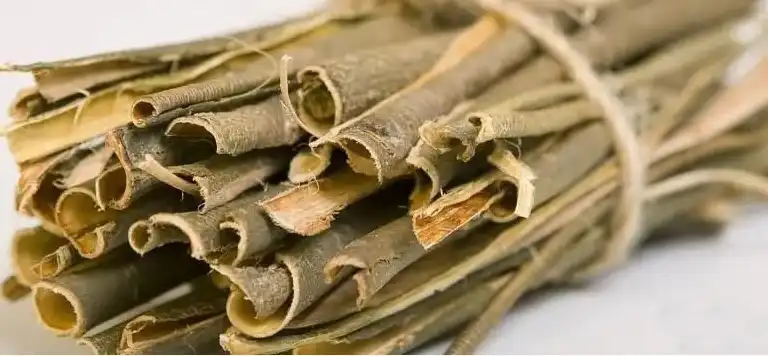
Understanding White Willow Bark Extract Powder and Salicin
Botanical Origins and Extraction Methodology
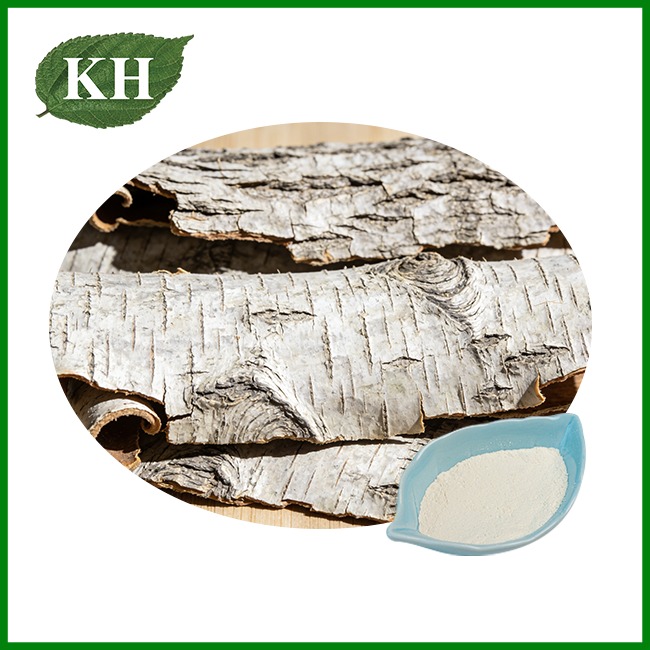
Salix alba trees' inner bark was picked at just the right time to get the most helpful chemicals out of it. This is what White Willow Bark Extract Powder is made of. In the extraction process, pure water or food-grade ethanol is often used to make sure that the final product doesn't have any harmful solvents left over. This method preserves salicin and other compounds that work with it, such as flavonoids and tannins. These compounds make the extract more medicinal as a whole.
The natural form of salicin is a phenolic glycoside that acts as a precursor to drugs. When someone eats salicin, enzymes in their liver and stomach slowly change it into salicylic acid. This acid eases pain and reduces swelling. In this method, it takes longer for the effects to wear off than with manufactured aspirin, but they last longer and cause less stomach pain.
Chemical Composition and Standardization
There are different chemicals in White Willow Bark Extract Powder based on how much is taken out and the goals for uniformity. In business, ratio extracts (4:1, 10:1, 15:1, and 25:1) are used, as well as regulated extracts with 1% to 98% salicin. High-Performance Liquid Chromatography (HPLC) can be used to check the salicin levels. Because of this standardisation, the mixture can be carefully managed, and makers can change the amounts of strength based on the desired therapeutic effect and the rules set by the government.
In addition to salicin, the extract also has polyphenolic chemicals that help keep antioxidants steady and speed up the processes that fight inflammation. Together with salicin, these secondary metabolites make it possible to target more than one thing at once, which isn't possible with chemicals used by themselves. When looking at product specs and matching raw materials to formulation goals, it's important to know about these different kinds of phytochemicals.
Variability in Salicin Content and Quality Control
The amount of salicin changes based on the raw materials used, how they are extracted, and when they are harvested. As long as suppliers keep an eye on the soil, plant types, and harvesting methods, they can be sure that the amount of active ingredients is always the same when they work with controlled growing bases. This end-to-end tracking gets rid of differences and helps keep things the same from batch to batch, which is very important for companies that need stable supply lines.
A Certificate of Analysis (COA) that lists the amount of salicin, heavy metals, bacteria, and chemicals present helps make things clear and ensures they meet USP and EP standards. To make sure the parts are real, buying experts should look into the testing methods and ask for full HPLC spectra before agreeing to mass orders.
White Willow Bark Extract Powder vs Salicin: Comparative Analysis
Mechanism of Action and Therapeutic Efficacy
White Willow Bark Extract Powder changes its form in the liver so that it releases salicylic acid slowly over time. This relieves pain and reduces inflammation for a long time. This delayed pharmacokinetic profile makes it less likely that manufactured NSAIDs will damage the stomach lining. Because of this, it can be used in formulations that are meant to help sensitive groups or that will be used for a long time.
When salicin is separated, the amount of the active glycoside stays the same. This lets doctors precisely control how well a medicine works. But it doesn't have the benefits of polyphenols, which help lower oxidative stress and boost processes that fight inflammation. Researchers have found that full-spectrum extracts may be better at managing chronic pain and inflammation than isolates of a single ingredient. The design goals will determine the best choice, though.
Safety Profiles and Dosage Considerations
As long as the right amounts are used, both White Willow Bark Extract Powder and pure salicin are safe. Unlike synthetic aspirin, salicin changes slowly into salicylic acid. This makes it safer for people with sensitive stomachs. Folks who are allergic to aspirin, kids who have viruses, women who are pregnant or nursing, and people who take blood thinners should still talk to their doctors before taking it.
What salicin is used for and how much to give determines the right dose. In order to be normal, most formulas have between 15 and 25 percent salicin. But there are high-purity types that hit 98% that can be used in pharmaceuticals that need the most bioavailability. When procurement managers buy raw materials, they have to find the best mix between cost, potency, and the security of the drug.
Product Forms and Quality Control Standards
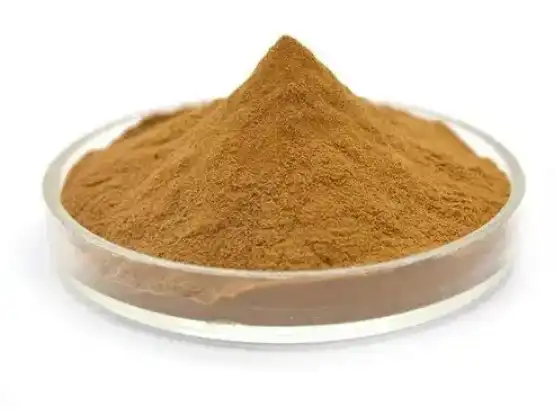
This White Willow Bark Extract Powder comes in several forms, from raw ratio extracts to powders that have been highly standardised. One thing about it is that it is a fine powder that can soak up water and can be any colour from brownish-yellow (lower purity, high tannin content) to off-white (high purity, over 98% salicin). For example, 95% of the particles must pass through an 80-mesh screen for the blending and encapsulation processes to be uniform.
A few of the strict quality control steps that are used to make sure goods are safe and follow the rules are LOD testing (≤5.0%), Ash Content analysis (≤5.0%), and heavy metal screening (<10 ppm). Getting certifications like ISO9001, FSSC22000, KOSHER, HALAL, and HACCP helps you sell your goods in more places and makes sure that industry standards are met. To lower the risk of failure and increase the chances of success, procurement teams should choose providers who offer thorough paperwork and clear testing processes.
Key Decision Metrics for Procurement Managers
Quality Certifications and Compliance Standards
If you want to buy White Willow Bark Extract Powder, make sure the seller has the right credentials to show that they follow Good Manufacturing Practices (GMP) and quality standards around the world. To show that quality management is planned, the ISO9001 certification is shown. The FSSC22000 certification shows that rules for food safety are followed all the way through the supply chain. Certifications like KOSHER and HALAL help goods that are made for certain groups of people get to more people.
Proofs of Analysis (COA) list the amount of salicin, bacterial limits, chemical leftovers, and heavy metals in each batch. They should be sent with every shipment so that quality control teams can make sure the product is safe before adding raw materials to formulations. For even more proof that they are open and use good science, suppliers who offer HPLC chromatograms and stable data are the ones to beat.
Pricing Structures and Minimum Order Quantities
The price of White Willow Bark Extract Powder changes based on how much salicin it has, how it was extracted, how certified it is, and how much of it you buy. Standardised extracts with 15–25% salicin normally cost a fair amount to a lot of money. More work needs to be done on high-purity types that are close to 98%, so they cost more. It is cheaper to use ratio extracts like 10:1 or 25:1 when exact salicin standardisation is not as important.
Minimum order quantities (MOQs) change how companies buy things, especially small and medium-sized companies that are testing out new ways of doing things. Flexible MOQs let buyers see how good a product is before committing to big orders. For example, buyers can get samples ranging from 100g to 10 kg, and business orders can begin at 25 kg. Samples can be sent out quickly, within 3–5 business days. This cuts down on the time it takes to build a product and makes it easier to get it to market.
Geographic Sourcing and Logistics Considerations
Lead times, shipping prices, and how hard it is to meet regulatory standards are all affected by where the provider is located. A lot of the time, Chinese sellers offer fair prices and production levels that can be changed. To back up their claims, they have also set up bases for extraction and planting. European and North American suppliers may be better at aligning certifications, getting goods to Western markets faster, and making it easier for regulators to handle applications that are unique to those areas.
The decisions you make about logistics, like courier, air freight, and ocean shipping, affect how well you handle materials and how strong the supply chain is. Just-in-time manufacturing works best when sources ship quickly and keep a lot of stock on hand. This cuts down on delays in making things. The product stays stable while it's being shipped and kept in certain containers, such as 25 kg fabric drums with food-grade bags inside. If stored and shipped correctly, it can last up to 24 months.
Practical Applications and Use Cases in B2B Markets
Pain Management and Anti-Inflammatory Nutraceuticals
One of the main components of natural pain reduction products that aid in the treatment of headaches, muscle repair, and joint health is White Willow Bark Extract Powder. As it works on the body, it slowly turns into salicylic acid, which relieves pain for a long time without giving you tummy problems like synthetic choices do. People who want plant-based health answers will like it because of this.
A lot of the time, people who make anti-inflammatory goods mix White Willow Bark Extract Powder with other plants that work well together, like ginger, turmeric, or boswellia. Salicin amounts can range from 15% to 50%. This lets manufacturers find the best balance between treatment success, product stability, and cost-effectiveness. Tablets, pills, and softgels are all different ways to take medicine, and different people can use them.
Cosmetic and Dermatological Applications
White Willow Bark Extract Powder can be used instead of beta-hydroxy acid (BHA), which is a chemical used in cosmetics. Because it breaks down dead skin cells and controls sebum, it's great for acne treatments and serums that exfoliate. Because it lowers inflammation and kills bacteria like Staphylococcus aureus and Propionibacterium acnes, it makes clear skin formulas work better and stops the itching that comes with man-made acids.
Extracts that are very pure and have more than 50% salicin can work well in low-pH places because they can get into holes and help cells turn over. Bioactive polyphenols in the extract make it a natural source of antioxidants. Because these vitamins make the skin barrier work better and lessen redness, it's good for sensitive skin lines. Formulators like that it stays stable at temperatures up to 80°C, which makes hot-process production easier, and that it works with a pH range of 4.0 to 6.5.
Pharmaceutical and OEM Formulations
White Willow Bark Extract Powder is used by drug companies to make creams, patches, and pills that you can put on your skin to relieve pain and congestion. It works well with long-lasting drug delivery methods because the extract has an extended-release metabolic profile. This means that people will need to take their medicine more regularly and less often.
If an OEM partner is making their own formulas, they need sources who can standardise salicin and change amounts as needed. It is faster to make new goods when you can get help from application labs that offer compounding advice, formulation optimisation, and stability testing. Suppliers who want to build partnerships are different from those who just want to make sales because they offer full technical support, such as making sure that their products work with systems for drinks, tablets, and skin care.
How to Choose Between White Willow Bark Extract Powder and Pure Salicin
Matching Product Characteristics to Formulation Goals
Which is better, pure salicin or full-spectrum White Willow Bark Extract Powder? It depends on what the product is supposed to do, what the customers want, and what the government wants. Full-plant products with bioactive profiles that work well with each other, like multi-component extracts, are liked by these people. Adding flavonoids and tannins makes the antioxidant activity higher and gives it more medical uses besides pain relief.
Salicin that has been separated out works well in formulas that need accurate doses, uniform potency, and streamlined regulatory paths. Salicin that is more than 90% pure can be used in pharmaceuticals that need high clearance and stable pharmacokinetics. Nutraceutical brands that make natural, barely processed goods are more likely to use ratio extracts or regulated powders that have 15–25% salicin and other phytochemicals that work well with salicin.
Evaluating Supplier Capabilities and Transparency
Picking a supplier is more than just picking the right product. Some of the other things that are part of it are strict testing, openness, and supply chain security. Buyers should check to see how much a seller spends on managed planting bases. This makes sure that the raw materials are real and that the active ingredients stay the same from the seed to the finished product. End-to-end tracking makes it less likely that food will be tampered with and supports marketing claims of clean labels.
Quality assurance is very important to the provider, as shown by the thorough HPLC analysis results, batch-level paperwork, and proof from third-party testing. It's easier to get regulatory approval in more than one market if you have certifications from well-known groups, like being registered with the FDA and meeting USP/EP standards. Customers are more likely to work together with suppliers who respond quickly, offer technical advice, and help with applications. This can lead to new ideas and a competitive edge.
Building Long-Term Strategic Partnerships
A big part of sustainable buying strategies is building long-term relationships with dependable producers who can boost production to meet rising demand. Fast sample services, ready stock, and MOQs that can be changed make it possible to quickly test goods on the market without spending a lot of money.
Value-added services, such as custom compounding, stability testing, and making finished products (including softgel and capsule production), streamline supply chains and cut down on the number of vendors that need to be contacted. When one place sells amino acids, vitamins, minerals, and plant products, the supply line is more stable, and buyers don't have to go to as many places to get what they need.
Conclusion
Finding White Willow Bark Extract Powder means finding a balance between price, following the rules, healing success, and the ability to be used in a variety of ways. Salicin, which has been isolated, is strong enough for pharmaceutical uses, but full-spectrum extracts have biological profiles that work well with each other and are great for natural health products. Procurement managers need to check how open suppliers are, how strict their tests are, and how real their certifications are in order to lower risk and make sure that the quality of the products always stays high. Making deals with manufacturers that offer full tracking, technical support, and production capacity that can be scaled up or down helps brands come up with new, legal recipes that meet the market's changing needs.
FAQ
1. Can White Willow Bark Extract Powder Replace Aspirin in Formulations?
Instead of aspirin, White Willow Bark Extract Powder is a natural choice that slowly releases salicylic acid and makes stomach pain less severe. Salicin is good for health and supplements, but for pain relief at the pharmaceutical level, you might need salicin that is separated or synthetic options to get the job done quickly and right.
2. What are the recommended dosing guidelines for Pain Relief Applications?
Most of the time, each dose has 120 to 240 mg of salicin, which is the same amount as 15 to 25 percent standardised extracts. You might feel the effects in a few hours, but for the best results, use it regularly for a few days. Dosing should follow government rules and be safe for the people who will be taking it.
3. How Can I Verify Salicin Content in Purchased Materials?
Ask sellers to give you full HPLC chromatograms and Certificates of Analysis for each different batch. Approved labs test the salicin to make sure it is pure and meets the standards. They also check the amount of salicin. Suppliers with a good reputation give you clear paperwork to help you do your research before you buy.
Partner with a Trusted White Willow Bark Extract Powder Manufacturer
From well-kept Salix alba growing grounds, KH knows how to make high-quality White Willow Bark Extract Powder. This keeps the salicin level the same, which is between 1% and 98%, as shown by HPLC. The water-ethanol extraction process we use keeps bioactive compounds safe and doesn't leave behind any harmful byproducts. This means you get natural purity and fast dissolution. With ISO9001, FSSC22000, KOSHER, HALAL, and FDA approval, among others, we meet strict quality standards for markets around the world. Our application laboratory helps you make formulas, check them for safety, and make chemicals just for you based on your needs. It takes three to five business days to send out samples, and the first professional sale is for 25 kg. Shipping is quick because the goods are in stock. Email us at info@kingherbs.com to get White Willow Bark Extract Powder samples, full COAs, and price quotes from a reliable company that wants to help your formulas.
References
1. Shara, M., & Stohs, S. J. (2015). Efficacy and Safety of White Willow Bark (Salix alba) Extracts. Phytotherapy Research, 29(8), 1112-1116.
2. Schmid, B., Lüdtke, R., Selbmann, H. K., Kötter, I., Tschirdewahn, B., Schaffner, W., & Heide, L. (2001). Efficacy and tolerability of a standardized willow bark extract in patients with osteoarthritis: randomized placebo-controlled, double blind clinical trial. Phytotherapy Research, 15(4), 344-350.
3. Vlachojannis, J. E., Cameron, M., & Chrubasik, S. (2009). A systematic review on the effectiveness of willow bark for musculoskeletal pain. Phytotherapy Research, 23(7), 897-900.
4. Mahdi, J. G., Mahdi, A. J., Mahdi, A. J., & Bowen, I. D. (2006). The historical analysis of aspirin discovery, its relation to the willow tree and antiproliferative and anticancer potential. Cell Proliferation, 39(2), 147-155.
5. Nahrstedt, A., Schmidt, M., Jäggi, R., Metz, J., & Khayyal, M. T. (2007). Willow bark extract: the contribution of polyphenols to the overall effect. Wiener Medizinische Wochenschrift, 157(13-14), 348-351.
6. Pobłocki, J., Pawlik, Ł., & Szczęsny, G. (2020). Salicin and salicylic acid: Past, present and future of an important plant-based anti-inflammatory compound. Acta Poloniae Pharmaceutica, 77(2), 345-356.
Send Inquiry

Related Industry Knowledge
- How to Dose Ivy Extract Powder for Cough Relief?
- Why Is Rose Hip Extract Powder Popular in Beauty Supplements?
- Ivy Extract Powder: Uses, Benefits, Safety & Quality Guide
- Why Rhizoma Coptidis Powder Is a Natural Health Game-Changer
- How Effective Is Rhizoma Coptidis Powder for Detox Support?
- Can Couch Grass Rhizome Extract Enhance Water Balance?
- Mulberry Leaf Extract Powder: Traditional Herb, Modern Science
- Olive Extract Powder vs Standard Olive Leaf: Key Differences
- Premium Valerian Root Extract Powder for Natural Relaxation
- How Couch Grass Rhizome Extract Boosts Kidney Function?