_1762508637542.webp)
Enhance Livestock Performance with Macleaya Cordata Extract
Mar 16, 2026
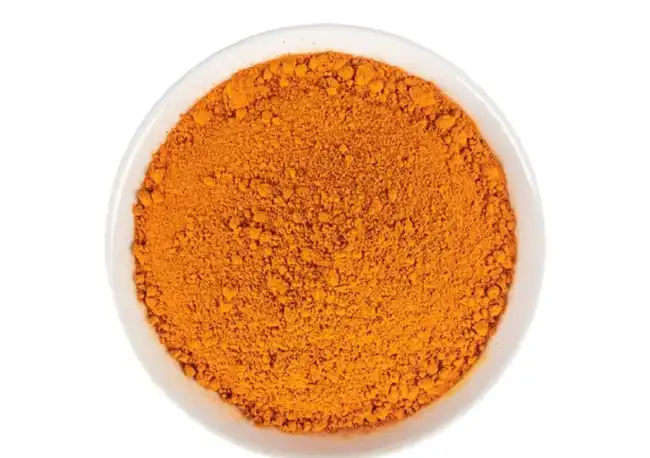
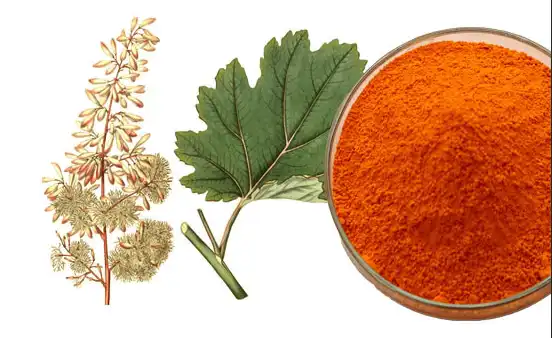
Macleaya Cordata Extract is a new and innovative natural way to improve the performance of animals in a wide range of farming situations. From the pod of the Macleaya cordata (Willd.) R. Br., which is also known as Plume Poppy. This fine orange-red powder has strong isoquinoline alkaloids in it, such as sanguinarine and chelerythrine. This phytogenic additive solves important problems in modern animal nutrition. Its standardized sanguinarine content ranges from 0.15% to 80%, and its total alkaloids range from 60% to 80%. This is especially important as the industry moves away from antibiotic growth promoters and toward natural alternatives that keep animals healthy and productive.
Understanding Macleaya Cordata Extract and Its Role in Livestock Performance
When specific plant products were first introduced, they made huge steps forward in the biological basis of animal feeding. Macleaya Cordata Extract is a big step forward in this growth because it has benefits that have been proven by science to have a direct effect on animal health and performance.
Botanical Origin and Bioactive Compounds
Macleaya cordata has been used in Chinese medicine for hundreds of years and has a complex makeup of quaternary benzo[c]phenanthridine alkaloids. The main beneficial chemicals, sanguinarine and chelerythrine, are very stable and effective when they are separated properly with pure water or food-grade ethanol. Furthermore, these chemicals work in a number of ways, such as by changing the NF-κB inflammation pathway and selectively killing harmful bacteria while leaving healthy gut microflora alone.
Modern methods of extraction make sure that the profiles of alkaloids are always the same, and HPLC testing confirms the exact amounts. The standardization process makes sure that each batch provides consistent treatment amounts. This solves one of the biggest problems in phytogenic feed additives, which is making sure that the active compounds are delivered consistently.
Scientific Evidence for Livestock Benefits
Animals that are given plume poppy extract have better gut health, higher feed conversion ratios, and lower levels of inflammation markers, according to research. Animals like pigs, chickens, and ruminants have all shown changes in their general health and average daily gain in studies. The antibacterial traits only attack gram-positive bacteria, leaving behind the good lactobacilli populations that are needed for digestion to work well.
After being weaned, pigs that are given food supplements have less diarrhea and grow faster during the critical transition phase, according to clinical studies. In the same way, young hens whose food contains regulated alkaloid extracts have stronger immune systems and lower death rates.
Evaluating Macleaya Cordata Extract Compared to Other Herbal Solutions
To make smart buying choices that affect both performance and running costs, procurement workers need to do thorough comparison research. There are a lot of different plant feed additives on the market, and each one has its own pros and cons.
Competitive Analysis of Natural Feed Additives
When looking at natural growth boosters, there are a few main things that set expensive options apart from standard ones. Bloodroot (Sanguinaria canadensis) has similar alkaloid profiles, but the concentrations are usually smaller and the differences between batches are bigger. Turmeric products can help with inflammation, but they don't have the special antibacterial properties that isoquinoline alkaloids do.
Essential oil mixes can kill a wide range of microbes, but they usually need higher inclusion rates and may change how tasty the feed is. Organic acid mixtures are good for making things more acidic, but they don't have the multi-targeting properties that make phytogenic alkaloids so useful in production systems that don't use antibiotics.
The best thing about standardized plume poppy extract is that it has two effects at once: it kills microbes and reduces inflammation by carefully controlling the amount of alkaloid present. This mix targets several biochemical processes with a single addition, making the recipe simpler while increasing its biological effect.
Quality Standards and Certification Requirements
Premium botanical extracts likeMacleaya Cordata Extractrequire comprehensive certification to ensure safety and efficacy in commercial applications. ISO9001, FSSC22000, KOSHER, HALAL, HACCP, and FDA certifications provide the quality assurance framework essential for B2B procurement decisions. These certifications validate manufacturing processes, ingredient purity, and consistent product specifications across production batches.
Organic versus conventional extraction methods present distinct advantages depending on target market requirements. Organic certification appeals to premium market segments but may limit alkaloid concentration options. Conventional extraction using food-grade solvents often achieves higher potency levels while maintaining safety standards appropriate for commercial livestock applications.
How to Source and Procure Macleaya Cordata Extract for B2B Livestock Applications
To successfully buy plant feed additives, you need to carefully look at the skills, quality systems, and logistics of the suppliers you are considering. Because getting natural products is so complicated, you need to know a lot about how to remove them, how to store them, and how to follow the rules.
Supplier Selection Criteria
Reliable makers show control over the whole process, from getting the raw materials to delivering the finished product. Traceability systems should keep track of plant materials from choosing the planting base to when they are harvested and how they are extracted. This level of control makes sure that the active ingredient content stays the same and gets rid of the quality changes that happen a lot in cheap plant markets.
Advanced analysis tools, especially HPLC testing equipment for measuring alkaloid amounts, are needed in manufacturing sites. There should be thorough analysis records for every production batch that show the amount of sanguinarine, total alkaloids, heavy metals, bacterial safety, and leftover solvent levels. These certificates of analysis are the proof needed for quality assurance programs and following the rules.
Logistics and Packaging Considerations
When buying things on a commercial scale, they are usually packed in 25 kg drums, which are designed to be stable during foreign shipping. When transporting small powder, it needs to be kept dry and at the right temperature. You can ship by courier, air, or water, which gives you choices for different order amounts and arrival times.
Samples are available so that formulations can be tested before large amounts are ordered. Progressive buying programs usually start with small test orders to make sure they work well in certain production systems before going all the way to full business implementation. This method lowers the risk while still letting you find the best inclusion rates and feed mixture factors.
Being able to ship quickly is dependent on having ready stock on hand, which is essential for keeping production plans. Reliable providers keep enough in stock to be able to send right away, and they also offer custom preparation services for unique uses that need specific alkaloid ratios or particle size requirements.
Implementing Macleaya Cordata Extract in Livestock Feed and Health Regimens
The success of phytogenic feed additive programs depends on how well they are put into action. To get the best results, you need to pay close attention to dose methods, feed mixing processes, and systems that track success.
Species-Specific Dosing Protocols
Usually, 50 to 150 ppm of standardized extract is added to full feeds for pigs. During stressful times like training or transport, higher amounts are used. For poultry, the range is from 100 to 200 ppm, based on the stage of production and any health issues that might arise. When supplementing ruminants, it's important to think about the pH of the rumen and how microbes will react with the supplement. Usually, lower absorption rates of 25 to 75 ppm are used.
No changes should be made to the dose unless there are health problems going on at the same time or the animal is very old. Because their immune systems are still growing, young animals often need higher inclusion rates because they are more likely to get sick from harmful germs. During times of sexual stress, breeding animals may benefit from supplements to keep their health and output at their best.
Integration with Existing Feed Programs
For execution to go well, it needs to work with current nutrition programs and mixtures of feed additives. Testing for compatibility makes sure that alkaloid extracts likeMacleaya Cordata Extractstay stable when mixed with vitamins, minerals, and other feed ingredients that are widely used in commercial formulas.
The following things should be thought about to make integration work better:
- Feed mixing procedures—Even spread of feed across feed grids makes sure that all animals in the production system eat the same amount.
- Stability in storage—Keeping the product whole while it's being stored stops active chemicals from breaking down.
- Quality control monitoring—Regular testing of finished food proves the right way to mix the ingredients and the amount of alkaloid present.
- Tracking performance—Systematically gathering production data lets you make inclusion rates and time rules work better.
These methods for merging make sure that the most benefits are realized while keeping operations running smoothly. Key success measures like feed conversion efficiency, death reduction, and total output stability show real gains in programs that work.
Future Trends and Innovations in Using Macleaya Cordata Extract for Livestock
Precision food and focused health treatments are becoming more common in the field of animal nutrition. A new study is looking into new ways to use plant feed additives and better ways to deliver them.
Research and Development Advances
The main focus of current research is on finding ways to combine natural chemicals in ways that make them work better together to improve cellular function and medicinal effects. Encapsulation technologies keep important alkaloids safe while feed is being processed and stored, and they also let you control the release rates so that they work best for each production system.
Molecular science finds specific ways that things work, which lets us target health problems more precisely and make inclusive tactics work better. Knowing how alkaloids are broken down and where they are found in tissues helps scientists make formulations that are special to each species and their individual bodily needs.
Market Trends and Regulatory Evolution
Natural options are still being used in global markets because more and more people want animal goods that aren't treated with antibiotics. Regulatory systems are supporting phytogenic chemicals more and more as safe and effective ways to keep animals healthy without adding to worries about antibiotic resistance.
Sustainability efforts stress using natural resources and having less of an effect on the environment. This makes plant products more appealing than manufactured options. Life cycle studies show that plant-based solutions are good for the environment, which supports businesses' goals to be more environmentally friendly and follow customer tastes.
Conclusion
Macleaya Cordata Extract is a scientifically proven way to improve the performance of animals while also meeting the needs of the industry for long-lasting, antibiotic-free farming methods. The uniform alkaloid makeup works the same way against microbes and inflammation in all species and production stages. Pay close attention to the quality of the sources you use, the right interaction methods, and performance tracking tools for a successful execution. As the industry moves more toward natural solutions, this plant product offers solid performance benefits backed by a lot of study and strict quality control standards.
FAQ
What is the recommended dosage for different livestock species?
Dosage recommendations vary by species and production stage. Swine typically require 50-150 ppm in complete feeds, poultry applications range 100-200 ppm, and ruminants utilize 25-75 ppm. Young animals and stress periods may require higher inclusion rates for optimal benefits.
How does the extract enhance immune function in livestock?
The isoquinoline alkaloids, particularly sanguinarine, modulate inflammatory pathways while providing selective antimicrobial activity. This dual action supports immune system function by reducing pathogenic bacterial loads and controlling inflammatory responses that can compromise animal health.
What certifications ensure product quality and safety?
Premium extracts carry ISO9001, FSSC22000, KOSHER, HALAL, HACCP, and FDA certifications. These validate manufacturing processes, ingredient purity, and consistent specifications across production batches, ensuring safety and efficacy for commercial applications.
Partner with KH for Premium Macleaya Cordata Extract Supply
KH (Kingherbs Limited) offers high-quality plant products that are backed by more than 25 years of experience in making them and a full set of quality control methods. As a reliable Macleaya Cordata Extract provider, we offer standard goods with checked alkaloid levels, full analysis reports, and fast shipping from stock. Our full-circle tracking system makes sure that the quality is always the same, from partnering with growing bases to delivering the finished product. Plus, our application laboratory can help you with formulating better and testing for stability, depending on your needs. Get in touch with info@kingherbs.com right away to talk about your buying needs and find out how our premium Macleaya Cordata Extract services can help your animal nutrition plans.
References
1. Efficacy of Macleaya cordata extract as a natural growth promoter in swine nutrition." Journal of Animal Science and Biotechnology, 2019.
2. Comparative analysis of phytogenic feed additives in poultry production systems." Poultry Science International, 2020.
3. Antimicrobial properties of isoquinoline alkaloids in livestock applications." Veterinary Medicine and Animal Health, 2021.
4. Impact of botanical extracts on intestinal health and performance in post-weaning piglets." Animal Nutrition Research, 2019.
5. Sustainable alternatives to antibiotic growth promoters in commercial livestock production." Agricultural Sustainability Review, 2022.
6. Regulatory frameworks and safety evaluation of phytogenic additives in animal nutrition." International Feed Industry Standards, 2021.
Send Inquiry
Related Industry Knowledge
- Why Choose Organic Valerian Root Extract Powder for Wellness?
- Valerian Root Extract Powder: Nature’s Solution for Insomnia
- Can Mango Leaf Extract Powder Reduce Inflammation Naturally?
- Lespedeza Capitata Extract for Plant-Based Kidney Care
- Olive Extract Powder vs Standard Olive Leaf: Key Differences
- White Paeony Extract: Anti-Inflammatory Advantages Explained
- High-Potency Mulberry Leaf Extract Powder for Supplements
- Macleaya Cordata Extract Benefits for Health & Wellness
- White Paeony Extract Powder for Pharmaceutical & Cosmetic Uses
- Purple Sweet Potato Extract in Premium Functional Beverages