Melissa Officinalis Extract in Skincare: Benefits and Uses
Nov 27, 2026
Melissa officinalis extract, made from lemon balm, is a plant-based ingredient that skincare brands use for antioxidant support and a soothing, comfortable skin feel. Its main marker compound, rosmarinic acid, gives formulators a measurable value to specify, and the extract fits serums, creams, masks, gels, and after-sun products. Performance depends on the plant part, extraction method, standardization, and use level, so every finished product needs its own testing. In this guide, I cover the benefits, key specifications, formats, formulation steps, and sourcing checks that help US brands choose a lemon balm ingredient with confidence.
Why Melissa Officinalis Extract Is Gaining Attention in Skincare
What Lemon Balm Is and Why Extract Quality Varies
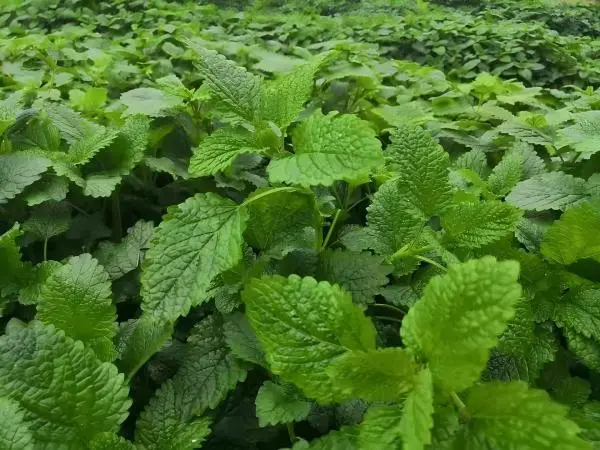
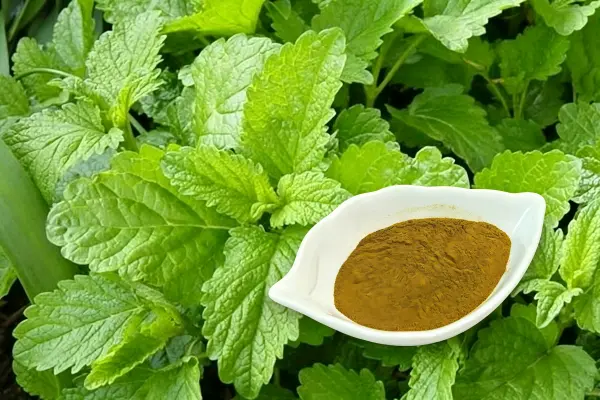
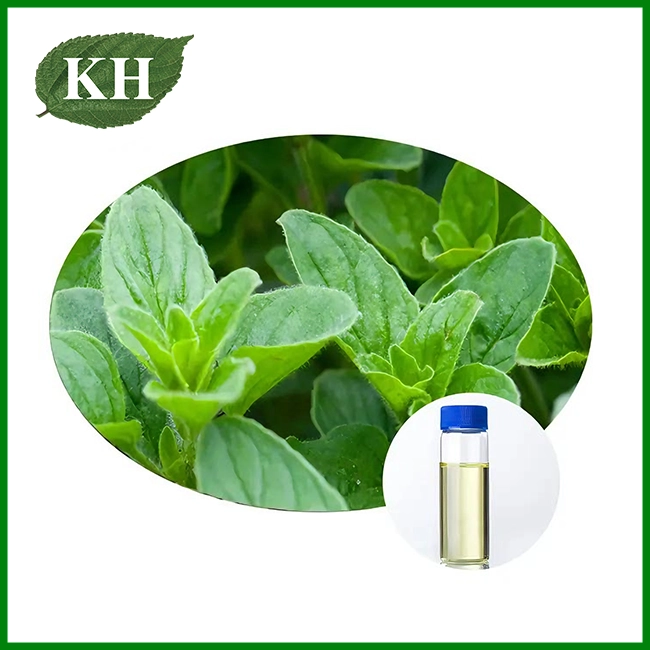
Melissa officinalis L. is a flower. It grows back every year and is a Lamiaceae plant, which is in the mint family. You can also call it balm mint or lemon balm. An EU document from 2013 lists the dried leaf on their list of plant medicines. It's been used for a long time because of this. To make Melissa officinalis extract, you can use either the leaves or the stems. Where the plant parts come from, the solvent used, the ratio, and the level of standardization can all change how two extracts with the same botanical name are put together in the end. This means they might work in different ways. The Melissa officinalis L. that has KH comes from a plant or stem leaf that is fully grown. It looks like a fine, brown to yellow powder. I always tell formulators to look at the detail sheet first before putting their faith in a brand name.
Why Brands Add It to Skin and Scalp Products
A lot of people who shop want plant-based foods that have a story. That can get better with lemon balm. The plant name for it is well-known, and people have used it for a long time. This and its phytochemistry were written about in a 2016 study in the Journal of Ethnopharmacology. Melissa officinalis extract is used in many skin care products, such as moisturizers, masks, body lotions, scrubs for the scalp, and lotions for after the sun. It is mostly added to soothe skin and protect it from damage. The claims are based on rosmarinic acid and other phenolic compounds that are in the ingredient. Add things that keep the barrier in place, moisturize, and humectants to it, and it works best. It's not good to use by itself. That job helps teams write claims they can back up and makes sure they know what to expect.
What This Guide Covers
Brand owners, buying managers, R&D leaders, and QA and regulatory teams are some of the people who need this guide right away. As you read this, you'll learn about the pros and cons, the active ingredients, how to choose a supplier, common mistakes, how this plant compares to others, and a shopping list of things to remember. How does the Modernization of Cosmetics Regulation Act of 2022 (MoCRA) help show that cosmetics are safe? That's not all. I also talk about US laws, like how the FDA tells the difference between claims about drugs and claims about makeup. When I talk about Melissa officinalis extract, I only use facts that can be shown through a test, an analysis, or a study that has already been done.
Benefits and Active Compounds of Melissa Officinalis Extract
Antioxidant Support and Skin Comfort
Lab tests published in 2017 in the Journal of Evidence-Based Complementary & Alternative Medicine showed that lemon balm can help fight free radicals. The main thing that made that happen was phenolic acids, like rosmarinic acid. To get rid of free radicals in test systems, use antioxidants. Because of this, plant phenolics are added to skin care products to help skin handle the stress of everyday life. It's also good for your face, according to most people. A lot of brands call this "soothing" or "calming." A substance called Melissa officinalis extract works best when mixed with glycerin and other things that make skin look full and hydrated.
Rosmarinic Acid and Flavones as Quality Markers
Caffeic acid and 3,4-dihydroxyphenyllactic acid are mixed to make rosmarinic acid. Petersen and Simmonds wrote about it in Phytochemistry in 2003. They found that plants in the Lamiaceae family often had it. They use it as their main way to check for frequency because of this. Flavones make up 2% to 5% of our Melissa officinalis extract, and rosmarinic acid makes up 1% to 10%. It has been tested by HPLC and UV, and each batch has an HPLC result. It's not always true that bigger is better. A score below 10% is sometimes better, and at other times it costs more than your claim needs. Volatile chemicals may be important for allergy claims since they can change how something smells. Ask for an allergen claim. Match the marker's level to the product's goal level.
Cosmetic Claims Versus Therapeutic Claims
The FDA looks at what the item is meant to be used for to decide if it is a drug or makeup in the US. Companies can say things like "soothing," "comforting," and "rich in antioxidants" if they can prove it. One thing that makes something a drug is if it says it can help with a sickness. In 2004, a lab test showed that volatile oil from lemon balm could stop the type 2 herpes virus from spreading. This means that a beauty item can't say that it gets rid of viruses. You should back up every claim you make about your formula that has Melissa officinalis extract with in vitro tests, instrumental measurements, dermatological evaluations, or studies of people who bought the fully made product. Besides that, MoCRA wants enough proof that the product is safe.
Uses, Formats, and Formulation of Melissa Officinalis Extract
Where Formulators Use It
The Melissa officinalis extract can be found in moisturizers, masks, gels, body care products, hand creams, scalp treatments, and cleansers. It's also in lines for people with sensitive skin. Niacinamide, panthenol, ceramides, glycerin, and gentle emulsifiers can all work together to make a product feel better. Check the pH, texture, color, smell, how long it will last, and whether it will work with the packaging after adding the extract. A plant powder can be used to change all of these. That's why trials are carried out to see if the color looks good on the item. A dark yellow to brown powder could make a white cream look different. Also, you should think about the words that are used in claims. There are different types of proof and approval needed for each export market when something is said to be natural, organic, or clean.
Choosing the Right Format
Buyers are shown medicines, powders, solutions, glycerin and alcohol extracts, and things that look like essential oils. Powder is a good choice when you want to control how much water is added to a recipe or dry mix and then mix the ingredients together with water. Because they are lighter, serums, gels, and lotions mix more quickly. But glycerin or ethanol carriers change how the product feels on the skin, how thick it is, how long it lasts, and how it is sold. Things aren't always clear when they say they are "water-soluble" or just spread out. Test a small amount of the amount you want to use to make sure it dissolves. That Melissa officinalis extract that KH sells can be mixed with either water or ethanol to make a powder that can be drunk. Our app lab can test it at your base.
A Practical Formulation Workflow
Start by thinking about what you want to achieve, who you want to reach, where you want to sell it, what claims you want to make, and what style you will use. Next, pick the extract and add the amount that the seller says to. Then, don't think about it; just test it to make sure it works. Check the pH level and see how it changes when you add heat, light, oxidation, storage, and packs. Also, make sure it works with cleaners, washing agents, plastics, smells, and other things that do work. Sometimes metal ions can change the color of something. Chelating agents can help with this. In order to keep track of the color, smell, texture, separation, precipitation, bacterial quality, and performance claims as the stability test goes on, daily records should be kept. The KH application laboratory is helpful because it gives advice on how to combine, change recipes, and make sure that skincare systems are stable.
How to Evaluate a Melissa Officinalis Extract Supplier
Documents and Traceability to Request
Get the most recent COA, technical data sheet, SDS, allergen statement, and any claims that the product is non-GMO or vegan. It is possible for someone to change leafy plants, so check the botanical identity, plant part, origin, harvest data, and batch traceability. This is because you can use other flowers on trees with leaves. Take a look at the licenses and how they check them too. The FDA, ISO9001, FSSC22000, KOSHER, HALAL, and HACCP have all given their approval to this Melissa officinalis extract. Kinds of plants and KH work together to keep an eye on the soil, type, and harvest time. This keeps the source's change small. All of the goods we sell follow USP and EP rules, and each batch comes with a full HPLC analysis report.
Common Mistakes to Avoid
You'll make the first mistake if you only look at rosmarinic acid. Part of the plant, how it's moved, the liquid, and the amount all matter. The second is saying that makeup can help with stress or sleep, which is against the law and could get you in trouble with the government. There are some natural materials that change a little from batch to batch, so the third one doesn't look at how the color or smell changes. The fourth one doesn't test the material on small groups, make sure it's stable, promise it will last, or make sure it can be packed correctly before giving the go-ahead. You can buy small amounts from KH as test runs. In 3–5 business days, you'll get samples. You can try it out first before getting a lot of it.
Comparison with Other Botanicals
Some plants that are good for you because they contain antioxidants are marigold, licorice, rosemary, and chamomile. Lemon balm is one of them. You can find these two herbs in health products, but they might also help with other things. You should look at more than just the trend value to figure out what kind of plant it is. Things like smell, color, solubility, stability, availability, cost, and regulatory fit should all be taken into account. Rosemary also has rosmarinic acid, so the two chemicals can work together even though they smell different. Lemon balm, chamomile, or green tea with catechins can help you feel better. Balm mint extract is a plant that can be used in many ways. It can help with pain and protect cells from damage. The skills of the seller, the range of products, the claims, the amount you buy, and the style that fits your needs can all help you make your choice.
Procurement Checklist for Melissa Officinalis Extract
Technical Checks
The plant source should be Melissa officinalis L., the plant part should be the whole herb or stem and leaf, and the type of extract should be rate-based. Look at the test and the marker details. Rosmarinic acid ranges from 1% to 10% by HPLC/UV for KH, and flavones range from 2% to 5%. The powder should be a fine brown to brownish-yellow color. Check to see how well it dissolves in your base, how much moisture it has, if it has any heavy metals, pesticide, or solvent residues, and how stable it is. For both results and tried-and-true ways, you should ask for them. When we extract, we never use any solvents that are bad for you. We only use clean water or ethanol that is safe to eat. This makes it simple to see how much solvent is left.
Regulatory Checks
You should check with your experts about the INCI name and make sure that the papers are correct for each market. One law that tells people how to be made up in the EU is Regulation (EC) No 1223/2009. What does the end product say about itself? Check to see if it is vegan, GMO, organic, or natural. There may be allergens in it. Please let us know right away if your brand needs an organic certification because we don't list them. In the US, the MoCRA says that those in charge must keep records that show each piece of makeup is safe. Gather the information about the ingredients right away so that your team doesn't have to look for it before the launch.
Commercial Checks
I would look at these business points from different sellers before I agreed to buy something.
- Samples and MOQ: KH takes orders for a few kg as a trial order or a sample. A 25 kg order is the least amount that the company will take, and it comes in 25 kg drums. That way, your team can get to work right away without having to place a big order. Most samples and in-stock items can be sent out in 3-5 business days.
- Logistics and cost: Ask how much it costs per kilogram and how much it will cost to land. The cost to land should include freight and taxes. You can choose the shipping method that works best for your launch date and saves you the most money. We can ship by courier, air, or ocean, and we can send the things right away if they are in stock.
- Support and customization: Find out what the company can do, how long their supplies will last, how to fill out export paperwork, and about their OEM, ODM, and private-label options. KH offers one-stop sourcing of extracts, chemicals, and vitamins, plus custom compounding with specific ratios or functions. Our finished products are limited to soft capsules, so for skincare we supply the ingredient and technical help.
Putting these three places next to each other will make it easy to compare quotes. There will also be costs that were not clear right away.
Conclusion
The main chemical that makes it consistent is rosmarinic acid, which is found in Melissa officinalis extract. Free radicals hurt the skin, but plants can help the skin feel better and fight them. Not only does the name of the plant matter, but also what part of the plant it is, what liquid was used to get it out, how much of it there is, how it is stored, and how it is used. When you want to make serums and creams, liquid systems mix faster than powder systems. Powder systems are best for dry blends and masks. Look at the color, smell, viscosity, and stability of each format before you use it. In the US, the FDA tells the difference between claims about medicines and claims about cosmetics based on what they are meant to be used for. MoCRA wants proof that the new drugs are safe. This means that companies should only say that their products are soothing and helpful for your health if they can show proof from finished products. Full COAs, tried-and-true methods, tracking, and clear business terms are still the best ways to compare providers.
FAQ
Is melissa officinalis extract the same as lemon balm extract?
Yes. Melissa officinalis L. is the name of the group that lemon balm belongs to. Don't just compare names; compare specs too. Different extracts still have different amounts of plant part, liquid, marker, and ratio.
What rosmarinic acid level should I choose?
There is more than one right answer. We can tell that our product has between 1% and 10% rosmarinic acid with HPLC/UV. Pick the level that works for your budget, base, color needs, and claims. Then, make sure it works by testing a little of it.
Can I use it in sensitive-skin products?
The full recipe, how much you use, the scent, and how long you store it all play a role. A lot of different kinds of lemon balm say they can help with pain. Before you sell it, make sure it's safe by putting it on real people.
Does it meet organic skincare requirements?
What is being sold and the paperwork must be certified as organic for the claims to be true. FSSC22000, ISO9001, KOSHER, HALAL, and the FDA have all given us their stamps of approval. Please check with KH before you buy to make sure we can meet your organic needs.
Request a Melissa Officinalis Extract Sample or Specification from KH
If you want to buy Melissa officinalis extract from a business that has a lot of it in stock and good customer service, call KH. We want to know about your product, who you want to reach, the style you want, and how much you buy every year. Email us at info@kingherbs.com. You will get a plan, a batch HPLC result, and a sample. Most of the time, samples are sent out in 3-5 working days. Find out more at https://www.kingherbs.com/.
References
1. Miraj S, Rafieian-Kopaei, Kiani S. Melissa officinalis L.: A Review Study With an Antioxidant Perspective. Journal of Evidence-Based Complementary & Alternative Medicine, 2017.
2. Shakeri A, Sahebkar A, Javadi B. Melissa officinalis L. – A review of its traditional uses, phytochemistry and pharmacology. Journal of Ethnopharmacology, 2016.
3. Allahverdiyev A, Duran N, Ozguven M, Koltas S. Antiviral activity of the volatile oils of Melissa officinalis L. against Herpes simplex virus type-2. Phytomedicine, 2004.
4. Petersen M, Simmonds MSJ. Rosmarinic acid. Phytochemistry, 2003.
5. European Medicines Agency. Community herbal monograph on Melissa officinalis L., folium, 2013.
6. U.S. Congress. Modernization of Cosmetics Regulation Act of 2022, 2022.
Send Inquiry
Related Industry Knowledge
- What Makes Organic Sea Buckthorn Seed Oil Truly High Quality?
- What Is Saw Palmetto Extract Powder Used For?
- Where to Buy Tilia Extract in Bulk for Manufacturing?
- Is Avocado Refined Oil a Smart Choice for Your Diet?
- What Are the Key Uses of Strawberry Leaf Extract?
- Can Rose Hip Extract Powder Help Improve Skin Elasticity?
- White Willow Bark Extract Powder Benefits: Nature’s Time-Tested Remedy for Resilience and Relief
- Bacopa Monnieri Extract Powder for Focus and Productivity
- Clinical Insights: Couch Grass Rhizome Extract Uses
- What Are the Key Nutrients in Purple Sweet Potato Extract?