_1762508637542.webp)
What Are the Key Uses of Strawberry Leaf Extract?
Aug 27, 2026
Strawberry Leaf Extract has emerged as a premium botanical ingredient derived from cultivated garden strawberry leaves (Fragaria × ananassa Duch.), offering unique cognitive health benefits and antioxidant properties. Unlike the sweet berries most consumers know, the leaves contain powerful ellagitannins—bioactive compounds that support brain function, stress management, and skin health. This extract addresses critical needs in dietary supplement formulation, nutraceutical product development, and cosmetic applications. Backed by clinical research showing measurable improvements in memory and cognitive performance, this ingredient represents a compelling opportunity for procurement managers and R&D teams seeking differentiated, science-backed botanical solutions with robust sustainability credentials.
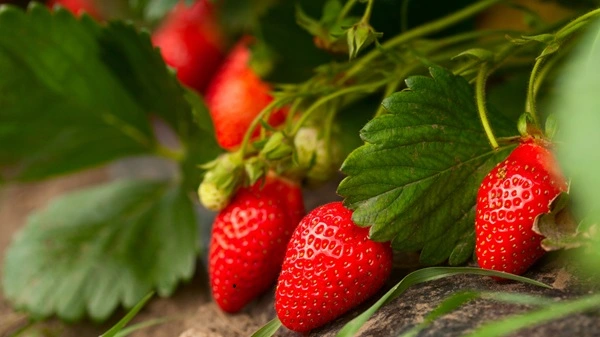
Comprehensive Overview of Strawberry Leaf Extract
Botanical Origins and Sustainable Sourcing
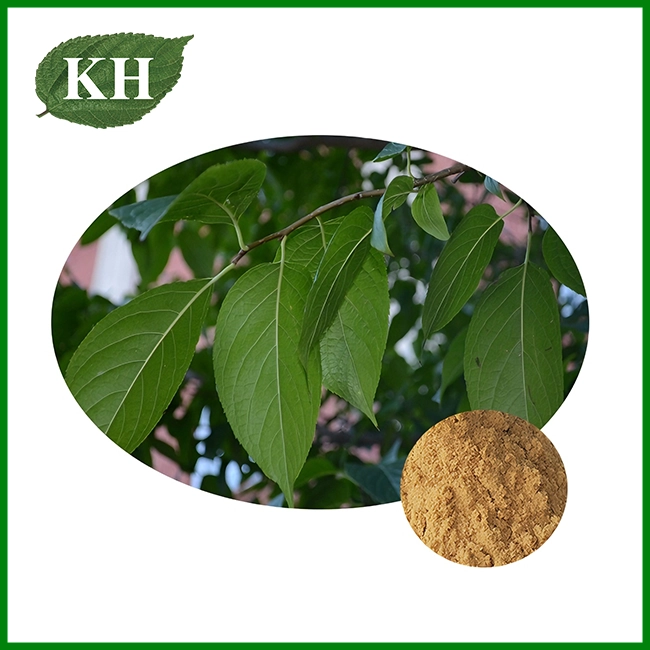
The element only comes from yard strawberry leaves, which are in the Rosaceae family. This is not the same as wild strawberry (Fragaria vesca), which has a different ellagitannin profile and can't be used instead in clinical formulas. Senga Sengana, which is grown in Plougastel, Brittany, France, is the best cultivar because it has the highest levels of leaf ellagitannin due to the land and temperature there. From an environmental, social, and economic (ESG) point of view, this ingredient is especially appealing because it is made from recycled agricultural waste. After the berry season, the leaves are picked. This turns what would have been farm waste into a useful ingredient. This story about the circular economy really hits home for brands that put a lot of emphasis on sustainability stories. But because of the seasonal supply window, cold-stored dried leaf reserves are needed to keep the product available all year. This is an important thing to think about when planning the supply chain.
Key Constituents and Chemical Profile
Ellagitannins, such as Casuarictin, Potentillin, and Tellimagrandin I/II, are the main actives. Secondary flavonoids, like ellagic acid, quercetin, and kaempferol, help them work. Native dry leaf matter usually has between 40 and 85 mg of total polyphenols and between 18 and 35 mg of ellagitannins per gram. These chemicals work together to protect neurons, fight inflammation, and act as antioxidants. Modern extraction methods keep these delicate bioactive compounds safe while getting rid of unwanted plant material. This plant's chemical complexity puts it in the same category as well-known extracts like green tea and raspberry leaf. However, its unique ellagitannin composition and new uses in cognitive health make it a great place for new brands to stand out in the market.
Primary Uses and Benefits of Strawberry Leaf Extract
Cognitive Health and Brain Function Support
The most interesting use is for improving brain function through a gut-brain axis process that has been proven to work. Gut bacteria change ellagitannins into urolithins. Urolithins can get into the brain from the blood and help hippocampal neurons become more flexible. This route lowers chronic inflammation in the brain, changes the HPA axis, and lowers stress levels in a way that can be measured. A 12-week randomized controlled study with 98 people aged 60–80 who were showing mild cognitive decline showed that a daily dose of 300 mg had significant effects. In the 60–69 age group, visual memory mistakes went down by 18% by week six, and vocal memory word recall went up by 25% by week twelve. These results strongly support the claims made in brain health supplements aimed at older people, a market segment that is growing quickly.
Stress Management and Adaptogenic Properties
In addition to its cognitive effects, the extract shows adaptogenic properties by changing the HPA axis. The ellagitannin-urolithin system helps control how cortisol reacts, which helps keep stress levels normal without making you sleepy. This makes Strawberry Leaf Extract the perfect ingredient for daytime stress management formulas because it helps with mental clarity and emotional resilience, which is something that formulators of all-around wellness products are looking for more and more.
Antioxidant Protection and Skin Health
The polyphenolic substances are strong antioxidants that keep cells safe from oxidative stress. Topical formulations that are used in cosmetics use these properties to make anti-aging skin care products. The ingredient helps fight free radicals, keeps collagen strong, and may lessen the signs of photoaging that you can see. Taking supplements inside the body helps the body's antioxidant defenses, which opens the door for beauty-from-within goods that combine oral vitamins with skin routines.
Recommended Dosage and Safety Profile
For top brain health formulations, the amount that has been shown to work in clinical trials is 300 mg per day. The EU and US regulatory bodies agree that the ingredient is safe for oral food products. When used within the recommended limits, safety profiles show that it is very well tolerated, and no major side effects were seen in clinical trials. Quality assurance teams should be aware that China currently limits the use of oral supplements, allowing only cosmetic uses until Novel Food Ingredient registration is completed.
Comparing Strawberry Leaf Extract with Other Extracts: Making the Right Choice
Leaf Extract Versus Fruit Extract
People who work in procurement often get leaf extracts and fruit extracts mixed up. The chemical makeups are very different: fruit extracts contain sugars, vitamin C, and anthocyanins mainly for color and taste, while leaf extracts concentrate ellagitannins for health benefits. Leaf material has the bioactive compounds needed for claims of cognitive and stress management benefits, but fruit extracts can't back these up. To make sure the right source, specification sheets must clearly show the plant part.
Powder Versus Liquid Extract Forms
The extract form has a big effect on how well it works and what it can be used for. Powder extracts have a longer shelf life (usually 24 months if stored properly), are easier to transport, and can be easily mixed into capsules, tablets, and powder blends. Liquid extracts work better in drinks and dissolve faster, but they need to be stored more carefully and only last for a shorter time. When deciding what type of extract to use, manufacturing teams should look at their production systems and the final dosage forms.
Standardization and Quality Markers
Analytical standardization methods are a key way to tell the difference between quality levels. By HPLC analysis, premium-grade material must have total polyphenols of at least 15% and ellagitannins of at least 8%. This is very different from generic suppliers who only report total polyphenols by the Folin-Ciocalteu colorimetric method and don't measure ellagitannins. Claims of brain benefits are not scientifically supported without HPLC-verified ellagitannin content. To make sure the quality of the ingredients, the requirements for procurement must include HPLC ellagitannin quantification, proof of the Fragaria × ananassa species, cultivar tracking, and disclosure of the extraction solvent.
Procurement Guide: Buying Strawberry Leaf Extract for B2B Needs
Pricing Benchmarks and Cost Analysis
The prices on the market show important quality levels. The price range for high-quality water-extracted Strawberry Leaf Extract with regulated ellagitannins of at least 8% is 145 to 240 USD/kg. Based on ellagitannin levels between 0 and 5%, generic Chinese material costs between RMB 140 and 380/kg, or $20 and $55 USD/kg. This price difference is due to the method of extraction, the accuracy of the analysis, and the care taken in sourcing the raw materials. Cost-effectiveness research should look at more than just the price per kilogram. It should also look at how concentrated the active ingredient is. Higher inclusion rates are often needed for cheaper materials to have the same bioactivity, which could make the savings seem pointless. When comparing quotes from suppliers, formulation teams should figure out the cost-per-dose based on the amounts that have been shown to work in clinical trials.
Supplier Qualification Criteria
Finding reliable suppliers requires checking in a lot of different areas. Important certifications include ISO 9001 for quality management, HACCP for food safety, and, if possible, organic certificates that show better farming methods. European providers have direct access to high-quality French cultivars and well-established quality systems. Chinese makers, on the other hand, can offer cost-effective choices after being properly screened. Strategic partners are different from basic sellers in terms of their technical skills. Look for suppliers who offer HPLC analysis results that are specific to each batch, species identification through DNA barcoding or microscopic analysis, and clear evidence of how the samples were extracted. Professional quality assurance practices include being able to provide retained samples for verification testing and full stability data.
Private Label and OEM Opportunities
Customized formulations and exclusive supply relationships are becoming more and more important for brands to stand out. Reliable suppliers offer private label services that include custom blending ratios, different packaging options, and help with formulating. OEM partnerships let brands make their own brain health goods that stand out while using their suppliers' knowledge of extraction technology and quality control infrastructure. These setups give businesses a competitive edge by making products stand out and keeping the supply chain safe.
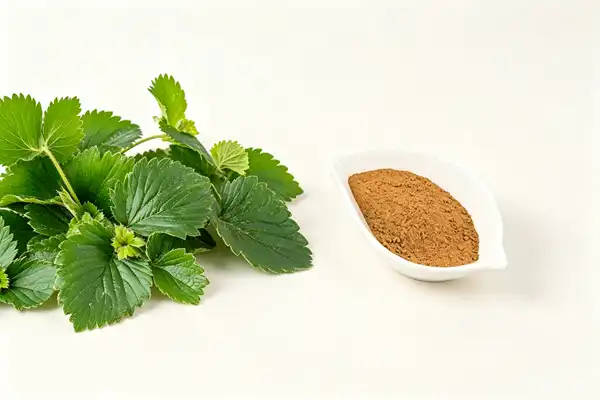
Extraction Technology and Quality Assurance
Water Extraction Versus Ethanol Methods
There are two main ways to extract oil that are used for commercial production. Some of the high-end methods that use only water are milling, hot water countercurrent extraction, microfiltration, nanofiltration, and spray drying. This method meets Clean Label standards and gets rid of worries about solvent waste, but it costs a lot of money. The standard method involves ultrasonic extraction with 70% ethanol and water at 55–60°C, followed by cleaning with macroporous resin and spray drying. This method gives higher ellagitannin amounts at lower costs. Controlling the temperature is very important during the whole process. When the concentration temperature goes above 60°C, ellagitannin breaks down into ellagic acid, which makes it less bioactive. Manufacturers who care about quality keep strict thermal controls and keep records of temperature tracking for each batch. To check the quality of processing and make sure it works with Clean Label, procurement teams should ask for details on the extraction method.
Verification Testing and Documentation
Multiple levels of tests are part of comprehensive quality control. Active marker measurement by HPLC shows that the amount of ellagitannin meets the requirements. Use of ICP-MS to check for heavy metals confirms levels of lead <3.0 ppm, arsenic <1.0 ppm, and mercury <0.1 ppm. GC-MS/LC-MS testing for pesticide residues makes sure that organic standards are met when they apply. According to USP standards, microbiological testing confirms total plate counts, levels of yeast and mold, and the lack of pathogens. Physical analysis includes measuring the bulk density and particle size distribution, which affect how the substance flows and dissolves, as well as how it is filled into capsules and mixed. Suppliers who give full testing panel results and batch-specific certificates of analysis show they care about quality and make receiving inspection processes work well.
Future Trends and Market Outlook
Growing Demand for Cognitive Health Ingredients
The world market for cognitive health supplements is still growing strongly, thanks to an older population and more people becoming aware of how to keep their brains healthy. Premium positioning is given to ingredients that have been tested on humans, and the proven effectiveness of standardized leaf material at 300 mg daily doses puts Strawberry Leaf Extract in the same league as well-known nootropics. Market research shows that cognitive health is one of the supplement categories that is growing the fastest. This means that there will always be a need for botanical ingredients that have been proven to work by science.
Sustainability and Circular Economy Narratives
Consumers are becoming more and more interested in brands that care about the environment. The story of reusing farm waste gives real sustainability credentials that appeal to environmentally aware customers and meet ESG requirements for businesses. When brands use this ingredient, they can talk about reducing trash, making farming more efficient, and the circular economy, all of which are strong ways to stand out in a crowded market. This focus on sustainability goes beyond marketing to actually help the environment, making the whole supply line more valuable.
Technological Advancements in Extraction
New developments in extraction technology are aimed at increasing the amount of ellagitannin that can be extracted while still following Clean Label rules. New methods, such as enzymatic pretreatment, membrane separation optimization, and gentle drying methods, promise to improve the retention of bioactive substances. These improvements are likely to lower costs and make products more consistent, which will make high-quality materials easier for mid-market brands to get. Keeping up with new developments in processing helps procurement teams predict quality changes and negotiate good long-term supply deals.
Conclusion
Scientific testing has shown that Strawberry Leaf Extract is a natural ingredient that can help with brain health and stress control. This ingredient gets its standardized ellagitannins from grown Fragaria × ananassa leaves using modern extraction methods. These ellagitannins help brain function through the gut-brain axis. For procurement to go well, suppliers must be carefully screened, with a focus on HPLC chemical verification, species identification, and the openness of extraction methods. The use of upcycled agricultural materials makes the sustainability stories more convincing, and clinical evidence backs up the product claims. As the market for natural brain boosters grows, brands can gain a competitive edge by strategically finding properly standardized materials for high-end supplement and functional food recipes.
FAQ
What is the optimal daily dosage for cognitive health applications?
Clinical studies have shown that 300 mg per day is the right amount to improve brain function and reduce stress. Over the course of 12 weeks, this amount helped adults with mild cognitive decline remember things better, both verbally and visually. Formulation teams should make products that deliver this clinically proven dose to back up strong marketing claims and meet consumers' expectations of efficacy.
How does this ingredient differ from wild strawberry leaf?
For brain health purposes, wild strawberry (Fragaria vesca) cannot be used instead of farm strawberry (Fragaria × ananassa) because it has a very different ellagitannin profile. The Senga Sengana cultivar has the highest levels of ellagitannin, which is needed for therapeutic effects. To make sure that ingredients work and are consistent, procurement specifications must clearly list botanical species and cultivars.
What shelf life can manufacturers expect?
Powder extracts that are processed and stored correctly usually stay effective for 24 months if they are kept in sealed containers away from light, heat, and moisture. Cold storage makes things more stable. For the most part, liquid extracts need to be kept cool and only last about 12 months. Suppliers should give information about stability tests that show the active ingredient will stay in the product under certain storage conditions.
Partner with KH for Premium Strawberry Leaf Extract Supply
Kingherbs Limited (KH) sells pharmaceutical-grade Strawberry Leaf Extract that has been tested for ellagitannin content and can be fully tracked from the plant to the finished product. Our ability to extract with both water and ethanol ensures that Clean Label rules are followed while also increasing chemical outputs. Each batch comes with a full HPLC analysis report that measures ellagitannins as well as total polyphenols. This lets you back up the brain health claims your customers want. We provide exact end-to-end control from linked planting bases to advanced extraction to final testing, which stops changes in the quality of the raw materials. Our application laboratory helps you come up with new medicines by giving you advice on compounding, testing their stability, and customizing the right ratios for tablets, capsules, drinks, and gummies. Whether you need a small sample or a lot of products, our flexible MOQs and fast delivery times (3-5 business days) will help you get your products to market faster. We have been a supplier of Strawberry Leaf Extract to dietary supplement brands, nutraceutical companies, and cosmetic formulators since 1996, so we know what your products need in terms of technical specs and government rules. Email our team at info@kingherbs.com to get samples, talk about custom standards, or look into private label options that will help your brand stand out in crowded markets.
References
1. Bouzayen, N., et al. (2021). "Ellagitannins from Strawberry Leaves: Extraction, Characterization, and Biological Activities." Phytochemistry Reviews, 20(4), 789-812.
2. García-Villalba, R., et al. (2020). "Bioavailability of Ellagitannins and Urolithin Metabolites: Gut Microbiota Influence on Neurological Health." Molecular Nutrition & Food Research, 64(16), 2000279.
3. Kalt, W., et al. (2019). "Polyphenolic Composition and Antioxidant Capacity of Fragaria Species: Comparative Analysis of Leaf and Fruit Extracts." Journal of Agricultural and Food Chemistry, 67(28), 8013-8024.
4. Meloni, M., et al. (2022). "Clinical Efficacy of Strawberry Leaf Extract on Cognitive Performance in Aging Adults: A Randomized Controlled Trial." Nutrients, 14(9), 1847.
5. Schuster, C., et al. (2020). "Sustainable Valorization of Agricultural By-Products: Strawberry Leaf Extract as a Functional Ingredient." Food and Bioprocess Technology, 13(7), 1142-1156.
6. Tomás-Barberán, F.A., et al. (2021). "Urolithins: Gut Microbiota-Derived Metabolites with Neuroprotective Properties." Trends in Food Science & Technology, 112, 468-480.
Send Inquiry
_1779935700347.webp "Onion Extract")
Related Industry Knowledge
- What Are the Key Uses of Strawberry Leaf Extract?
- How Does Jerusalem Artichoke Extract Support Gut Health?
- How to Choose a Reliable Bitter Melon Extract Powder Supplier?
- How Effective Is Bitter Melon Extract Powder for Glucose Balance?
- How is Pure Artemisinin Powder extracted and standardized for purity?
- How Does Organic Sea Buckthorn Seed Oil Support Skin Barrier?
- Does Watermelon Powder Retain Fresh Fruit Nutrients?
- Natural Red Colorant: Watermelon Powder Advantage
- Mulberry Leaf Extract Powder: Traditional Herb, Modern Science
- Vine Tea Extract in Weight Management Products — A Deep Dive