_1762508637542.webp)
How is Pure Artemisinin Powder extracted and standardized for purity?
May 29, 2026
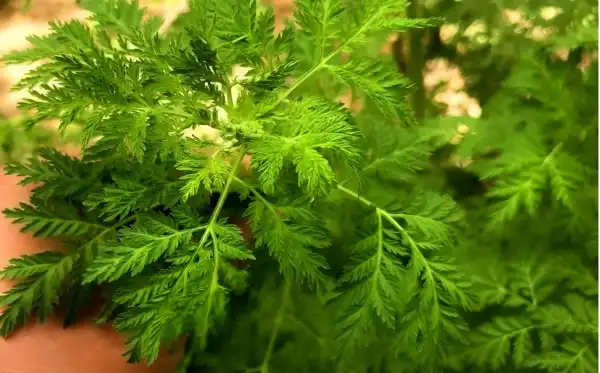
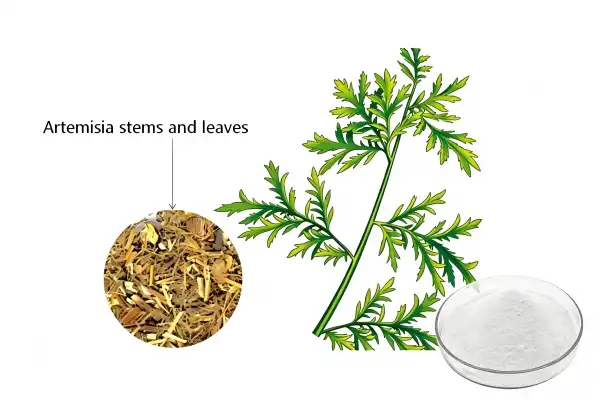
Pure Artemisinin Powder is made through a complex, multi-step process that starts with collecting Artemisia annua leaves when they have the highest amount of artemisinin, which is usually during the blooming stage. Using food-grade ethanol or supercritical CO2 technology as a solvent for the extraction process. This is followed by crystallization, filtration, and chromatography processing. High-Performance Liquid Chromatography (HPLC) testing is used to standardize the quality of a substance. This test accurately measures the amount of artemisinin present while also finding related flaws. This strict process makes sure that the quality is pharmaceutical-grade, with purity levels ranging from 30% to 99%. It meets international pharmacopeia standards and gives batch-level tracking that is needed for regulatory compliance in pharmaceutical and nutritional uses.
Understanding Artemisinin Powder and Its Market Significance
Pharmaceutical, nutritional, and study industries around the world continue to increase their needs for high-purity artemisinin. This sesquiterpene lactone, which comes from Artemisia annua L., has changed the way malaria is treated around the world. It is now getting attention for new uses in cancer studies and immune system modulation. More and more, procurement managers have to find plants that meet strict quality standards while keeping the supply chain strong.
Core Applications Driving Market Demand
Pharmaceutical companies use standardized artemisinin as the main ingredient in artemisinin-based combination treatments (ACTs). The WHO suggests these as the best way to treat malaria in the first place. The compound's special endoperoxide bridge kills parasites quickly, which makes it essential in places where some types are chloroquine-resistant. Researchers are looking into its possible anti-inflammatory and anticancer effects in addition to its use against malaria. This is creating new market niches in functional medicine and dietary products. When procurement experts are looking at sources, it's important for them to know how the extraction method affects the quality of the end product. Consistency in the amount of active ingredients has a direct effect on the accuracy of the recipe, compliance with regulations, and treatment effectiveness. Variability from batch to batch can slow down product development and raise production costs, so choosing a seller should be a strategic choice rather than a transactional one.
Regulatory Landscape and Quality Expectations
Business-to-business buyers now want more than just simple certificates of analysis. They want full proof. It is now normal for pharmaceutical-grade material to follow USP or EP monographs, which require traceability from cultivation to final tests. These rules say how much of certain elements, like heavy metals, pesticides, solvents, and other chemicals, are allowed in the final product. Companies that sell in more than one foreign market have to deal with different rules and regulations. This makes provider flexibility and technical knowledge important Artemisia annua Extract Powder qualities for a good relationship.
Traditional vs Modern Extraction Methods of Artemisinin Powder
The economic viability, environmental effect, and quality of the finished product are all largely determined by the extraction technology used. Knowing about these methods helps buying teams figure out what suppliers can do and what problems might happen in the supply chain.
Conventional Solvent Extraction Approaches
In the old ways of getting artemisinin out of dried leaves, chemical solvents like petroleum ether, hexane, or ethyl acetate are used. The results from these methods are usually between 0.3% and 0.8% of the dry plant weight, and the purity levels need a lot of work after extraction. The process starts with maceration or percolation of ground plant material. This is followed by evaporation of the liquid, crystallization from methanol or acetone, and then recrystallization to improve clarity. Even though standard extraction is cheap on a small scale, there are some problems with getting it. To meet pharmaceutical standards for residual solvent contamination, Class 1 and Class 2 solvents that are controlled by ICH Q3C rules need to go through a lot of tests. Batch inconsistency happens because of different plant materials and manufacturing factors that depend on the operator. When evaluating suppliers, environmental factors are also taken into account, as solvent recovery systems and garbage treatment methods have an impact on the long-term viability of operations.
Advanced Extraction Technologies
More and more modern providers use supercritical CO2 extraction, which raises the temperature and pressure of carbon dioxide above its critical point to specifically dissolve artemisinin without leaving behind any harmful byproducts. While this method makes better extracts and requires less post-processing, it still costs more to invest in the equipment. Microwave- and ultrasonic-assisted extraction are middle-of-the-road technologies that make processes faster and more productive than standard methods. We use hybrid extraction methods at our sites that blend ethanol that is safe for food with temperature-controlled crystallization sequences. This method strikes a mix between low production costs and high product purity, as it doesn't use any harsh industrial fluids. Because we work with dedicated farming bases, we can make sure that the harvest time is right for when the most artemisinin is being made in the trichomes of the leaves. This usually happens in the early stages of blooming, when sesquiterpene lactone biosynthesis is at its peak. The first step in our extraction process is quick drying to keep the artemisinin from breaking down. Next, the particles are mechanically ground to the best size for solvent entry. Counter-current extraction increases output while reducing fluid use. The highly sensitive endoperoxide bridge is then concentrated in a vacuum at controlled temperatures. Column chromatography is used for final purification, which gets rid of artemisinin and other similar chemicals, meeting the standards for medicinal use.
Standardizing Purity: Quality Control and Testing Protocols
Quality assurance procedures are the building blocks of reliable Artemisinin Powder supply lines. They provide the paperwork needed for regulatory filings and protect the company from product liability. Modern analytical methods now allow accurate characterization at the batch level, which allays worries about fraud and changes in makeup.
Critical Quality Attributes and Testing Methods
High-Performance Liquid Chromatography (HPLC) is the best way to measure the amount of artemisinin in a sample. It does this by using reversed-phase columns and UV measurement at 210–216 nm to separate the target substance from impurities that have similar structures. Pharmacopeia-compliant methods spell out the mobile phase's make-up, flow rates, and system fit requirements so that results can be repeated in different labs. When mass spectrometry is combined with HPLC, it gives extra proof of molecular identity and finds small contaminants that are too small for UV to see. In addition to determining the assay, thorough quality control looks at a number of factors that affect the performance and stability of the product. Testing for loss on drying, which is usually done at 105°C for two hours, shows that the moisture level is below 0.5%. This keeps the product from breaking down during storage due to Artemisia annua Extract Powder hydrolysis. Using laser diffraction or sieve analysis to look at the particle size distribution has an effect on how quickly medication formulations dissolve. Gas chromatography testing for residual solvents makes sure that tight limits for methanol, ethanol, acetone, and other processing chemicals are met.
Regulatory Compliance Considerations
Good Manufacturing Practice (cGMP) certifications must be kept up to date by suppliers who work with pharmaceutical companies, and buyers and regulatory bodies must regularly check these suppliers. Our buildings are registered with ISO9001, FSSC22000, KOSHER, HALAL, HACCP, and the FDA. This shows that we are committed to quality systems that go above and beyond what is needed to comply. These approvals give procurement teams faith that risk management, change control, and continuous improvement methods used by suppliers are in line with what the pharmaceutical industry expects. The testing protocols have to match the needs of the target market, which are very different from one area to the next. In some test factors and acceptance requirements, European Pharmacopeia standards are different from US Pharmacopeia standards. Suppliers who have the technical know-how to handle these standards are very helpful during the product filing process and shorten the time it takes to get a product on the market.
Comparing Artemisinin Powder Types and Their Procurement Implications
The market for Artemisinin Powder has a wide range of products with different specs that can be used for different purposes and cost ranges. When buying, teams know about these choices, and they can make the best material choice based on product needs and business goals.
Purity Grades and Specification Options
4:1 or 10:1 ratio extracts are made up of concentrated plant material that usually has between 3% and 5% artemisinin purity. These products have more phytonutrients from Artemisia annua, like flavonoids, coumarins, and other terpenes, which may work better together in traditional medicine. Ratio extracts are a good choice for food supplement formulations where standardizing plant identity is more important than isolating pure compounds because they are cheaper. Artemisinin levels in the middle, between 28% and 30%, are good for nutritional uses that need higher strength than whole-herb extracts but can handle lower purity than pharmaceutical standards. Partially purifying these materials gets rid of the main plant structure while keeping the concentrated form of artemisinin. Formulation options are better than with low-purity extracts, but testing is more difficult because of the plant parts that are still present. We offer regular specs across this range of purity, such as 28%, 30%, and custom concentrations up to 99%, so customers can match the grade of material to the needs of their application. Our expert team helps with formulation so that cost, effectiveness, and legal compliance goals are all met. Samples make bench-scale testing possible before committing to commercial amounts, which lowers the risk of buying for new product development projects.
Supplier Evaluation Criteria
To find trusted providers, you need to do more than just compare prices. Minimum order numbers affect the cost of keeping inventory and the amount of operating capital needed. We can take sample orders and small trial amounts before needing commercial minimums of 25 kg. This lets you make sure everything works well before you buy in bulk. Being able to ship quickly (within 3–5 business days) and having ready stock on hand helps manufacturers be more flexible and cut down on supply chain wait times. Technical help is what sets key partners apart from commodity providers. Our application laboratory helps with formulation improvement for cosmetics, soft capsules, tablets, and drinking systems. Help with stability tests and advice on compatibility make it easier for development teams to deal with formulation problems. Custom blending services make specific ratio mixes or functional combinations that set finished goods apart in markets where competition is high.
Best Practices for B2B Procurement of Artemisinin Powder
Strategic buying is more than just finding suitable Artemisinin Powder sources; it also includes building relationships and making the supply chain work better. Structured evaluation methods and relationships where people work together give businesses long-term economic benefits.
Supplier Qualification and Validation
A full evaluation of a provider starts with looking at their paperwork, such as business licenses, manufacturing certificates, and proof of their quality system. Site checks make sure that the facilities can do what they say they can do and look for possible risk factors in production methods or quality systems. Checking references with present customers can give you an idea of how reliable, communicative, and problem-solving-focused someone is during quality investigations or supply delays. Independent lab testing of samples verifies the analytical data provided by the provider and sets basic quality standards. Customers are welcome to have a third-party check our CoA findings. This shows that they trust our quality systems and builds trust through openness. Comparative testing of products from different sources shows differences in quality that may not be shown on specification sheets. These differences are mostly in impurity profiles and physical properties that affect processes further down the line. Before signing a long-term supply deal, business trial orders are used to make sure that production is consistent and that logistics can be carried out. We keep popular specs in stock so that we can quickly fill validation orders without having to wait for longer lead times. This inventory approach helps customers meet their development deadlines and shows that the supply chain is reliable, which is important for relationships in pharmaceutical manufacturing.
Building Strategic Supplier Relationships
Long-term relationships add value beyond just making transactions easier by allowing people to work together to come up with new ideas and connect their supply chains. Sharing roadmaps for product development helps sellers buy the right tools and guess what customers will need in the future. We keep in touch with our key customers on a daily basis to talk about planning their crops, putting their inventory in the right place, and improving quality in ways that help their businesses succeed. Through custom formulations and unique processing methods, technical cooperation creates chances to stand out. Our research and development (R&D) helps with co-development projects that make new products with specs that can't be found through normal supply routes. Protections for intellectual property and agreements for supply rights match interests and encourage both parties to invest in new ideas. Procurement teams should set clear performance goals and check up on suppliers on a regular basis with scorecards that look at things like consistent quality, reliable delivery, quick responses from technical support, and staying in line with regulations. Clear conversation about what is expected and structured ways to give feedback allow for ongoing growth and relationship strengthening. We welcome surveys and conversations with customers about our performance as chances to show our commitment and find ways to make things better.
Conclusion
It takes advanced process control, analytical skills, and quality system discipline to extract and standardize high-purity Artemisinin Powder. This is what sets pharmaceutical-grade makers apart from cheap providers. To make sure that the quality of the materials meets the needs of formulations and follows all regulations, procurement professionals must carefully look at the extraction methods, testing processes, and provider capabilities. By knowing the purity requirements, licensing requirements, and organizational issues, you can make smart choices that balance cost, quality, and the dependability of the supply chain. Strategic relationships with suppliers based on openness, technical cooperation, and common goals give companies long-term competitive benefits in the pharmaceutical and nutritional markets, which are changing quickly.
FAQ
1. What distinguishes pharmaceutical-grade artemisinin from standard extracts?
Pharmaceutical-grade material is 98–99% pure after going through many steps of chromatographic processing and recrystallization. It meets the requirements of USP or EP monographs for test, impurities, and leftover solvents. Standard extracts are between 3% and 30% pure and contain extra plant parts from Artemisia annua. The decision depends on the needs of the application. For example, pharmaceutical APIs need to be very pure to meet regulatory requirements, but dietary supplements may use less pure extracts because the benefits of the whole herb add value to the product. Our portfolio covers this range of specifications, and we have the right paperwork for each purity grade.
2. How does the extraction method impact final product safety and efficacy?
For pharmaceutical uses, extraction chemicals leave behind traces that need to be closely watched. Gas chromatography tests must be done to make sure that Class 1 and Class 2 solvents meet ICH standards for traditional petroleum ether or hexane extraction. When food-grade ethanol or supercritical CO2 is used for extraction, the profiles are better, and testing isn't needed as much. The endoperoxide bridge is important for cellular function, but high temperatures during processing can break it down. This is why controlled extraction conditions are so important. To make sure they are safe and effective, we use tested low-temperature methods and residual solvent tests.
3. What documentation should procurement teams request from suppliers?
Comprehensive providers give Certificates of Analysis that are batch-specific and include heavy metal results, pesticide screening, microbe testing, HPLC chromatograms, and physical profile data. Regulatory submissions are supported by traceability paperwork that connects materials to specific harvest and processing times. Current copies of GMP, ISO, and organic certifications show that continued compliance is being maintained. We keep full documentation packages that meet the standards of the pharmaceutical business and offer expert help during audits by customers or regulatory inspections.
Partner with KH for Premium Artemisinin Powder Supply
Kingherbs Limited has been extracting plants for more than 25 years and works with pharmaceutical companies, nutrition brands, and research institutions that need a trusted source of Artemisinin Powder. Our quality control starts at partner cultivation bases, where we keep an eye on the seeds that are used, the dirt, and the right time to pick to get the most artemisinin out of the plants. Using only pure water, Artemisinin Powder, and food-grade ethanol for natural extraction gets rid of harsh solvent leftovers and gives you constant purity from 3% to 99%, depending on your needs. Our dedication to pharmaceutical-grade quality systems is shown by our many certificates, such as ISO9001, FSSC22000, KOSHER, HALAL, HACCP, and FDA registration. As a well-known company that makes Artemisinin Powder, we keep it in stock so that we can send it quickly (within 3–5 days), and we welcome sample orders before making any firm business promises. Get in touch with our expert team at info@kingherbs.com to talk about your formulation needs and get full specs along with HPLC analysis results.
References
1. World Health Organization. (2015). Guidelines for the Treatment of Malaria, Third Edition. WHO Press, Geneva, Switzerland.
2. Ferreira, J.F., Luthria, D.L., Sasaki, T., and Heyerick, A. (2010). Flavonoids from Artemisia annua L. as Antioxidants and Their Potential Synergism with Artemisinin against Malaria and Cancer. Molecules, 15(5), 3135-3170.
3. United States Pharmacopeial Convention. (2021). Artemisinin Monograph. USP 44-NF 39, Rockville, Maryland.
4. Czechowski, T., Larson, T.R., Catania, T.M., Harvey, D., Brown, G.D., and Graham, I.A. (2016). Detailed Phytochemical Analysis of High- and Low Artemisinin-Producing Cultivars of Artemisia annua. Frontiers in Plant Science, 7, Article 1248.
5. Pandey, A. and Pandey, R.D. (2017). Extraction and Purification of Artemisinin from Artemisia annua: A Review. International Journal of Pharmaceutical Sciences and Research, 8(6), 2396-2407.
6. International Conference on Harmonization. (2017). Residual Solvents Q3C(R6) Guidelines for Pharmaceutical Product Specifications. ICH Harmonized Tripartite Guideline, Geneva, Switzerland.
Send Inquiry

Related Industry Knowledge
- Ivy Extract Powder: A Traditional Medicine for Cough and Respiratory Health
- Passionflower Extract Powder For Sleep & Stress Reduction
- Vine Tea Extract Benefits Explained: What Buyers Need to Know
- Is Watermelon Powder Good for Digestive Health?
- Is Couch Grass Rhizome Extract Effective for Kidney Health?
- Polygonum Cuspidatum Extract for Comprehensive Wellness Solutions
- Vine Tea Extract Benefits: Science-Backed Health
- How Resveratrol in Polygonum Cuspidatum Extract Works for Wellness?
- Premium Watermelon Powder for Functional Beverage Formulas
- Macleaya Cordata Extract: Natural Anti-Inflammatory Ingredient