_1762508637542.webp)
How to Choose a Reliable Bitter Melon Extract Powder Supplier?
Jul 16, 2026
To locate a reliable source for Bitter Melon Extract Powder, you need a plan that includes quality control, following the rules, and making sure the supply chain works well. As buying managers and R&D leaders try to find botanical ingredients, they need to understand the different ways that suppliers can help them. A reliable partner gives you more than just raw materials; they also provide batch-level traceability, expert formulation support, and consistent product specs that match the standards you set for your manufacturing. The right provider will make sure that your products stay effective while also meeting strict compliance standards for pharmaceutical, functional food, and dietary supplement uses.
Understanding Your Procurement Needs for Bitter Melon Extract Powder
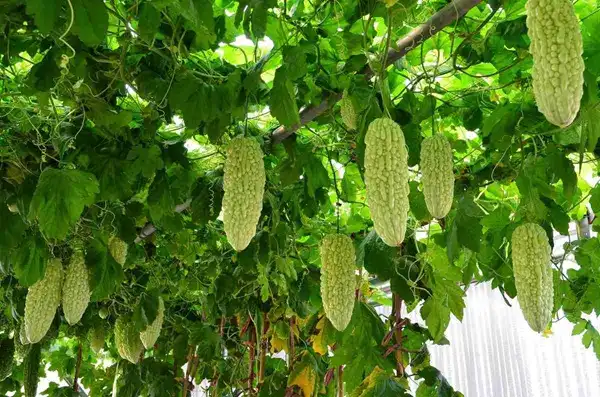
Before talking to possible sellers, it's important to be clear about what you need before you start looking for it. Whether you're making capsules for blood sugar support, healthy beverage recipes, or cosmetics with natural antioxidants, the application context has a big impact on your specs. Figuring out what you need to buy for Bitter Melon Extract Powder establishes a foundation for successful sourcing.
Defining Application-Specific Requirements
The end-use program sets important settings. Dietary supplement makers usually need a uniform amount of charantin, typically between 3% and 20%, which can be checked using UV or HPLC testing. For example, people who make functional foods might focus on water-soluble extracts with bland flavours, while those who make cosmetics might look at antioxidant levels and bacteria limits. Knowing these differences helps you give clear instructions to sellers, ensuring the extract powder meets your manufacturing goals.
Determining Order Volume and Testing Needs
The scale of procurement varies significantly depending on the size and stage of growth of the company. R&D-driven brands usually start with sample amounts of 100 grams to 5 kilograms to test the stability and make prototypes. Once formulations are stable, mid-sized manufacturers usually move on to 25-kilogram business sales. Large-scale producers need providers who can reliably send multiple tonnes of goods at set times. Setting your volume needs early on makes it easier to find providers with the right production capacity and methods for managing their stock.
Establishing Quality Benchmarks
There are more quality factors than just the amount of active ingredient. Full specs should include checking the botanical source (Momordica charantia Linn.), ensuring that different parts of the plant are the same (fruit and leaf extracts have different phytochemical profiles), describing the product's appearance, the mesh size for even mixing, and the maximum amount of solvent waste allowed. Making it clear whether you need organic certification, non-GMO proof, or specific allergen-free status speeds up the seller screening process and avoids costly delays in reformulating.
Core Criteria to Evaluate Bitter Melon Extract Powder Suppliers
For source review to work well, you need to plan it carefully and consider many factors. Instead of only looking at price, smart procurement teams use thorough screening procedures that consider quality assurance, operational skills, and the possibility of a long-term relationship.
Certification Verification and Regulatory Compliance
Legitimate providers keep up-to-date third-party certifications that show they follow quality management systems. The ISO9001 certification shows that the quality control methods are organized, while the FSSC22000 certification focuses specifically on food safety management. Throughout production, we use hazard analysis procedures, as shown by the HACCP approval. KOSHER and HALAL certifications make it easier for goods to reach more customers in different areas. Even though FDA registration is not the same as approval, it shows that a production site is following U.S. rules.
If you want to be sure that the certificates on websites are real, you should ask for recent audit reports and check with the organizations that issued them. Suppliers who are truly committed to compliance will gladly give you batch-specific Certificates of Analysis that show the amounts of active ingredients, heavy metals, chemical residues, and bacterial tests that were done. These papers should use USP or EP standards that matter to your customers.
Extraction Technology and Product Integrity
The way an extraction is done has a huge effect on the quality, safety, and marketplace of the end product. Some of the best providers only use water or food-grade ethanol to remove the oil, never harsh chemicals like methanol or acetone. When you use these clean extraction methods, you get better colour consistency, better solubility, and no worries about dangerous leftovers building up.
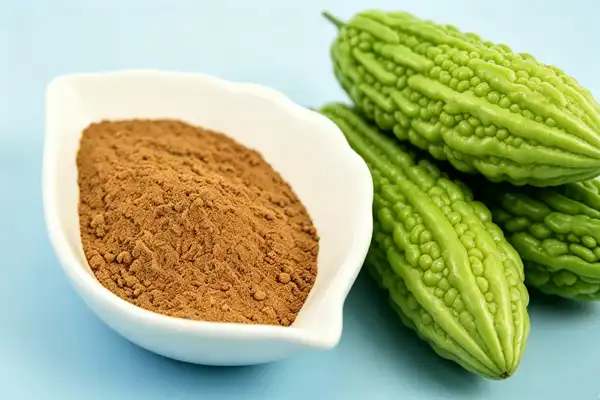
Ask about the extraction factors, such as temperature control, process duration, and concentrate production. Modern providers use standard procedures to ensure each batch has the same amount of charantin. The fine brown-yellow powder produced should have regular particles that are 80 mesh or smaller. This will allow it to mix well in capsule, tablet, or beverage formulas. When suppliers provide specific process paperwork, it indicates that they know how to make things well, which leads to reliable product performance.
Supply Chain Transparency and Traceability
Full visibility of the supply chain starts at the farming beginnings. Leading sellers work directly with cultivation bases to choose which varieties to grow, how good the land is, and when to gather. This participation upstream guarantees the authenticity of the plant and improves the concentration of active compounds. When you ask possible sellers where they get their raw materials, unclear answers like "multiple sources" make you worry about inconsistent quality.
Batch tracking systems should be able to connect specific lots of fruit, times of processing, and test results to finished extract powder. This paperwork is very helpful during quality reviews, audits by regulators, or audits by customers. Suppliers who offer full tracking show that their operations are mature and accountable, which protects the image of your brand.
Logistics Capabilities and Order Flexibility
Practical issues can significantly affect your relationships with suppliers. Check your usage trends against the minimum order amounts. New brands or formulations that aren't widely used can find firm 500-kilogram minimums hard to meet. Progressive suppliers are willing to take sample orders and small-batch trials because they know that tomorrow's 500-kilogram order could turn into today's 5-kilogram order.
Shipping dependability is just as important. Suppliers who keep stock on hand guarantee quick shipping, and samples usually arrive in 3–5 business days by fast courier. For business shipments, there should be various shipping choices, such as air freight for pressing needs and ocean freight for large orders that save money. When suppliers pack products properly in 25-kilogram fibre drums with moisture barrier covers, the products stay intact during shipping and storage.
Comparing Different Supplier Types and Products
There are different types of suppliers in the plant ingredient market, and each has its pros and cons. Knowing these differences can help you match the skills of a seller with your unique buying needs.
Manufacturer versus Distributor Models
Direct makers oversee the whole production process, from processing the raw materials to putting them in boxes. This kind of vertical integration usually leads to better prices, more customization options, and more expert help. Manufacturers can change the extraction settings to fit your specific needs, help you build thorough analytical methods, and test your formulation matrices for stability.
Distributors bring together goods from many different makers, making things easier by letting you choose from a wide range of products and place smaller orders. This model works well for businesses that need a variety of ingredients from a single source, but it adds more steps to the supply chain that can make it harder to find ingredients and solve quality problems. Prices usually include margins for distributors, and professional help options are unique.
Organic Certification Considerations
Bitter Melon Extract Powder that is certified organic costs more, but it can help brands reach new customers and improve clean labelling. The licensing process checks that farming methods don't use synthetic fertilizers and herbicides, and it requires written records of all the steps taken. Even though it costs more, organic certification is often necessary for brands that want to sell to health-conscious customers or natural goods stores to get accepted in the market.
Standard extracts made from bitter melon that is grown in a conventional way are cheaper and still safe and effective after being checked for heavy metals and chemical residues. Many well-known supplement brands successfully use non-organic extracts, prioritizing marketing potency standardization and clinical study backing over organic status.
Powder versus Alternative Formats
Even though this article is mostly about extract powder, knowing about other formats helps with making smart decisions about where to get materials. Powder types give formulators the most options because they are easy to put into pills, tablets, packs, drinks, and topical treatments. The 25-kilogram box package is cost-effective for companies that already make many things.
Some sellers sell goods that are already in capsules or liquid extract concentrates. These forms cut down on the need for in-house processing, but they make it harder to control the composition and usually raise the cost per unit. Liquid extracts are particularly challenging to keep stable and make shipping more difficult. For most business-to-business uses, the fine powder version is the best mix of flexibility, security, and low cost.
Mitigating Risks and Ensuring Reliable Supply Chains
Active risk management shields against supply problems, poor quality, and legal issues that could delay product launches and hurt a brand's image.
Identifying Common Supply Chain Vulnerabilities
Getting plant ingredients is hard for several reasons. When sellers show old or fake certificates, this practice is called certificate theft. Never take certificates from a supplier at face value; always check them directly with the organizations that issued them. Another big problem is that some dishonest sellers may reduce expensive extracts with cheaper fillers while still saying they are fully effective. Third-party checking of new materials by an independent party is an important way to ensure they are correct.
Inconsistency between batches hurts the reliability of the recipe. Suppliers who don't use controlled sourcing and standard processes make materials with different amounts of active ingredients, which can affect how well a product works and how accurately the label claims it is made. This variation makes reformulation necessary and could lead to problems with not following the rules set by regulators.
Implementing Supplier Qualification Protocols
Systematic methods for qualification lower the risks of buying. Ask for complete sets of paperwork that include business licenses, registrations for manufacturing facilities, recent audit reports from a third party, and customer references. Before agreeing to large quantities, test the material first with small trial orders. Check the quality of the samples, the accuracy of the analytical paperwork, and the shipping schedule.
On-site audits give key providers a lot of useful information. Facility visits show how much is being made, how advanced the technology is, how well the quality control lab works, and how professionally the business is run overall. Even if actual audits aren't possible, virtual building tours through videoconferencing can still be useful for evaluating suppliers.
Building Long-Term Partnership Frameworks
There are many perks to switching from transactional buying to strategic relationships. Set up clear quality agreements that include specs, testing methods, accepted ranges of variation, and steps to take if something doesn't meet standards. These deals hold each other accountable and make it easier to solve problems.
Reviewing success on a regular basis keeps relationships healthy. Check things like how often deliveries are made on time, how accurate the certificates of analysis are, how quickly people respond to messages, and the quality of technical help. Suppliers who meet performance standards get more orders and chances to work together on new projects. Underperforming providers get structured comments on how to improve or are considered for replacement.
Diversification plans strike a mix between supply security and the depth of relationships for Momordica Charantia Extract sourcing. While combining all of your sourcing into one strategic partner can save you money and help you work together on technical issues, having qualified backup sources on hand is the best way to avoid problems that come up out of the blue. A main seller handling 70–80% of the business and a qualified secondary source offering backup capacity is often the best way to do things.
Leveraging Reviews, Case Studies, and Market Feedback
Real-world proof backs up what suppliers say and shows performance trends that weren't seen in the first evaluations. Professionals in procurement can benefit from collecting and analyzing seller image data in a planned way.
Analyzing Independent Customer Feedback
Online reviews and testimonials can give you an idea of how reliable a company is, but you need to be careful how you read them. Instead of general praise, look for in-depth accounts that talk about particular events. Meaningful reviews talk about specific things like how accurate the analysis is, how well the shipments are packaged, how quickly technical help responds, or how well the problem is solved.
Professional networks and groups for your industry can help you learn a lot from each other. Coworkers who are having the same problems with buying things share their experiences with suppliers, look out for new quality problems, and suggest trustworthy partners. These knowledge trades are made easier by LinkedIn groups that are specific to making dietary supplements, finding food ingredients, or using plant extracts.
Examining Supplier Innovation and Technical Capabilities
Suppliers who are on the cutting edge put money into research, the creation of new testing methods, and application support that goes beyond just providing ingredients. Suppliers with fully equipped application labs help with formulating better goods, testing their safety, and making sure they work well with various delivery systems, such as drinks, gummies, tablets, and skin care items.
Having access to specific component spectra through HPLC analysis results shows that you are good at analysis. These chromatograms show more than just the strength numbers; they also show the full phytochemical makeup, which helps with formulating problems and setting your product apart from competitors. When suppliers give you such thorough paperwork, it shows that they care about technical excellence and being open and honest.
New developments in mining technology are always making the standard of the products better. With water-based extraction methods, you don't have to worry about solvent waste at all. Using enzymes to help with extraction increases yield and absorption. When suppliers talk about how they are investing in new technology and improving processes, it shows that they are thinking ahead, which is good for long-term relationships.
Conclusion
When looking for a dependable provider of Bitter Melon Extract Powder, you need to think about a lot of things, such as the credibility of the certification, the extraction method, the openness of the supply chain, the operating flexibility, and the technical support skills. Finding the cheapest quote isn't the only thing that goes into successful buying. You also need to build relationships with providers that show consistent quality, deep regulatory compliance, and the ability to work together to solve problems. Companies that put in the time and effort to carefully evaluate suppliers, set up organized qualification processes, and build strategic relationships set themselves up for success in formulation, regulatory trust, and market competition. When you find the right provider, they become an extension of your development team, giving you expert advice and reliability that makes your products better.
FAQ
Frequently Asked Questions About Where to Find Bitter Melon Extract Powder provide essential guidance for procurement teams navigating the botanical marketplace.
What certifications should a reputable supplier possess?
Real providers keep their ISO9001, FSSC22000, HACCP, and market-specific standards like KOSHER and HALAL up to date. The FDA building registration shows that a business is aware of U.S. regulations. Always check certificates directly with the granting authorities instead of just using copies from the seller.
How does charantin content impact product efficacy?
The amount of charantin directly affects how well it helps control blood sugar. Standardized extracts with 3% to 20% charantin make it possible to make reliable formulations and know exactly how they will work biologically. Higher amounts let you use less of a dose, but they need careful preparation and knowledge. Check the content using UV or HPLC testing, which is recorded in reports of analysis that are specific to the batch.
What minimum order quantities should I expect?
Progressive manufacturers can handle sample orders ranging from 100 grams to 5 kilograms so that new products can be made. For commercial output, the minimum weight is usually 25 kilograms, which are packed in fibre bins. Flexible sellers know that new brands get established customers, so they offer small trial amounts to support new ideas without putting too much risk on their inventory.
How quickly can I receive samples for evaluation?
Suppliers who keep samples in stock usually send them out via fast mail within 3–5 business days. If the wait time is longer than two weeks, it could mean that there are problems with the supplies or delays in production that could affect future business orders. Fast sample delivery is often a good indicator of how quickly operations will be in general.
Partner with KH for Premium Bitter Melon Extract Powder Supply
Obtain Premium Bitter Melon Extract Powder by Working with KH. Kingherbs Limited can help you with your sourcing problems because they have almost 30 years of experience working with plant ingredients. Our Bitter Melon Extract Powder is a great example of how committed we are to quality. It comes from controlled cultivation partnerships that ensure the botanicals are real; is extracted using pure water and food-grade ethanol, so there are no worries about solvent residue; and it is standardized to exact charantin specifications from 3% to 20%. We have many certificates, such as ISO9001, FSSC22000, KOSHER, HALAL, and HACCP, and our production can meet USP and EP standards.
We are more than just a supplier of high-quality goods; we are also your expert partner. Our application laboratory helps with the development of formulas for drinks, gummies, tablets, and skin care products by checking their safety and making sure they work with other products. Each batch comes with detailed HPLC component profiles that make everything clear. We can handle both business volumes and sample orders and small-batch trials. We also keep a lot of stock on hand so that we can send within 3–5 days for urgent needs. We want you to experience the Kingherbs difference, whether you're a company that makes dietary supplements and needs a reliable provider, an R&D team that's working on new formulas, or a buying manager who's trying to get the best deals on ingredients. Email us at info@kingherbs.com to talk about your specific needs, ask for samples, or look into special recipe options that are made for your specific uses.
References
1. Chen, Q., & Li, E. T. (2005). Reduced adiposity and enhanced leptin sensitivity in bitter melon extract-fed rats. International Journal of Obesity, 29(8), 895-901.
2. Joseph, B., & Jini, D. (2013). Antidiabetic effects of Momordica charantia and its medicinal potency. Asian Pacific Journal of Tropical Disease, 3(2), 93-102.
3. Tan, M. J., Ye, J. M., Turner, N., Hohnen-Behrens, C., Ke, C. Q., Tang, C. P., & Wu, Y. (2008). Antidiabetic activities of triterpenoids isolated from bitter melon are associated with activation of the AMPK pathway. Chemistry & Biology, 15(3), 263-273.
4. Krawinkel, M. B., & Keding, G. B. (2006). Bitter gourd (Momordica charantia): A dietary approach to hyperglycemia. Nutrition Reviews, 64(7), 331-337.
5. Grover, J. K., & Yadav, S. P. (2004). Pharmacological actions and potential uses of Momordica charantia: A review. Journal of Ethnopharmacology, 93(1), 123-132.
6. Nerurkar, P. V., Lee, Y. K., & Nerurkar, V. R. (2010). Momordica charantia (bitter melon) inhibits primary human adipocyte differentiation by modulating adipogenic genes. BMC Complementary and Alternative Medicine, 10(1), 34-42.
Send Inquiry

Related Industry Knowledge
- Angelica Officinalis Extract Extraction Process Explained for Buyers
- Passionflower Extract Powder for Insomnia: Is It Effective?
- What Are the Benefits of Maca Extract Powder?
- Does Watermelon Powder Retain Fresh Fruit Nutrients?
- Valerian Root Extract Powder in Functional Wellness Products
- Can Maca Extract Powder Help with Hormonal Imbalance?
- Is Apple Root Extract Safe for Daily Use?
- Can Watermelon Powder Support Nitric Oxide Production?
- What Is Macleaya Cordata Extract Used For?
- Can Olive Extract Powder Support Healthy Blood Sugar?