_1762508637542.webp)
Passionflower Extract Powder for Insomnia: Is It Effective?
Jul 8, 2026
Passionflower Extract Powder works to help people who have trouble sleeping because it contains beneficial flavonoids and vitexin, which change the activity of GABA receptors to shorten the time it takes to fall asleep and make sleep better overall. Standardised extracts with 3.5% to 10% flavones consistently have calming effects that help with rushing thoughts and an overactive nervous system that keeps people from getting a good night's sleep. Unlike man-made sleep aids, this plant ingredient calms the mind naturally, without making you sleepy the next day or making you dependent on it.
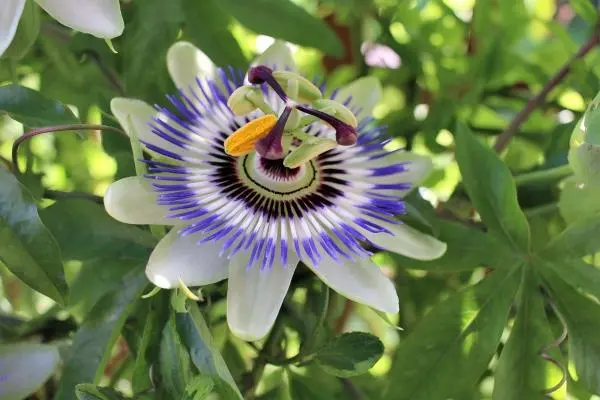
Understanding Insomnia and the Role of Botanical Sleep Aids
About 30% of adults around the world have trouble sleeping, with sleeplessness being the most common type. Insomnia is when you have trouble falling asleep or staying asleep, even when you should be able to. It can be caused by many things, such as long-term worry, hormonal changes, environmental disruptions, and underlying medical conditions. The effects aren't just tiredness—loss of cognitive function, lower output, a weakened immune system, and a higher chance of chronic diseases all add up to big problems for health and the economy.
The Science Behind Passionflower's Calming Mechanism
Passionflower Extract Powder helps your body naturally fall asleep in several ways. Flavonoids like vitexin, isovitexin, and orientin are the main active ingredients. They work with the GABAergic system. Gamma-aminobutyric acid (GABA) is the brain's main regulating chemical. It makes neurons less excitable and more relaxed. According to a clinical study, chemicals from passionflower bind to GABA-A receptors, making this calming effect stronger without the risks of becoming dependent on them like benzodiazepines do.
In addition to changing GABA, the alkaloid content has mild calming effects, and the flavonoid matrix protects against oxidative stress, which is becoming increasingly linked to sleep problems. Our method for extracting from Passiflora incarnata aerial parts protects these delicate chemicals by using controlled temperature and solvent systems. This keeps the medicinal effectiveness fixed during the whole process.
Active Compound Profiles and Bioavailability
Formulators need to know the chemical makeup of an item to decide if it is suitable. Using HPLC or UV spectrophotometry, you can determine that high-quality samples have between 3.5% and 10% total flavones and between 1.2% and 5% vitexin. This difference is important: UV methods measure the total absorption of flavonoids using standards, which results in higher numbers; on the other hand, HPLC measures the amount of specific molecules for more accurate formulation control.
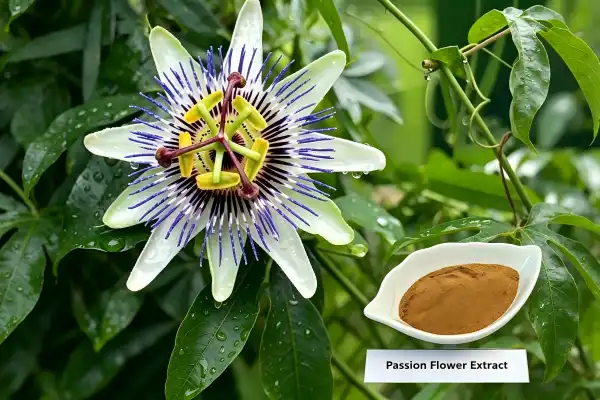
The brownish-yellow powder usually comes in 80-100 mesh particle sizes, which work best for filling capsules and ensuring that the mixture is uniform. Moisture content stays below 5% to prevent the growth of microbes and clumps during storage. When making a recipe, keep in mind that spray-dried extracts might have 10–30% maltodextrin in them as a carrier to keep the hygroscopic resinous material stable. For some uses, carrier-free choices are also available.
Evaluating Clinical Evidence for Sleep Enhancement
Scientific validation is the basis for making choices about buying that are based on facts. Many human studies have examined passionflower's effect on sleep parameters, and they have reported positive results across a wide range of groups.
Key Research Findings on Sleep Quality
A study in the journal Phytotherapy Research looked at people who drank passionflower tea for seven days and used normal surveys and polysomnography to measure the quality of their sleep. Participants indicated significantly superior sleep quality scores relative to the control groups, and they required considerably less time to achieve sleep onset. Even though tea was used instead of concentrated extract in this study, the therapeutic principle was established: concentrated powders give the same compounds at higher and more regular levels.
Another clinical study looked at passionflower extract mixed with other plants to help people who have trouble sleeping because of worry. The study indicated that anxiety levels dropped significantly within 30 to 60 minutes of use, and better sleep onset was a side effect. The effect of reducing anxiety gets to the root cause of insomnia, which is a mind that is too busy and can't switch to rest mode.
Comparative Advantages Over Alternative Sleep Aids
Compared to valerian root, passionflower has different health benefits. Valerian usually needs to be used regularly for two to four weeks before it starts to work, but passionflower starts to help with anxiety right away. Taking extra melatonin has a direct effect on the circadian cycle, but it doesn't help much with anxiety-related insomnia. Passionflower, on the other hand, helps with the mental issues that keep you from falling asleep.
For better results, many formulators mix Passionflower Extract Powder with plants that work well together, such as chamomile, L-theanine, or magnesium glycinate. Because it doesn't make you sleepy during the day, it can be used in stress-relieving products that keep you alert. However, using it in the evening makes you feel more relaxed.
Dosage Parameters for Product Development
In clinical tests, 250 to 500 mg of a normal extract is usually taken 30 to 60 minutes before bed. When using ratio extracts (4:1 or 10:1), the amount needs to be changed based on the concentration factors. Encapsulation usually fits 400–500 mg per pill, which makes it easy to take just one dose. Tablets may contain 300–600 mg along with ingredients that work well together, and drinks use 200–400 mg per dose mixed in functional drink matrices.
The action profile is pretty mild, so it can be used every day without building up resistance, which is a big plus for products that help with chronic sleeplessness. There are still many safety margins—no major side effects have been reported in clinical studies at regular therapeutic amounts.
Procurement Considerations for B2B Ingredient Buyers
Picking the right provider affects the standard of the product, compliance with regulations, and, in the end, success in the market. Criteria for critical evaluation tell the difference between high-end plant providers and traders of commodities.
Supplier Qualification and Quality Assurance
Reviewing the licence is the first step in verification. ISO9001 shows how to set up a quality control system, and FSSC22000 talks about food safety all the way through the supply chain. For religious reasons, products going to global markets need to be certified as KOSHER and HALAL. They also need to follow HACCP rules to keep risks under control. The factory meets US regulatory standards for making dietary ingredients, as shown by its FDA license.
Look closely at scientific testing methods in addition to certificates for Passiflora Incarnata Powder. Each batch should have a Certificate of Analysis showing the amount of flavonoids found using HPLC/UV, as well as heavy metal screens for lead, cadmium, mercury, and arsenic; microbial tests for yeast, mould, and pathogens; and pesticide residue analysis. Suppliers who offer third-party testing for specific batches show that they are honest and committed to quality.
Organic Versus Conventional Sourcing
Organic approval costs more, but it meets certain needs in the market. USDA and EU organic guidelines prohibit synthetic pesticides, and they require that farming methods be recorded from seed to harvest. Organic sales are slowly growing among health-conscious shoppers, which is why brands that want to reach this group have to pay an extra 20–40%.
Conventional extracts from sources that have been proven not to come from GMOs have the same chemical profiles and cost less. When tests for pesticide residue show that there are no chemicals to worry about, conventional material provides functional equivalence for formulators who want to save money without sacrificing safety.
Logistics and Minimum Order Requirements
Supply chain disruptions can be avoided by understanding real buying factors. Standard packaging uses 25 kg fibre drums with two food-grade plastic inner bags, desiccant packets, and a closing that keeps out dampness. This arrangement keeps the hygroscopic powder safe while it travels by water from Asia to North America, a journey that takes 4 to 6 weeks.
Samples ranging from 100g to 1 kg are sent by courier within 3–5 business days, which allows for quick testing of formulations. Trial sales with a minimum of 25 kg can be used for first production runs without committing too much inventory. Larger makers who negotiate quarterly contracts for more than 500 kg usually get bulk price benefits of 8–15% below spot rates, as well as fixed production capacity that makes sure there is a steady supply.
When needed right away, air freight can send 100–200 kg packages within 7–10 days for about 4–5 times the cost of ocean freight. To balance speed and cost, it's important to carefully predict demand and make sure that production plans are met.
Safety Profile and Regulatory Compliance
To do responsible shopping, you need to know a lot about the safety standards and rules that apply to botanical food items.
Known Side Effects and Contraindications
When used at the suggested doses, Passionflower Extract Powder is very safe in clinical studies. Some people may experience occasional mild effects like tiredness, dizziness, or stomach problems if they are sensitive. These reactions usually go away when the dose is lowered or stopped.
Contraindications include pregnancy and lactation due to insufficient safety data in these populations. Passionflower may make sedatives or CNS depressants work worse, so people who are taking prescription sleep aids, anxiety drugs, or anticonvulsants should talk to their doctor before using it. There are small amounts of harmine alkaloids that might combine with MAO inhibitors, but it's not clear what the clinical impact is at normal supplement doses.
Regulatory Status in Major Markets
Passionflower is usually recognised as safe (GRAS) for food use in the United States as long as it meets purity guidelines. As a food ingredient under DSHEA, it doesn't need to be approved before it can be sold, but makers are still responsible for making sure it is safe and following Current Good Manufacturing Practices (cGMP). Product labels need to have the right warnings and not make disease treatment claims that go beyond what the FDA allows for structure and function.
The European Food Safety Authority (EFSA) allows passionflower to be used in food supplements, as long as the highest daily amount recommendations are the same across all member states. Harmine alkaloid levels need to be checked regularly to make sure they stay below the chemical limits set by risk assessment.
Quality Control Testing Protocols
Premium providers use multiple stages of testing, starting with DNA barcoding and microscopic study, to make sure the raw materials are real. This stops cheaper plant species from being used instead. Testing after extraction shows that the amounts of active compounds are within the acceptable ranges (3.5% to 10% flavones and 1.2% to 5% vitexin).
ICP-MS heavy metal analysis makes sure that limits set by California Proposition 65 and international standards are met. This protects against lead contamination from contact with farming dirt. Pesticide testing on more than 450 chemicals makes sure that no illegal substances are present. This is especially important for ingredients that come from places where farming laws aren't always clear.
As part of microbial tests, the total aerobic plate count, yeast and mould counts, and pathogen screens for Salmonella, E. coli, and Staphylococcus aureus. Microbes can be killed with steam sterilisation or controlled heat treatment instead of irradiation, so ingredients can still be used in clean-label products.
Formulation Strategies for Product Developers
To make finished goods that can be sold, you need to know a lot about formulation science, how to make things more stable, and how to choose the best delivery method.
Integration Into Capsule and Tablet Formats
The small particles in Passionflower Extract Powder and the managed amount of wetness make it easier to directly compress tablets or capsules. In "00" size capsules, standard two-piece gelatine or veggie capsules hold 400–500 mg of extract plus small amounts of silica dioxide (to prevent clumping) or magnesium stearate (to help the liquid move).
Tablet formulations benefit from adding 5–10% microcrystalline cellulose as a binder and disintegrant, ensuring rapid dissolution in gastric fluid. The brownish-yellow colour goes well with the look of plant blends without the need for colourants. Different coatings can be used, such as clear film coats to protect against moisture or enteric coats for targeted release in the intestines. However, immediate-release forms work well for most uses because the substance can handle stable pH levels in the stomach.
Synergistic Ingredient Combinations
Strategically matching ingredients boosts their therapeutic benefits and makes the product stand out. Magnesium glycinate (200–400 mg), which helps muscles rest and the nervous system work, L-theanine (100–200 mg) from green tea, which makes you feel alert and calm, and melatonin (1–5 mg), which fixes problems with your circadian cycle. Each compound works in its own way, forming processes that work together instead of against each other.
Formulators should think about temporal release profiles. For example, combining immediate-release passionflower to reduce anxiety quickly with delayed-release melatonin timed for long-term sleep management makes a complex biphasic delivery system that matches the way sleep works in the body.
Beverage and Functional Food Applications
Water-soluble carrier systems make it possible to add them to ready-to-mix powder mixes, stick packs, or healthy drinks that come in bottles. Cyclodextrin complexation or microencapsulation technologies make it easier for the herb to dissolve and hide its bitter taste, which makes it more appealing to consumers. Doses for drinks usually run from 200 mg to 400 mg per dose, dissolved in 8 to 12 oz of fluids.
Adding functional foods to recipes can be hard because they need to be stable at high temperatures during cooking. Low-temperature uses like sweets, energy balls, or smoothie bases that are kept in the fridge protect bioactive purity. On the other hand, baked goods or hot drinks could break down heat-sensitive flavonoids. Stability testing over 12 to 24 months at the specified storage conditions (temperature, humidity, and light exposure) confirms the shelf-life factors that are needed for the product to be sold.
Conclusion
For formulas that help with sleepiness and nervousness, Passionflower Extract Powder is a scientifically proven, commercially viable ingredient. There is clinical proof that it works by changing the GABA receptors, which leads to changes in both the start and quality of sleep. When purchasing, professionals look at providers; they should focus on clear quality paperwork, complete certification portfolios, and analytical testing that proves standard active compound content. The ingredient is safe, approved by regulators in major markets, and works well with a wide range of formulations, which makes it a good choice in the growing category of natural sleep aids. Strategic buying from well-known makers guarantees consistent batches, dependable supplies, and the technical support needed for a product's growth and launch on the market.
FAQ
What distinguishes HPLC from UV testing methods for passionflower specifications?
Using reference standards, UV spectrophotometry determines the total flavonoid class absorption, which usually gives higher numbers (4–10%). HPLC extracts and measures certain molecules, such as vitexin, giving smaller, more accurate numbers (1.2–5%). We follow the test method you give us to make sure it meets your recipe needs and label claims for Passionflower Extract Powder.
How quickly does this ingredient demonstrate calming effects?
Clinical studies show that the calming effects usually show up 30 to 60 minutes after taking the drug by mouth. As the compounds build up and improve GABA receptor sensitivity over 3–7 days of regular evening doses, sleep-start improvements become clear. The way each person reacts depends on their metabolism, the medicines they are taking at the same time, and how bad their sleep problems are.
Can this botanical extract blend with other calming ingredients?
Of course. Passionflower Extract Powder works well with magnesium, L-theanine, chamomile, valerian, and lemon balm in sleep products with more than one element. Talking to formulation experts can help you find the best amounts and guess how they might combine, which makes sure that the final goods are stable and have consistent therapeutic profiles over time.
Partner With a Trusted Passionflower Extract Powder Supplier
Since 1996, KH (Kingherbs Limited) has been making high-quality plant products. They specialise in standardising herbal extracts that meet strict international quality standards. Our Passionflower Extract Powder has a confirmed flavone content of 3.5% to 10% and comes from controlled growing partners, so you can track it from the seed to the finished product. We keep a lot of certificates, like ISO9001, FSSC22000, KOSHER, HALAL, and FDA registration, to help you follow the rules in all global markets. Ready stock allows for sample delivery in three to five days, and buying is flexible. Trial sizes starting at 25 kg allow for formulation development, and commercial production can easily scale up to meet multi-tonne needs. In addition to providing ingredients, our expert team also helps with formulation, conducts stability tests, and creates custom extraction specs for your product. Email our team at info@kingherbs.com to get analytical specs or samples or to talk to experienced plant ingredient experts about the needs of your particular project.
References
1. Ngan, A., & Conduit, R. (2011). A double-blind, placebo-controlled investigation of the effects of Passiflora incarnata (passionflower) herbal tea on subjective sleep quality. Phytotherapy Research, 25(8), 1153-1159.
2. Appel, K., Rose, T., Fiebich, B., Kammler, T., Hoffmann, C., & Weiss, G. (2011). Modulation of the γ-aminobutyric acid (GABA) system by Passiflora incarnata L. Phytotherapy Research, 25(6), 838-843.
3. Akhondzadeh, S., Naghavi, H. R., Vazirian, M., Shayeganpour, A., Rashidi, H., & Khani, M. (2001). Passionflower in the treatment of generalised anxiety: a pilot double-blind randomised controlled trial with oxazepam. Journal of Clinical Pharmacy and Therapeutics, 26(5), 363-367.
4. Dhawan, K., Uit, S., & Sharma, A. (2001). Comparative biological activity study on Passiflora incarnata and P. edulis. Fitoterapia, 72(6), 698-702.
5. Miroddi, M., Calapai, G., Navarra, M., Minciullo, P. L., & Gangemi, S. (2013). Passiflora incarnata L.: ethnopharmacology, clinical application, safety and evaluation of clinical trials. Journal of Ethnopharmacology, 150(3), 791-804.
6. Guerrero, F. A., & Medina, G. M. (2017). Effect of a medicinal plant (Passiflora incarnata L.) on sleep. Sleep Science, 10(3), 96-100.
Send Inquiry
Related Industry Knowledge
- Can Bitter Melon Extract Powder Improve Digestive Wellness?
- Nettle Extract Powder for Capsules and Beverage Applications
- How Does Blueberry Extract Powder Support Immune Function?
- Artemisinin concentration and antioxidant capacity of Artemisia annua distillation by product
- Can Valerian Root Extract Powder Help With Stress?
- Isatis Root Extract Active Compounds Explained
- What Are the Key Benefits of Couch Grass Rhizome Extract?
- Macleaya Cordata Extract in Modern Phytogenic Feed Additives
- Why Choose Organic Valerian Root Extract Powder for Wellness?
- Can Polygonum Cuspidatum Extract Improve Energy & Vitality?