_1762508637542.webp)
Clinical Insights: Couch Grass Rhizome Extract Uses
Apr 1, 2026
Couch Grass Rhizome Extract is a big step forward in botanical medicine because it gives doctors and producers a standardized, powerful way to clean out the urinary tract naturally. This high-quality extract comes from the Elymus repens plant and is full of concentrated bioactive substances like triticin, mucilage, and flavonoids that have amazing healing potential. It has a lot of clinical uses, from helping with mild diuresis to reducing inflammation, which makes it an important ingredient for nutritional products. Because the extract has been shown to work and is very safe, it is a top choice for use in evidence-based herbal medicine for a wide range of therapeutic methods.
Understanding Couch Grass Rhizome Extract: Composition and Clinical Applications
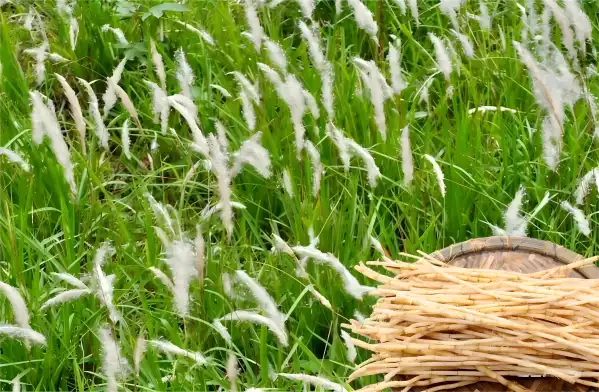
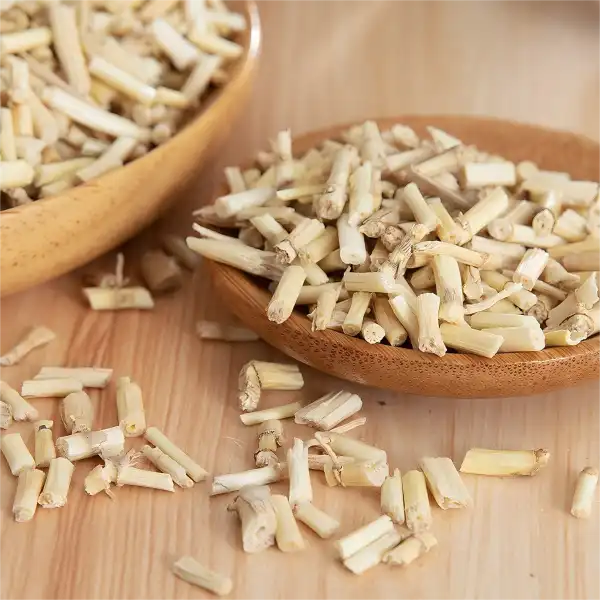
The botanical foundation of couch grass extract lies within Elymus repens, a perennial grass species that has garnered significant attention from the pharmaceutical and nutraceutical industries. This hardy plant produces rhizomes rich in bioactive phytochemicals that undergo careful extraction to yield a fine brownish-yellow powder with standardized potency levels.
Phytochemical Profile and Bioactive Components
The therapeutic worth of couch grass extract comes from the large number of phytochemicals that make up its matrix. Triticin, a polysaccharide that is related to inulin, is the main bioactive marker and makes up about 3–12% of the standardized extract. This substance has prebiotic properties and helps the extract's osmotic diuretic effects in the renal tubules. The extract also has mucilaginous compounds that have demulcent properties and protect irritated mucous membranes by forming a protective barrier. The stability of these polysaccharides across pH ranges from 3.5 to 7.0 makes them good for both acidic and basic formulations, like tablets and drinks. Agropyrene, a volatile antimicrobial oil, helps reduce inflammation and supports the extract's traditional use for urogenital health. Flavonoids and phenolic substances work with these effects to make them stronger. They do this by acting as antioxidants and protecting cell structures from oxidative stress that happens during inflammation.
Clinical Evidence and Therapeutic Mechanisms
Recent clinical studies have confirmed the traditional uses of Couch Grass Rhizome Extract. These studies looked at its ability to help with inflammation and to make you pee more. Standardized extracts can increase urine volume without lowering essential electrolytes, especially potassium. This makes them different from synthetic diuretics. The anti-inflammatory effects of the extract work in several ways, such as by blocking pro-inflammatory cytokines and lowering oxidative markers in the tissues of the urinary tract. In clinical trials, people who used standardized couch grass products had significantly higher scores for urinary comfort compared to people who were given a placebo. Bioavailability studies show that the extract is most effectively absorbed when it is mixed with the right carriers. Preparations stabilized with maltodextrin have better dissolution rates and more stable plasma levels of Couch Grass Rhizome Extract active compounds, which helps predict therapeutic results in clinical settings.
Comparing Couch Grass Rhizome Extract with Other Herbal Alternatives
Understanding how couch grass extract performs relative to established herbal alternatives helps procurement professionals make informed sourcing decisions. This comparative analysis examines efficacy, safety profiles, and formulation considerations across multiple therapeutic categories.
Efficacy Comparisons in Urinary Health Support
When compared to cranberry extract, couch grass shows different but similar ways of working. In contrast to cranberry, which mainly stops bacteria from sticking to cells through proanthocyanidins, couch grass flushes the body by making more urine and directly soothing sore tissues. Dandelion root extract is also a diuretic, but it works in a different way. The potassium-rich profile of dandelion helps keep the heart healthy during diuresis, and the mucilaginous safety of couch grass is better for sensitive urogenital tissues. Clinical studies show that mixtures of both extracts have benefits that are greater than the effects of either extract alone. Nettle leaf extract is another example, especially for conditions that cause inflammation. Couch grass, on the other hand, is better tolerated by sensitive people and has softer therapeutic benefits that are good for long-term use.
Formulation Considerations and Manufacturing Compatibility
Couch Grass Rhizome Extract has unique physical qualities that make it useful in manufacturing settings. Because its particles are so small (95–10% of them fit through an 80-mesh screen), it can be easily added to capsule and tablet formulations without the need for extra milling. Its solubility properties make it a good choice for liquid formulations where stability and clarity are important. Some herbal extracts form precipitates in acidic environments, but properly processed couch grass stays stable in functional drinks and liquid supplements. Its hygroscopicity levels are still manageable with the right storage methods, unlike more difficult extracts that need special handling and packaging methods. This stability means that the product will last longer on the shelf and be easier to make for business uses.
Best Practices for Using and Dosing Couch Grass Rhizome Extract
Establishing proper dosing protocols and administration guidelines ensures optimal therapeutic outcomes while maintaining safety standards across diverse patient populations. Clinical experience and research data inform these evidence-based recommendations for practitioners and manufacturers.
Clinically Validated Dosing Protocols
Couch grass extract is usually taken twice a day in doses of 250 to 500 mg. Couch Grass Rhizome Extract, which is equal to 2 to 4 grams of raw root material. This plan of doses maintains therapeutic levels while minimizing possible side effects. For severe urinary discomfort, doctors may suggest loading doses of up to 750 mg three times a day for three to five days, followed by maintenance dosing. For long-term use, smaller doses (200–300 mg daily) are usually recommended for preventative purposes or managing long-term conditions. When it comes to children, the right dose is usually one-third to one-half of an adult dose, but this depends on their age and body weight. For pediatric uses, clinical care is necessary, especially when other therapeutic agents are mixed in.
Safety Considerations and Contraindications
Couch Grass Rhizome Extract has been shown to be very safe in tests on people. Bad things rarely happen, and when they do, they generally cause stomach problems. But some groups need more help and different directions. For example, people with serious kidney disease should only use couch grass extracts with the help of a doctor. This is because making more urine could throw off their fluid and electrolyte balance when their kidneys aren't working well. Also, people who take lithium or digoxin need to be closely watched because these drugs can change how quickly the body gets rid of other drugs you're taking. Because there isn't a lot of safety information in these groups, pregnancy and nursing are also pretty much absolute no-nos. In traditional medicine, diuretic plants were thought to be safe, but in modern medicine, pregnant women should stay away from them unless they are told to and are closely watched.
Integration with Multi-Ingredient Formulations
Couch grass extract works very well with other herbal ingredients that work well with it. This makes it possible to make complex mixtures that work on many different therapeutic paths. Combinations with D-mannose for better bacterial removal or marshmallow root for extra mucilaginous protection are common examples of synergistic partnerships. Timing is important when formulating with minerals or synthetic compounds that may interact with the extract's polysaccharide components. In complex formulations, sequential dosing or enteric coating may improve absorption and stop interactions that aren't needed.
Procurement Insights: Sourcing High-Quality Couch Grass Rhizome Extract
B2B procurement professionals face numerous challenges when sourcing botanical extracts that meet pharmaceutical and nutraceutical quality standards. Understanding critical evaluation criteria and supplier assessment protocols ensures consistent product quality and regulatory compliance.
Supplier Evaluation and Quality Assurance Standards
To find dependable couch grass extract suppliers, you need to carefully check their production skills and quality control systems. ISO9001 certification ensures basic quality management, while FSSC22000 certification focuses on food safety management for botanical processing. Organic certifications, such as USDA and EU Organic, confirm chemical-free processing methods and sustainable source practices. These certifications are especially important for clean-label products, Couch Grass Rhizome Extract and formulations aimed at health-conscious consumers. Using HACCP shows that risks are systematically analyzed and key control points are monitored all along the supply chain. This license is very helpful for finding and stopping contamination risks that are unique to underground plant parts like rhizomes.
Analytical Testing and Specification Verification
Couch Grass Rhizome Extract goes through a lot of tests to make sure it meets all the safety and design standards. ID tests with TLC or HPTLC can tell the difference between real Elymus repens and possible fakes or mixed-up plants. It is important to test for heavy metals because rhizomes grow underground and could be exposed to contaminated dirt. More than 3 parts per million of lead, 1 part per million of arsenic, 1 part per million of cadmium, and 0.1 part per million of mercury should be present. Validated ICP-MS methods should be used. When checking for microbes, the natural risks of contamination that come with plants grown in soil must be taken into account. There should be no dangerous organisms like E. Salmonella, E. coli, or Staphylococcus aureus on the plates, and the total plate counts should stay below 10,000 cfu/g. There should also be no yeast or mould counts above 300 cfu/g.
Supply Chain Considerations and Logistics
For supply lines for couch grass extract to work, it's important to think about how to collect the extract from different places and times of the year. Because the weather can change the quality of wild-harvested materials, sources that are grown are becoming more useful for a steady supply. Because the extract absorbs water, it needs to be stored and shipped in fibre drums that are sealed with two layers of polyethylene. This will keep the humidity levels stable. Temperature control during shipping keeps the powder from sticking together and lets it flow easily. For business sales, the least amount that can be ordered is 25 kg, and smaller amounts can be used to test things. Goods from top suppliers are kept in stock so they can be sent out fast. This cuts down on wait times and helps plan for just-in-time production.
Maximizing Value in B2B Couch Grass Rhizome Extract Applications
Strategic application of couch grass extract across diverse market segments requires understanding industry trends, regulatory landscapes, and emerging opportunities that drive long-term value creation for manufacturers and suppliers.
Industry Applications and Market Positioning
A lot of the Couch Grass Rhizome Extract that is sold goes to the supplement industry, mostly to make products for urinary tract health. As more people learn about natural alternatives to man-made diuretics, there are more business possibilities for botanical products that are backed by proof. More functional food uses are appearing as food companies look for natural ingredients that have been shown to be good for your health. Couch grass extract is good for busy people because it is mild-tasting and easy to mix with water. It can be used in drinks, nutrition bars, and other healthy foods. Because it calms down and reduces inflammation, it can also be used in skin care and makeup for sensitive skin. The mucilaginous parts naturally moisturize the skin when they are put on it, and the anti-inflammatory parts help with heat and swelling.
Innovation Opportunities and Technology Advancement
Couch grass extracts keep getting better in terms of quality and regularity thanks to new extraction technologies. Supercritical fluid extraction and membrane filtration technologies make extracts that are purer, more bioavailable, and contain fewer impurities. Standardization methods are focusing more on multiple bioactive markers instead of single compounds, which allows for a more complete evaluation of quality and better prediction of therapeutic outcomes. These improvements in analysis support premium positioning and higher prices for higher-quality extracts. Nanotechnology uses look into better delivery Couch Grass Rhizome Extract systems that make drugs more bioavailable and better target specific tissues. Forward-thinking manufacturers who are ready to invest in new formulation technologies could gain a competitive edge with these new products.
Building Strategic Supplier Relationships
In order for the couch grass extract market to be successful in the long term, businesses need to work with reliable providers who know how government rules and quality standards change over time. Having a good relationship is more than just shopping together. Sharing information about the market and giving professional help are also part of them. Collaborations to improve quality help providers know what their clients want and create unique answers that address their formulation issues. When people have these kinds of connections, they can often get exclusive supply deals or specific instructions for extraction that make finished goods stand out in markets with a lot of competition. Audits and reviews of suppliers' work done on a regular basis make sure that quality standards are still being met and look for ways to cut costs and make processes better. Problems with quality or supply that could slow down production can be solved quickly when people can talk to each other.
Conclusion
The plant-based ingredient Couch Grass Rhizome Extract has been shown to be useful in the medical, nutraceutical, and cosmetics industries. It can be used in a lot of different ways. People who care about their health and doctors can use it instead of synthetic compounds because it has mild diuretic effects, anti-inflammatory properties, and a high safety rating. Standardized levels of potency, stable supply lines, and thorough quality certifications for the extract help make sure that production is reliable and that therapeutic results are consistent. Couch grass extract is going to get a bigger share of the market thanks to smart positioning and high-quality differentiation. This is because more and more people want natural health products that are backed by proof.
FAQ
1. What are the primary bioactive compounds in Couch Grass Rhizome Extract?
The extract contains triticin (3-12%), a polysaccharide similar to inulin that provides prebiotic and diuretic effects. Mucilaginous compounds offer demulcent properties, while agropyrene contributes antimicrobial and anti-inflammatory benefits. Flavonoids and phenolic compounds provide antioxidant protection and support the extract's therapeutic mechanisms.
2. How does the extraction ratio affect therapeutic potency?
Higher concentration ratios (10:1 vs 2:1) indicate more concentrated active compounds per gram of extract. A 10:1 extract means 10 grams of raw rhizome material produces 1 gram of extract, resulting in higher bioactive compound density and potentially stronger therapeutic effects at lower dosing levels.
3. What quality certifications are most important for procurement?
ISO9001 provides quality management assurance, while FSSC22000 addresses food safety requirements. Organic certifications (USDA, EU) verify chemical-free processing. HACCP certification demonstrates systematic contamination control, and USP/EP compliance ensures pharmaceutical-grade quality standards for clinical applications.
4. Is Couch Grass Rhizome Extract suitable for acidic formulations?
Yes, the extract demonstrates stability in pH ranges from 3.5 to 7.0, making it compatible with acidic beverages and formulations. However, clear liquid products may require dewaxed grades to prevent precipitation or haze formation over extended storage periods.
5. What storage conditions prevent quality degradation?
Store in sealed, double-lined containers at temperatures below 25°C with relative humidity under 60%. The extract's hygroscopic nature requires protection from moisture to prevent caking and maintain powder flowability characteristics essential for manufacturing applications.
Partner with KH for Premium Couch Grass Rhizome Extract Supply Solutions
KH (Kingherbs Limited) delivers exceptional Couch Grass Rhizome Extract backed by comprehensive quality assurance and technical expertise spanning over 25 years in botanical ingredient manufacturing. Our advanced extraction facilities produce standardized extracts in 2:1, 4:1, and 10:1 concentrations, ensuring consistent potency and bioavailability for your formulation requirements.
As a leading Couch Grass Rhizome Extract supplier, we maintain ready stock for prompt shipment within 3-5 business days, supporting your production schedules with reliable delivery performance. Our comprehensive certification portfolio includes ISO9001, FSSC22000, KOSHER, HALAL, HACCP, FDA, and organic certifications (EU/USDA), meeting diverse regulatory requirements across global markets.
Beyond standard supply capabilities, KH provides complete technical support through our well-equipped application laboratory. We offer formulation optimization, stability testing, and compounding solutions tailored to your specific product requirements. Each batch includes detailed HPLC analysis reports, ensuring transparent quality documentation for your procurement records.
Contact our technical team at info@kingherbs.com to discuss your Couch Grass Rhizome Extract requirements and receive customized samples for evaluation. Our minimum order quantities accommodate both small-scale trials and commercial production needs, enabling flexible partnership approaches that grow with your business.
References
1. Mills, S. & Bone, K. (2013). Principles and Practice of Phytotherapy: Modern Herbal Medicine. Churchill Livingstone.
2. European Medicines Agency. (2009). Assessment Report on Agropyron repens (L.) P. Beauv., rhizoma. Committee on Herbal Medicinal Products.
3. Blumenthal, M., Goldberg, A., & Brinckmann, J. (2000). Herbal Medicine: Expanded Commission E Monographs. Integrative Medicine Communications.
4. World Health Organization. (1999). WHO Monographs on Selected Medicinal Plants Volume 1. World Health Organization Press.
5. Bradley, P.R. (Ed.). (1992). British Herbal Compendium: A Handbook of Scientific Information on Widely Used Plant Drugs. British Herbal Medicine Association.
6. Barnes, J., Anderson, L.A., & Phillipson, J.D. (2007). Herbal Medicines: A Guide for Healthcare Professionals. Pharmaceutical Press.
Send Inquiry

Related Industry Knowledge
- Is Valerian Root Extract Powder Safe for Everyday Use?
- Can White Paeony Extract Reduce Skin Redness & Irritation?
- Does Watermelon Powder Boost Immune Function?
- Is Couch Grass Rhizome Extract Effective for Kidney Health?
- Macleaya Cordata Extract: Natural Anti-Inflammatory Ingredient
- Vine Tea Extract: Antioxidant Power for Modern Wellness Formulas
- Can Lespedeza Capitata Extract Promote Healthy Fluid Balance?
- Can Vine Tea Extract Support Healthy Metabolism Naturally?
- Mango Leaf Extract Powder: Nature’s Antioxidant Powerhouse
- Why Japan Chooses China’s Purple Sweet Potato Natural Food Colorant?