_1762508637542.webp)
Rice Bran Extract in Skincare, Nutrition, and Functional Foods
Oct 13, 2026
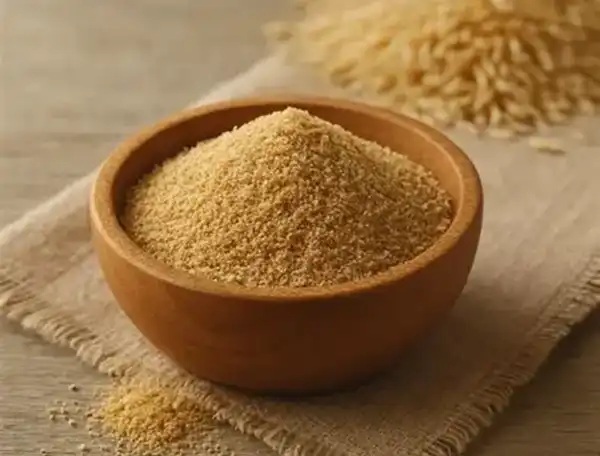
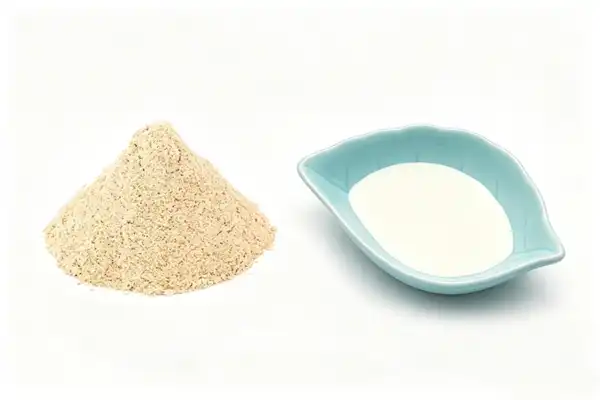
The concentrated botanical component known as rice bran extract is derived from the outer bran layer of grains that are of the Oryza sativa L. species. Because of its standardised bioactive components, which include phytoceramides, gamma-oryzanol, and ferulic acid, the fine powder with a light colour has attracted considerable interest in the cosmetics, nutritional supplement, and functional food industries. In addition to being clean-labelling and having data supporting its antioxidant capacity and lipid-modulating qualities, rice bran extract offers B2B formulators a plant-derived ingredient that can be used in a variety of cosmetics and nutraceuticals, including those that repair barriers and those that maintain cholesterol levels.
Understanding Rice Bran Extract: Composition, Benefits, and Applications
What Is Rice Bran Extract?
An extract of rice bran is a reliable source of phytonutrients because it is made from the germ and aleurone layer of brown rice. It is distinguished from rice bran oil by the fact that the processing of this extract assures precise amounts of ferulic acid (98 percent), gamma-oryzanol (97 percent to 102 percent), and ceramides (one per cent, three per cent, or ten percent). Because of these components, it is a technically distinct and highly desirable ingredient for use in formulations; these components are also responsible for the biological activity that is typically associated with it.
Key Bioactive Compounds and Their Functions
The effectiveness of rice bran extract is due to the interaction of three primary types of chemicals. The ferulic acid esters and phytosterols that make up gamma-oryzanol work to reduce LDL oxidation and halt intestinal cholesterol absorption. One antioxidant that blocks tyrosinase's action is ferulic acid, which also absorbs ultraviolet radiation. Ceramides, which are sphingolipids derived from rice, resemble skin lipids in structure. Their ability to repair the stratum corneum is superior to that of several synthetic substitutes. Tocotrienols are an improved version of vitamin E, and this component is one of them. It aids in preventing oxidative stress in cells.
Documented Health Benefits and Safety Profile
A study published in the European Journal of Nutrition in 2014 found that administering supplemental gamma-oryzanol significantly reduced both total and LDL cholesterol levels in clinical trials. Using high-performance liquid chromatography (HPLC), dermatology research has demonstrated that ferulic acid that is 98% pure is an excellent photoprotective agent. Rice bran extract is safe and does not include any known major allergens, despite the fact that gluten cross-contamination testing (ELISA, 20 ppm) is required for coeliac-friendly labelling. It is possible to acquire this material in a number of different forms, such as capsules, softgels, powders, and serums designed specifically for the skin. There is the option of a 4:1 ratio as well as a 10:1 ratio.
Comparing Rice Bran Extract with Alternative Bran Extracts and Oils
Nutritional and Functional Differences
Oat bran extract is mostly valuable due to the presence of beta-glucan and soluble fibre, which are the key components that contribute to its worth. These constituents are classified as belonging to a separate functional category. In spite of the fact that wheat bran extract is an excellent source of insoluble fibre, it has the potential to cause gluten sensitivities in some individuals. While the concentration of alpha-linolenic acid is high, the concentration of oryzanol and ceramides is relatively low. Rice bran extract is in a league of its own due to the fact that it acts as a barrier for the skin, it helps to maintain antioxidant levels, and it promotes positive cardiovascular health. This enables a greater number of positioning alternatives for products that have many uses.
Extraction Methods and Certification Standards
Food-grade ethanol and supercritical CO₂ are better at preserving heat-sensitive tocotrienols and ferulic acid than hexane-based liquid systems. At KH, we only use clean solvents—pure water or edible ethanol—to extract rice bran. This directly supports clean label compliance. Our products have been certified by ISO9001, FSSC22000, KOSHER, HALAL, HACCP, and the FDA. This gives purchasing managers peace of mind in several regulatory areas, such as the US, EU, and Middle Eastern markets.
Organic Sourcing and Its Impact on B2B Procurement
Organic rice bran extract makes luxury nutritious brands stand out, but it's 20-40% pricier than standard grades. It is still possible to use non-organic grades in functional foods and industrial cosmetics, provided they have been independently tested. Rather than requiring organic certification for everything, consumers should consider the regulatory market, the cost-per-active-dose, and the claim they are trying to make when making purchases. Regardless of the product's organic form, you can check its quality with batch-level COAs that include HPLC component profiles.
Procurement Insights: Sourcing, Pricing, and Supplier Selection
Understanding Pricing and Minimum Order Quantities
Rice bran extract costs vary depending on the specification; ratio extracts (4:1, 10:1) are more affordable, while high-purity ferulic acid (98%) and gamma-oryzanol (97%–102%) grades are pricier because of their HPLC-validated purity. For the first round of testing, KH offers samples and small kilogram orders. The minimum order quantity (MOQ) for business sales is 25 kg, packed in 25 kg drums. This structure works well for both small and medium-sized businesses trying out new product lines and medium- to large companies making more of the same recipes.
Evaluating Supplier Credibility for Rice Bran Extract
When looking for rice bran extract, you should check more than just the price. Here are the most important things that procurement managers should look for in a supplier:
- Batch-level documentation: Every drum should ship with a full HPLC analysis report confirming active compound concentrations, not just a generic specification sheet.
- Traceability to planting base: Suppliers with direct agricultural partnerships control raw material consistency at the variety, soil, and harvest-timing level—eliminating lot-to-lot variability.
- Multi-standard certification stack: ISO9001, FSSC22000, HALAL, KOSHER, and HACCP coverage confirms the supplier operates across food-safety and religious market requirements simultaneously.
- Solvent transparency: Confirm whether extraction uses food-grade solvents; ethanol or supercritical CO₂ versus hexane is a non-negotiable distinction for clean-label claims.
When you use these criteria together, you greatly lower the chance of getting batches that are tampered with or don't meet your specifications, which could cause delays in your production schedule.
Logistics and Lead Times
KH sends rice bran extract from China by express, air, and ocean freight. Samples and orders that are already in stock usually ship within 3–5 business days. For business orders of 25 kg or more, shipping times are short. Asia-based buying puts you close to places where rice is grown, like China, Japan, and Southeast Asia. This is where the quality of the raw materials and the amount that is available are most stable all year.
Incorporating Rice Bran Extract into B2B Products: Application Guidelines and Case Studies
Formulation Guidelines for Skincare Applications
Particularly at concentrations of 1%, 3%, or 10%, the ceramide fractions of rice bran extract perform admirably in topical formulations such as emulsions, serums, and barrier-repair creams. In order to prevent tyrosinase from treating acne, ferulic acid (98% concentration) and vitamins C and E shield these active components from ultraviolet radiation. The recommended addition rates for ceramide-standardised grades to finished formulae range from 0.5% to 2.0% w/w. Our application centre is happy to assist you in determining whether skincare systems are stable if you so desire.
Functional Food and Nutraceutical Applications
Clinical trials have demonstrated its usefulness in lowering cholesterol with standardised gamma-oryzanol softgels at 97%-102%. Rice bran extract is effective in functional food systems between 3.0 and 5.0 on the pH scale. Yoghurt, energy bars, and fortified drinks can all benefit from its usage. Clear, usable water requires encapsulated or nano-emulsified grades to prevent phase separation. The extract has higher heat resistance than combined tocopherols, making it a better natural antioxidant for use in processing foods with a lot of fat.
Regulatory Compliance and Allergen Management
Although rice does not naturally contain gluten, ELISA testing is necessary to confirm a product is safe for coeliacs due to cross-contamination in the manufacturing plant. To verify they are up to snuff, KH provides batch-specific COAs that are approved by the FDA and FSSC22000. Reevaluating the EFSA Novel Food status is necessary for purposes peculiar to the European Union. For the clean-label movement in Europe and North America, we've made sure that all of our rice bran extract batches are vegan-friendly and free of genetically modified organisms.
Future Trends and Market Potential of Rice Bran Extract
Growing Demand for Plant-Based Antioxidants
According to Grand View Research (2023), the global market for nutraceutical ingredients will be worth more than $100 billion by 2030. Plant-based antioxidants are expected to be one of the fastest-growing groups. Regulatory pressure against man-made preservatives such as BHA and BHT is speeding up the move by brands to natural alternatives. Rice bran extract is positioned to replace synthetic antioxidant systems in a number of food and supplement categories thanks to its dual antioxidant and lipid-protective properties.
Clean-Label and Beauty-From-Within Convergence
A new category of skincare and nutrition goods called ceramides derived from rice bran extract has emerged in response to the demand for "beauty-from-within" items. A growing number of dietary supplement and beauty pill manufacturers list phytoceramides derived from rice among their key constituents. Because of its dual application in both cosmetics and oral supplements, rice bran extract can be considered a two-channel substance.
Strategic Procurement Recommendations
Business-to-business purchasing teams should view rice bran extract as a versatile platform ingredient rather than a disposable raw material. You can reduce unit costs and maintain brand consistency across supplement and personal care SKUs by establishing dual-use sourcing agreements with a certified manufacturer. This allows you to employ ingredients in more than one product.
Conclusion
In cosmetics, nutrition, and functional food applications, rice bran extract from Oryza sativa L. has demonstrated its benefits. Employing consistent gamma-oryzanol, ferulic acid, and ceramide fractions supported by HPLC data, it addresses practical formulation issues such as antioxidant stability, skin barrier restoration, and cholesterol control. For product creators and procurement teams seeking a versatile, clean-label botanical ingredient with verified quality and traceable sources, rice bran extract is an economically viable and technically sound option. Your next development cycle should incorporate it.
FAQ
Is rice bran extract gluten-free?
Rice doesn't have any gluten in it. Cross-contamination can happen, though, when handling equipment for different grains is shared. For products that say they are safe for coeliacs, you should ask for an ELISA test report that says the amounts are below 20 ppm, as directed by the FDA. If asked, KH gives out documentation that is specific to a batch.
What is the difference between gamma-oryzanol powder and rice bran extract?
One part of rice bran extract that can be separated is gamma-oryzanol. Full-spectrum rice bran extract has ferulic acid, tocotrienols, ceramides, and gamma-oryzanol as well, so it has a wider range of benefits. Gamma-oryzanol can be bought as an isolated substance with a 97% to 102% strength when a higher potency is needed.
How do I verify a rice bran extract supplier's authenticity?
Before you commit to commercial amounts, make sure you get HPLC analysis results for each batch, facility certification papers (ISO9001, FSSC22000, HACCP), and a sample order. Legitimate suppliers provide paperwork that you can track and that allows third-party testing. KH lets you order trial samples just for this qualification process.
Can rice bran extract be used in beverage applications?
Native rice bran extract doesn't mix with water-based drinks because it is lipophilic. Ask for microencapsulated or nano-emulsified grades for functional waters or clear drinks to get stable dispersion without phase separation or sedimentation.
Source Premium Rice Bran Extract from KH — Trusted Supplier Since 1996
KH has been giving verified botanical ingredients to companies around the world for almost 30 years. Our rice bran extract is certified by ISO9001, FSSC22000, KOSHER, HALAL, HACCP, and FDA, and each shipment comes with an HPLC report that shows the purity of each batch. As a company that only makes rice bran extract, we can handle sample requests, special requests, and bulk sales starting at 25 kg. To get a taste right away, email our expert team at info@kingherbs.com.
References
1. Cicero, A.F.G., & Gaddi, A. (2001). Rice bran oil and gamma-oryzanol in the treatment of hyperlipoproteinaemias and other conditions. Phytotherapy Research.
2. Xu, Z., & Godber, J.S. (1999). Purification and identification of components of gamma-oryzanol in rice bran oil. Journal of Agricultural and Food Chemistry.
3. Juliano, C., Cossu, M., Alamanni, M.C., & Piu, L. (2005). Antioxidant activity of gamma-oryzanol: Mechanism of action and its effect on oxidative stability. International Journal of Pharmaceutics.
4. Seki, T., Nagase, R., Torimitsu, M., & Watanabe, H. (2005). Insoluble fibre is a major constituent responsible for lowering the postprandial blood glucose concentration in the high-fibre diet in rats. Journal of Nutritional Science and Vitaminology.
5. Ichihashi, M., Ueda, M., Budiyanto, A., & Bito, T. (2003). UV-induced skin damage and the photoprotective role of ferulic acid derivatives. Toxicology.
6. Grand View Research. (2023). Nutraceuticals Market Size, Share & Trends Analysis Report. Grand View Research Industry Reports.
Send Inquiry
Related Industry Knowledge
- How Does Freeze Dried Sweet Potato Powder Boost Food Products?
- Where to Buy Maca Extract Powder: Supplier and Import Guide
- How to Choose the Best Avocado Refined Oil for Cooking
- What Are the Key Uses of Strawberry Leaf Extract?
- Why Choose ISO-Certified Cocoa Seed Extract Suppliers?
- Can Lotus Leaf Extract Support Healthy Metabolism?
- Ivy Extract Powder: Does It Ease Chronic Cough Naturally?
- Macleaya Cordata Extract in Modern Herbal Formulas
- Can Mango Leaf Extract Powder Help With Weight Management?
- China TCM Ingredient Guide: White Paeony Extract For Global Beauty Brands