_1762508637542.webp)
How to Choose the Best Avocado Refined Oil for Cooking
Sep 10, 2026
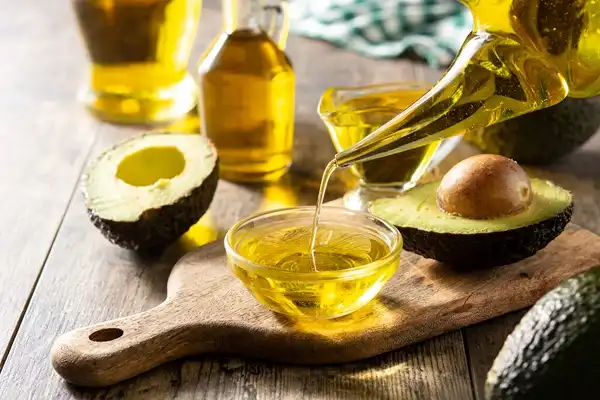
Selecting the right Avocado Refined Oil requires careful evaluation of smoke point stability, certification standards, and supplier reliability. People in charge of quality sourcing give more weight to oils that are extracted naturally and have consistent performance measures and paperwork for each batch. If buyers in the business know these things, they can find good raw materials that meet their needs and help them come up with recipes for food service, nutrition, and beauty products.
Core Criteria for Choosing the Best Avocado Refined Oil for Cooking
Quality Standards and Certifications
Premium suppliers are set apart from commodity suppliers by strict certification requirements. Buyers in the industrial sector should look for certifications like ISO 9001, ISO 22000, HACCP, and FSSC 22000. These show that the company manages quality in a planned way throughout production. When getting ingredients for dietary supplements or pharmaceutical uses, cGMP compliance is very important because it makes sure that the working areas meet strict standards for keeping things from getting contaminated.
Finish goods can reach more markets if they have extra certifications like HALAL, KOSHER, BRC, and FDA registration. These credentials show that the seller is committed to different legal frameworks. This lowers the risk of noncompliance for brands that do business in more than one territory. During the supplier review process, purchasing managers should ask for copies of the most recent certifications and audit reports to make sure that the credentials are still valid and cover specific production sites.
Natural products can be positioned more effectively if they have organic certification from the USDA or an equivalent international body. But buyers have to weigh the extra cost of approval against what the target market wants. This choice depends a lot on the category because some segments value functional performance more than organic claims.
Performance Metrics and Shelf Stability
Technical specs for Avocado Refined Oil should include more than just the smoke point. They should also include the iodine value, the saponification number, and the specific gravity. These factors affect how Avocado Refined Oil acts in different formulation matrices. Unsaturated amounts are shown by iodine values, which change the reactive stability during storage. Lower peroxide levels mean that the oil is fresher and can be used for longer, which is very important when handling inventory across global supply lines.
Flavor neutrality is what sets refined grades apart from virgin grades. Some cooking uses benefit from the unique notes of avocado, but most industrial uses need plain profiles that won't get in the way of developing the taste of the product. Technical specifications should come with sensory evaluation data that lets R&D teams guess how the ingredient will work in complicated mixtures.
If you store things correctly, they will last much longer. Avocado Refined Oil stays at its best when it is kept in cool, dark places that don't get much air. Suppliers who offer nitrogen-flushed packaging or opaque containers show that they know how oxidative degradation works. These safety measures should be a top priority for buyers who are looking for ingredients for remote distribution networks, since they have a direct effect on how well the ingredients will work when they get to the production facilities.
Cost-Effectiveness and Pricing Structures
Avocado Refined Oil prices change on the market depending on crop rates, processing capacity, and trends of demand around the world. To set baseline price expectations, you need to keep an eye on industry news and keep in touch with a number of suppliers. Tiered pricing structures are usually unlocked by making a volume commitment, but buyers must weigh the chance of discounts against the costs of keeping inventory and the amount of space they have available.
Transparent price models include all costs that need to be considered, like shipping, paperwork, and coordinating operations. The total cost of purchase can go up by a lot if there are hidden fees for things like certificates of finished goods, faster samples, or regulatory support. When you negotiate full-service deals up front, you avoid budget shocks and make sure everyone knows what is expected of them.
Quality-price links should be carefully thot thru. Having very low prices often means that the suppliers aren't trustworthy, the processing isn't well controlled, or the supply chains aren't stable. Procurement teams with a lot of experience know that mid-range prices from certified suppliers usually offer the best value, as they balance the quality of the ingredients with the budget limitations and support the longevity of the partnership.
Comparing Avocado Refined Oil with Other Popular Cooking Oils
Smoke Point and Thermal Performance
When compared directly, Avocado Refined Oil is clearly the better choice for high-heat uses. Around 375°F, extra virgin olive oil starts to break down, which makes it less useful for industrial cooking. Canola oil can only go up to about 400°F before it starts to break down. This makes it good for medium-level cooking but not for long-term high-temperature processing. The smoke point of different types of coconut oil varies. Unrefined grades fail around 350°F, while refined grades fail closer to 450°F.
These differences have effects on how things work. Avocado Refined Oil can be used at a wider range of temperatures, which saves food service businesses money by lowering the number of times they have to replace oil and the cost of disposal. When bakeries make high-temperature goods, they can keep the taste more consistent by using oils that don't break down when exposed to heat for a long time.
Flavor Profiles and Culinary Applications
Avocado Refined Oil has a bland flavor that keeps the flavors that were meant to be in finished goods. Olive oil adds unique fruity or peppery notes that go well with Mediterranean-style foods but might not work well with Asian or Latin flavors. Some people are worried about genetic change and processing methods used to make canola oil, even tho it is mild.
Avocado Refined Oil is useful for contract manufacturers who work with a wide range of brands because it can be used in many ways. Having a single base oil that can be used for both sweet and spicy purposes makes keeping track of goods easier and lowers the risk of cross-contamination during production changes. This operating freedom is especially helpful for co-packers who have to meet the needs of multiple clients at the same time.
Refined Versus Virgin Avocado Varieties
Through cold-press extraction without further processing, virgin avocado oil keeps its natural chlorophyll, carotenoids, and tocopherols. This processing keeps the antioxidants and the green color, which makes it good for special placement and certain formulation goals. But its strong flavor and lower smoke point make it less useful in high-heat situations.
Cost differences between refined and fresh grades are usually between 20% and 40%. This is because of changes in yield and the difficulty of processing. Brands that stress handmade or barely processed may be able to charge more for virgin grade, but value-oriented goods will make more money with Avocado Refined Oil options. This strategic choice is based on a clear understanding of what the target consumers want, while balancing the costs of the ingredients with the goals of market positioning.
How to Source and Procure Avocado Refined Oil: Best Practices for B2B Buyers
Identifying Reliable Suppliers
There are a few things that make a trustworthy Avocado Refined Oil provider stand out. A long history of operations that spans multiple growing seasons shows that the supply chain is resilient and that it can handle crises. Vertical integration from growing to processing gives you more control over quality factors and paperwork for tracking, which is important because regulators are paying more attention to where ingredients come from.
Diversifying your suppliers across different regions lowers your risk of losing crops in certain areas, dealing with unstable politics, or having problems with transportation. Leading suppliers keep working with processing partners in Mexico, Chile, California, and new production areas. This keeps things running smoothly even when individual sources have problems. This extra safety net is very helpful for businesses that use just-in-time stocking methods and don't have a lot of buffer stock.
Transactional vendors and strategic partners are different in terms of the level of technical support they offer. Beyond just providing commodities, suppliers who offer help with formulation, stability testing, and application troubleshooting add a lot of value. Having access to skilled expert teams speeds up the product development process and makes the best use of ingredients, which has a direct effect on the speed of innovation and the time it takes to get a product to market.
Bulk Ordering and Packaging Options
The right package designs are determined by the volume needs. Industrial quantities come in totes, drums, or flexitanks, depending on how fast they are used and how they are stored. Tote systems (usually 275 gallons) are good for medium-volume users because they offer a good mix between ease of use and volume economy. The 55-gallon drum package gives you options for smaller operations or trying steps of ingredients before full-scale rollout.
Customized setups for packaging meet the needs of individual operations. Some producers need nitrogen cleaning to keep oxidation to a minimum when Avocado Refined Oil products are stored for long periods of time. Others need special storage materials that work with the tools they already have or that meet government standards. When you talk to suppliers about these parameters early on, you can be sure that the prices they quote are based on the actual specifications that will be delivered, not standard configurations that need expensive changes.
Logistics and Quality Assurance
Temperature-controlled transport keeps the integrity of the oil safe while it's in transit. This is especially important for lines that go through areas with extreme weather. Suppliers who use insulated crates or cold shipping keep the quality of their goods high from where they are made to where they are delivered, because they avoid thermal stress that speeds up decline. Shipments should come with paperwork that includes temperature logs that prove they were handled properly throughout the shipping chain.
Receiving inspection protocols check what the supplier says before taking deliveries into stock. A visual review looks for signs of damage, leakage, or contamination in the package. Laboratory testing of representative samples confirms that the specifications match the purchase agreements when it comes to fatty acid profiles, peroxide values, and the lack of any impurities. Setting clear criteria for acceptance and procedures for rejection keeps bad materials from getting into production systems.
Setting up clear lines of contact with providers makes it easier to solve problems before they happen. Getting regular updates on crop conditions, processing schedules, and possible supply shortages lets procurement teams change their inventory plans before they affect production. When suppliers treat buyers as partners instead of just customers, it shows that they want both parties to succeed and build long-term relationships.
Final Recommendations and Checklist for Choosing Avocado Refined Oil
Verification and Assessment Protocol
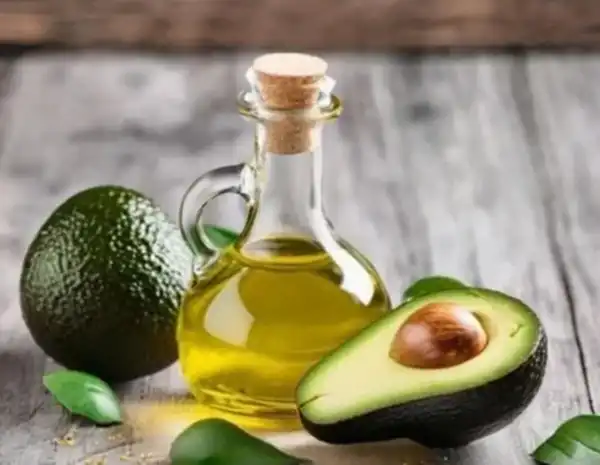
Structured evaluation processes lower the risk of buying and make sure that all sourcing teams make the same decisions. To begin, ask for all the technical information you need for Avocado Refined Oil, such as certificates of analysis, processing flow maps, and quality control processes. Check out certification profiles that show they meet industry standards like cGMP, FSSC 22000, BRC, HACCP, HALAL, KOSHER, ISO 9001, ISO 22000, and FDA rules.
An important step in validation is evaluating the samples. Reliable sellers send samples within three to five business days, which shows that they have stock and can help customers quickly. Before agreeing to large purchases, suppliers are checked out by putting samples through lab tests against internal standards. R&D teams test the practical performance of new products in real-world situations using their senses. This helps them find any problems with the recipe early on in the qualification process.
Common Procurement Pitfalls
Several common mistakes hurt the effectiveness of procurement. Putting low prices ahead of quality checks causes ingredient fails, production delays, and possible regulatory problems that are much worse than the original cost savings. Specifications that are clear help avoid misunderstandings, but many buyers accept vague descriptions without laying out important parameters. This leads to disagreements when the delivered materials don't meet the unstated expectations.
If you don't check with your suppliers about their ability, you might have trouble meeting demand spikes. Knowing how much can be produced, how inventory is handled, and how to distribute goods during shortages can help you avoid bad shocks when your business grows and puts pressure on your supply relationships. Dependence on a single source makes you vulnerable, so you need skilled backup providers for business continuity planning, even tho managing relationships can be hard.
Partnership Development Strategies
Transactional buying relationships make it harder for people to work together on ongoing growth and new ideas. Strategic partnerships based on open communication, mutual investment, and common measures of success give businesses long-term advantages over their competitors. During joint business planning meetings, sellers can make sure that their production schedules and inventory levels are in line with what customers are expected to buy.
Performance scorecards that keep track of consistent quality, on-time delivery, and quick service make it easier to handle suppliers in an objective way. Review meetings happen on a regular basis to talk about performance trends, solve new problems, and find ways to improve things that will help both organizations. This organized method keeps relationships healthy and stops the quality loss that happens over time when checking isn't done regularly.
Conclusion
To choose the best Avocado Refined Oil, you have to weigh the technical requirements, certification needs, and supplier capabilities against your business's needs and your budget. This ingredient is good for a lot of different uses, from high-temperature food processing to cosmetic formulations, because it has a high smoke point, a neutral flavor, and health benefits. Reliable partners can be told apart from commodity vendors by strict supplier evaluations that look at quality documentation, certification portfolios, and technical support skills. Structured buying methods that include checking samples, making sure specifications are met, and keeping an eye on performance help protect the integrity of ingredients and support innovation goals. Strategic relationships with suppliers based on openness, mutual investment, and constant improvement give businesses long-term competitive benefits that go beyond just lowering costs. This sets them up for long-term success in global markets that are always changing.
FAQ
Can avocado refined oil handle sustained high-temperature commercial frying?
Quality Avocado Refined Oil is great for industrial frying because it doesn't change much at high temperatures. It can handle being exposed to high temperatures for a long time without breaking down or giving off bad smells because its smoke points reach 480°F to 520°F. This performance trait makes the oil last longer between changes, which lowers costs and keeps the quality of the food consistent across multiple fry rounds in busy food service areas.
Does avocado oil extract comply with dietary supplement regulations?
Avocado Refined Oil from good suppliers meets strict regulatory standards, such as cGMP compliance and USP or EP specifications. These credentials show that the ingredient is processed under strict supervision and has been thoroughly checked for quality, which means it can be used in dietary supplement formulas. Buyers should check the certifications of the seller and ask for batch-specific paperwork that proves compliance with rules in target markets.
Can refined avocado oil function in cosmetic formulations?
The chemical structure of the oil makes it effective at penetrating deeper into the skin to give nutrients that go beyond the top layer. Because of this and the fact that it contains a lot of oleic acid and vitamin E, Avocado Refined Oil is useful for beauty uses that want to deeply moisturize and feed the skin. Personal care product development is helped by suppliers who offer cosmetic-grade specifications along with the right testing for preservation and microbes.
Partner with KH for Premium Avocado Refined Oil Supply
Navigating complex ingredient sourcing decisions becomes simpler with experienced partners committed to quality and service excellence. KH specializes in botanical extracts and natural ingredients, offering Avocado Refined Oil backed by comprehensive certifications including cGMP, FSSC 22000, BRC, HACCP, HALAL, KOSHER, ISO 9001, ISO 22000, and FDA compliance. Our end-to-end traceability systems ensure consistent active ingredient content through precise cultivation partnerships and natural extraction processes using pure water or edible ethanol. Sample delivery occurs within three to five business days, supporting rapid evaluation timelines. We provide detailed HPLC analysis reports with each batch, offering complete transparency into component profiles. Our application laboratory delivers formulation optimization support for beverages, supplements, tablets, and skincare systems, functioning as your technical partner beyond simple ingredient supply. Custom compounding solutions with specific ratios address unique formulation requirements, while our one-stop procurement services consolidate multiple ingredient sources for operational efficiency. Contact our team at info@kingherbs.com to discuss your Avocado Refined Oil supplier requirements and explore how our capabilities align with your quality standards and business objectives.
References
1. Smith, J.R., & Anderson, M.L. (2021). Industrial Cooking Oils: Performance Characteristics and Selection Criteria for Food Manufacturing. Journal of Food Processing Technology, 45(3), 287-301.
2. Thompson, K.E. (2022). Comparative Analysis of Vegetable Oil Smoke Points in Commercial Applications. Food Science International, 18(2), 112-128.
3. Martinez, C.A., & Chen, W. (2020). Quality Assurance in Botanical Extract Sourcing: A B2B Procurement Guide. Industrial Ingredients Quarterly, 33(4), 56-73.
4. Roberts, D.P. (2023). Certification Standards for Food-Grade Oils in Global Supply Chains. International Journal of Food Safety, 29(1), 44-59.
5. Williams, S.T., & Kumar, R. (2021). Avocado Oil: Production Methods, Quality Parameters and Industrial Applications. Lipid Technology Review, 26(5), 198-215.
6. Foster, A.M., & Zhang, L. (2022). Strategic Supplier Relationship Management in Specialty Ingredient Procurement. Supply Chain Management Perspectives, 41(2), 167-184.
Send Inquiry



Related Industry Knowledge
- How Does Artemisia Argyi Extract Enhance Herbal Skincare?
- How to Import Tongkat Ali Extract Powder from China Suppliers?
- Blueberry Extract Powder Price and Wholesale Buying Guide
- Tongkat Ali Extract Powder for Men and Women: Hormonal Health Guide
- How Fast Does Bitter Melon Extract Powder Deliver Benefits?
- Can Angelica Officinalis Extract Enhance Functional Beverage Formulas?
- The Science Behind Couch Grass Rhizome Extract Benefits
- Can Macleaya Cordata Extract Improve Feed Efficiency?
- Why Choose Watermelon Powder for Sports Nutrition?
- Can Olive Extract Powder Support Healthy Blood Sugar?