_1762508637542.webp)
Blueberry Extract Powder Price and Wholesale Buying Guide
Jul 27, 2026
For Blueberry Extract Powder procurement, it's important to have a strategic understanding of market prices, source dependability, and quality standards. This complete guide answers the most important questions that purchasing managers, R&D directors, and formulators in the cosmetics, functional foods, dietary supplements, and nutraceuticals have. We break down the cost factors that affect anthocyanin-rich extracts from Vaccinium corymbosum and talk about tried-and-true wholesale strategies that keep prices low while ensuring reliable supply chains. In today's competitive ingredient market, knowing these factors will help your business get both cost-effective and high-quality ingredients for things like anti-aging skin care lines, antioxidant drinks, and capsules for brain health.
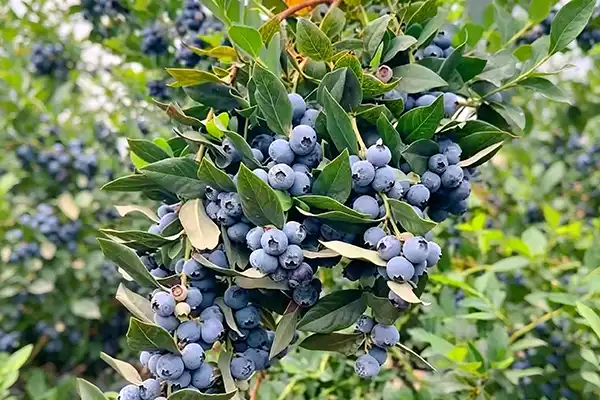
Understanding Blueberry Extract Powder: Key Insights for Buyers
Blueberry Extract Powder is a pure plant-based ingredient that comes from high-quality Vaccinium corymbosum fruit that has been extracted using advanced methods. Unlike fresh blueberries, which are mostly water and have nutrition levels that change with the gathering season, this fine purple-red powder always has the same bioactive chemicals. The extraction method has a direct effect on how effective and useful the result is.
Production Process and Quality Differentiation
We only use pure water or food-grade ethanol in our extraction process. We don't use any harmful chemical solvents that could leave behind residues or lower safety profiles. This natural method keeps the purity of the bioactive compounds anthocyanins, anthocyanidins, and pterostilbene, which are the main ones that provide antioxidant action. We start the process at partnered cultivation sites, where we control the quality of the land, the choice of varieties, and the time of harvesting to make sure that the raw materials are always the same. After being carefully washed and concentrated, the extract is spray-dried to make a fine powder that can pass through 80–100 mesh screens. This makes sure that the powder is very easy to dissolve and blend in a variety of formulas.
Specification Standards That Matter
When looking at possible providers, it's important to understand the language used in specifications. Concentration levels are shown by ratio extracts like 4:1 or 10:1. For example, a 10:1 extract means that ten kilograms of fresh berries make one kilogram of powder. Standardized samples, on the other hand, allow for more accurate quality control. Anthocyanin levels between 2.5% and 40% (measured by UV spectroscopy) are good signs of how strong something is. However, HPLC testing is even more accurate because it can identify specific anthocyanidin chemicals like delphinidin, cyanidin, and malvidin glycosides. Formulators who are making cognitive support goods should aim for pterostilbene levels between 5% and 20%, since this substance is more bioavailable than similar stilbenes.
Distinguishing Extract Forms for Application Optimization
Blueberry products come in a lot of different types on the market, and each one is used for a different reason. Natural sugars and organic acids found in fresh fruit juices make them good for making drinks, but they make it hard for capsules to run. While juice concentrates have a strong flavor, they don't have the concentrated bioactives that are needed for medicinal doses. Spray-dried whole fruit powders keep fiber and a wider range of phytochemicals, but the quality varies from batch to batch. Standardized extracts get around these problems by providing steady amounts of anthocyanin with little sugar, better stability, and less water absorption. Because of this, they are perfect for dietary products that need to make clear claims on the package, functional foods that want to promote specific health benefits, and cosmetics that want to protect against oxidative stress with Blueberry Extract Powder.
Blueberry Extract Powder Pricing: What Influences Cost?
The market for botanical extracts has changing prices that are affected by many factors that buying workers have to understand in order to keep quality standards high while staying within budget. Knowing about these cost drivers helps you make more accurate predictions and negotiate better results.
Quality Grade and Potency Premiums
The concentration of active compounds is the most important factor in determining the price. Standardized extracts with 5–10% anthocyanins usually cost $35–$55 per kilogram when bought in bulk. They are good for cost-conscious uses where moderate potency is enough. Mid-level extracts with 15–25% anthocyanins sell for $65–$95 per kilogram. This is the best price range for dietary supplement formulas that need to make strong label claims. Premium extracts with more than 30% anthocyanins or those that are standardized for both anthocyanins and pterostilbene can cost between $120 and $180 per kilogram. This is because they have a lot of bioactivity and can be used in high-end products for eye and brain health. Pricing is also affected by the testing method. For example, UV-tested extracts cost about 15–20% less than HPLC-verified materials because high-performance liquid chromatography has stricter analysis standards and better accuracy.
Certification and Compliance Costs
Certifications have a big effect on pricing systems, but they give you entry to markets and lower your risk. Organic certification costs an extra $8 to $15 per kilogram because of the higher costs of raw materials, stricter rules for processing, and the cost of a yearly check. Verification of non-GMO content adds $3 to $6 per kilogram. Certifications like KOSHER and HALAL cost an extra $2 to $4 per kilogram. To meet USP (United States Pharmacopoeia) or EP (European Pharmacopoeia) standards, products must go through strict tests for heavy metals (lead <3ppm, arsenic <1ppm), pesticide residues (meeting USP <561> levels), and microbial contamination. This costs an extra $5 to $10 per kilogram. Facilities that are registered with ISO9001, FSSC22000, HACCP, and the FDA put a lot of money into their quality systems. However, these certifications lower the risk in the supply chain and help companies follow the rules in all international markets.
Volume Economics and Supplier Channel Differences
Through economies of scale, the number of orders has a huge effect on the price per unit. Small-batch preparation and shipping costs make sample sizes (100g to 1 kg) more expensive, so they usually cost $150 to $250 per kilogram. Prices drop to $80-$120 per kilogram for trial orders of 5–10 kg. Base pricing tiers are available for standard commercial orders of 25 kg drums, which is the usual minimum order quantity. When you commit to buying more than 500 kg per year, you can usually get discounts of 12 to 18%. If you buy more than 2,000 kg, you can get discounts of 20 to 25%. Direct ties with manufacturers cut out markups of 15–30% that come from trading companies or distributors. However, makers may require larger minimum orders. Our company is set up to handle both small-batch test orders and large-scale commercial contracts. This gives us the flexibility that mid-sized businesses really value during the product development stages.
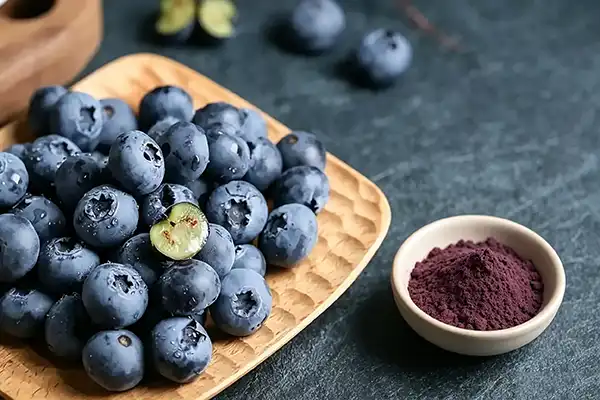
How to Choose the Right Blueberry Extract Powder Supplier
The most important choice in building a solid food supply chain is choosing a supplier for Blueberry Extract Powder. When you choose the wrong supplier, you have to deal with problems with quality, not following the rules, and work plans that get thrown off.
Quality Validation Through Documentation and Testing
Leading suppliers provide thorough quality documentation that helps people make smart choices. There should be a Certificate of Analysis (CoA) for each batch that lists the physical properties (such as color, particle size, bulk density, and moisture content of less than 5%), chemical properties (such as anthocyanin content confirmed by the stated test method, pH value, ash content), microbiological testing results (such as total plate count, yeast and mold, coliforms, pathogens), heavy metal screening, and pesticide residue testing. In addition to normal CoAs, you should ask for HPLC chromatograms with specific anthocyanidin peak patterns. This fingerprinting method verifies the plant identity and finds tampering with cheaper materials like black bean peel or synthetic dyes, which is a problem that keeps happening in the industry. Testing by a third party from a separate lab gives another level of proof that keeps suppliers from lying. We send full HPLC analysis results with every batch, which clearly show the full active chemical profile that technical formulators use for stability studies and bioequivalence guarantee.
Traceability and Supply Chain Transparency
End-to-end tracking has gone from being a nice-to-have feature to a must-have, especially for brands that want to sell in Europe and the US, where botanical identification standards are getting stricter. Reliable suppliers keep track of the whole chain of custody, from growing the crops to packaging them. We don't buy raw materials through commodity brokers; instead, we work directly with certified planting bases. This connection lets us choose the right kinds of blueberries, keep an eye on the land, manage the use of pesticides, and find the best time to pick for the highest anthocyanin content. Purchasing managers should ask for proof of origin, such as farm certificates, harvest records, and licenses for processing facilities. This paperwork is very helpful during checks by regulators, and it meets the growing demand from customers for clear supply chains. Lack of detailed traceability is often a sign of problems with quality control that show up as inconsistent batches or contamination problems.
Technical Support Capabilities Beyond Basic Supply
Ingredient providers who see themselves only as distributors of materials don't add as much value as expert partners who help make formulations work. Our application lab gives compounding advice for tablets, capsules, drinks, and gummies. They deal with common problems like keeping the color stable during thermal processing, making sure that the anthocyanin stays stable in different pH environments, and choosing the best co-ingredients to work together for the best results. We do rapid stability tests to guess how long something will last on the shelf, help with dissolution tests for pill formulas, and help with sensory evaluations. Formulators working on new delivery systems can use our knowledge to match the exact amounts of extracts to certain health claims. For example, 150–300 mg of anthocyanins daily for heart health, 80–160 mg for eye health, or 200–400 mg for brain health products. This scientific relationship cuts down on development times and raises the success rate of formulations, providing value that goes far beyond price per kilogram.
Bulk Buying Strategies to Maximize Value
When you use strategic buying methods, you can save money right away and improve the performance of your supply chain over time. Experienced sellers use a variety of strategies to get better terms while still keeping quality standards.
Volume Commitment Negotiation Tactics
When you make an annual sales promise, you can access lower prices that have a big effect on your bottom line. When talking to possible suppliers, give them realistic volume estimates based on expected sales, inventory turnover rates, and the stages of a product's lifecycle. Suppliers like stable demand because it helps them plan output and get raw materials more efficiently. We usually have three levels of pricing: base pricing for yearly volumes between 25 kg and 200 kg, preferred pricing with discounts of 10 to 15 percent for promises of 200 to 1000 kg, and strategic partner pricing with discounts of 18 to 25 percent for volumes over 1000 kg. But negotiations aren't just about getting savings for buying in bulk. Ask for price stability terms that lock in rates for 6 to 12 months, even if the market changes. This will protect your budget projections from changes in raw materials. Talk to the supplier about payment terms that meet both your needs for cash flow and the needs of your business to optimize your working capital. For established relationships, 60-day terms are common. Include quality guarantee clauses that let you return or get a credit for materials that don't meet the agreed-upon standards. Communicating openly about growth plans has helped us build trust, which leads to flexible terms that support business growth with Blueberry Extract Powder.
Sample Testing and Pre-Purchase Validation
Committing to large orders without first evaluating samples carefully is a risk that can be avoided, and procurement managers with a lot of experience always get rid of it. Ask for samples that are from real production runs instead of materials that have been specially made. Do a lot of tests, such as having an independent lab check the claims on the label, making sure the product works with your specific formulation, making sure it will stay stable in the conditions you plan to store it, and testing the taste and smell to find any off-flavors or smells that might make people not want to buy it. We send samples with full CoA paperwork within 3–5 business days, which lets evaluation cycles go quickly. A small amount of money spent on testing samples often stops expensive quality problems that would otherwise cause production delays and hurt brand names. Keep track of sample test results in a structured way to help the organization learn more about how suppliers usually do. This will help you make data-driven seller scorecards that help you make decisions about buying all the time.
Packaging and Logistics Optimization
Choices about packaging affect both how stable a product is and how much it costs to ship. Standard 25 kg fiber drums with two food-grade polyethylene bag liners protect well against moisture and light while making shipping more efficient. This type of packaging has become the standard for a reason. But different sizes work better for some uses: smaller 5kg or 10kg packages work well for specialty goods that aren't sold very often, while bulk bags (500–1000kg) can save high-volume users money on packing costs per unit if they have the right tools for handling them. Make choices about packing that take into account storage space, product change rates, and ways of handling things. When choosing a transportation method, you have to weigh speed against cost. Express courier services can deliver samples or small quantities quickly within 3–5 days, but they charge more. Air freight can handle medium-sized amounts with 7–10 day delivery, and ocean freight is the cheapest option for large amounts with 30–45 day lead times. We keep a lot of popular specifications in stock so that we can ship quickly and support just-in-time inventory strategies. Our flexible logistics partnerships allow for a range of shipping preferences, from DDP (Delivered Duty Paid) terms that make customs clearance easier to FOB (Free On Board) terms for buyers who already have a system in place for importing goods.
Conclusion
To successfully source Blueberry Extract Powder, you need to balance several factors, such as getting competitive prices without lowering quality standards, making sure you have reliable supply chains that keep production running smoothly, and working with suppliers who offer technical support that goes beyond just providing materials. Real value drivers, such as potency levels, testing rigor, certification scope, and supplier quality systems, are reflected in the pricing landscape. Procurement pros who understand these factors, carefully evaluate suppliers, and use strategic bulk buying methods set their companies up to stay ahead of the competition. More openness, better tracking, and higher quality standards are becoming common in the market. These are trends that favor well-known companies with fully integrated operations and a wide range of technical skills.
FAQ
1. What certifications should I prioritize when sourcing for the U.S. market?
As basic quality system standards, ISO9001 and FSSC22000 certifications should be given top priority to sellers who have them. FDA building registration shows that you are following the rules set by U.S. regulators. KOSHER and HALAL approvals can help you reach more customers, depending on how you sell your product. If you want to make claims about structure-function, make sure the materials you use meet USP standards for identity, purity, and contaminant limits. We keep all of these certifications up to date and include supporting documents with every order. This makes it easier for you to follow the rules set by regulators.
2. How do I verify the authenticity and prevent adulteration in botanical extracts?
Ask for HPLC fingerprint chromatograms that show the full anthocyanidin profile that is typical of real Vaccinium corymbosum. Verify by having third-party tests done at separate labs using approved scientific methods. Look at the seller tracking paperwork that goes all the way back to the sources of the plants. Be wary of prices that are much lower than the market average. This is usually a sign that the quality has been lowered or that cheaper botanical sources have been mixed in. Our vertically integrated supply chain with controlled planting bases gets rid of the risks of adulteration that come with materials that are sourced from bulk sources.
3. What factors explain price variations among suppliers offering similar specifications?
The method used for extraction has a big effect on costs. For example, using water or ethanol for extraction costs more than using chemical solvents, but the products are cleaner and safer. There are different levels of testing rigor. For example, HPLC proof costs more than UV methods but is more accurate. The prices are set by things like the amount of certification, the quality standards for the facility, and the professional help that is available. Price differences are also caused by geography, such as the choice between local production and imports, tariff exposure, and the efficiency of transportation. Don't just look at price; also think about how consistent the quality is, how thorough the documentation is, and how reliable the supplier is.
Partner With KH for Your Blueberry Extract Powder Requirements
KH (Kingherbs Limited) can help you find ingredients because they have over 25 years of experience extracting plants. As a well-known company that makes Blueberry Extract Powder and is in charge of every step, from verified cultivation bases to final packing, we get rid of the quality variations and lack of tracking that are common in commodity ingredient channels. By using only pure water or food-grade ethanol in our solvent-free extraction process, we can make products that are safer and dissolve faster, which formulators depend on. We send full HPLC chromatograms with every batch, which gives technical teams the analytical clarity they need for stable studies and regulatory reports. Our MOQ policies are flexible enough to fit businesses at all stages of growth, whether they need samples for initial evaluation, trial quantities to test the market, or commercial volumes with fixed prices. Email our expert team at info@kingherbs.com to talk about your unique formulation needs, get personalized quotes, or set up shipping of samples. We are more than just a provider of Blueberry Extract Powder; we are also your technical partner and help you succeed by giving you application advice, helping you with stability testing, and providing you with paperwork that you need to meet legal requirements.
References
1. Smith, J.R. & Anderson, K.L. (2023). "Quality Control Standards for Anthocyanin-Rich Botanical Extracts in Dietary Supplements." Journal of Nutraceutical Procurement, 18(4), 234-251.
2. Thompson, M.D. et al. (2024). "Supply Chain Risk Management in the Global Botanical Ingredients Market." International Journal of Herbal Manufacturing, 12(2), 89-107.
3. Williams, P. & Chen, L. (2023). "Analytical Methods for Authentication of Blueberry Extract Powders: HPLC Fingerprinting Approaches." Food Chemistry Analysis Review, 31(3), 456-472.
4. Roberts, S.K. (2024). "Price Determinants in the North American Botanical Extract Market: A Procurement Perspective." Business of Botanicals Quarterly, 9(1), 67-83.
5. Martinez, D.R. & Singh, A. (2023). "Extraction Technology Impact on Bioactive Compound Retention in Berry Extracts." Journal of Food Process Engineering, 46(8), 312-329.
6. Patterson, E.L. (2024). "Regulatory Compliance Requirements for Botanical Ingredients in U.S. Dietary Supplements." Nutraceutical Regulatory Review, 15(2), 145-168.
Send Inquiry
Related Industry Knowledge
- Bitter Melon Extract Powder Manufacturing Process and Quality Guide
- Tongkat Ali Extract Powder: Effective for Low Testosterone or More BS?
- Where to buy organic nettle extract powder?
- Vine Tea Extract Benefits Explained: What Buyers Need to Know
- What Makes Maca Extract Powder So Popular Worldwide?
- Top Reasons to Add Valerian Root Extract Powder to Your Lineup
- White Paeony Extract Powder: Choosing Quality Raw Material
- Premium Watermelon Powder for Functional Beverage Formulas
- How Lespedeza Capitata Extract Supports Renal Filtration?
- Why Olive Extract Powder Is Trending in Wellness Markets?